Where To Watch Wildlife - Reserves & Locations
Welcome to my 'Where to Watch Wildlife' page. On this page I have included information about nature reserves and wild places that you can visit to watch wildlife within the county of Somerset. I have also included locations within Bristol, the old county of Avon and surrounding area, I hope this gives you some ideas of days out where all the family can enjoy our lovely countryside and the wildlife that lives here. Where appropriate I have included links to the relevant bodies who own a specific site and to get more detailed information and directions.
NB. If visiting any of the mentioned areas on this page please respect the countryside and adhere to footpaths and public access points. If visiting a managed reserve please check websites prior to attendance or notice boards for relevant rules and restrictions. (wildlife welfare must always come first!)
(Please note that permissions have been granted for the use of all links on this page)
For Butterfly Locations visit my 'Somerset Butterflies' website

DOLEBURY WARREN, Churchill.
Dolebury Warren is the site of an old Iron Age Fort and despite the steep climb commands spectacular and far reaching views across North Somerset and The Mendips. A rich habitat for a wide range of wildlife including: Fox, Roe Deer, Buzzard, and Barn Owl, The Limestone grasslands boast Orchids, Rockrose amongst many other wild flowers which in turn attract many butterfly species such as, Marbled White, Grizzled Skipper & Small Blue.
Further details can be found here.... DOLEBURY WARREN
KENN MOOR - Yatton - Clevedon
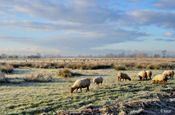
Kenn Moor lies between the villages of Claverham, Kenn and Yatton, it consists of large open low lying grazing marsh and reaches as far as Clevedon. This rare habitat is home to a huge variety of wildlife form Deer and Hares to Kestrel and Buzzard. The soft winter ground brings large flocks of mute swan to the fields where they feed on the lush grass often alongside Snipe and more recently Lapwing. I was fortunate enough to record the first photographs of Bewick swan on the moor in February 2012. The moor is split by many drainage ditches called rhynnes, which along with the soft ground makes access difficult. Access is only by public footpaths that can be found on the relevant Ordnance Survey maps. YACWAG have three reserves on Kenn Moor and details can be found here... YACWAG
GOBLIN COOMBE/CLEEVE WOOD, Cleeve
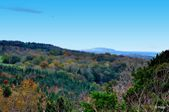
A damp wooded coombe that sits under rising rock faces up to Limestone grassland. An interesting walk with spectacular cliff top views. The grassland cliff tops support a diverse range of flower species which in turn hold a great number of butterflies during the summer months. Goldcrests enjoy the wooded area and show well in this part of North Somerset generally. Buzzards are abundant again in this area and can put on a good display when viewed from the cliff tops. The Hazel Doormouse can also be found here! Some steep and slippery climbing involved here but well worth the rewards!
Further details can be found here... GOBLIN COOMBE
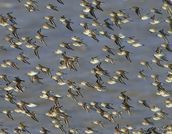
BLAKES POOL,
Situated on a remote stretch of the Severn Estuary, very rich in bird life with massive flocks of migrating waders visiting this part of the Bristol Channel every year. The pools are rich for dragon and damselflies and bird wise offers something for everyone with Cetti's Warblers, Summer Hobbies, winter Merlin as well as Short Eared Owls, Lapwing, Skylark, Dunlin to name just a fraction of what you can find here. Blakes Pools is by permit only.
Further details can be found here... BLAKES POOLS
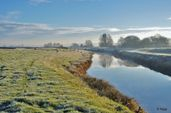
RIVER KENN, ESTUARY & SOUTH CLEVEDON COAST, Clevedon
This part of the river Kenn was man made in the 1970's and is a regular haunt for fishermen and Kingfishers alike. The wildlife can also be good with a variety of duck and wader species. Buzzard and Kestrel hunt inland whilst Peregrines will hunt along the Clevedon coastline. Wheatear offer the photographer an easy picture whilst other rarities will often pass through. Snow Bunting and Redstarts have made an appearance in recent times so you never quite know what may turn up. Access is by extensive footpaths that can be found on local maps or information boards. (No links available)
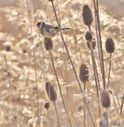
PORTBURY WHARF, Portishead.
An extensive reserve set alongside the Bristol Channel with a series of ponds and wetland habitat. An accessable reserve with plenty of hides giving views of waders, birds of Prey and anything else that happens to drop in! Little Owls nest in barns near one entrance and can be seen early morning perched on their roofs.
Further details can be found here... PORTBURY WHARFE
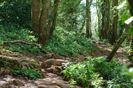
CADBURY HILL, Congresbury.
Cadbury Hill is an old Iron Age Hill Fort, a scheduled ancient monument and a local nature reserve. The slopes of the hill are now heavily wooded and harbour a large variety of wildlife including Nuthatch, Marsh Tit and a good variety of butterfly species. Badger and fox can be found in the wooded area where along with the sloped grassland you can find Cowslip, bluebell and oxeye daisy amongst other native wildflowers, shrubs and trees. YACWAG help with the management of Cadbury hill and further details can be found here... YACWAG Cadbury Hill

SAND BAY & SAND POINT, Weston-Super-Mare
A large bay on the Northern side of Weston made up of Salt Marsh and Sand Dunes making it a great habitat for a diverse range of birds and wildlife. The rocky headland of Sand point has wooded slopes leading up to grassland that supports a wide range wild flowers and butterflies including an introduced colony of Glanville Fritillary butterfly. Buzzards, kestrels and Peregrines can be seen hunting over this area and waders include Curlew, Oyster Catcher and Dunlin. Rare birds often turn up like the recent Hopooe that remained feeding on the beech for a few weeks. (Awaiting link permission)
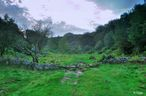
VELVET BOTTOM & BLACK ROCK (MENDIP HILLS COMPLEX) This is one of the most stunning places to visit as it is set right in the Mendip Hills and within the gorges and valleys near Cheddar Gorge. I generally park in the Layby at BLACK ROCK reserve and walk up into Velvet Bottom from here. Alternatively it can be accessed at the other end near Charter House on top of the Mendips. You could see almost anything here including Buzzard, Warblers, Nuthatch, woodpeckers plus many more bird species. There are lots of butterflies and other insects to be found plus a great selection of reptiles in certain places. Wildflowers to look out for include the Meadow Saffron among many others. Foxes, Deer, Rabbit are common with Badger and hare also possible. Combined with stunning scenery and the areas lead mining history, there really is something for everyone to enjoy at this stunning reserve! More info can be found here... Mendip Hills Nature Reserves Complex (South)
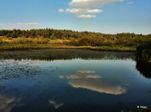
PRIDDY POOLS / PRIDDY MINERIES (MENDIP HILLS) Whatever you decide to call it this is one of the best spots for wildlife within the Mendip Hills. The reserve is owned by Somerset Wildlife Trust and is simply spectacular for butterflies in the summer months. The Small Pearl-bordered Fritillary is found here along with Green Hairstreak, Common Blue and Dingy Skipper among many more. A great place for reptiles and you may have to watch your step on a hot summer day as it is a strong hold for the Adder. The pools attract numerous Dragonflies and Damselflies and often throws up the unexpected! This is one of the only areas in this part of the country where you can see Nightjars and if you are really lucky you may get a glimpse of a Long-eared Owl hunting from the Stock Hill Plantation that sits immediately opposite this open heathland.
(Awaiting Link permissions)

STOCKHILL WOOD (MENDIP HILLS) A magical wood that was a former Pine plantation. Although a popular place for dog walkers and cyclists Stockwood is big enough for you to get lost in and away from the crowds, especially if you take the less trodden paths. If you are sensible a tread carefully you will see fox and deer in good numbers but it's the birds that make this wood so special. Natural England are doing a fantastic job by managing this plantation for Nightjar and Long-eared Owls. In fact this is one of the only places locally where you can see both of these elusive species. Also present hereis the Crossbill and again so scarce elsewhere now! Summer time will see various butterflies and dragonflies and you really could see anything here. It's location sat right next to the open heathland and ponds of Priddy Pools make it a favourite hunting and breeding place for many more species of birds from Sedge Warblers and Reed Buntings to Kestrels and Buzards that can be seen in good numbers.

More details here