Recording Wildlife and Supporting Local Conservation within the Counties of Somerset

-
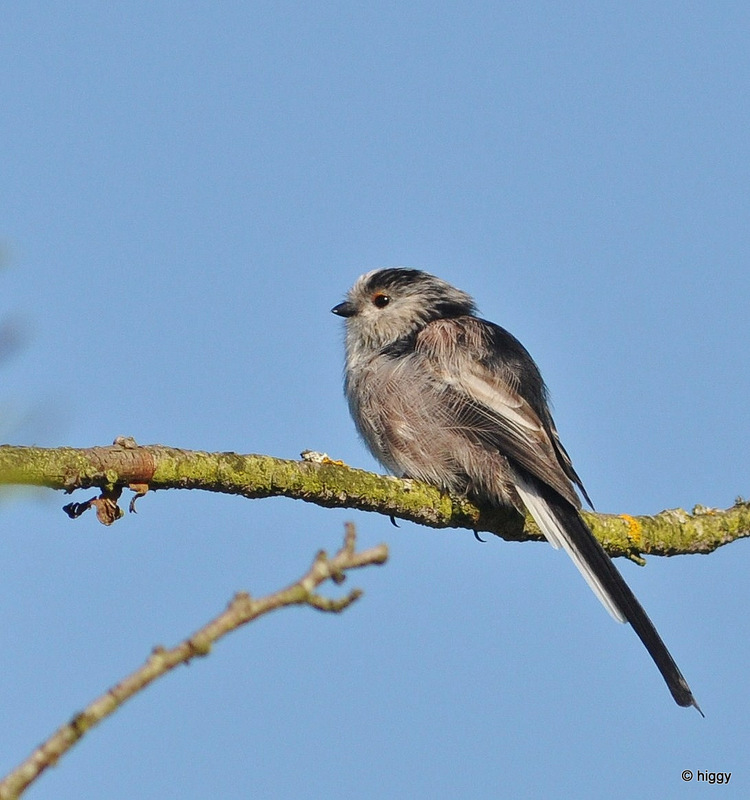
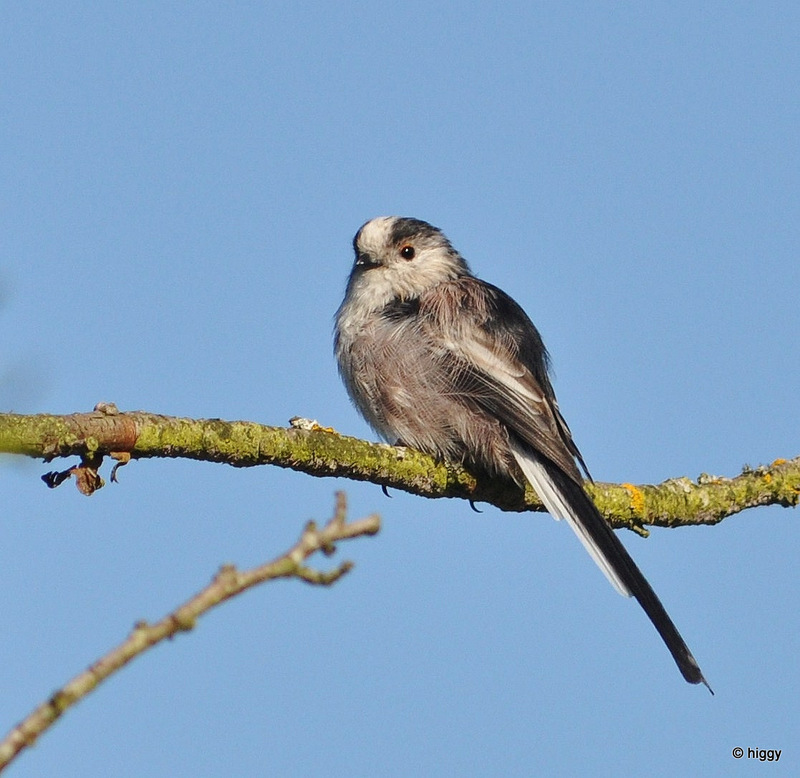
- NAME: Long-tailed Tit – Aegithalos caudatus / WINGSPAN: 16-19cm / SOMERSET STATUS: Common and widespread – Nearly always seen in small family groups as all family members help to raise the next generation. Generally heard chatting to each other before they are seen. Common garden visitor / DIET: Insects, occasionally seeds in autumn and winter /
-
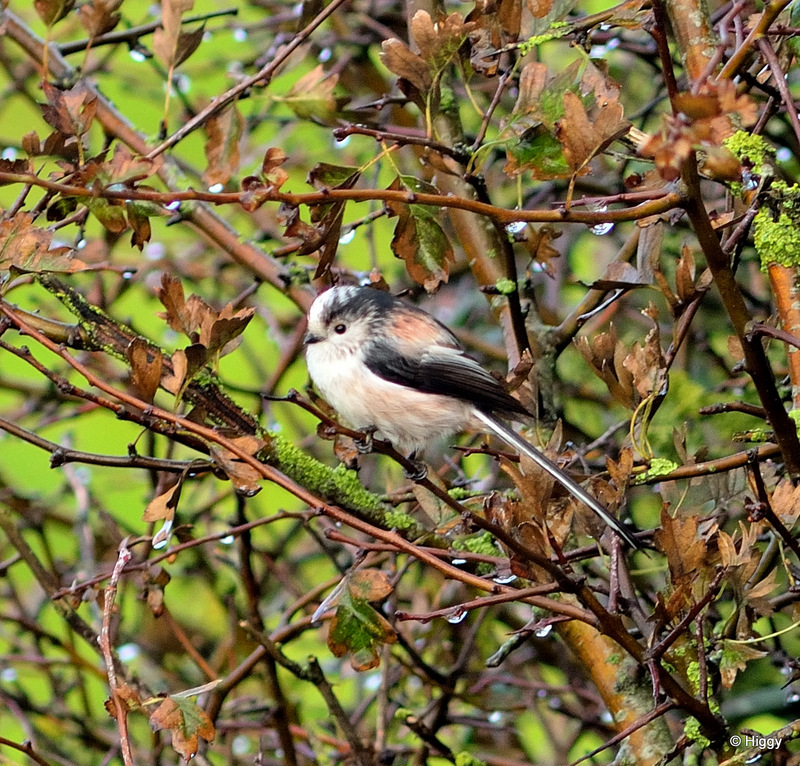
- NAME: Long-tailed Tit – Aegithalos caudatus / WINGSPAN: 16-19cm / SOMERSET STATUS: Common and widespread – Nearly always seen in small family groups as all family members help to raise the next generation. Generally heard chatting to each other before they are seen. Common garden visitor / DIET: Insects, occasionally seeds in autumn and winter /
-
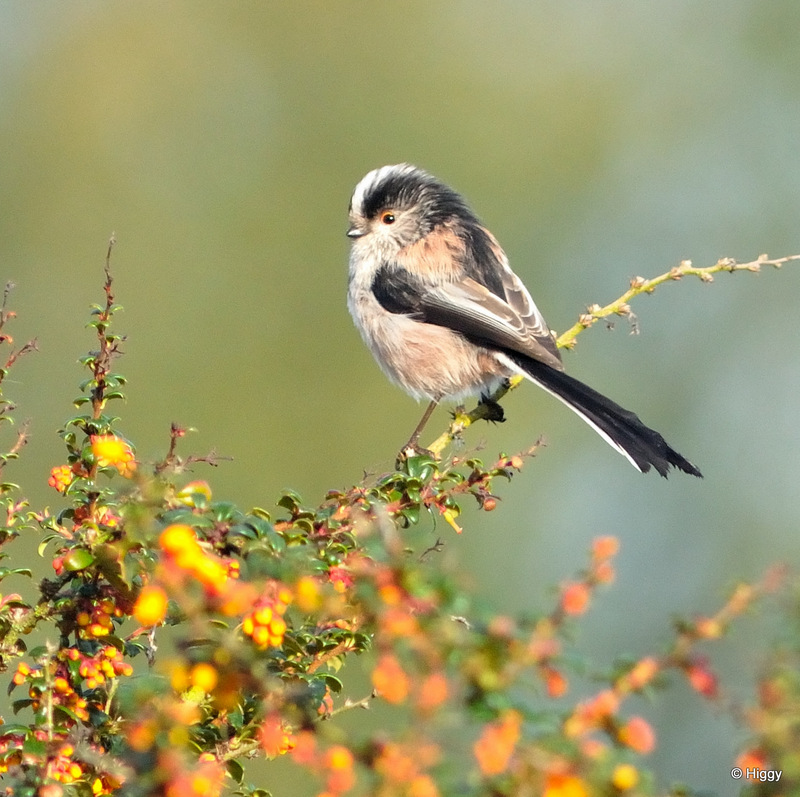
- NAME: Long-tailed Tit – Aegithalos caudatus / WINGSPAN: 16-19cm / SOMERSET STATUS: Common and widespread – Nearly always seen in small family groups as all family members help to raise the next generation. Generally heard chatting to each other before they are seen. Common garden visitor / DIET: Insects, occasionally seeds in autumn and winter /
-
- NAME: Long-tailed Tit – Aegithalos caudatus / WINGSPAN: 16-19cm / SOMERSET STATUS: Common and widespread – Nearly always seen in small family groups as all family members help to raise the next generation. Generally heard chatting to each other before they are seen. Common garden visitor / DIET: Insects, occasionally seeds in autumn and winter /
-
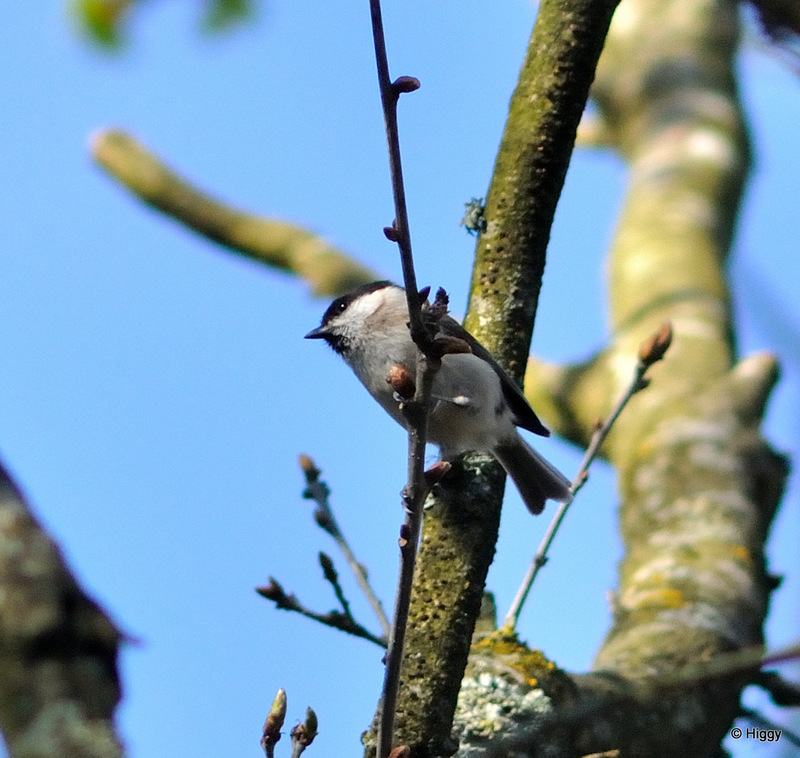
- NAME: Marsh Tit – Poecile palustris / WINGSPAN: 18-19cm / SOMERSET STATUS: Widespread but numbers difficult to establish due to the likeness to the Willow Tit and these birds are quite secretive – Can appear common when a location is found – Generally found in wooded areas inland / DIET: Insects and seeds. If they find a good supply – including from garden feeders – they may hoard seeds by burying and hiding them for a rainy day. Their hippocampus – the part of their brain which specialises in remembering things – is large, bigger than a great tit’s /
-
- NAME: Marsh Tit – Poecile palustris / WINGSPAN: 18-19cm / SOMERSET STATUS: Widespread but numbers difficult to establish due to the likeness to the Willow Tit and these birds are quite secretive – Can appear common when a location is found – Generally found in wooded areas inland / DIET: Insects and seeds. If they find a good supply – including from garden feeders – they may hoard seeds by burying and hiding them for a rainy day. Their hippocampus – the part of their brain which specialises in remembering things – is large, bigger than a great tit’s /
-
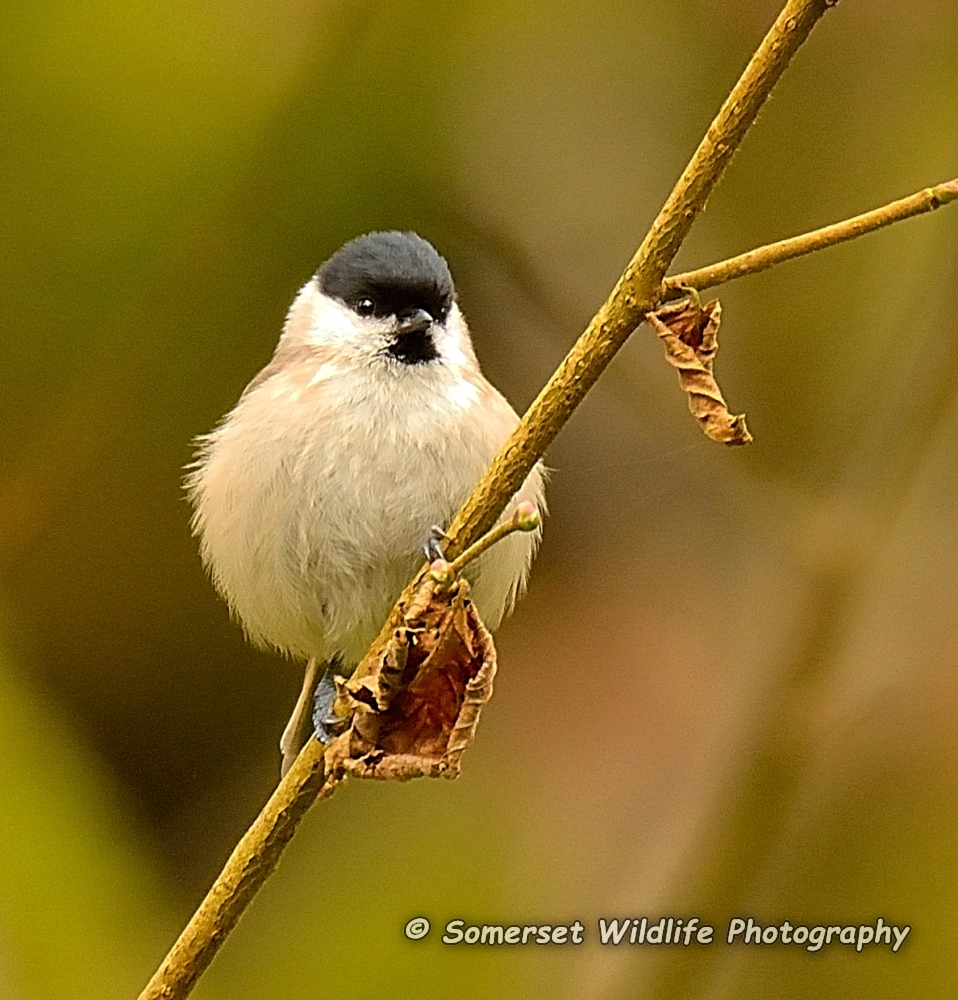
- NAME: Marsh Tit – Poecile palustris / WINGSPAN: 18-19cm / SOMERSET STATUS: Widespread but numbers difficult to establish due to the likeness to the Willow Tit and these birds are quite secretive – Can appear common when a location is found – Generally found in wooded areas inland / DIET: Insects and seeds. If they find a good supply – including from garden feeders – they may hoard seeds by burying and hiding them for a rainy day. Their hippocampus – the part of their brain which specialises in remembering things – is large, bigger than a great tit’s /
-
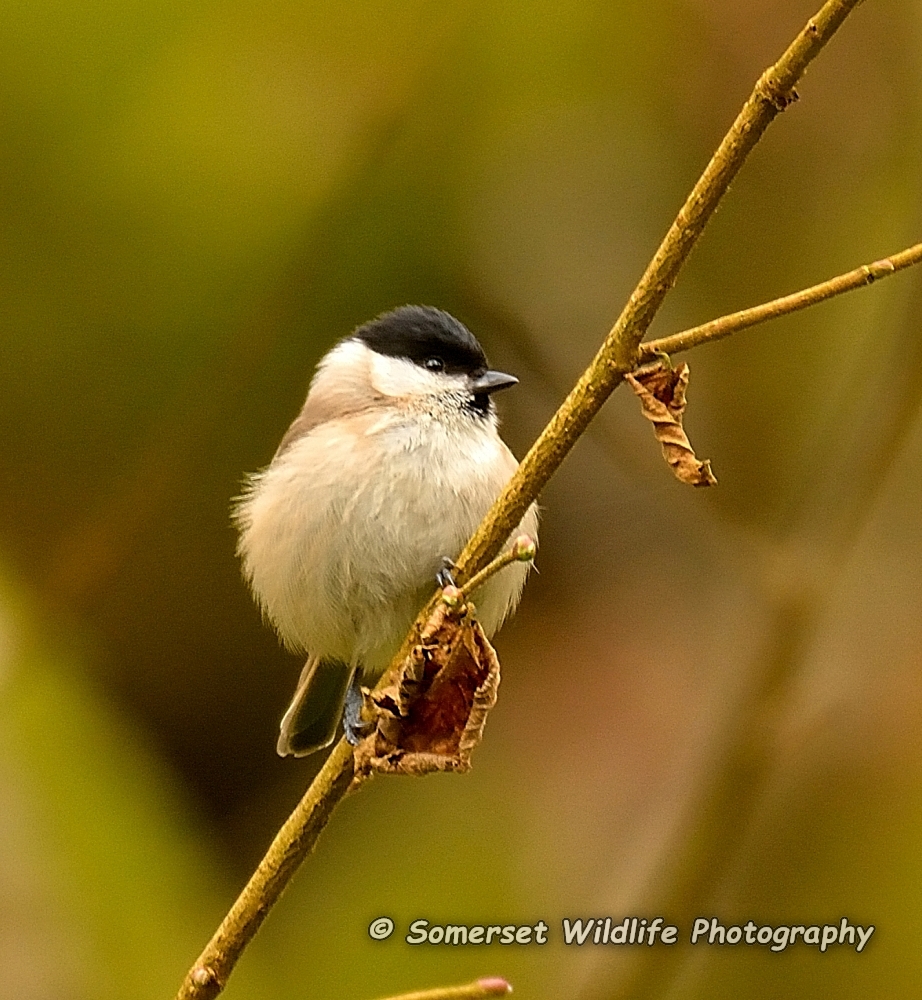
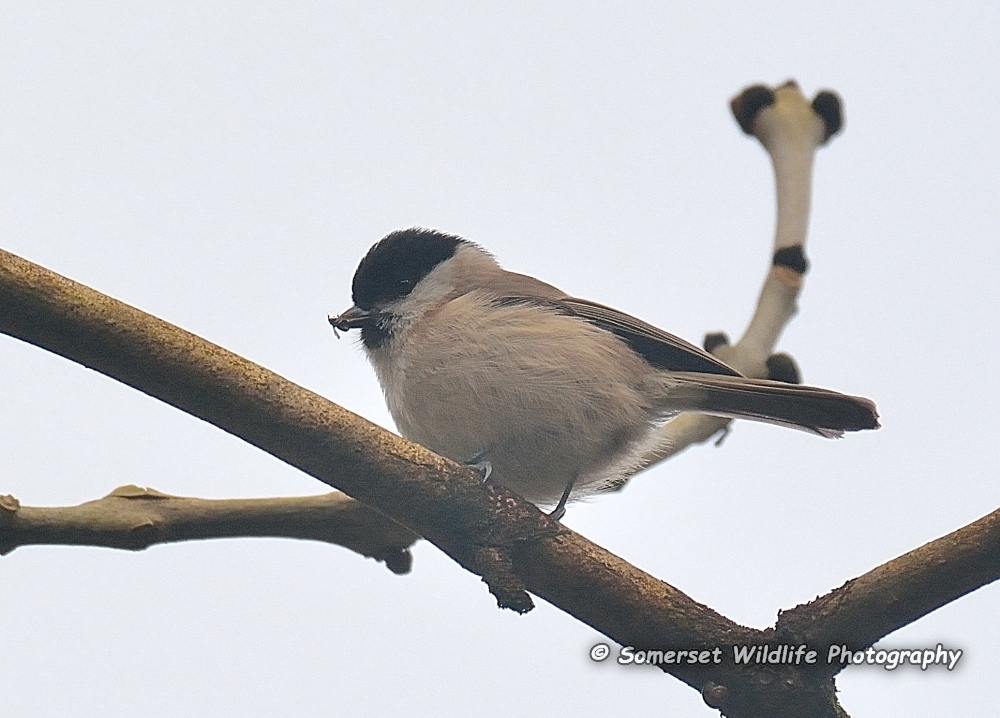
- NAME: Marsh Tit – Poecile palustris / WINGSPAN: 18-19cm / SOMERSET STATUS: Widespread but numbers difficult to establish due to the likeness to the Willow Tit and these birds are quite secretive – Can appear common when a location is found – Generally found in wooded areas inland / DIET: Insects and seeds. If they find a good supply – including from garden feeders – they may hoard seeds by burying and hiding them for a rainy day. Their hippocampus – the part of their brain which specialises in remembering things – is large, bigger than a great tit’s /
-
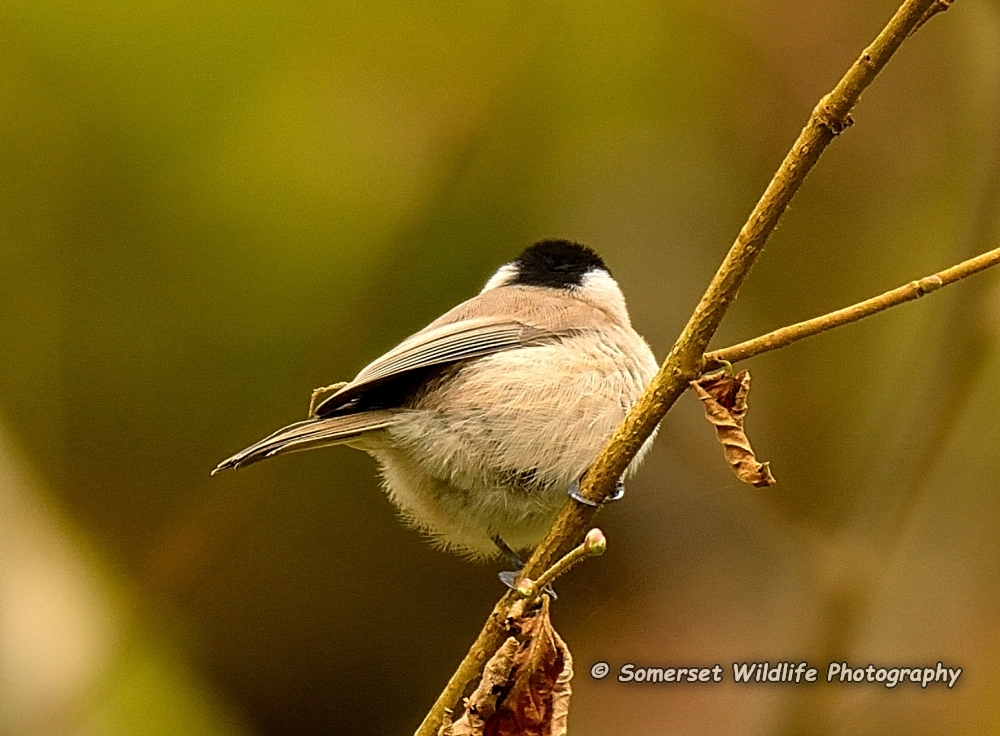
- NAME: Marsh Tit – Poecile palustris / WINGSPAN: 18-19cm / SOMERSET STATUS: Widespread but numbers difficult to establish due to the likeness to the Willow Tit and these birds are quite secretive – Can appear common when a location is found – Generally found in wooded areas inland / DIET: Insects and seeds. If they find a good supply – including from garden feeders – they may hoard seeds by burying and hiding them for a rainy day. Their hippocampus – the part of their brain which specialises in remembering things – is large, bigger than a great tit’s /
-

- NAME: Coal Tit – Periparus ater / WINGSPAN: 17-21cm / SOMERSET STATUS: Common and widespread – Associated with conifer plantations but a good garden visitor who can be observed taking seeds away to cache for later / DIET: Insects, seeds and nuts /

-
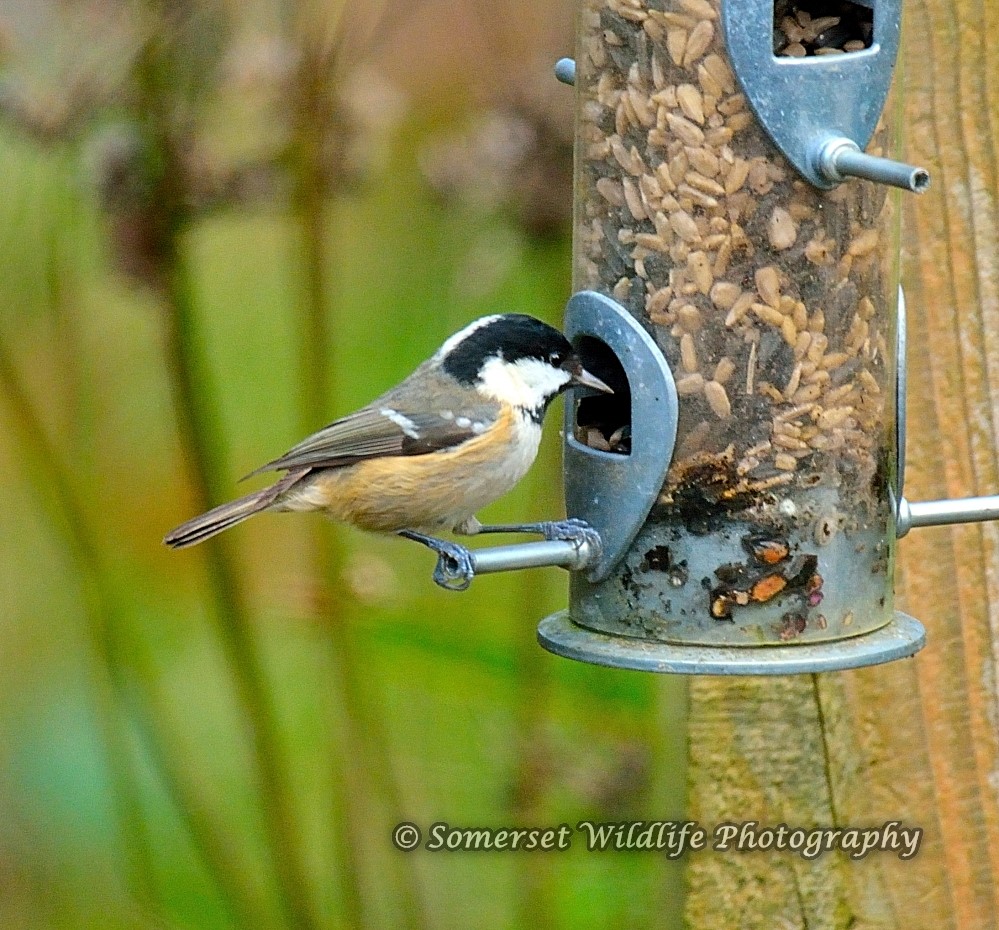
- NAME: Coal Tit – Periparus ater / WINGSPAN: 17-21cm / SOMERSET STATUS: Common and widespread – Associated with conifer plantations but a good garden visitor who can be observed taking seeds away to cache for later / DIET: Insects, seeds and nuts /
-
- NAME: Coal Tit – Periparus ater / WINGSPAN: 17-21cm / SOMERSET STATUS: Common and widespread – Associated with conifer plantations but a good garden visitor who can be observed taking seeds away to cache for later / DIET: Insects, seeds and nuts /
-
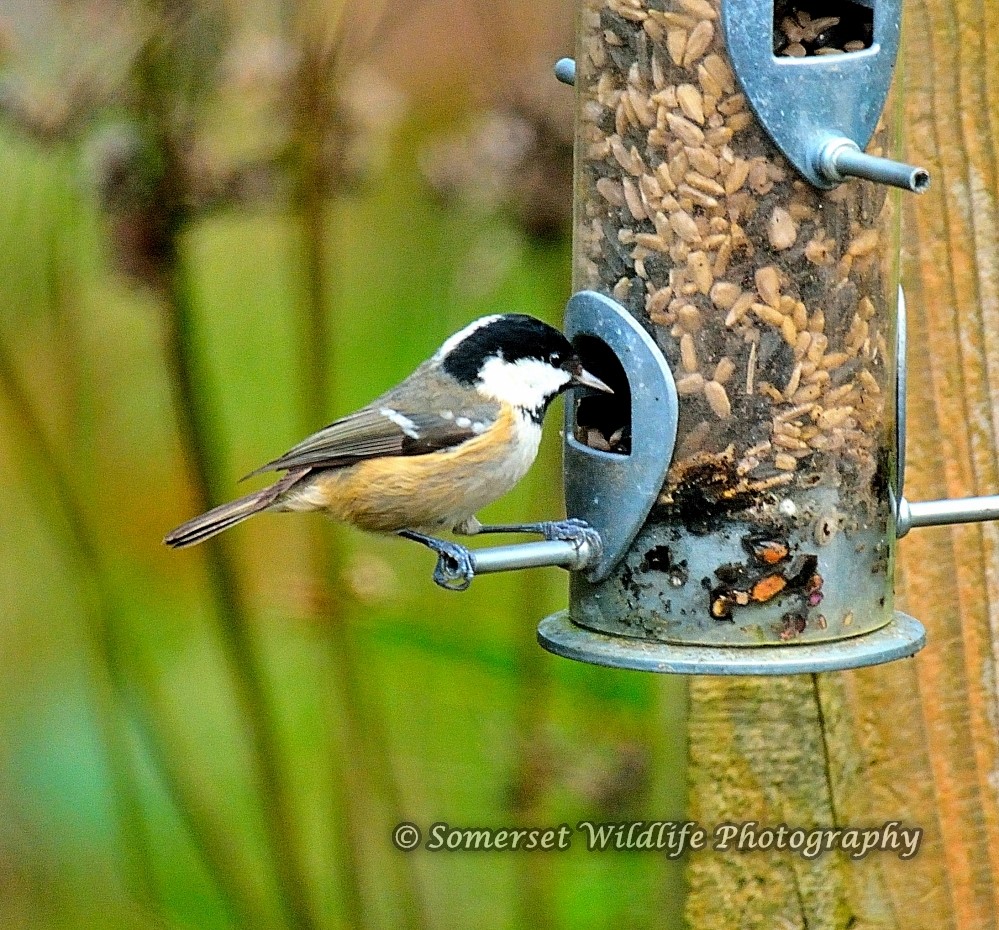
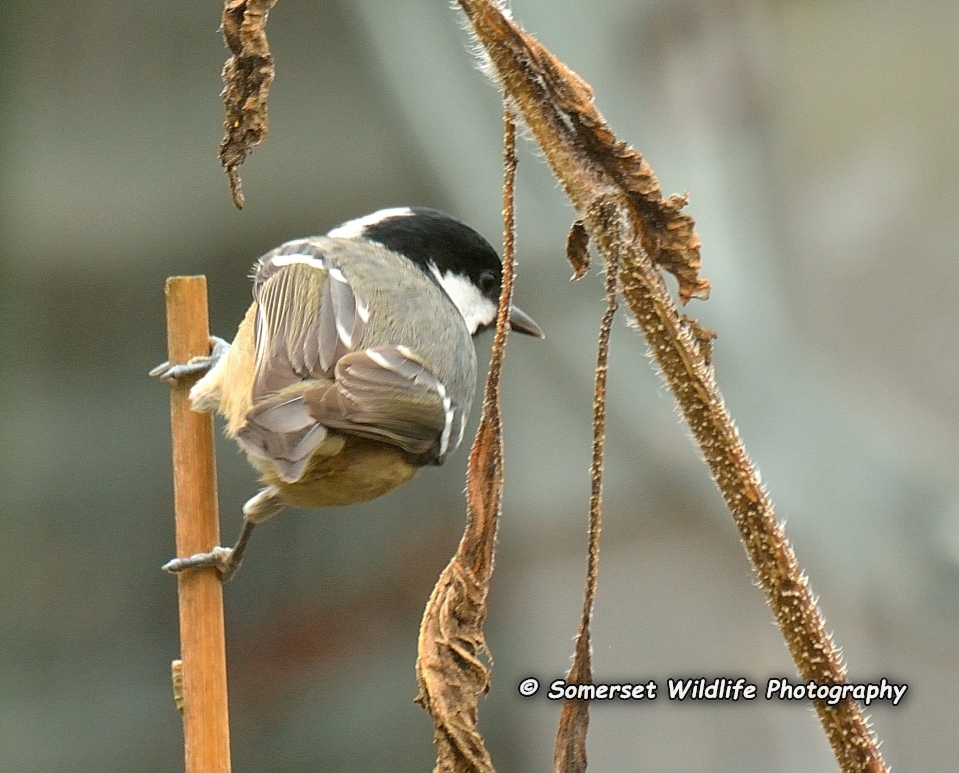
- NAME: Coal Tit – Periparus ater / WINGSPAN: 17-21cm / SOMERSET STATUS: Common and widespread – Associated with conifer plantations but a good garden visitor who can be observed taking seeds away to cache for later / DIET: Insects, seeds and nuts /
-
- NAME: Coal Tit – Periparus ater / WINGSPAN: 17-21cm / SOMERSET STATUS: Common and widespread – Associated with conifer plantations but a good garden visitor who can be observed taking seeds away to cache for later / DIET: Insects, seeds and nuts /

-
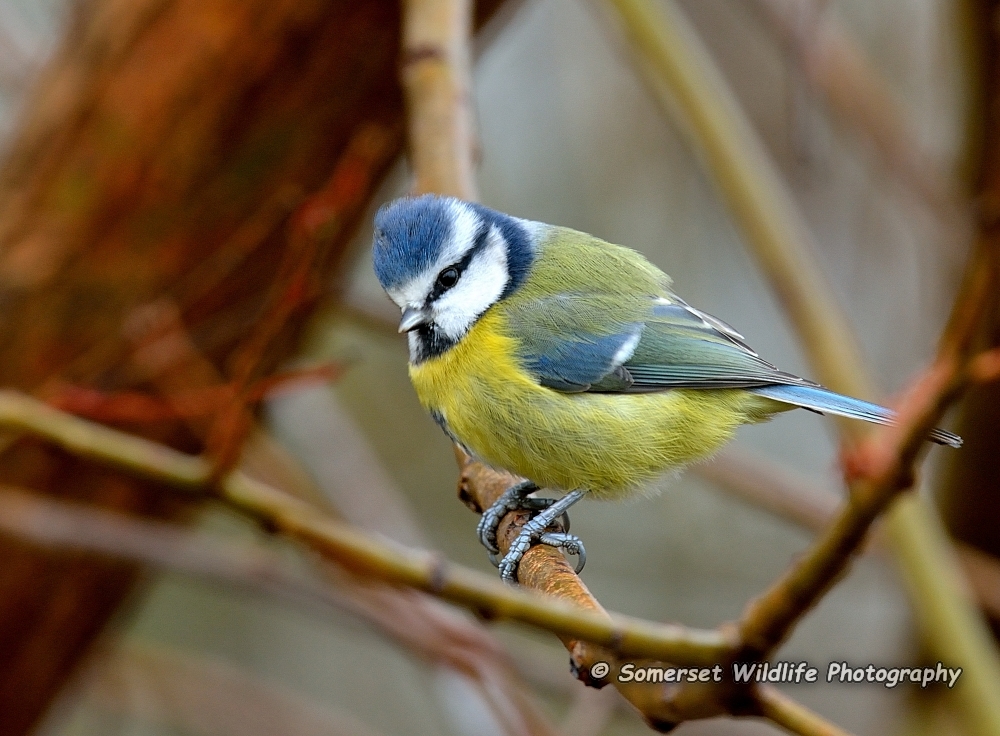
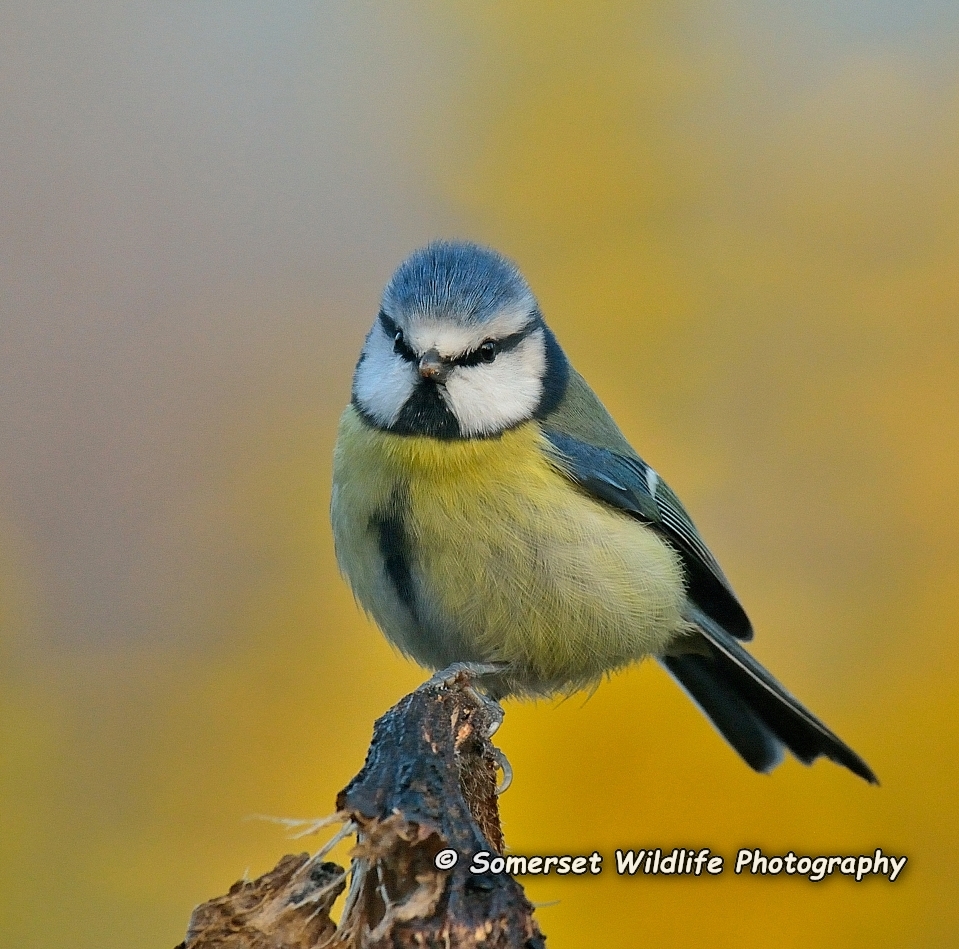
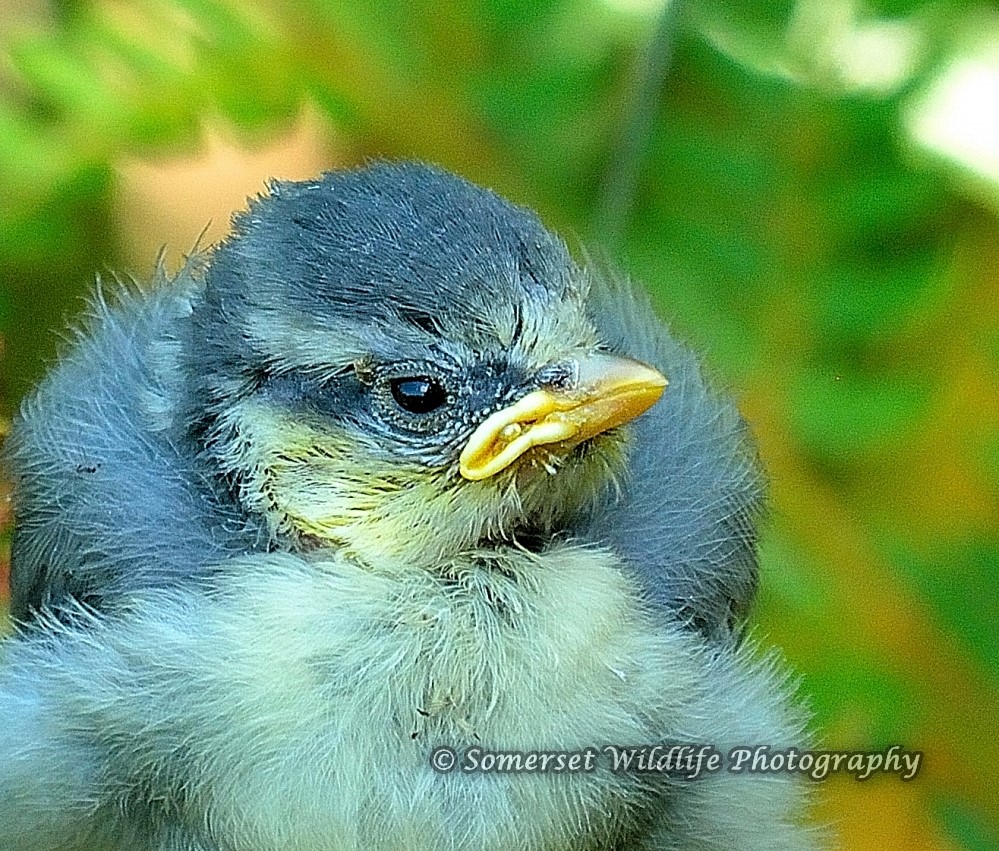
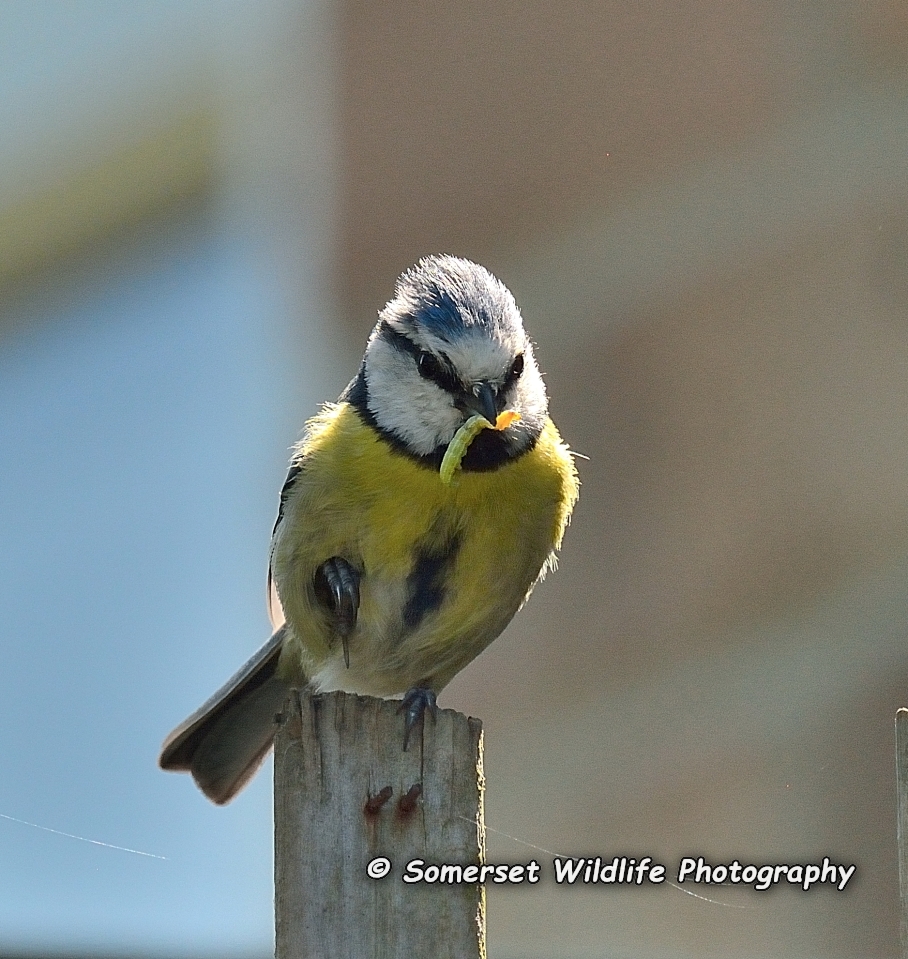
- NAME: Blue Tit – Cyanistes-caeruleus / WINGSPAN: 18cm / SOMERSET STATUS: Common and widespread – Garden resident and reliable nest box user / DIET: Insects, caterpillars, seeds and nuts /
-
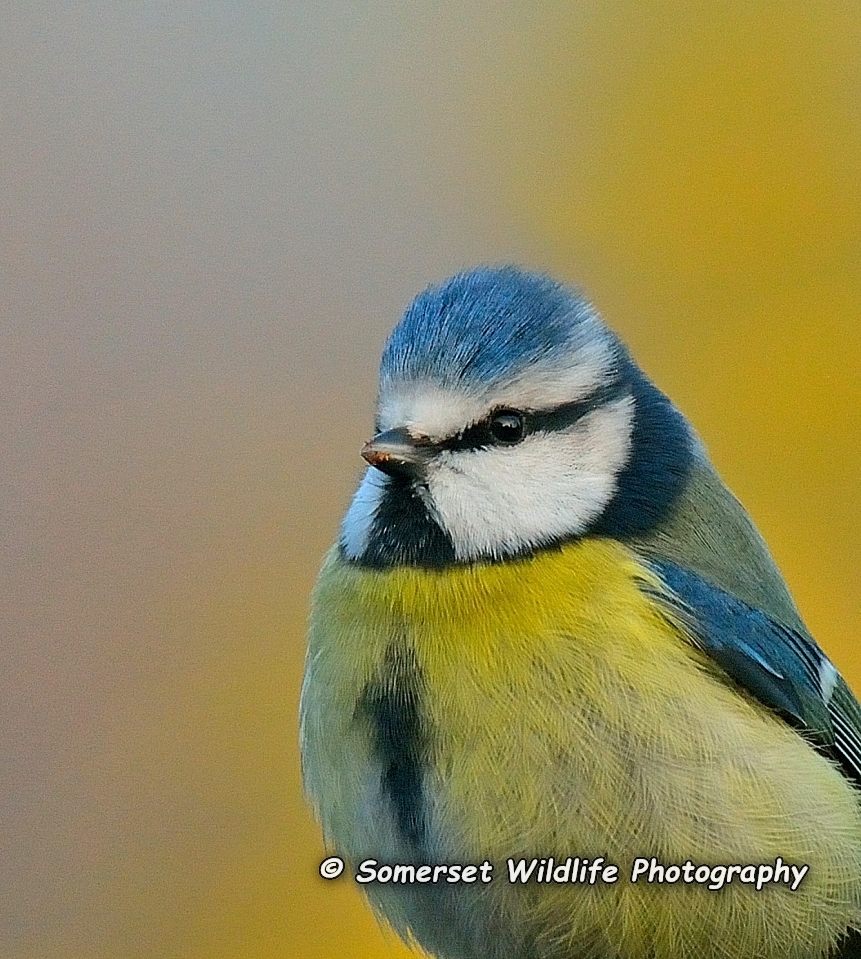
- NAME: Blue Tit – Cyanistes-caeruleus / WINGSPAN: 18cm / SOMERSET STATUS: Common and widespread – Garden resident and reliable nest box user / DIET: Insects, caterpillars, seeds and nuts /
-
- NAME: Blue Tit – Cyanistes-caeruleus / WINGSPAN: 18cm / SOMERSET STATUS: Common and widespread – Garden resident and reliable nest box user / DIET: Insects, caterpillars, seeds and nuts /
-

- NAME: Blue Tit – Cyanistes-caeruleus / WINGSPAN: 18cm / SOMERSET STATUS: Common and widespread – Garden resident and reliable nest box user / DIET: Insects, caterpillars, seeds and nuts /
-
- NAME: Blue Tit – Cyanistes-caeruleus / WINGSPAN: 18cm / SOMERSET STATUS: Common and widespread – Garden resident and reliable nest box user / DIET: Insects, caterpillars, seeds and nuts /
-
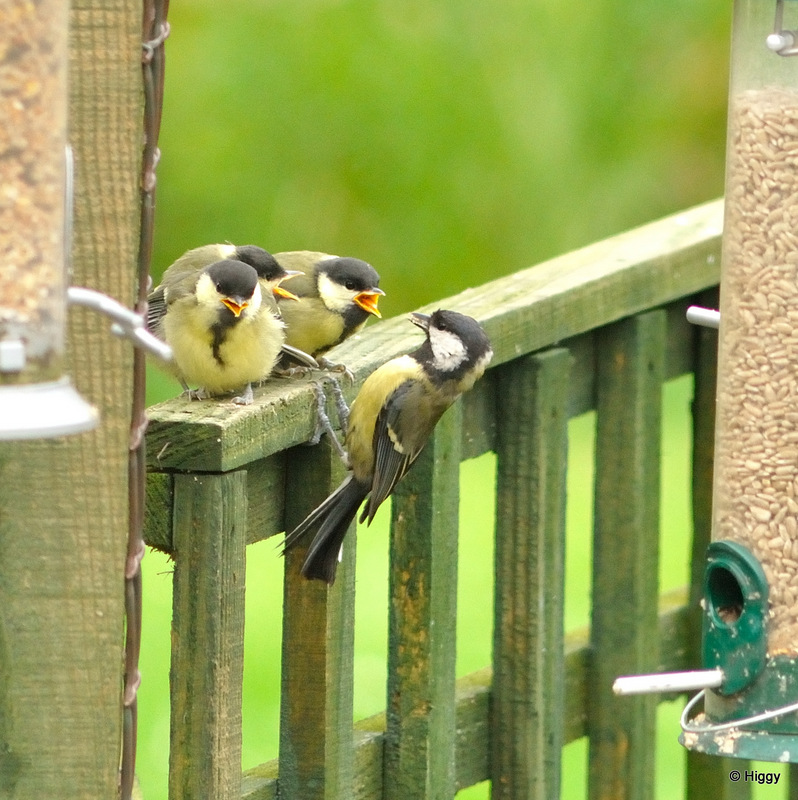
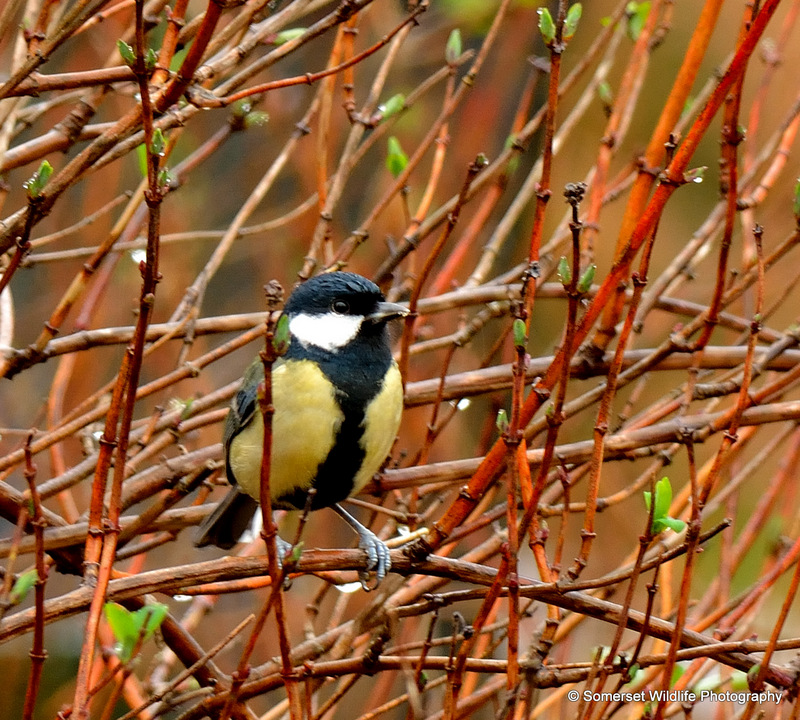
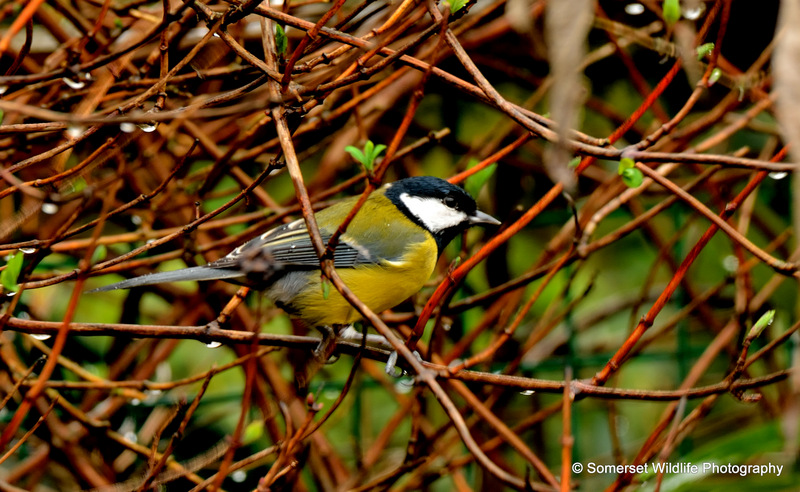
- NAME: Great Tit – Parus major / WINGSPAN: 24cm / SOMERSET STATUS: Common and widespread – Largest of the UK Tit family. Can be seen almost anywhere but a good garden visitor who will quite willingly take on a nest box if it has the correct size hole / DIET: Insects, seeds and nuts /
-
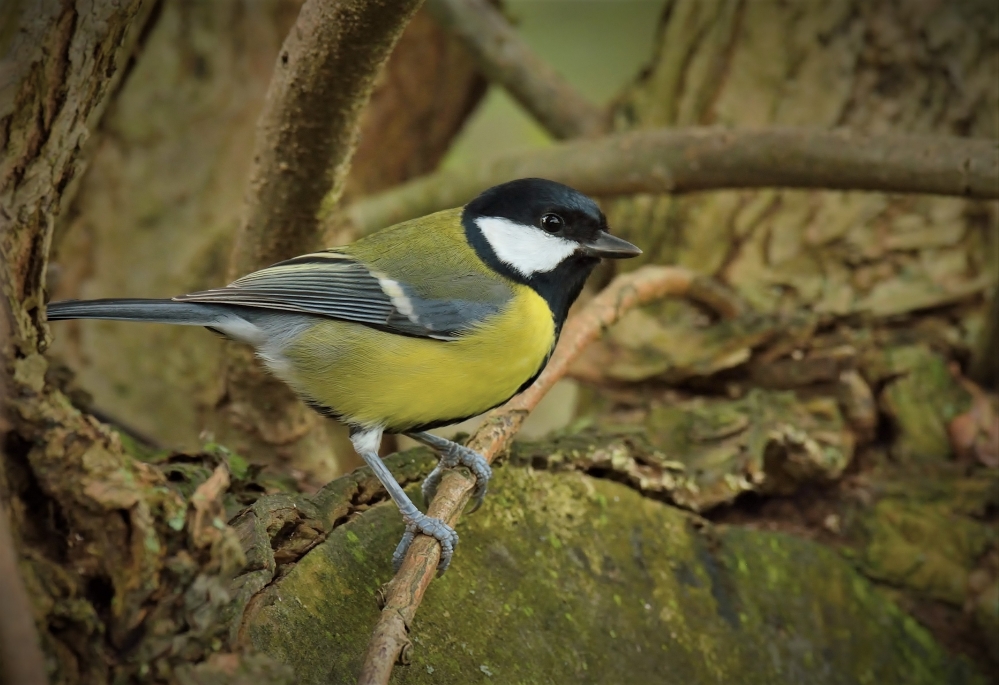
- NAME: Great Tit – Parus major / WINGSPAN: 24cm / SOMERSET STATUS: Common and widespread – Largest of the UK Tit family. Can be seen almost anywhere but a good garden visitor who will quite willingly take on a nest box if it has the correct size hole / DIET: Insects, seeds and nuts /
-
- NAME: Great Tit – Parus major / WINGSPAN: 24cm / SOMERSET STATUS: Common and widespread – Largest of the UK Tit family. Can be seen almost anywhere but a good garden visitor who will quite willingly take on a nest box if it has the correct size hole / DIET: Insects, seeds and nuts /
-
- NAME: Great Tit – Parus major / WINGSPAN: 24cm / SOMERSET STATUS: Common and widespread – Largest of the UK Tit family. Can be seen almost anywhere but a good garden visitor who will quite willingly take on a nest box if it has the correct size hole / DIET: Insects, seeds and nuts /
-
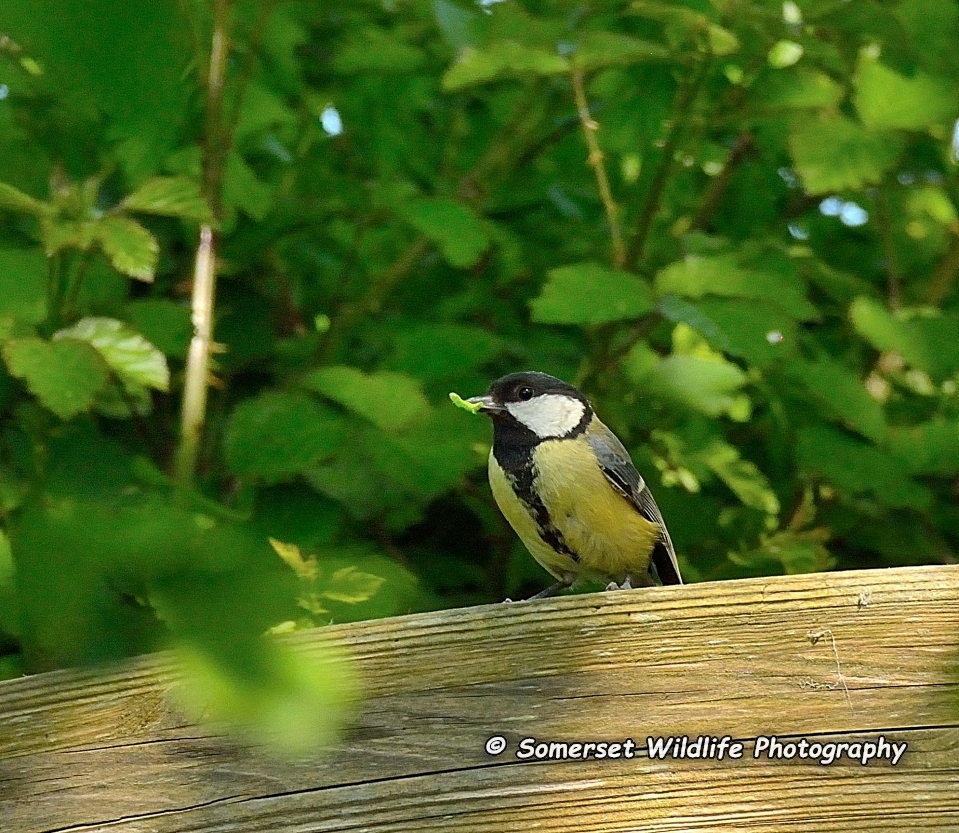
- NAME: Great Tit – Parus major / WINGSPAN: 24cm / SOMERSET STATUS: Common and widespread – Largest of the UK Tit family. Can be seen almost anywhere but a good garden visitor who will quite willingly take on a nest box if it has the correct size hole / DIET: Insects, seeds and nuts /
-
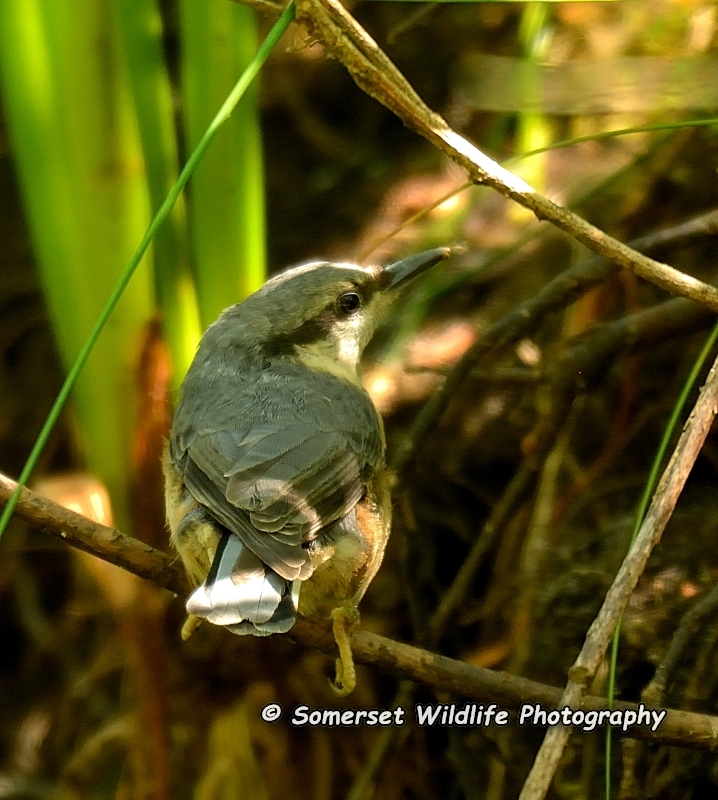
- NAME: Nuthatch – Sitta europaea / WINGSPAN: 22-27cm / SOMERSET STATUS: Found in woodland mainly but will visit garden nut feeders if not too far from it’s woodland home. It’s often seen running down tree trunks looking for insects trapped in and behind loose bark / DIET: Insects, hazel nuts, acorns, beechmast and other nuts and seed /
-
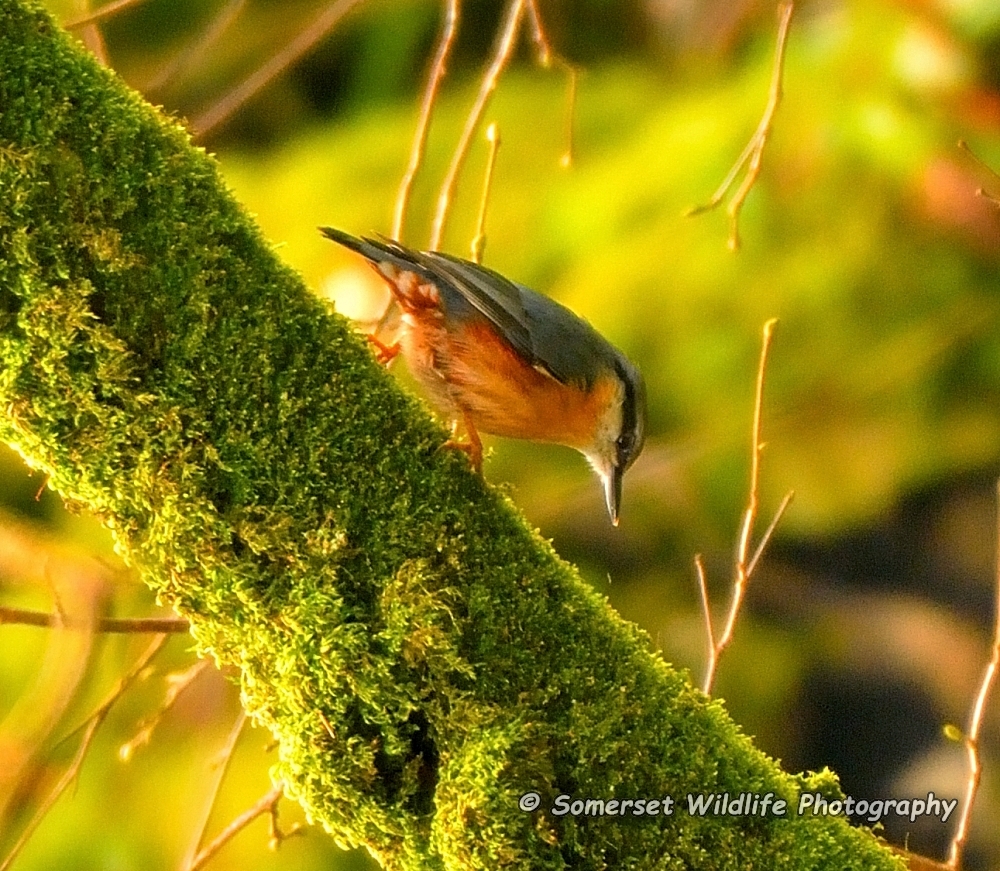
- NAME: Nuthatch – Sitta europaea / WINGSPAN: 22-27cm / SOMERSET STATUS: Found in woodland mainly but will visit garden nut feeders if not too far from it’s woodland home. It’s often seen running down tree trunks looking for insects trapped in and behind loose bark / DIET: Insects, hazel nuts, acorns, beechmast and other nuts and seed /
-
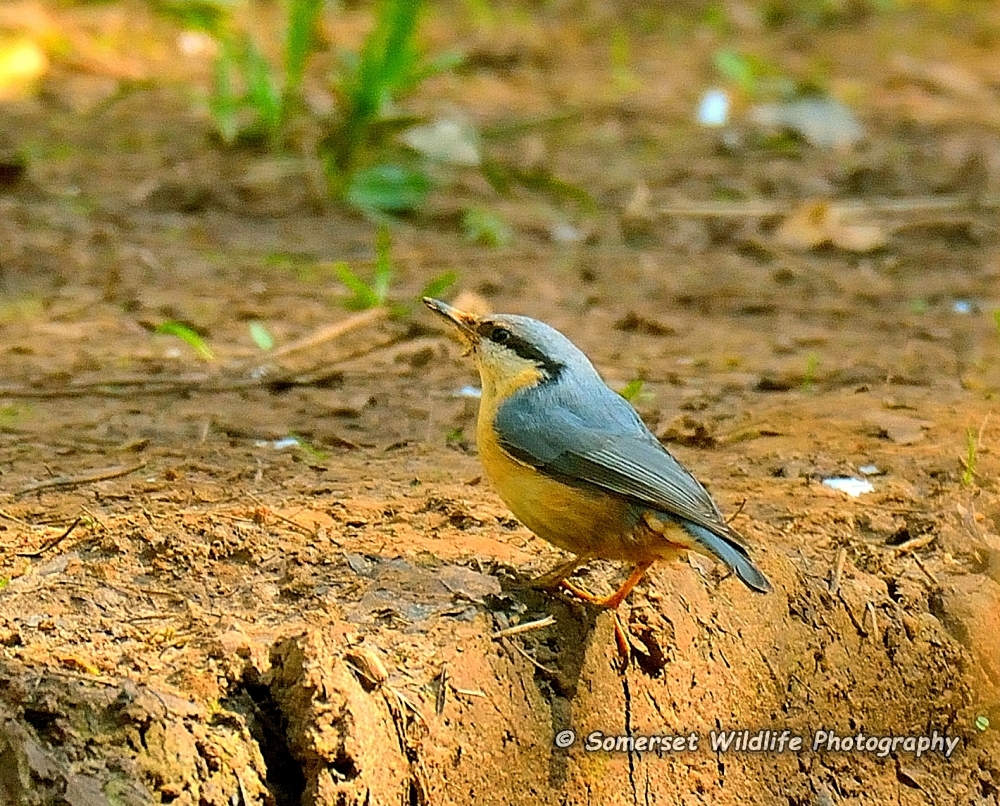
- NAME: Nuthatch – Sitta europaea / WINGSPAN: 22-27cm / SOMERSET STATUS: Found in woodland mainly but will visit garden nut feeders if not too far from it’s woodland home. It’s often seen running down tree trunks looking for insects trapped in and behind loose bark / DIET: Insects, hazel nuts, acorns, beechmast and other nuts and seed /
-
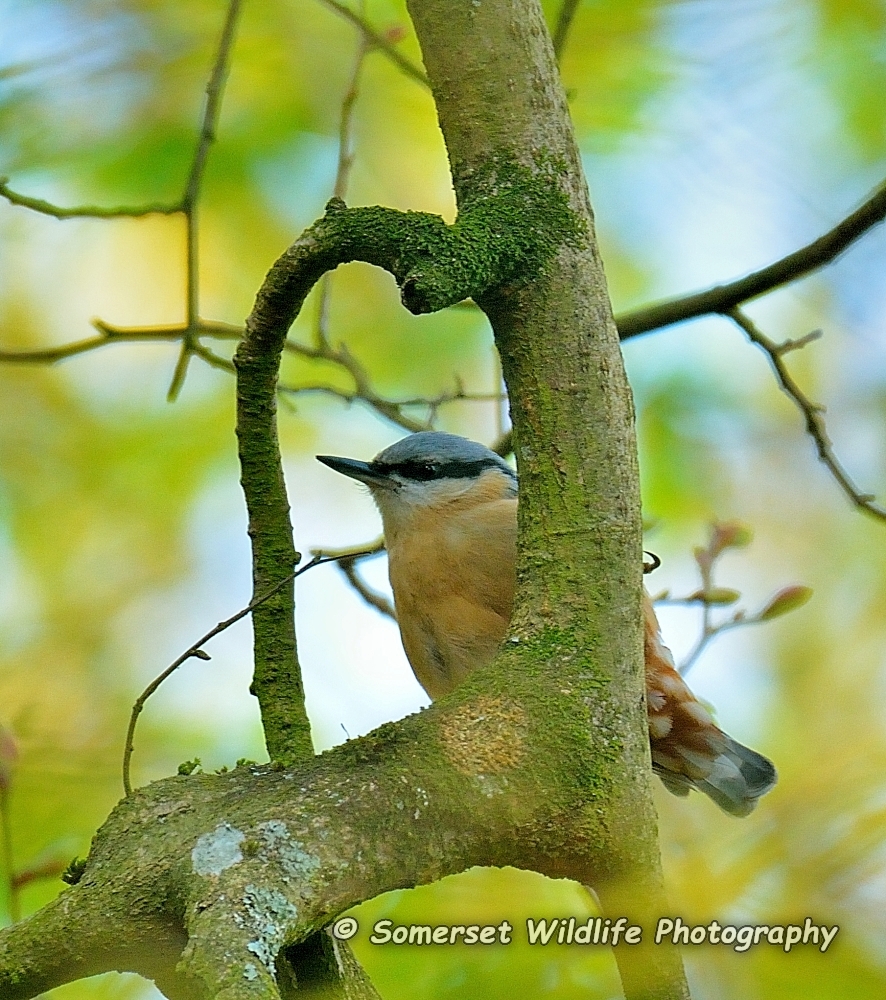
- NAME: Nuthatch – Sitta europaea / WINGSPAN: 22-27cm / SOMERSET STATUS: Found in woodland mainly but will visit garden nut feeders if not too far from it’s woodland home. It’s often seen running down tree trunks looking for insects trapped in and behind loose bark / DIET: Insects, hazel nuts, acorns, beechmast and other nuts and seed /
-
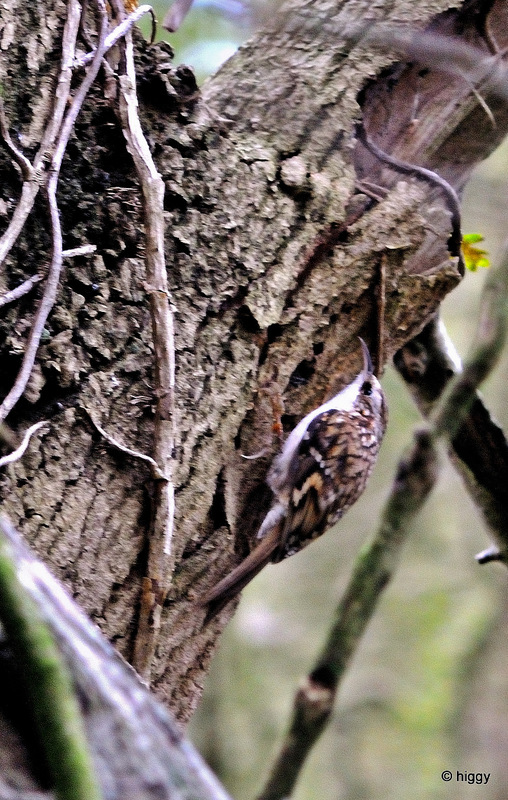
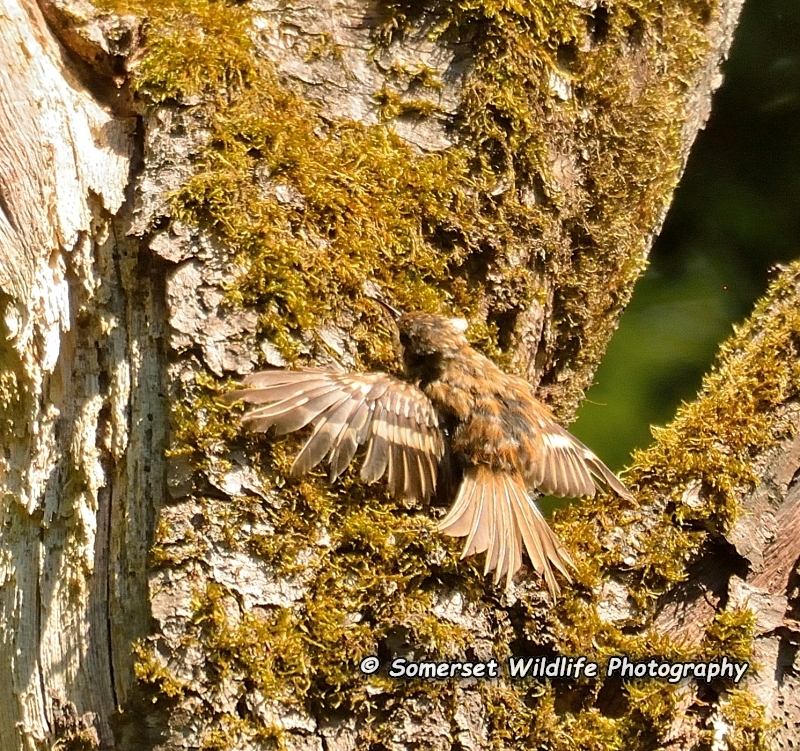
- NAME: Tree Creeper – Certhia familiaris / WINGSPAN: 18-21cm / SOMERSET STATUS: Found in woodland mainly and like the Nuthatch hunts for food in and under tree bark. However the Treecreeper will fly to the bottom of the tree and run upwards whereas the Huthatch always travels down! Seems to be doing OK with numbers appearing stable in the right wooded habitat / DIET: Insects and spiders, and some seeds in winter /
-
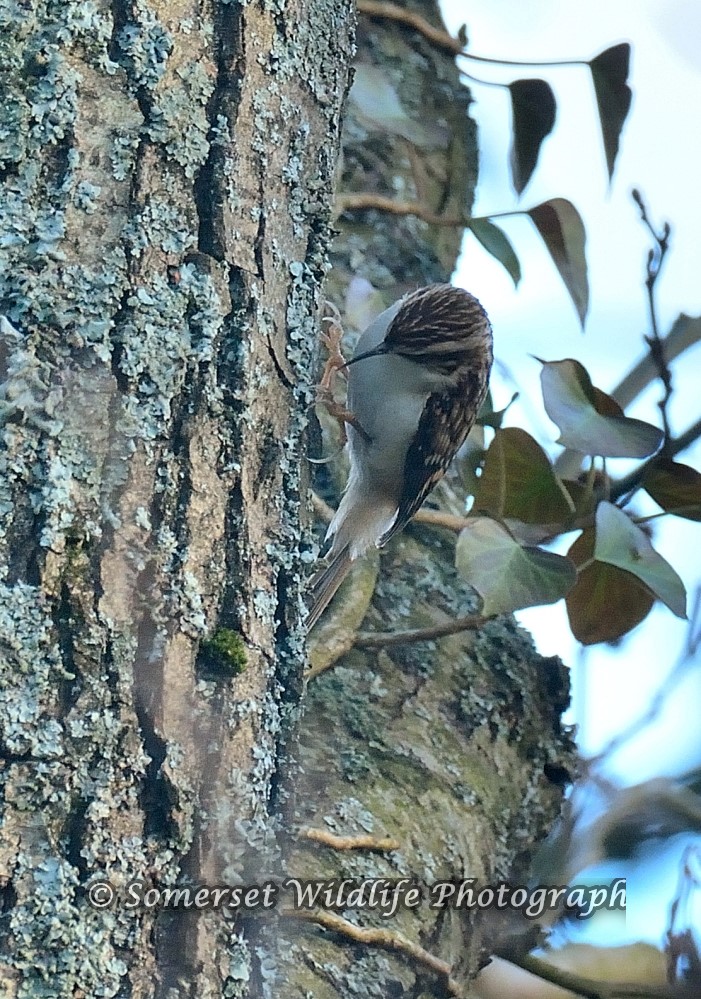
- NAME: Tree Creeper – Certhia familiaris / WINGSPAN: 18-21cm / SOMERSET STATUS: Found in woodland mainly and like the Nuthatch hunts for food in and under tree bark. However the Treecreeper will fly to the bottom of the tree and run upwards whereas the Huthatch always travels down! Seems to be doing OK with numbers appearing stable in the right wooded habitat / DIET: Insects and spiders, and some seeds in winter /
-
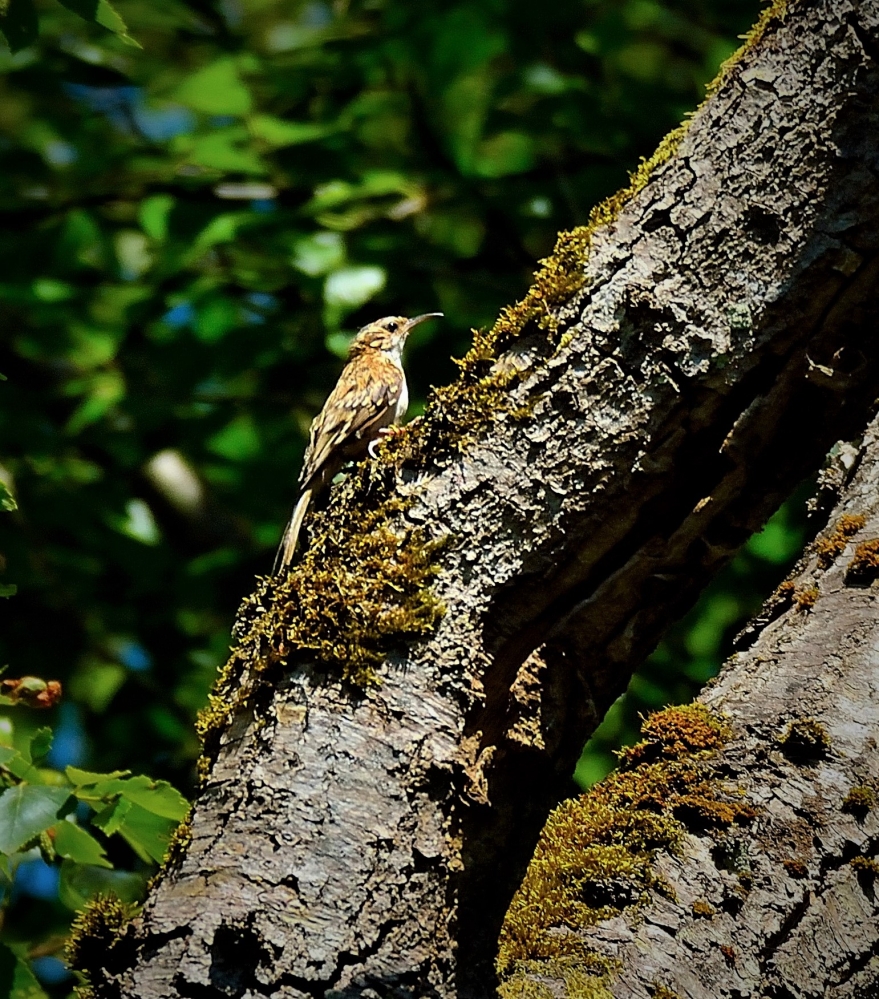
- NAME: Tree Creeper – Certhia familiaris / WINGSPAN: 18-21cm / SOMERSET STATUS: Found in woodland mainly and like the Nuthatch hunts for food in and under tree bark. However the Treecreeper will fly to the bottom of the tree and run upwards whereas the Huthatch always travels down! Seems to be doing OK with numbers appearing stable in the right wooded habitat / DIET: Insects and spiders, and some seeds in winter /
-
- NAME: Tree Creeper – Certhia familiaris / WINGSPAN: 18-21cm / SOMERSET STATUS: Found in woodland mainly and like the Nuthatch hunts for food in and under tree bark. However the Treecreeper will fly to the bottom of the tree and run upwards whereas the Huthatch always travels down! Seems to be doing OK with numbers appearing stable in the right wooded habitat / DIET: Insects and spiders, and some seeds in winter /
-
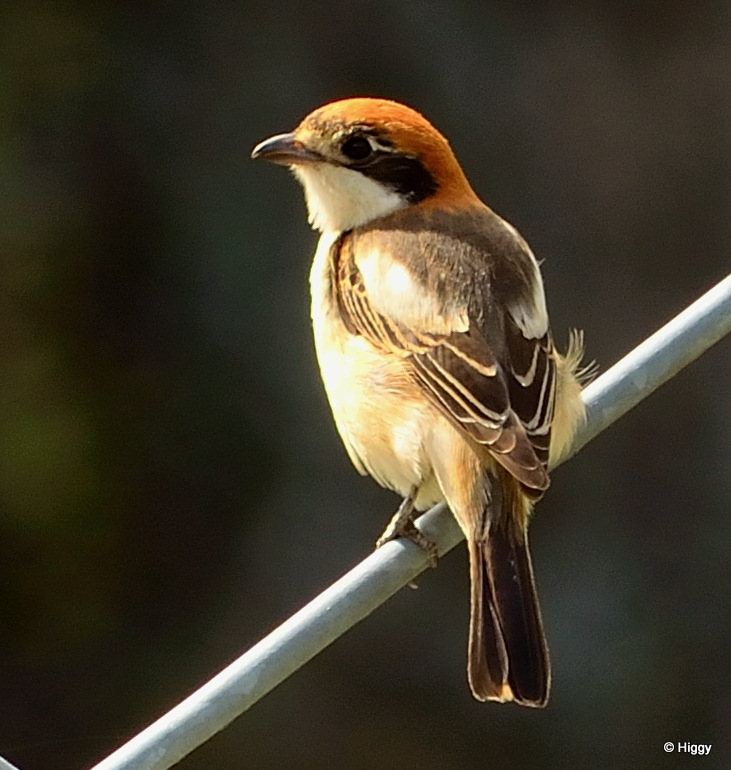
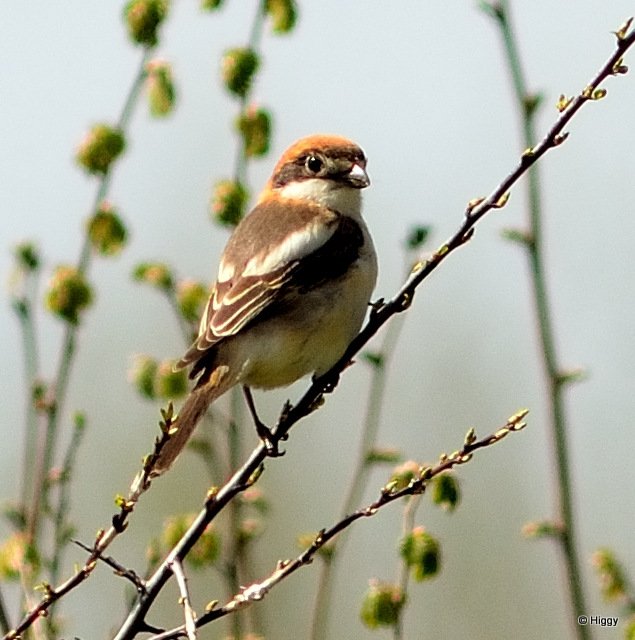
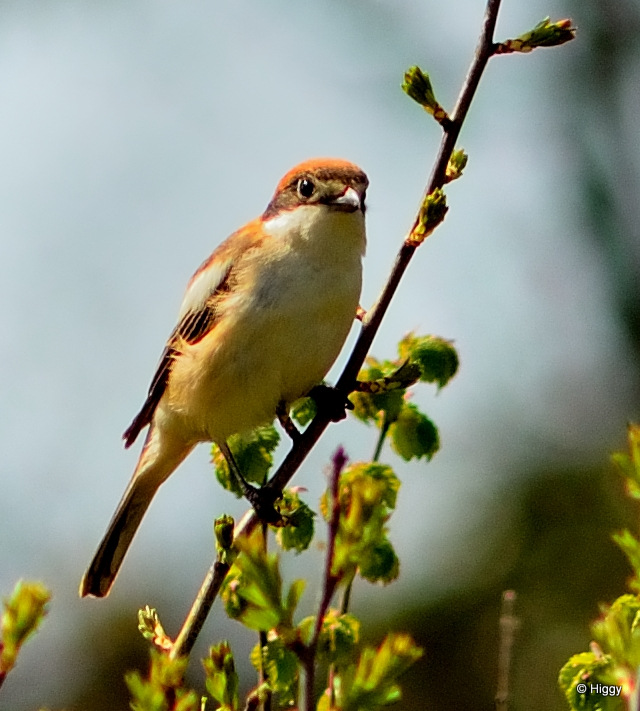
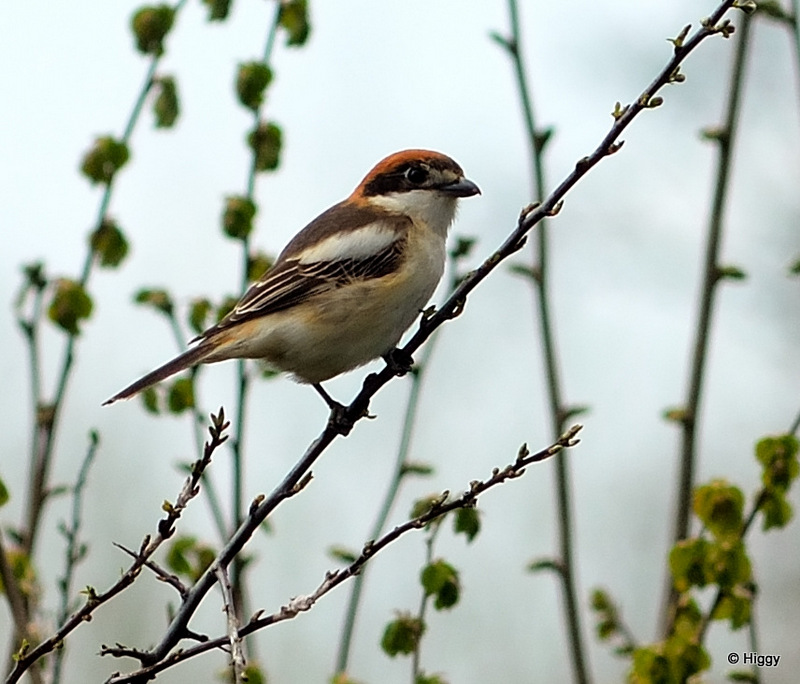
- NAME: Woodchat Shrike – Lanius senator / WINGSPAN: 27cm / SOMERSET STATUS: Very very rare migrant visitor with only six recorded visits to the Uk. One turned up at Chew Valley lake in 2016 and is potentially a one in a lifetime sighting. However you never know… / DIET: Mainly insects, esp. beetles, butterflies occ. small vertebrates, hunts from perch /
-

- NAME: Woodchat Shrike – Lanius senator / WINGSPAN: 27cm / SOMERSET STATUS: Very very rare migrant visitor with only six recorded visits to the Uk. One turned up at Chew Valley lake in 2016 and is potentially a one in a lifetime sighting. However you never know… / DIET: Mainly insects, esp. beetles, butterflies occ. small vertebrates, hunts from perch /
-
- NAME: Woodchat Shrike – Lanius senator / WINGSPAN: 27cm / SOMERSET STATUS: Very very rare migrant visitor with only six recorded visits to the Uk. One turned up at Chew Valley lake in 2016 and is potentially a one in a lifetime sighting. However you never know… / DIET: Mainly insects, esp. beetles, butterflies occ. small vertebrates, hunts from perch /
-
- NAME: Woodchat Shrike – Lanius senator / WINGSPAN: 27cm / SOMERSET STATUS: Very very rare migrant visitor with only six recorded visits to the Uk. One turned up at Chew Valley lake in 2016 and is potentially a one in a lifetime sighting. However you never know… / DIET: Mainly insects, esp. beetles, butterflies occ. small vertebrates, hunts from perch /
-
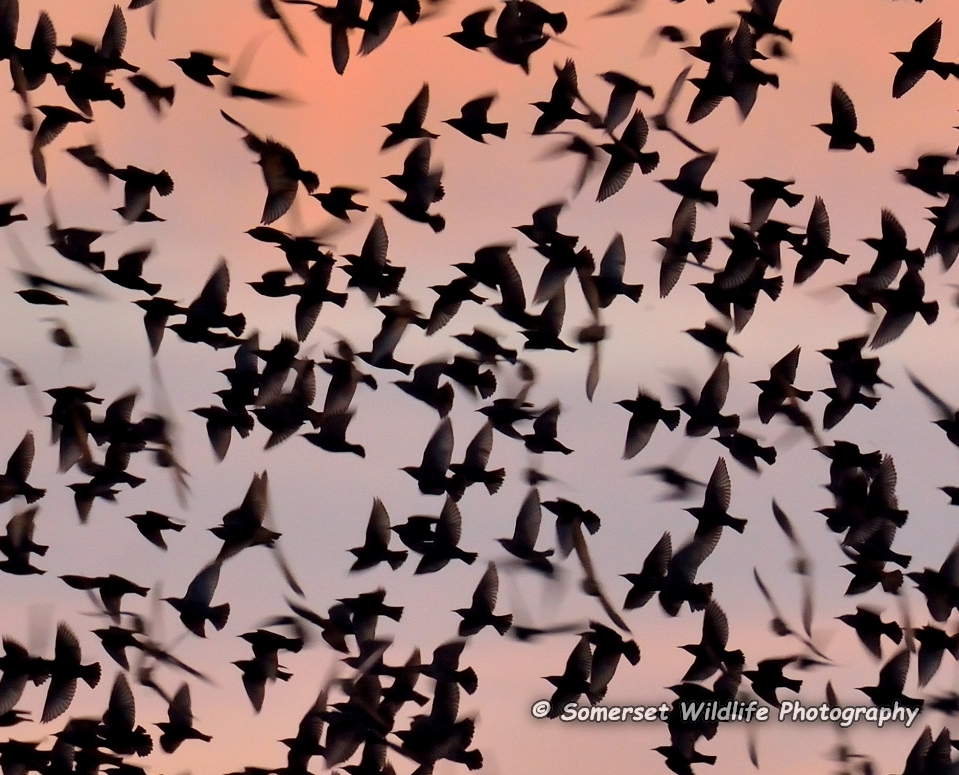
- NAME: Starling – Sturnus vulgaris / WINGSPAN: 37-42cm / SOMERSET STATUS: A UK Rest listed bird but doing well in Somerset after huge declines. The Somerset Levels and surrounding flat marsh land make it perfect for large flocks to land and probe for insects and worms. Do not visit Somerset without seeing the huge murmurations on the Somerset Levels at Shapwick Heath and Westhay nature reserves, it really is a sight that everyone should see at least once! / DIET: Invertebrates and fruit /
-
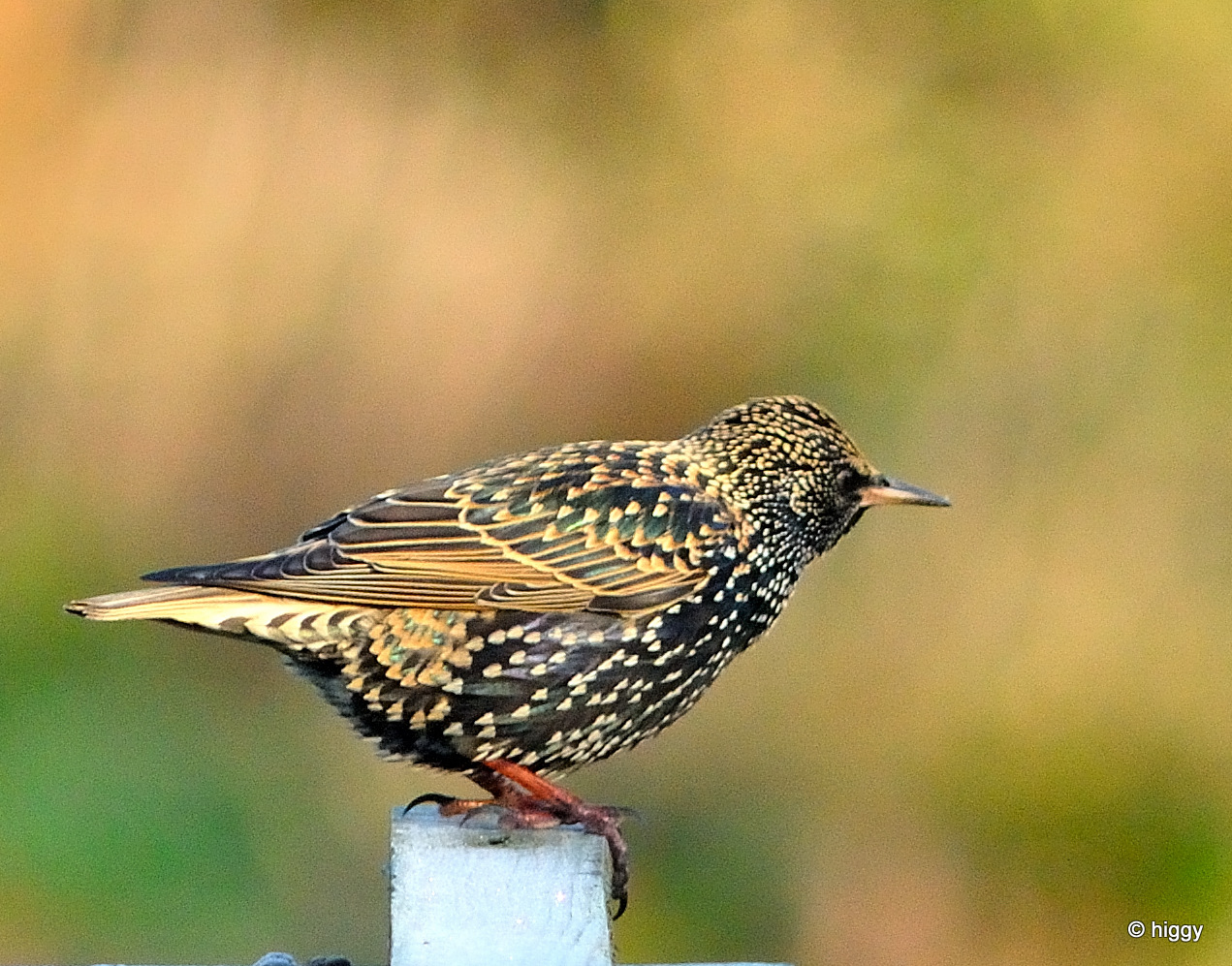
- NAME: Starling – Sturnus vulgaris / WINGSPAN: 37-42cm / SOMERSET STATUS: A UK Rest listed bird but doing well in Somerset after huge declines. The Somerset Levels and surrounding flat marsh land make it perfect for large flocks to land and probe for insects and worms. Do not visit Somerset without seeing the huge murmurations on the Somerset Levels at Shapwick Heath and Westhay nature reserves, it really is a sight that everyone should see at least once! / DIET: Invertebrates and fruit /
-
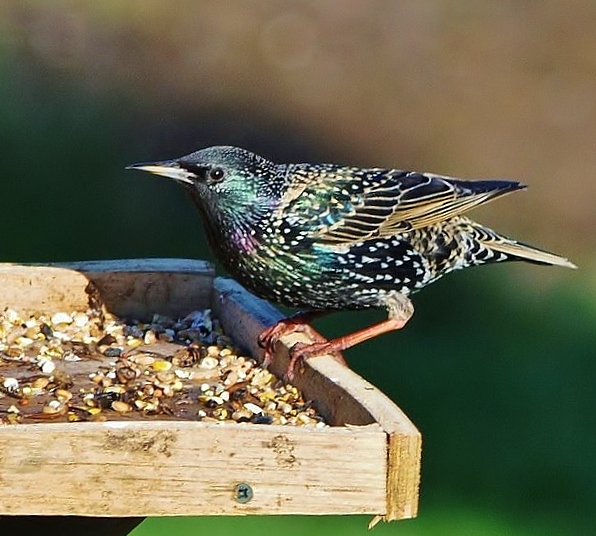
- NAME: Starling – Sturnus vulgaris / WINGSPAN: 37-42cm / SOMERSET STATUS: A UK Rest listed bird but doing well in Somerset after huge declines. The Somerset Levels and surrounding flat marsh land make it perfect for large flocks to land and probe for insects and worms. Do not visit Somerset without seeing the huge murmurations on the Somerset Levels at Shapwick Heath and Westhay nature reserves, it really is a sight that everyone should see at least once! / DIET: Invertebrates and fruit /
-
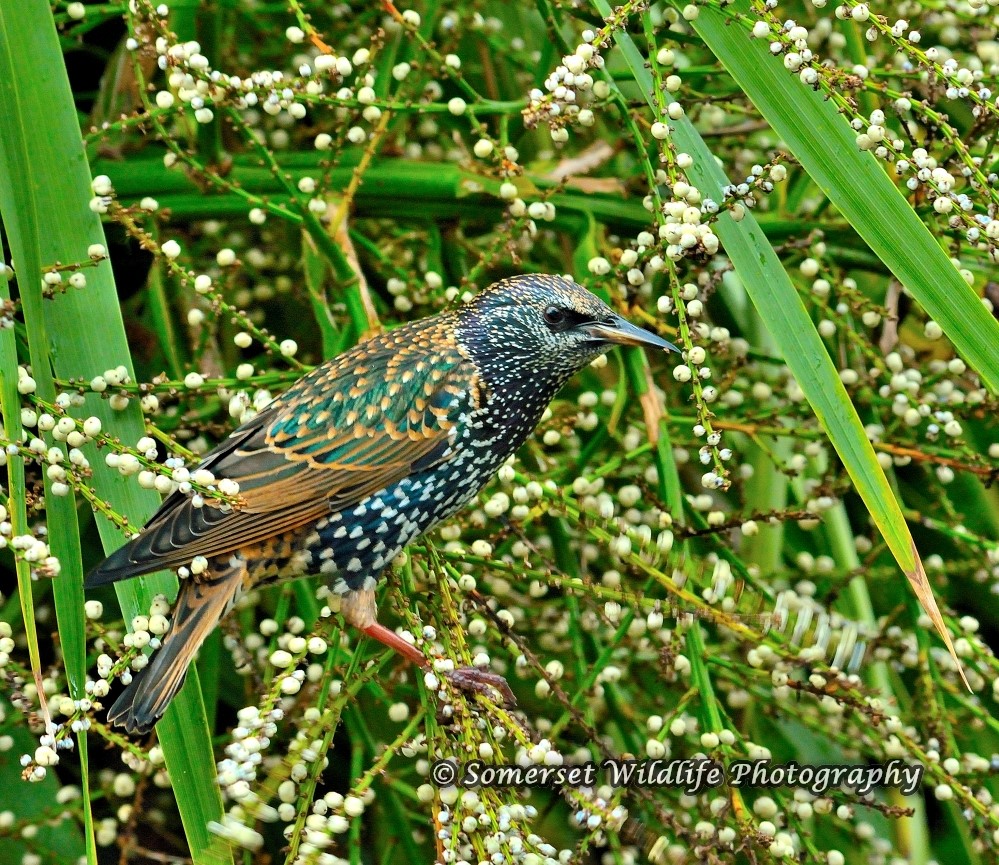
- NAME: Starling – Sturnus vulgaris / WINGSPAN: 37-42cm / SOMERSET STATUS: A UK Rest listed bird but doing well in Somerset after huge declines. The Somerset Levels and surrounding flat marsh land make it perfect for large flocks to land and probe for insects and worms. Do not visit Somerset without seeing the huge murmurations on the Somerset Levels at Shapwick Heath and Westhay nature reserves, it really is a sight that everyone should see at least once! / DIET: Invertebrates and fruit /
-
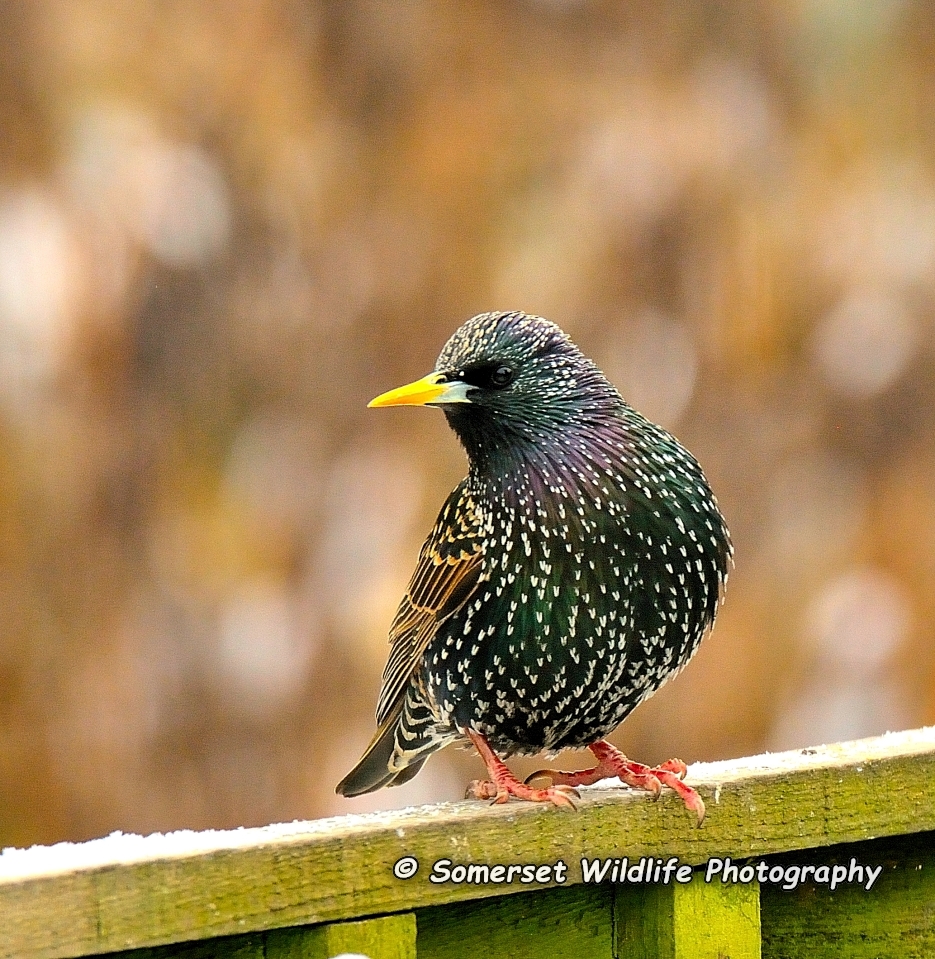
- NAME: Starling – Sturnus vulgaris / WINGSPAN: 37-42cm / SOMERSET STATUS: A UK Rest listed bird but doing well in Somerset after huge declines. The Somerset Levels and surrounding flat marsh land make it perfect for large flocks to land and probe for insects and worms. Do not visit Somerset without seeing the huge murmurations on the Somerset Levels at Shapwick Heath and Westhay nature reserves, it really is a sight that everyone should see at least once! / DIET: Invertebrates and fruit /
-
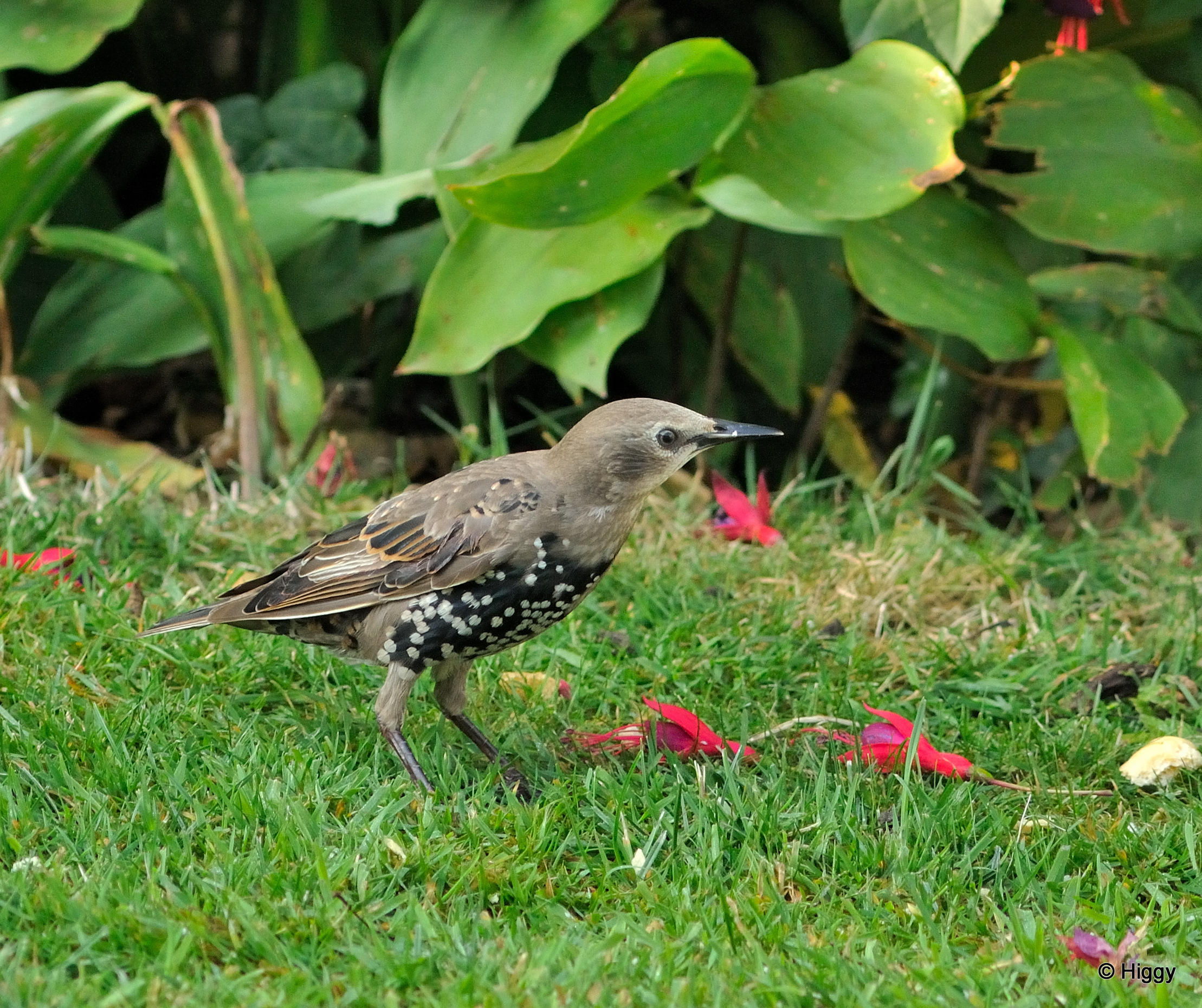
- NAME: Starling – Sturnus vulgaris / WINGSPAN: 37-42cm / SOMERSET STATUS: A UK Rest listed bird but doing well in Somerset after huge declines. The Somerset Levels and surrounding flat marsh land make it perfect for large flocks to land and probe for insects and worms. Do not visit Somerset without seeing the huge murmurations on the Somerset Levels at Shapwick Heath and Westhay nature reserves, it really is a sight that everyone should see at least once! / DIET: Invertebrates and fruit /
-
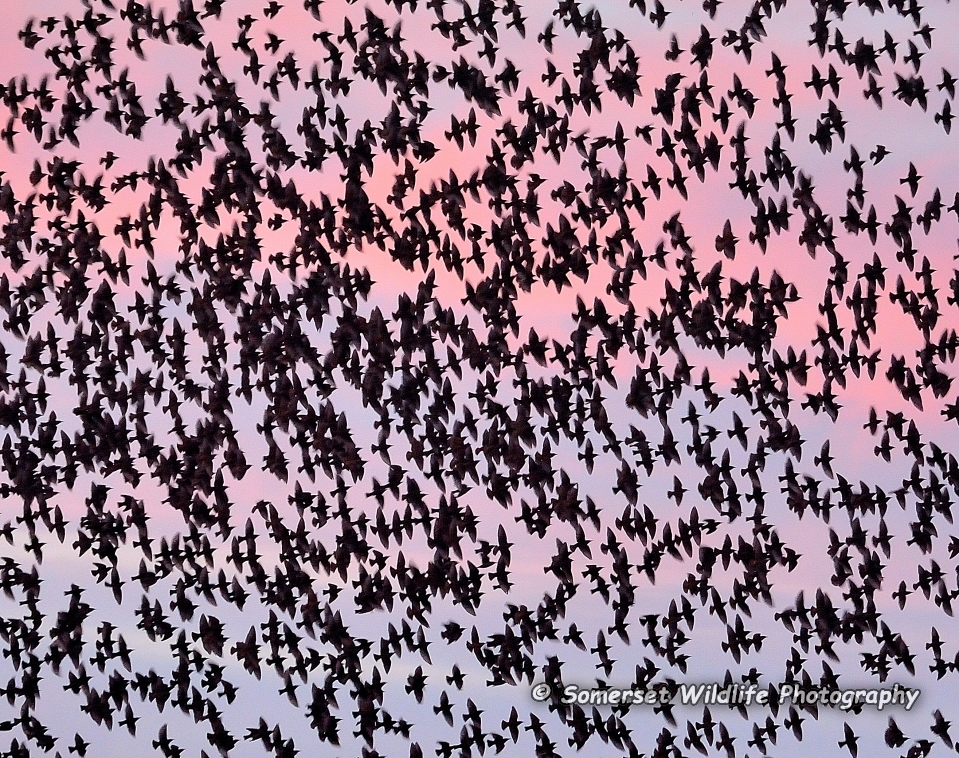
- NAME: Starling – Sturnus vulgaris / WINGSPAN: 37-42cm / SOMERSET STATUS: A UK Rest listed bird but doing well in Somerset after huge declines. The Somerset Levels and surrounding flat marsh land make it perfect for large flocks to land and probe for insects and worms. Do not visit Somerset without seeing the huge murmurations on the Somerset Levels at Shapwick Heath and Westhay nature reserves, it really is a sight that everyone should see at least once! / DIET: Invertebrates and fruit /
-
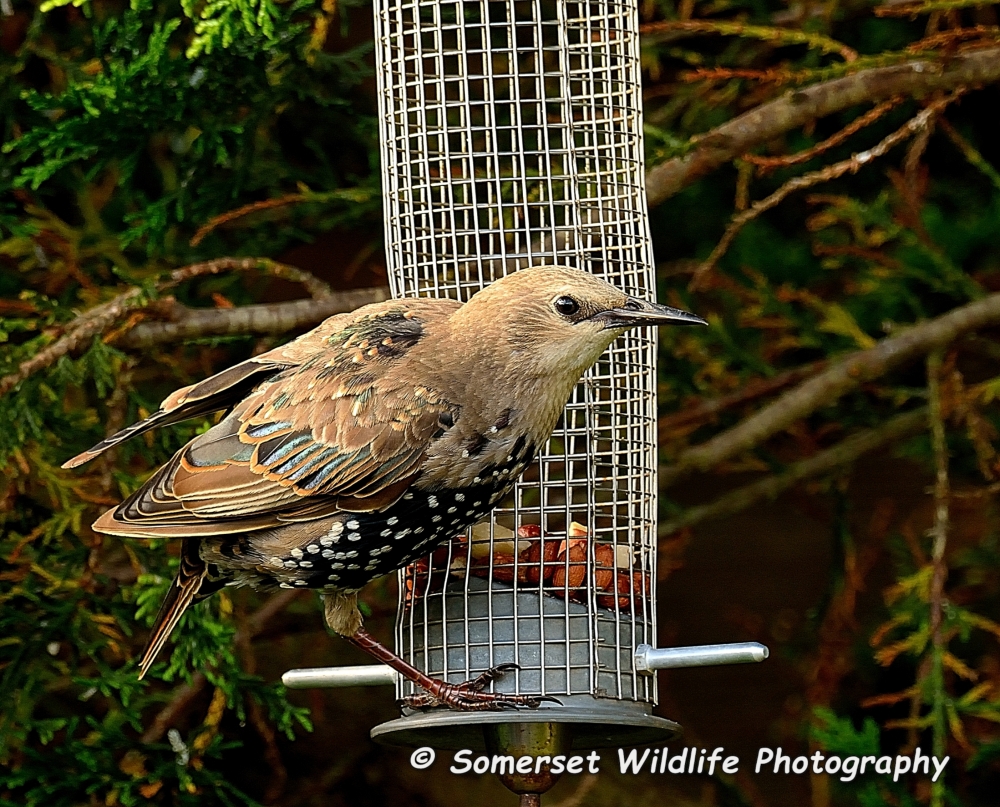
- NAME: Starling – Sturnus vulgaris / WINGSPAN: 37-42cm / SOMERSET STATUS: A UK Rest listed bird but doing well in Somerset after huge declines. The Somerset Levels and surrounding flat marsh land make it perfect for large flocks to land and probe for insects and worms. Do not visit Somerset without seeing the huge murmurations on the Somerset Levels at Shapwick Heath and Westhay nature reserves, it really is a sight that everyone should see at least once! / DIET: Invertebrates and fruit /
-
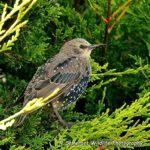
- NAME: Starling – Sturnus vulgaris / WINGSPAN: 37-42cm / SOMERSET STATUS: A UK Rest listed bird but doing well in Somerset after huge declines. The Somerset Levels and surrounding flat marsh land make it perfect for large flocks to land and probe for insects and worms. Do not visit Somerset without seeing the huge murmurations on the Somerset Levels at Shapwick Heath and Westhay nature reserves, it really is a sight that everyone should see at least once! / DIET: Invertebrates and fruit /

-
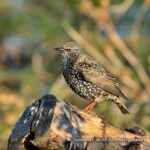
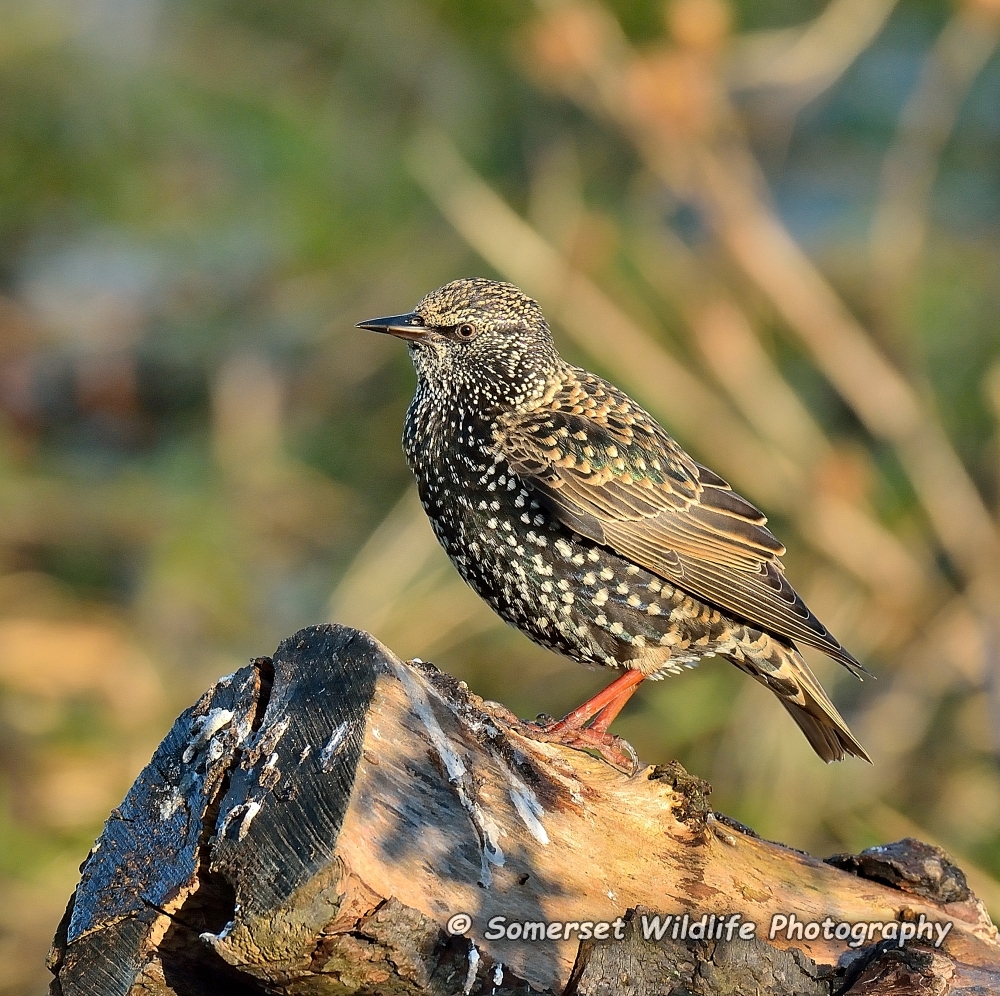
- NAME: Starling – Sturnus vulgaris / WINGSPAN: 37-42cm / SOMERSET STATUS: A UK Rest listed bird but doing well in Somerset after huge declines. The Somerset Levels and surrounding flat marsh land make it perfect for large flocks to land and probe for insects and worms. Do not visit Somerset without seeing the huge murmurations on the Somerset Levels at Shapwick Heath and Westhay nature reserves, it really is a sight that everyone should see at least once! / DIET: Invertebrates and fruit /
-
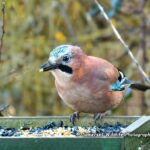
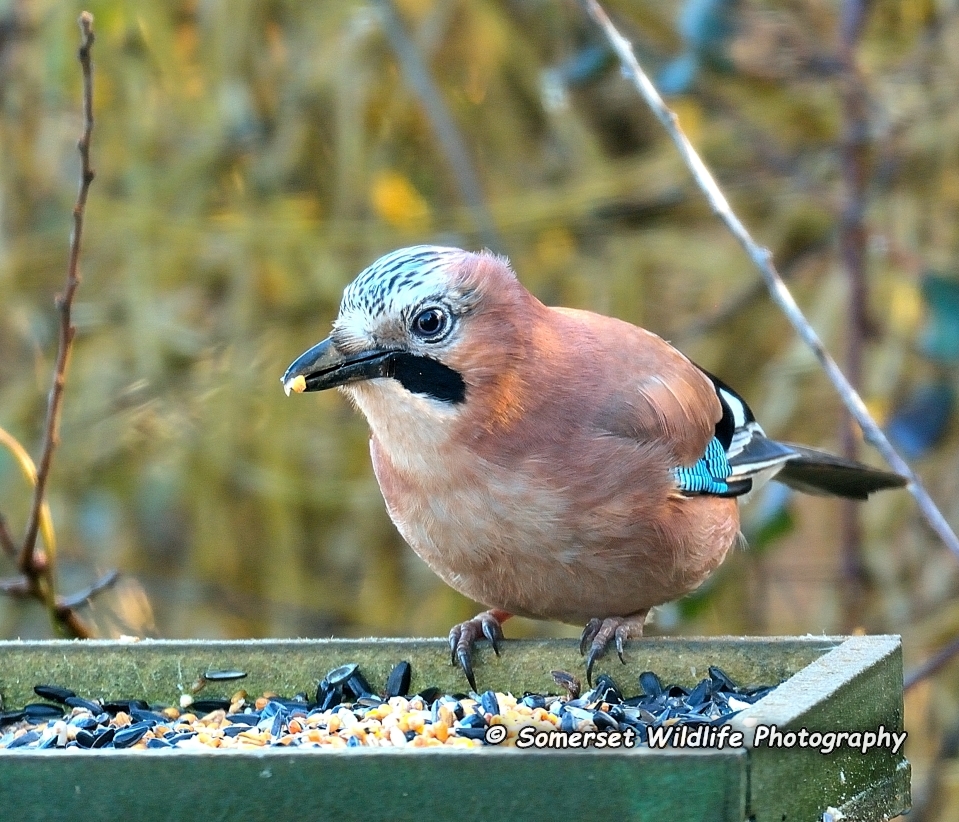
- NAME: Jay – Garrulus glandarius / WINGSPAN: 52-28cm / SOMERSET STATUS: Common and widespread, but a shy woodland bird that can be quite evasive. Famous for hiding acorns that they dig up later / DIET: Mainly acorns, nuts, seeds and insects, but also eats nestlings of other birds and small mammals /
-
- NAME: Jay – Garrulus glandarius / WINGSPAN: 52-28cm / SOMERSET STATUS: Common and widespread, but a shy woodland bird that can be quite evasive. Famous for hiding acorns that they dig up later / DIET: Mainly acorns, nuts, seeds and insects, but also eats nestlings of other birds and small mammals /
-
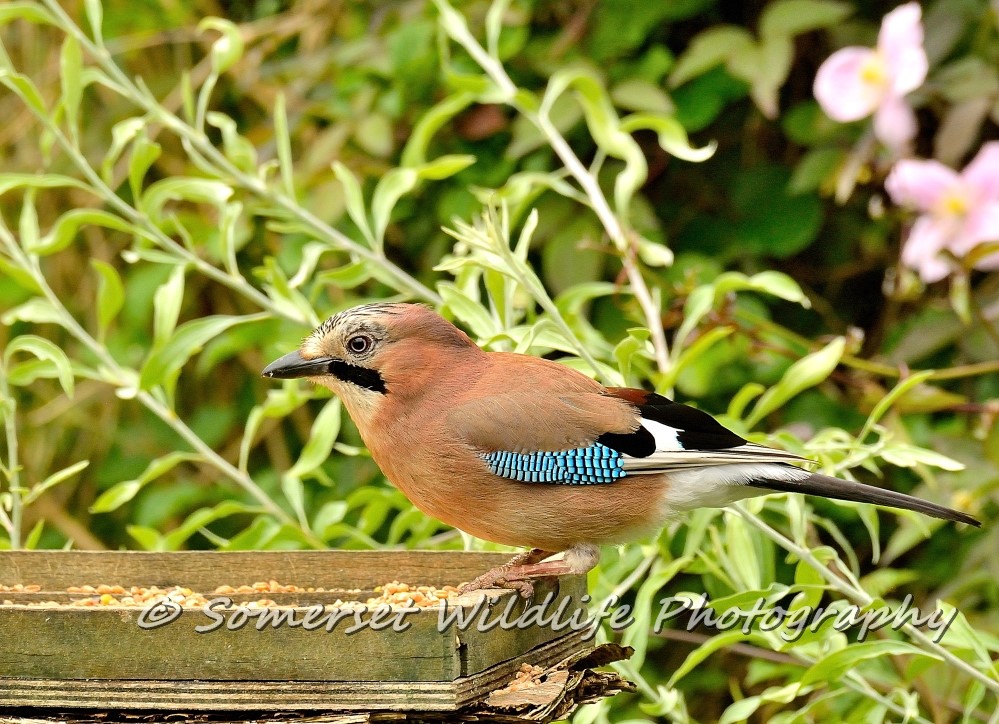
- NAME: Jay – Garrulus glandarius / WINGSPAN: 52-28cm / SOMERSET STATUS: Common and widespread, but a shy woodland bird that can be quite evasive. Famous for hiding acorns that they dig up later / DIET: Mainly acorns, nuts, seeds and insects, but also eats nestlings of other birds and small mammals /

-
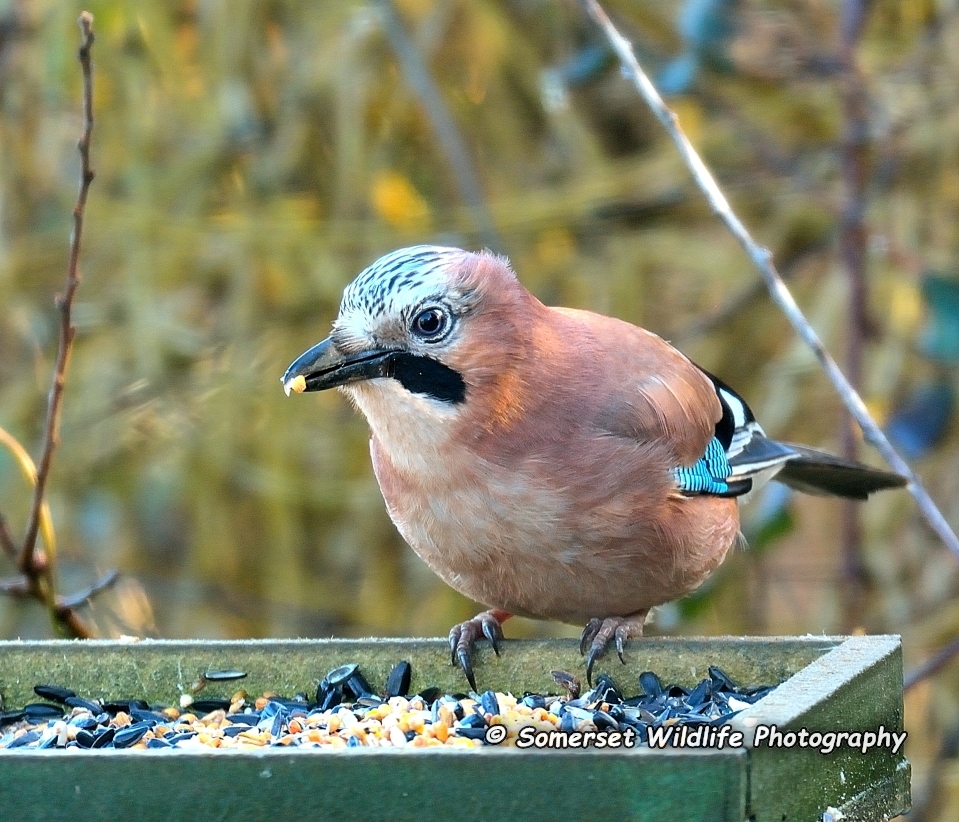
- NAME: Jay – Garrulus glandarius / WINGSPAN: 52-28cm / SOMERSET STATUS: Common and widespread, but a shy woodland bird that can be quite evasive. Famous for hiding acorns that they dig up later / DIET: Mainly acorns, nuts, seeds and insects, but also eats nestlings of other birds and small mammals /
-
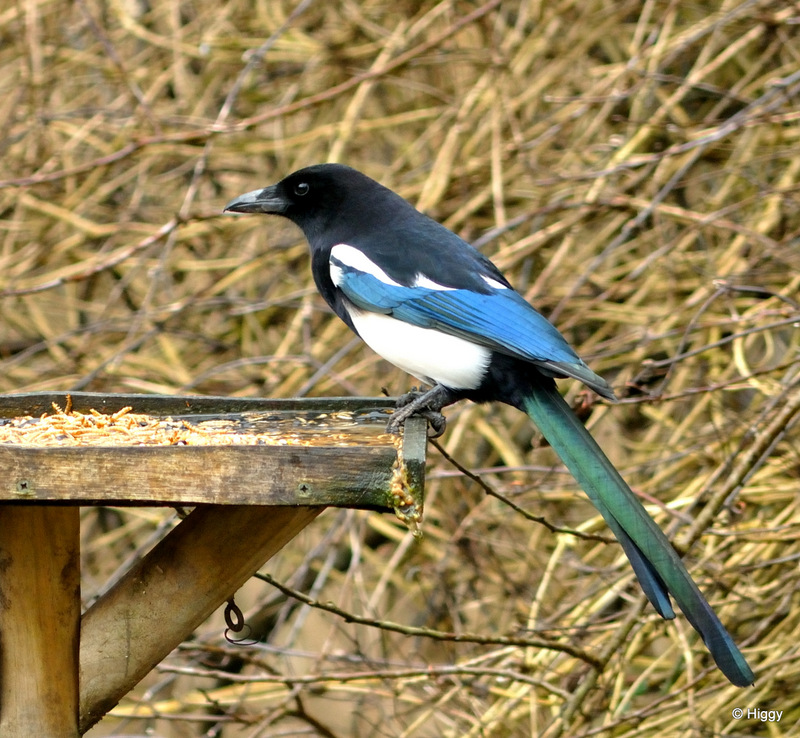
- NAME: Magpie – Pica pica / WINGSPAN: 52-60cm / SOMERSET STATUS: Common and widespread, A cheeky scavenger that can be seen in large numbers on wetland fields in winter. Regular garden visitor who always welcomes a fight on the bird table! / DIET: Omnivore and scavenger /
-
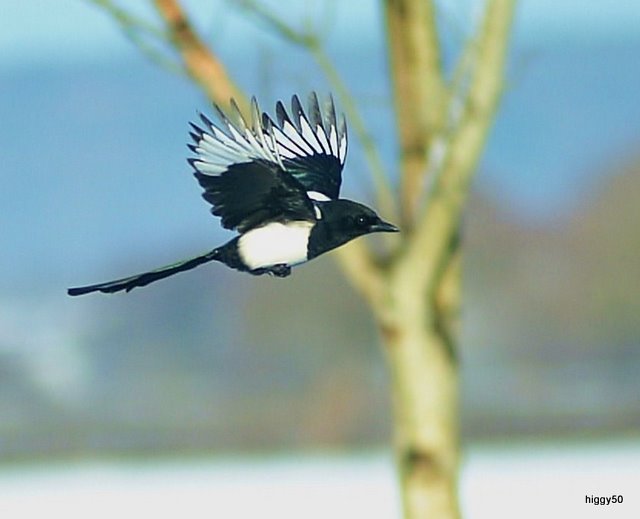
- NAME: Magpie – Pica pica / WINGSPAN: 52-60cm / SOMERSET STATUS: Common and widespread, A cheeky scavenger that can be seen in large numbers on wetland fields in winter. Regular garden visitor who always welcomes a fight on the bird table! / DIET: Omnivore and scavenger /
-
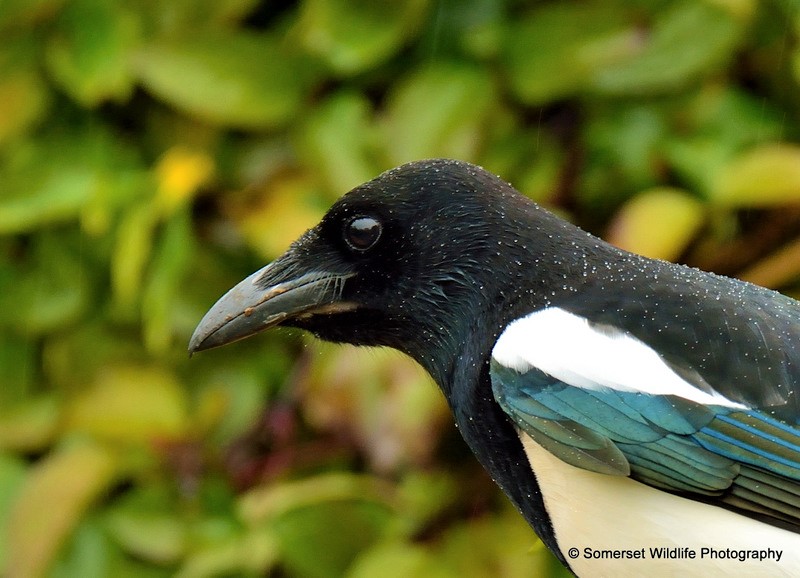
- NAME: Magpie – Pica pica / WINGSPAN: 52-60cm / SOMERSET STATUS: Common and widespread, A cheeky scavenger that can be seen in large numbers on wetland fields in winter. Regular garden visitor who always welcomes a fight on the bird table! / DIET: Omnivore and scavenger /
-
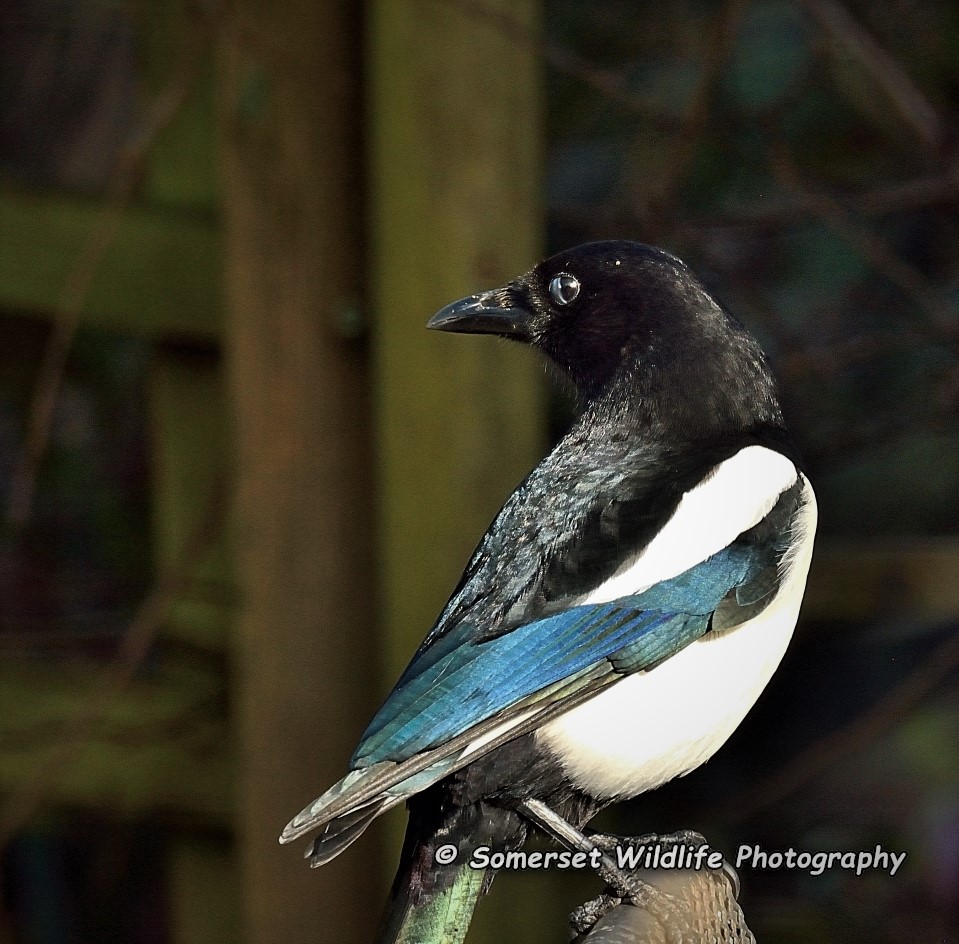
- NAME: Magpie – Pica pica / WINGSPAN: 52-60cm / SOMERSET STATUS: Common and widespread, A cheeky scavenger that can be seen in large numbers on wetland fields in winter. Regular garden visitor who always welcomes a fight on the bird table! / DIET: Omnivore and scavenger /
-
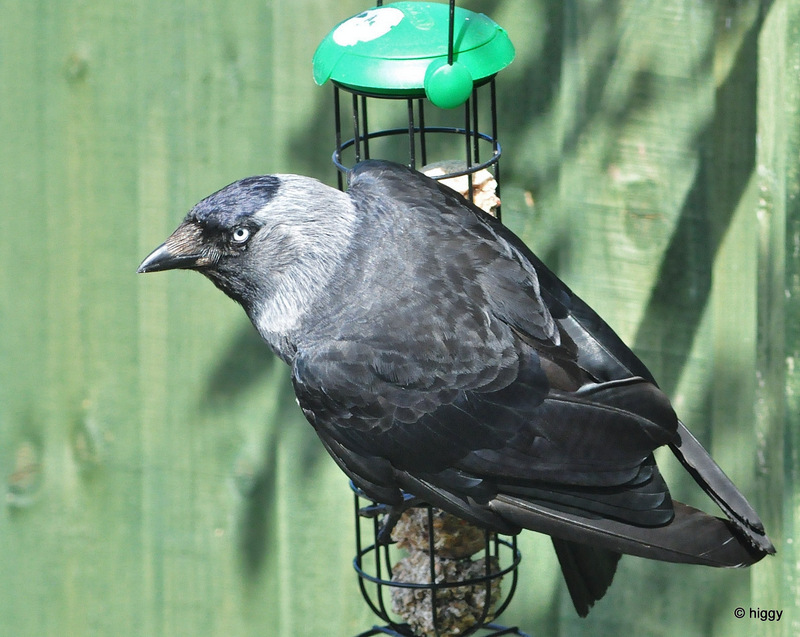
- NAME: Jackdaw – Corvus monedula / WINGSPAN: 70cm / SOMERSET STATUS: Common and widespread, forming large flocks that can be seen at dusk going into roost – Found almost anywhere including urban rooftops / DIET: Insects, young birds and eggs, fruit, seeds and scrap /

-
- NAME: Jackdaw – Corvus monedula / WINGSPAN: 70cm / SOMERSET STATUS: Common and widespread, forming large flocks that can be seen at dusk going into roost – Found almost anywhere including urban rooftops / DIET: Insects, young birds and eggs, fruit, seeds and scrap /
-
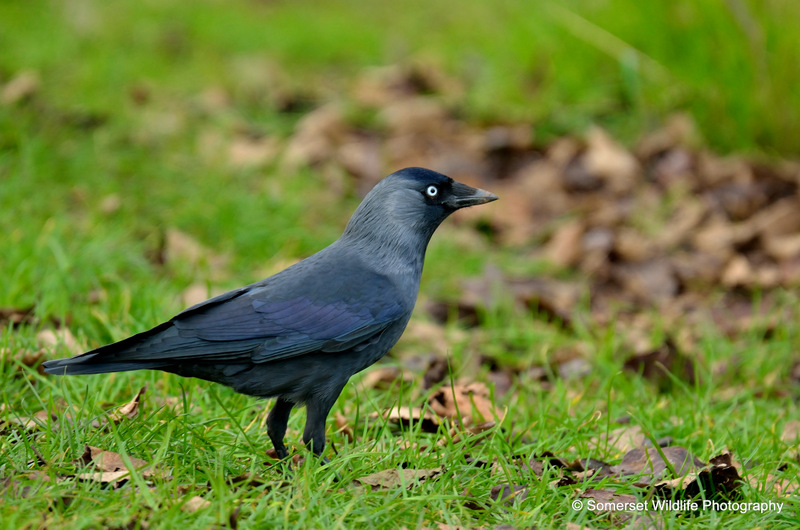
- NAME: Jackdaw – Corvus monedula / WINGSPAN: 70cm / SOMERSET STATUS: Common and widespread, forming large flocks that can be seen at dusk going into roost – Found almost anywhere including urban rooftops / DIET: Insects, young birds and eggs, fruit, seeds and scrap /
-
- NAME: Jackdaw – Corvus monedula / WINGSPAN: 70cm / SOMERSET STATUS: Common and widespread, forming large flocks that can be seen at dusk going into roost – Found almost anywhere including urban rooftops / DIET: Insects, young birds and eggs, fruit, seeds and scrap /

-
- NAME: Raven – Corvus corax / WINGSPAN: 120-150cm / SOMERSET STATUS: The largest member of the Crow family and identified by it’s “Honk” call – In real serious decline a few years ago but now increasing in numbers extremely rapidly – Upland rocky gorges most reliable to see them but can occur almost anywhere / DIET: Carrion, mammals, birds and eggs, insects and other invertebrates /

-
- NAME: Raven – Corvus corax / WINGSPAN: 120-150cm / SOMERSET STATUS: The largest member of the Crow family and identified by it’s “Honk” call – In real serious decline a few years ago but now increasing in numbers extremely rapidly – Upland rocky gorges most reliable to see them but can occur almost anywhere / DIET: Carrion, mammals, birds and eggs, insects and other invertebrates /
-
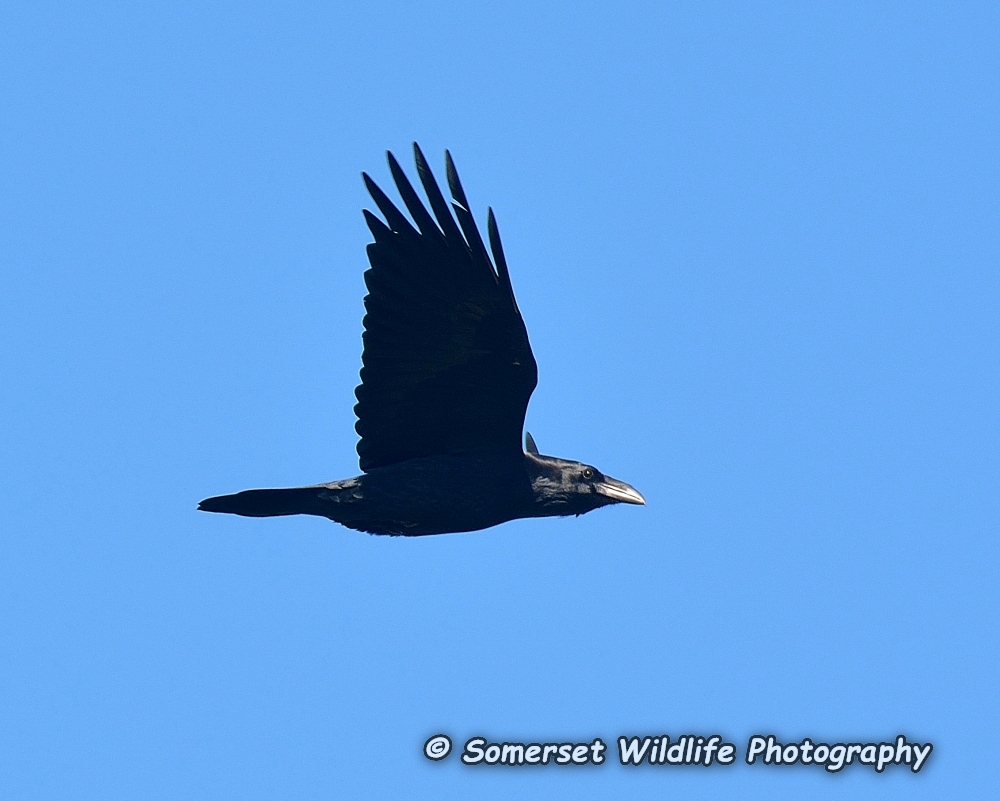
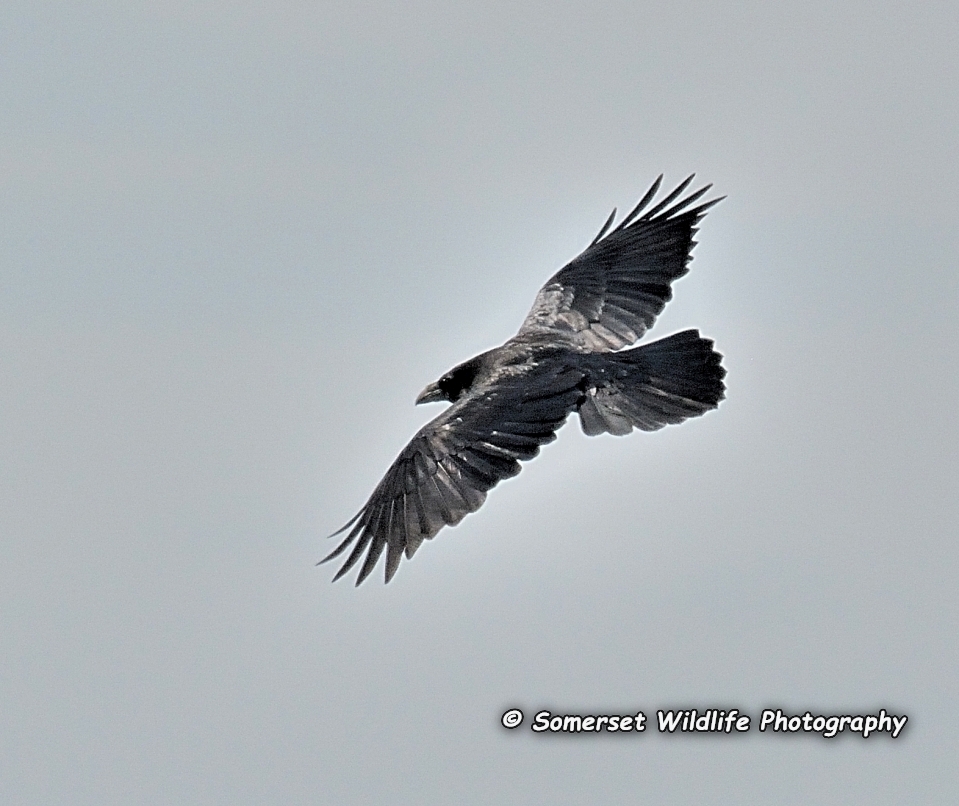
- NAME: Raven – Corvus corax / WINGSPAN: 120-150cm / SOMERSET STATUS: The largest member of the Crow family and identified by it’s “Honk” call – In real serious decline a few years ago but now increasing in numbers extremely rapidly – Upland rocky gorges most reliable to see them but can occur almost anywhere / DIET: Carrion, mammals, birds and eggs, insects and other invertebrates /
-

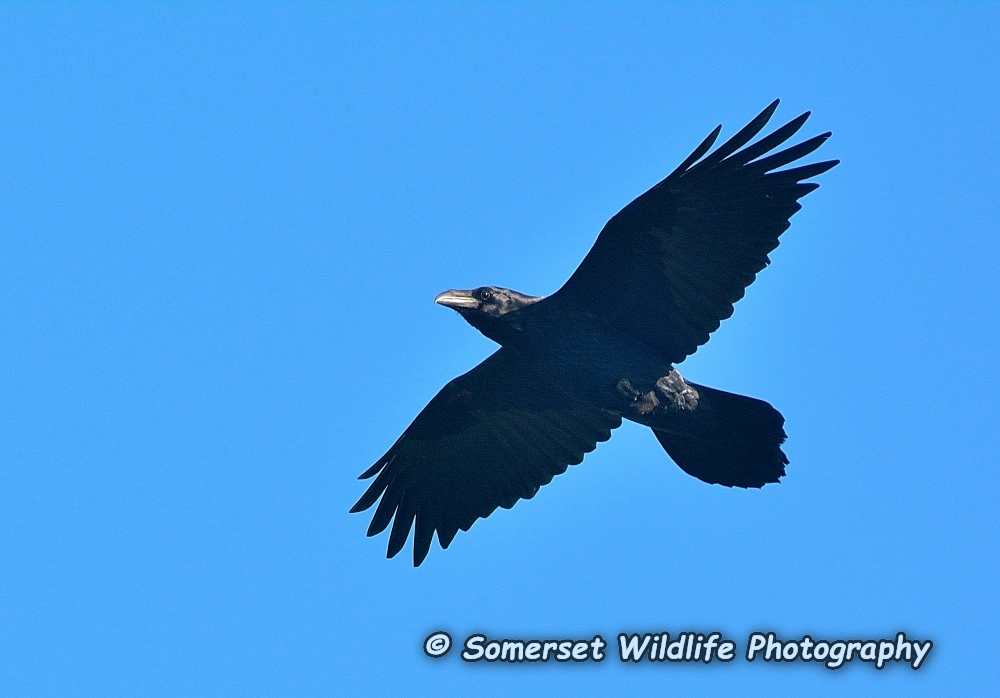
- NAME: Raven – Corvus corax / WINGSPAN: 120-150cm / SOMERSET STATUS: The largest member of the Crow family and identified by it’s “Honk” call – In real serious decline a few years ago but now increasing in numbers extremely rapidly – Upland rocky gorges most reliable to see them but can occur almost anywhere / DIET: Carrion, mammals, birds and eggs, insects and other invertebrates /
-
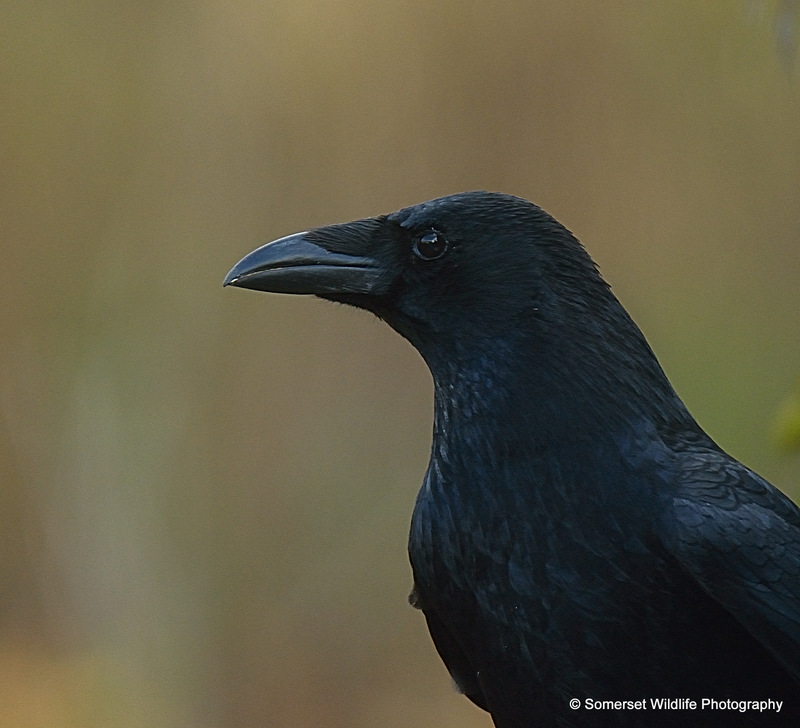
- NAME: Carrion Crow – Corvus corone / WINGSPAN: 93-104cm / SOMERSET STATUS: Common and widespread, forming large flocks that can be seen at dusk going into roost – Found almost anywhere / DIET: Carrion, insects, worms, seeds, fruit, eggs and any scraps/
-
- NAME: Carrion Crow – Corvus corone / WINGSPAN: 93-104cm / SOMERSET STATUS: Common and widespread, forming large flocks that can be seen at dusk going into roost – Found almost anywhere / DIET: Carrion, insects, worms, seeds, fruit, eggs and any scraps/

-
- NAME: Carrion Crow – Corvus corone / WINGSPAN: 93-104cm / SOMERSET STATUS: Common and widespread, forming large flocks that can be seen at dusk going into roost – Found almost anywhere / DIET: Carrion, insects, worms, seeds, fruit, eggs and any scraps/

-
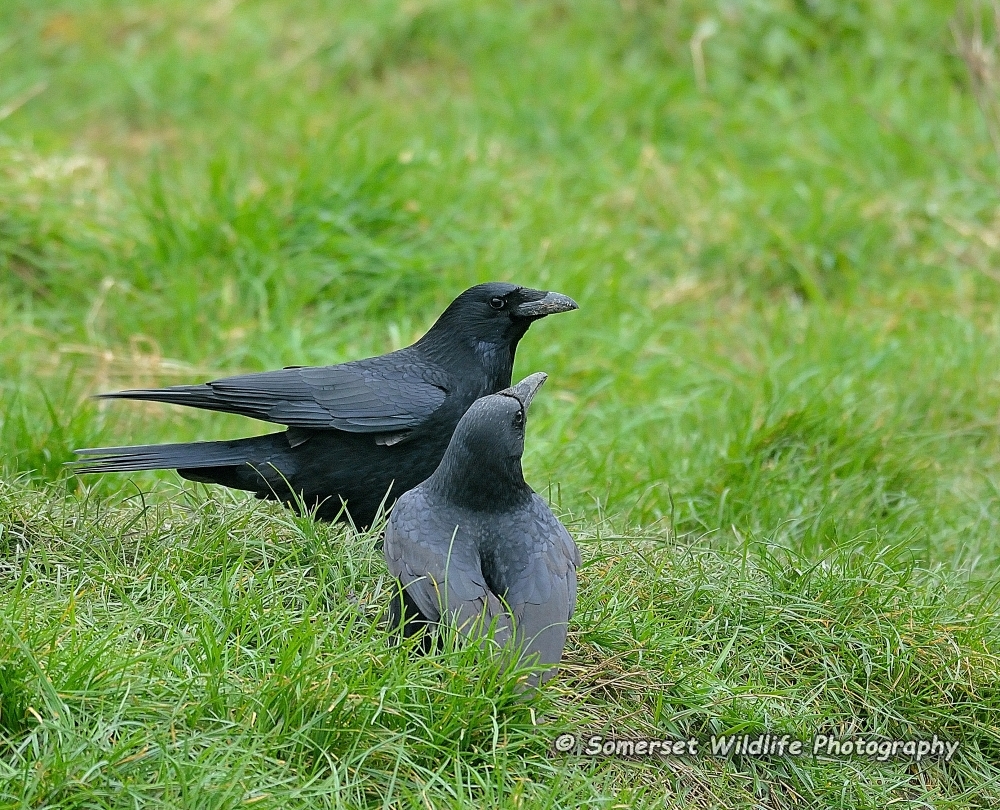
- NAME: Carrion Crow – Corvus corone / WINGSPAN: 93-104cm / SOMERSET STATUS: Common and widespread, forming large flocks that can be seen at dusk going into roost – Found almost anywhere / DIET: Carrion, insects, worms, seeds, fruit, eggs and any scraps/
-
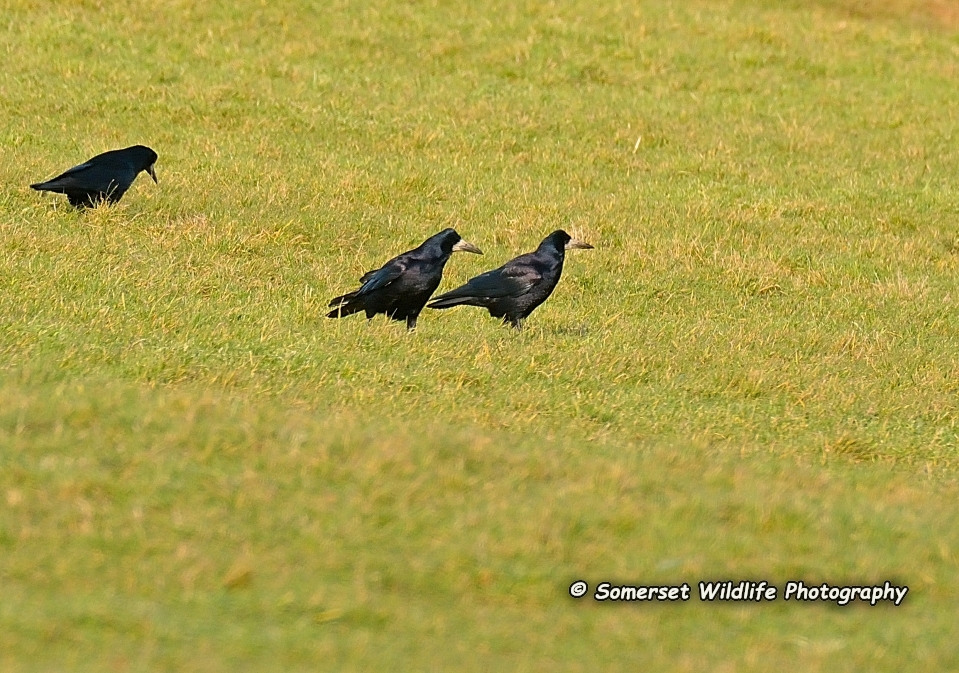
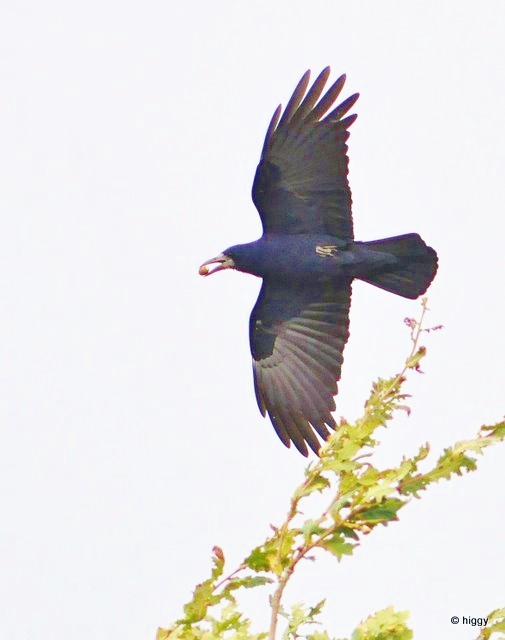
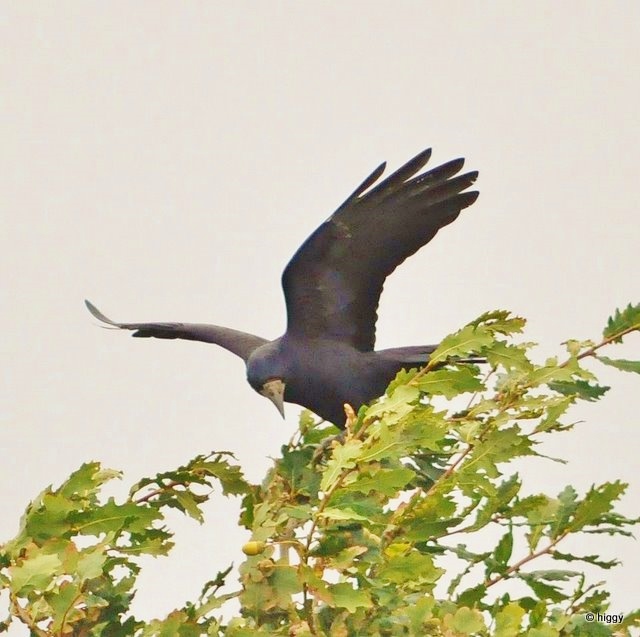
- NAME: Rook – Corvus frugilegus / WINGSPAN: 81-99cm / SOMERSET STATUS: Common and widespread – Rarely seen outside of a flock and roost together in large numbers. Spend long times on the ground using their sharp pointed beaks to probe the soft ground / DIET: Rooks will eat almost anything, including worms, grain, nuts and insects, small mammals, birds (especially eggs and nestlings) and carrion /
-
- NAME: Rook – Corvus frugilegus / WINGSPAN: 81-99cm / SOMERSET STATUS: Common and widespread – Rarely seen outside of a flock and roost together in large numbers. Spend long times on the ground using their sharp pointed beaks to probe the soft ground / DIET: Rooks will eat almost anything, including worms, grain, nuts and insects, small mammals, birds (especially eggs and nestlings) and carrion /

-
- NAME: Rook – Corvus frugilegus / WINGSPAN: 81-99cm / SOMERSET STATUS: Common and widespread – Rarely seen outside of a flock and roost together in large numbers. Spend long times on the ground using their sharp pointed beaks to probe the soft ground / DIET: Rooks will eat almost anything, including worms, grain, nuts and insects, small mammals, birds (especially eggs and nestlings) and carrion /
-
- NAME: Rook – Corvus frugilegus / WINGSPAN: 81-99cm / SOMERSET STATUS: Common and widespread – Rarely seen outside of a flock and roost together in large numbers. Spend long times on the ground using their sharp pointed beaks to probe the soft ground / DIET: Rooks will eat almost anything, including worms, grain, nuts and insects, small mammals, birds (especially eggs and nestlings) and carrion /
-
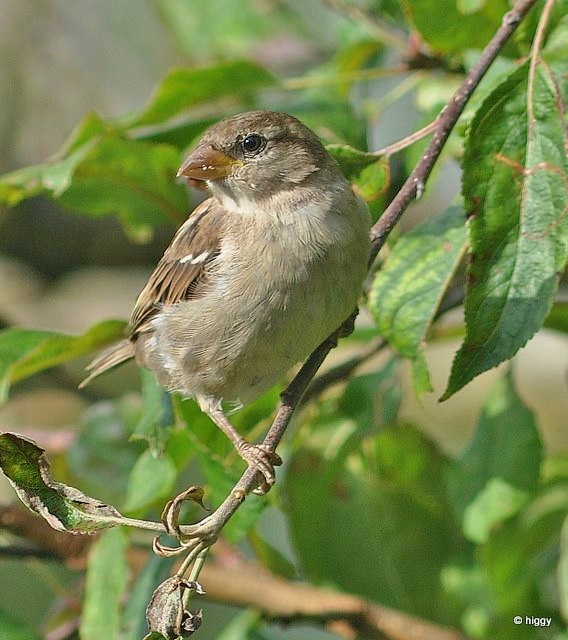
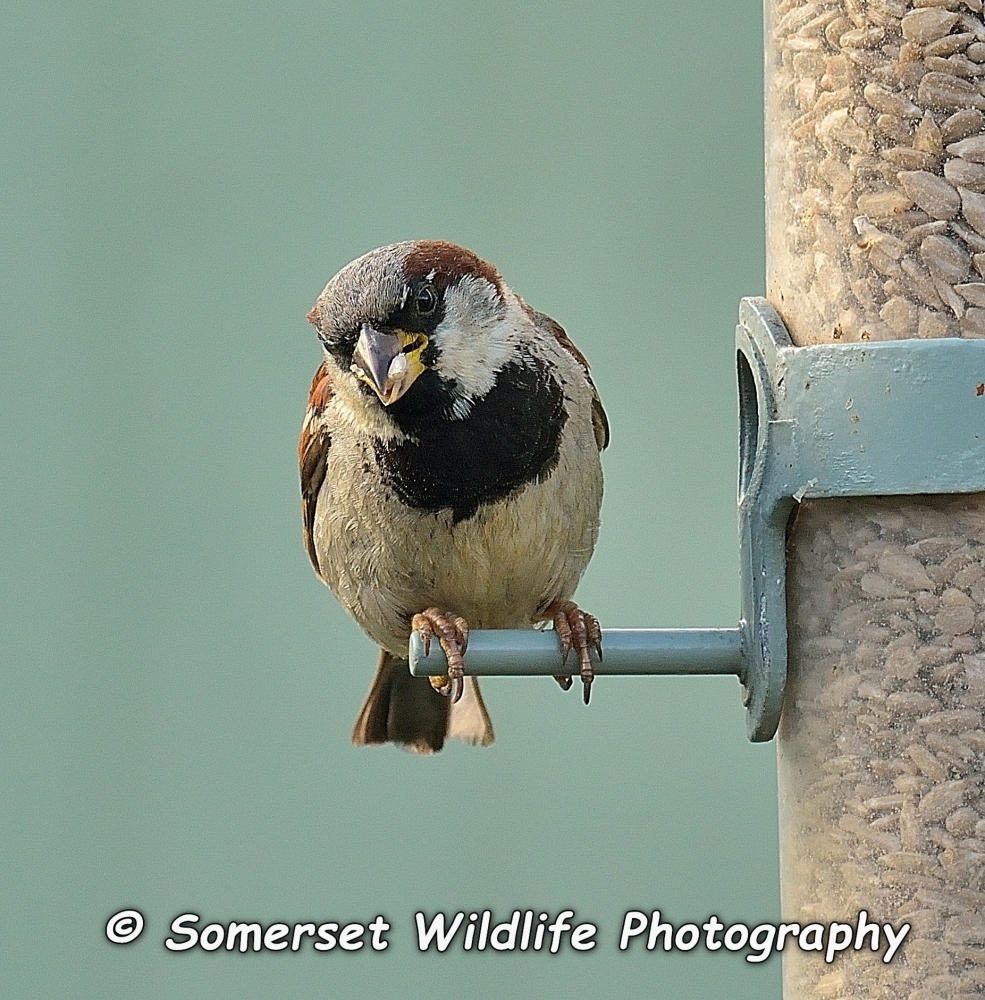
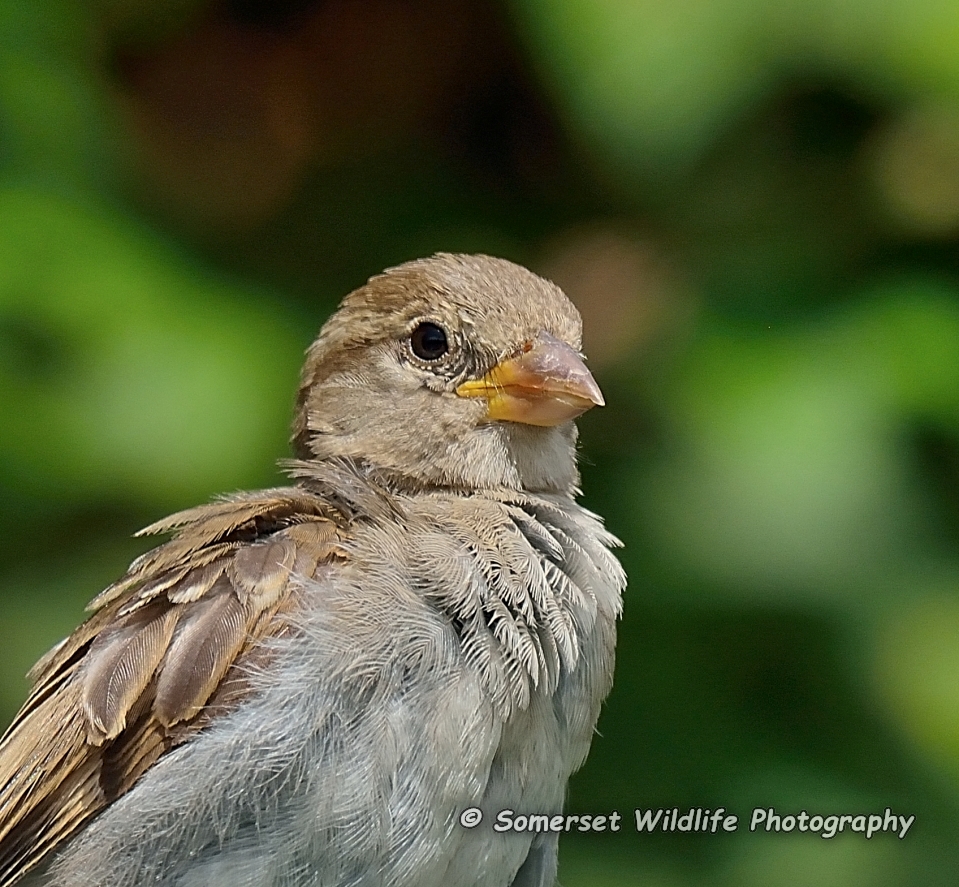
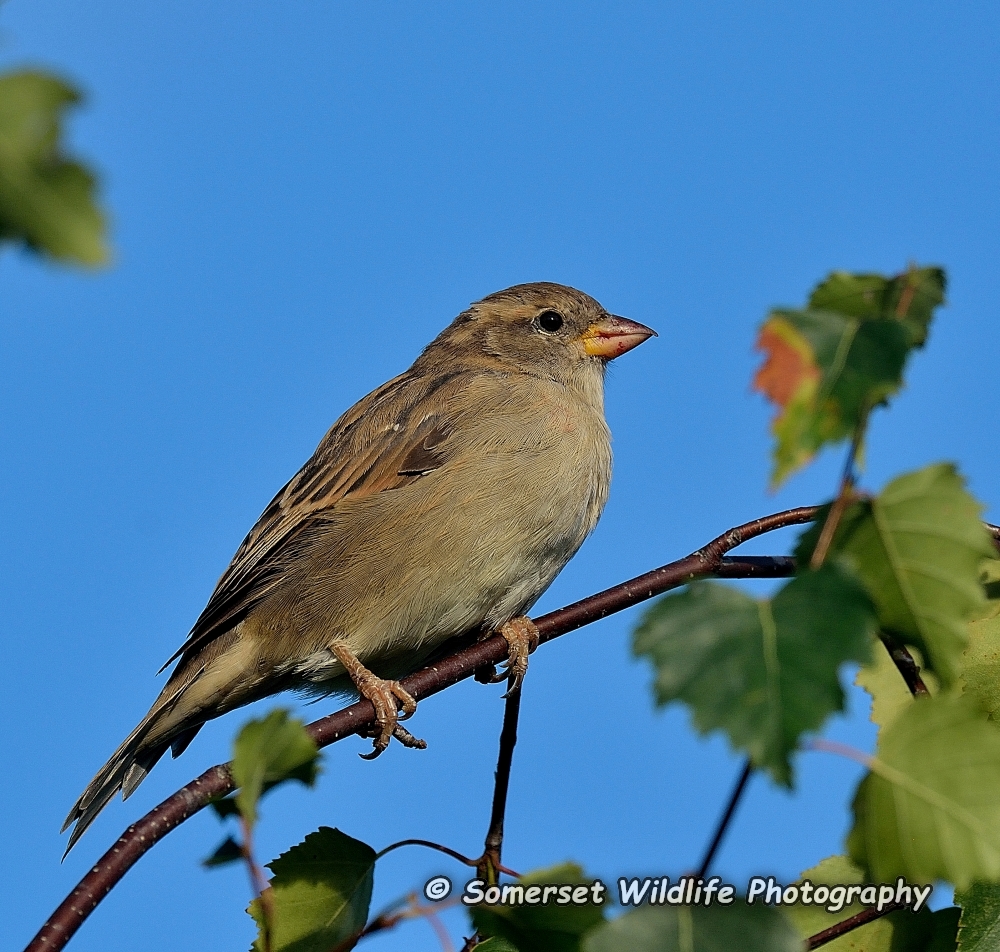
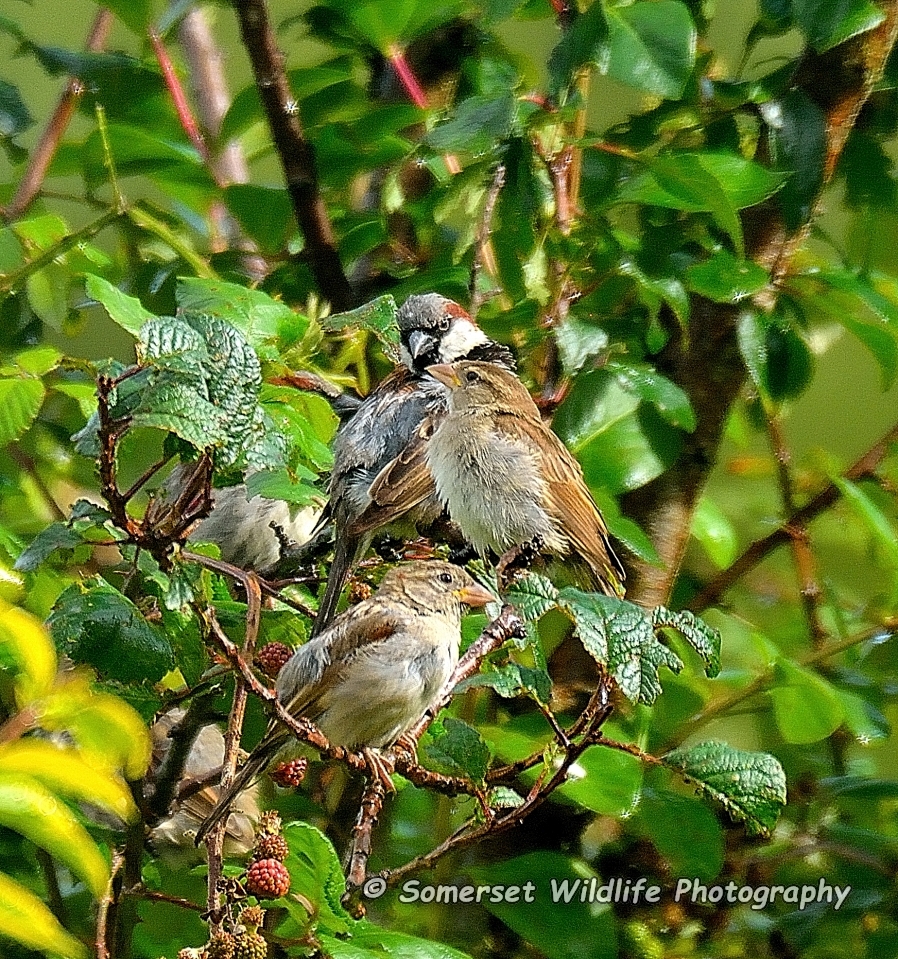
- NAME: House Sparrow – Passer domesticus / WINGSPAN: 21-25cm / SOMERSET STATUS: Common in Somerset despite being a UK red listed bird – In my North Somerset village numbers are growing rapidly with large colonies of 30-40 birds common – Sparrow terraces work very well high up on a house. Sadly Tree Sparrows are now extinct in Somerset / DIET: Seeds and scraps /
-
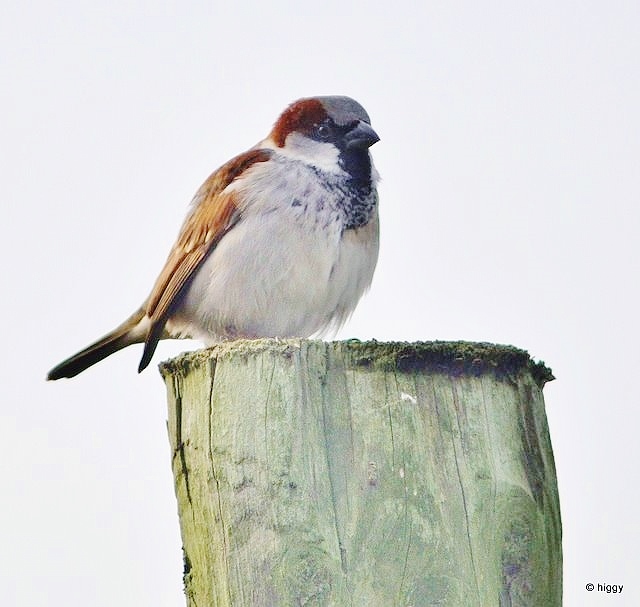
- NAME: House Sparrow – Passer domesticus / WINGSPAN: 21-25cm / SOMERSET STATUS: Common in Somerset despite being a UK red listed bird – In my North Somerset village numbers are growing rapidly with large colonies of 30-40 birds common – Sparrow terraces work very well high up on a house. Sadly Tree Sparrows are now extinct in Somerset / DIET: Seeds and scraps /
-
- NAME: House Sparrow – Passer domesticus / WINGSPAN: 21-25cm / SOMERSET STATUS: Common in Somerset despite being a UK red listed bird – In my North Somerset village numbers are growing rapidly with large colonies of 30-40 birds common – Sparrow terraces work very well high up on a house. Sadly Tree Sparrows are now extinct in Somerset / DIET: Seeds and scraps /
-
- NAME: House Sparrow – Passer domesticus / WINGSPAN: 21-25cm / SOMERSET STATUS: Common in Somerset despite being a UK red listed bird – In my North Somerset village numbers are growing rapidly with large colonies of 30-40 birds common – Sparrow terraces work very well high up on a house. Sadly Tree Sparrows are now extinct in Somerset / DIET: Seeds and scraps /
-

- NAME: House Sparrow – Passer domesticus / WINGSPAN: 21-25cm / SOMERSET STATUS: Common in Somerset despite being a UK red listed bird – In my North Somerset village numbers are growing rapidly with large colonies of 30-40 birds common – Sparrow terraces work very well high up on a house. Sadly Tree Sparrows are now extinct in Somerset / DIET: Seeds and scraps /
-

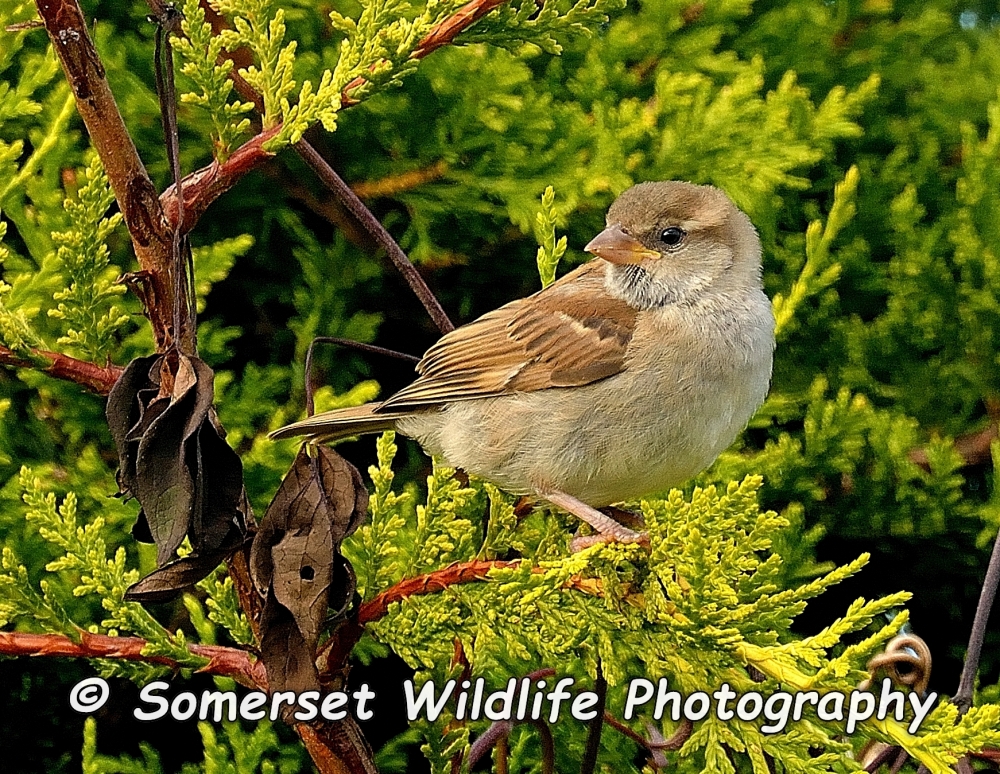
- NAME: House Sparrow – Passer domesticus / WINGSPAN: 21-25cm / SOMERSET STATUS: Common in Somerset despite being a UK red listed bird – In my North Somerset village numbers are growing rapidly with large colonies of 30-40 birds common – Sparrow terraces work very well high up on a house. Sadly Tree Sparrows are now extinct in Somerset / DIET: Seeds and scraps /
-
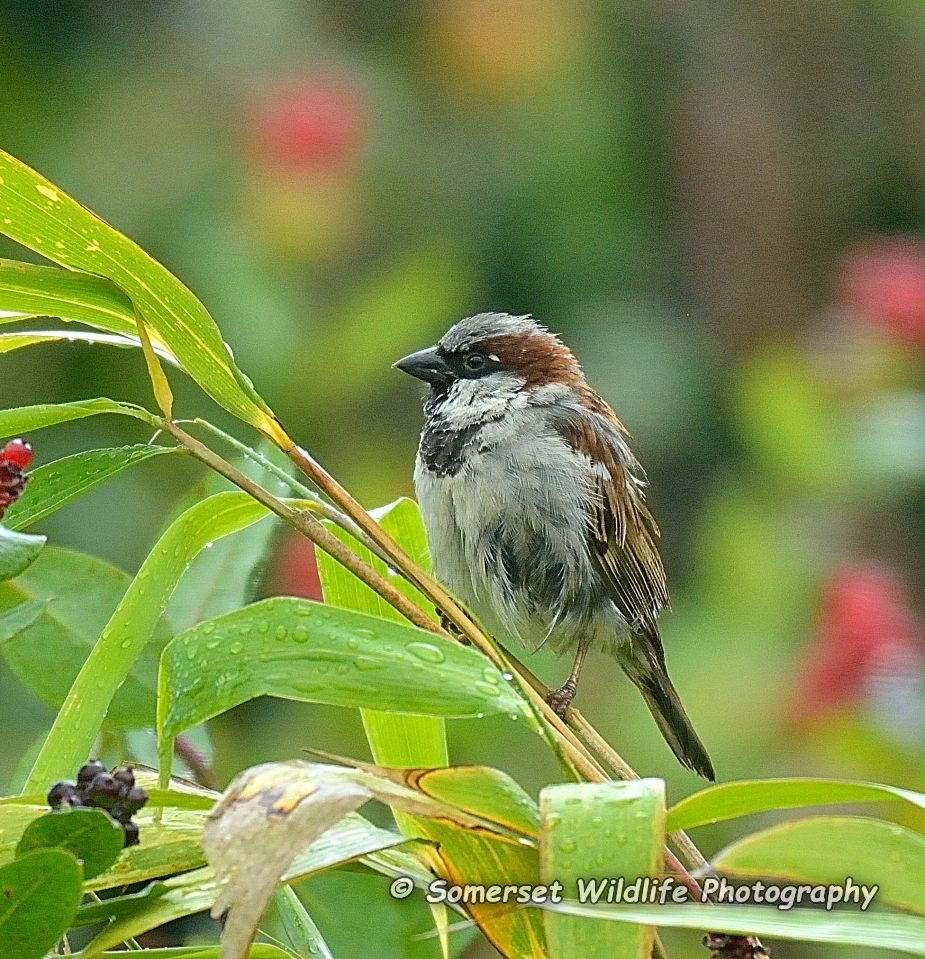
- NAME: House Sparrow – Passer domesticus / WINGSPAN: 21-25cm / SOMERSET STATUS: Common in Somerset despite being a UK red listed bird – In my North Somerset village numbers are growing rapidly with large colonies of 30-40 birds common – Sparrow terraces work very well high up on a house. Sadly Tree Sparrows are now extinct in Somerset / DIET: Seeds and scraps /
-
- NAME: House Sparrow – Passer domesticus / WINGSPAN: 21-25cm / SOMERSET STATUS: Common in Somerset despite being a UK red listed bird – In my North Somerset village numbers are growing rapidly with large colonies of 30-40 birds common – Sparrow terraces work very well high up on a house. Sadly Tree Sparrows are now extinct in Somerset / DIET: Seeds and scraps /
-
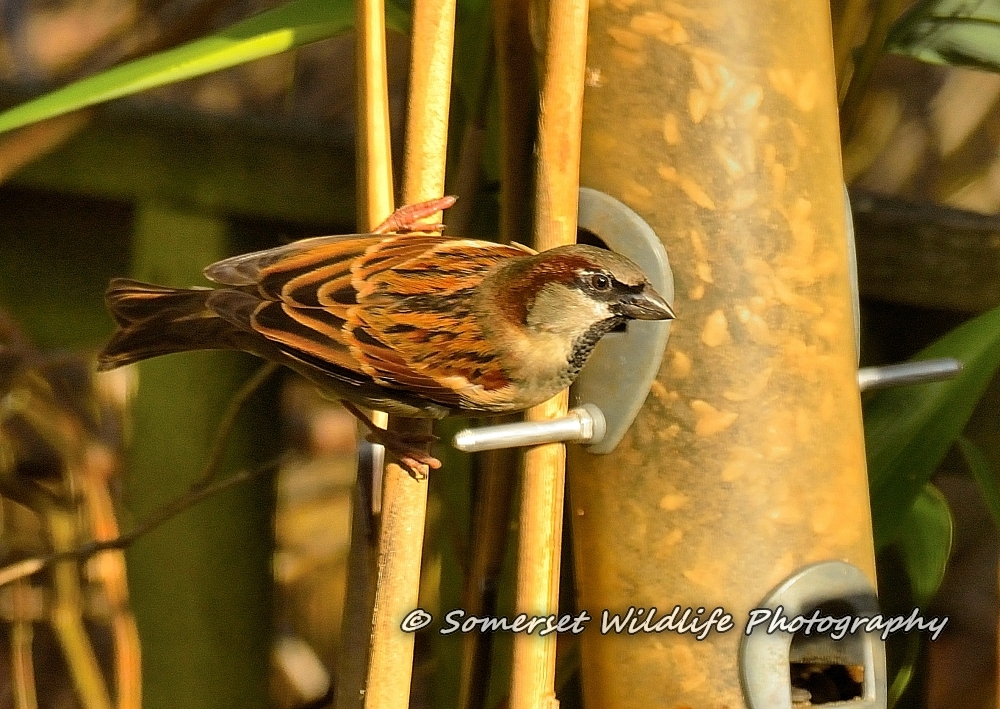
- NAME: House Sparrow – Passer domesticus / WINGSPAN: 21-25cm / SOMERSET STATUS: Common in Somerset despite being a UK red listed bird – In my North Somerset village numbers are growing rapidly with large colonies of 30-40 birds common – Sparrow terraces work very well high up on a house. Sadly Tree Sparrows are now extinct in Somerset / DIET: Seeds and scraps /
-
- NAME: Brambling – Fringilla montifringilla / WINGSPAN: 25-26cm / SOMERSET STATUS: Winter visitor, often to garden bird tables and feeding stations – On a good year they will arrive in large numbers and move around in big flocks often mixed with other finches – Ground feeding works well to attract them to your garden but you may need a lot of food if they come in numbers! / DIET: Seeds in winter; insects in summer /

-
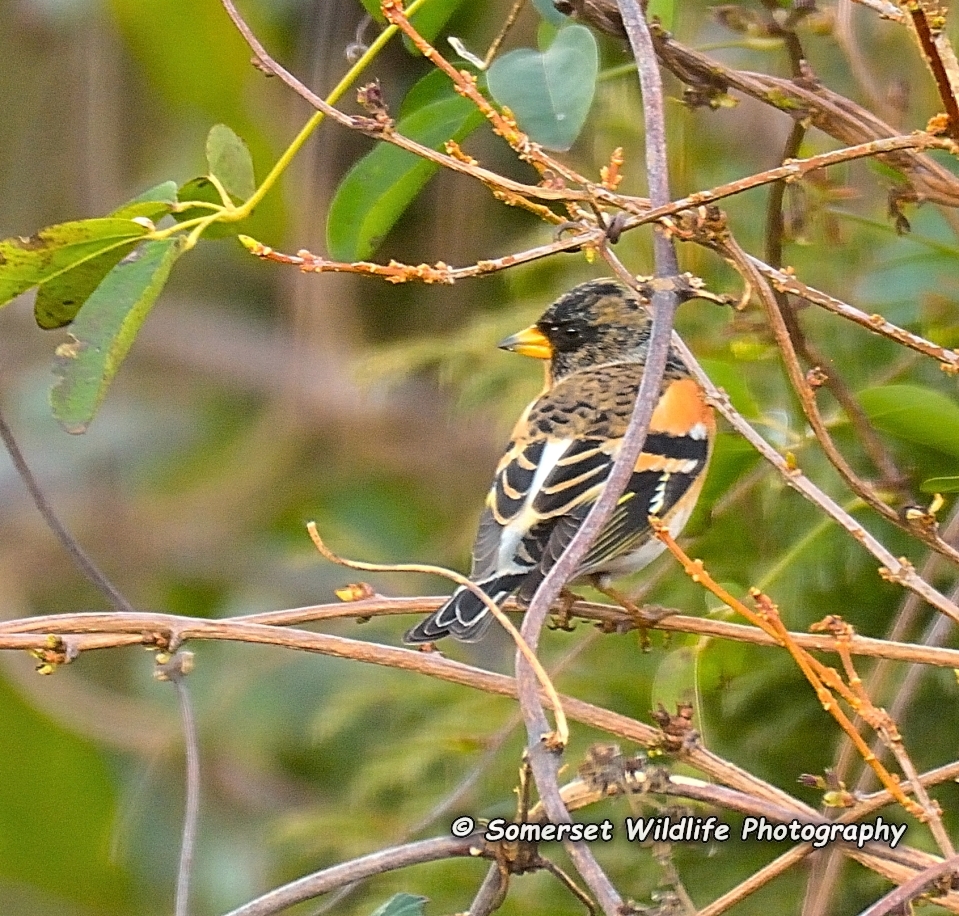
- NAME: Brambling – Fringilla montifringilla / WINGSPAN: 25-26cm / SOMERSET STATUS: Winter visitor, often to garden bird tables and feeding stations – On a good year they will arrive in large numbers and move around in big flocks often mixed with other finches – Ground feeding works well to attract them to your garden but you may need a lot of food if they come in numbers! / DIET: Seeds in winter; insects in summer /
-
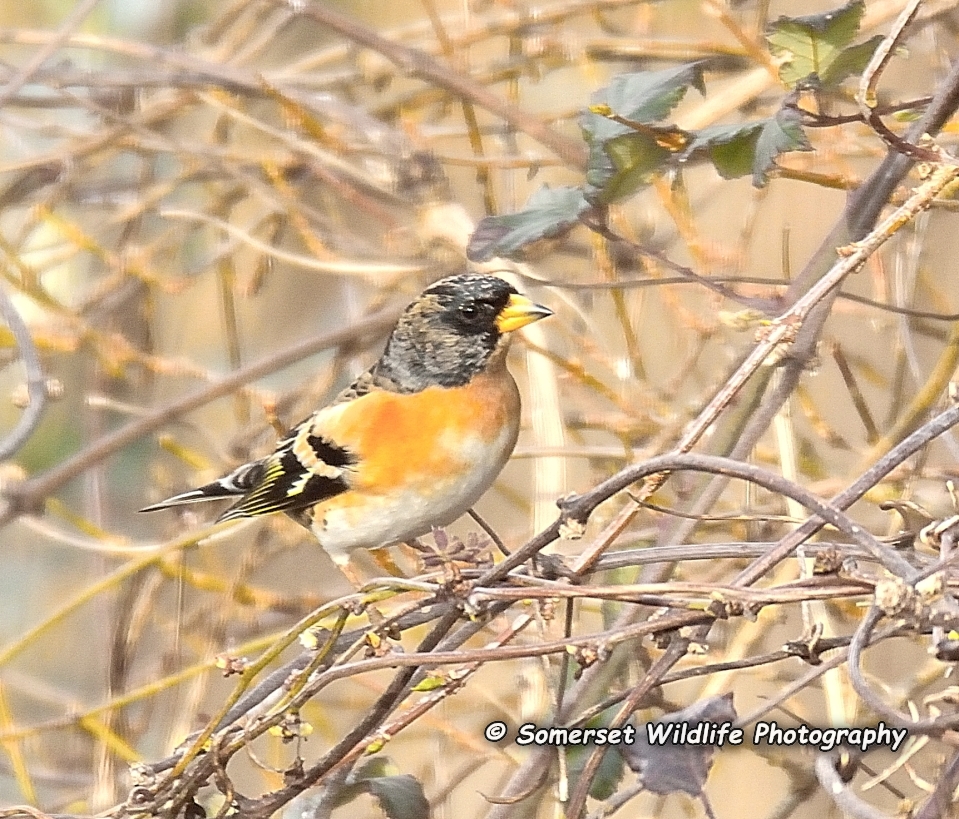
- NAME: Brambling – Fringilla montifringilla / WINGSPAN: 25-26cm / SOMERSET STATUS: Winter visitor, often to garden bird tables and feeding stations – On a good year they will arrive in large numbers and move around in big flocks often mixed with other finches – Ground feeding works well to attract them to your garden but you may need a lot of food if they come in numbers! / DIET: Seeds in winter; insects in summer /
-
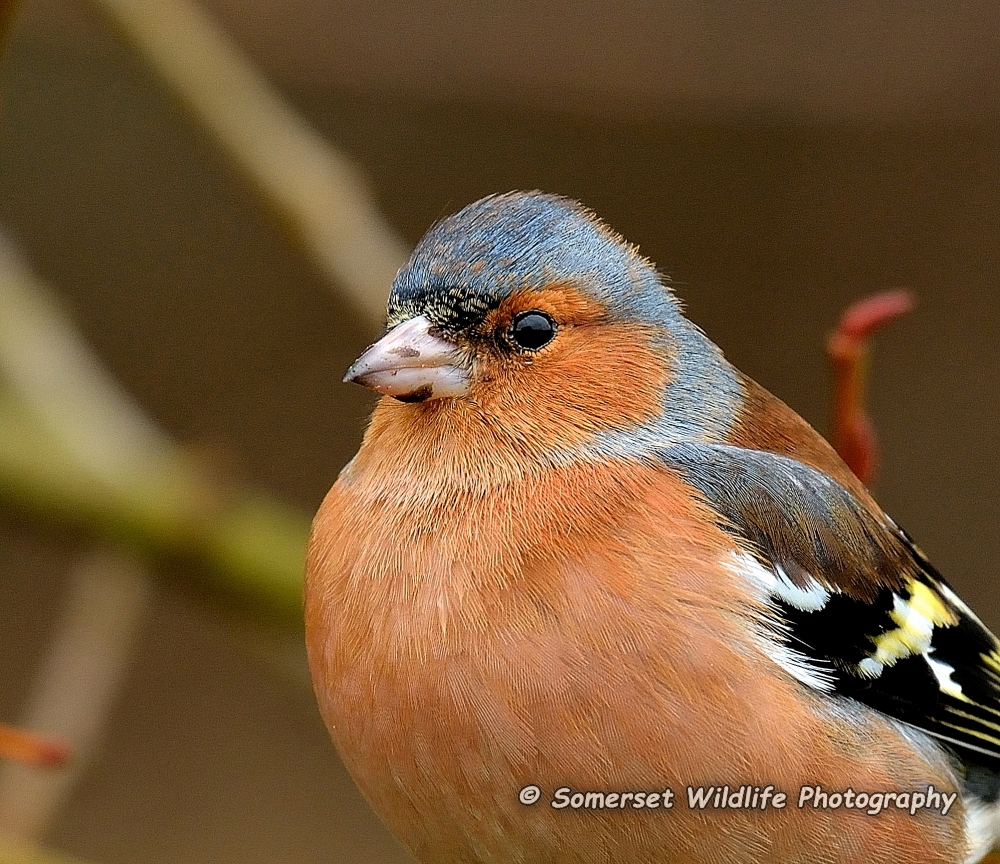
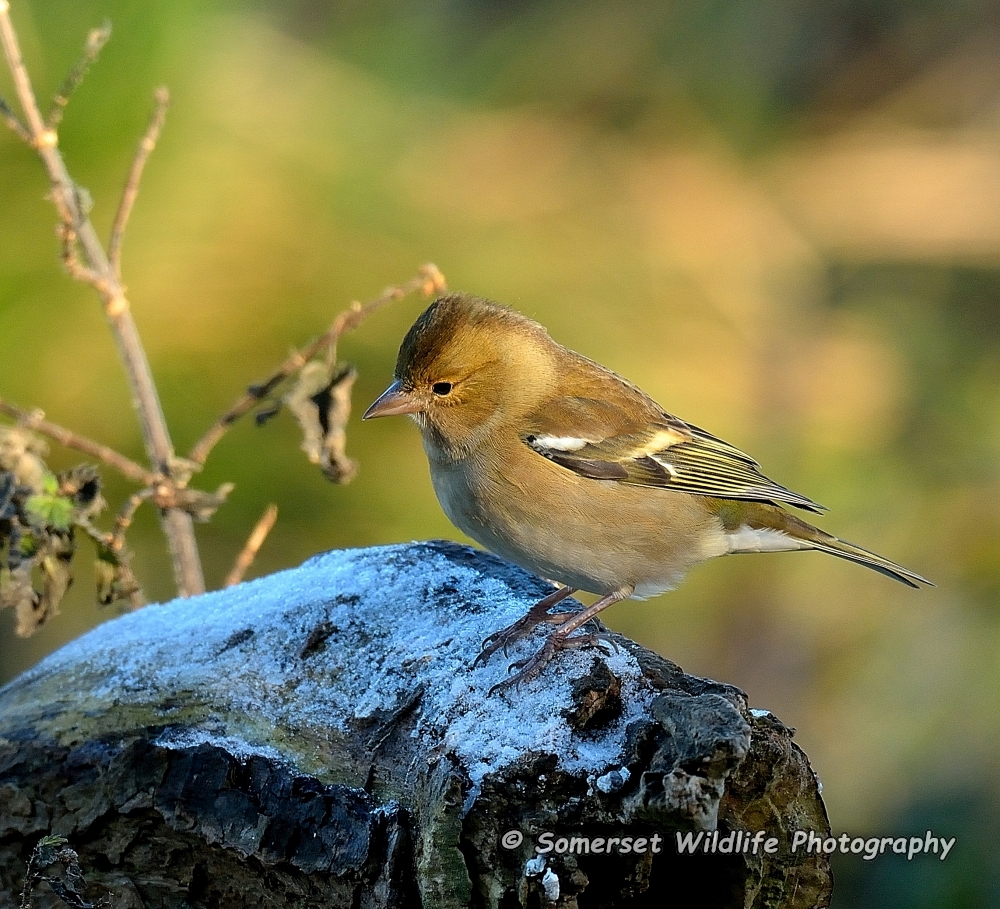
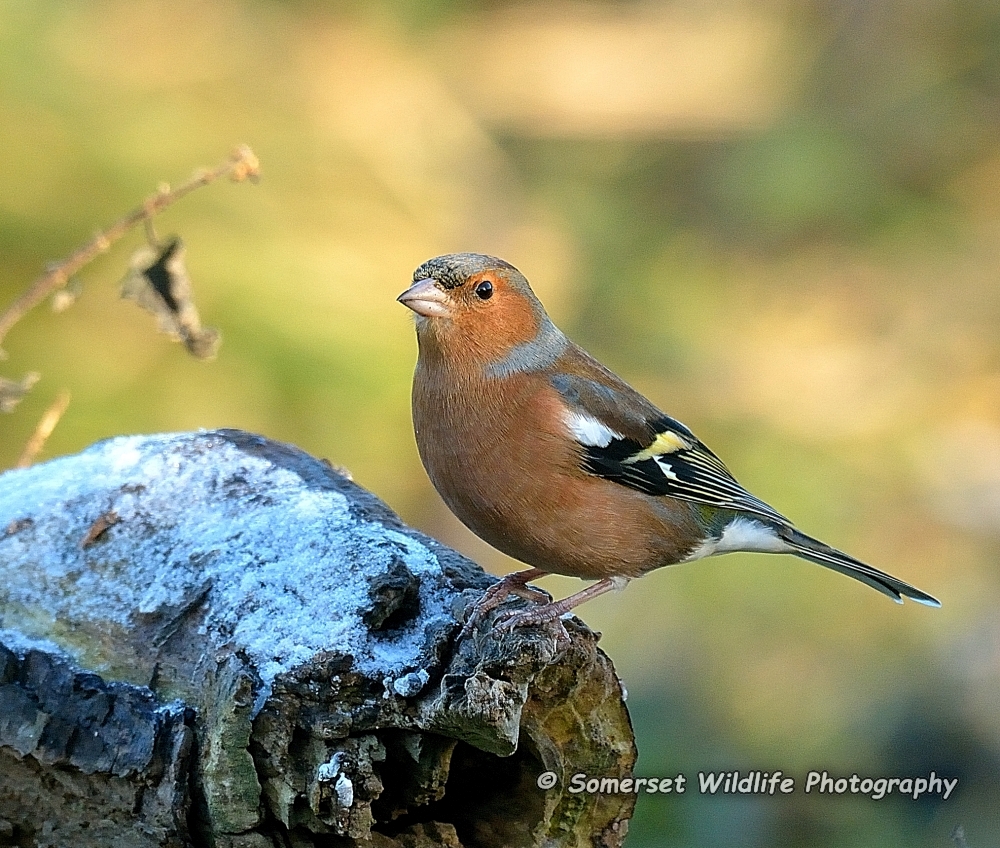
- NAME: Chaffinch – Fringilla coelebs / WINGSPAN: 24-28cm / SOMERSET STATUS: Common and Widespread and a regular garden visitor / DIET: Insects and seeds /
-
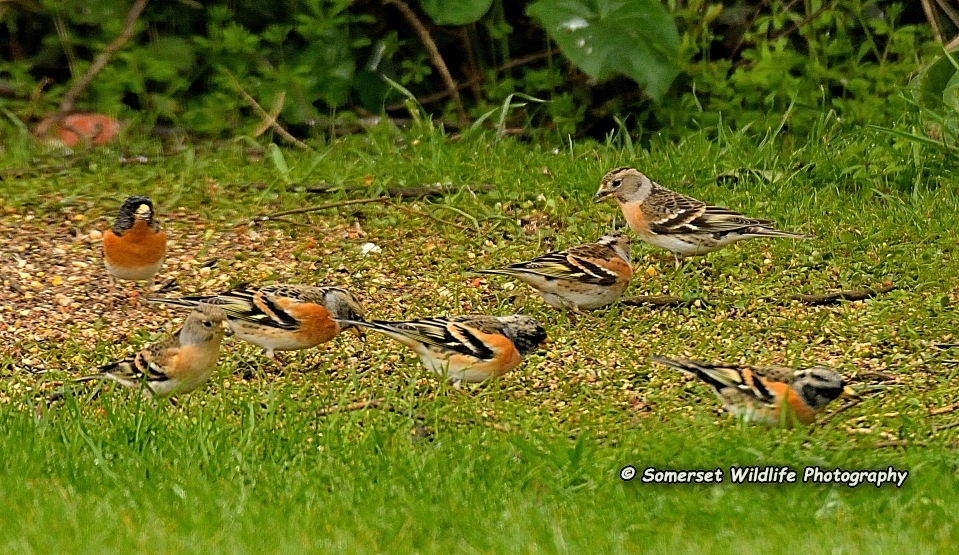
- NAME: Brambling – Fringilla montifringilla / WINGSPAN: 25-26cm / SOMERSET STATUS: Winter visitor, often to garden bird tables and feeding stations – On a good year they will arrive in large numbers and move around in big flocks often mixed with other finches – Ground feeding works well to attract them to your garden but you may need a lot of food if they come in numbers! / DIET: Seeds in winter; insects in summer /
-
- NAME: Chaffinch – Fringilla coelebs / WINGSPAN: 24-28cm / SOMERSET STATUS: Common and Widespread and a regular garden visitor / DIET: Insects and seeds /

-
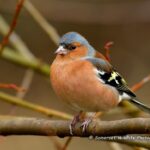
- NAME: Chaffinch – Fringilla coelebs / WINGSPAN: 24-28cm / SOMERSET STATUS: Common and Widespread and a regular garden visitor / DIET: Insects and seeds /
-
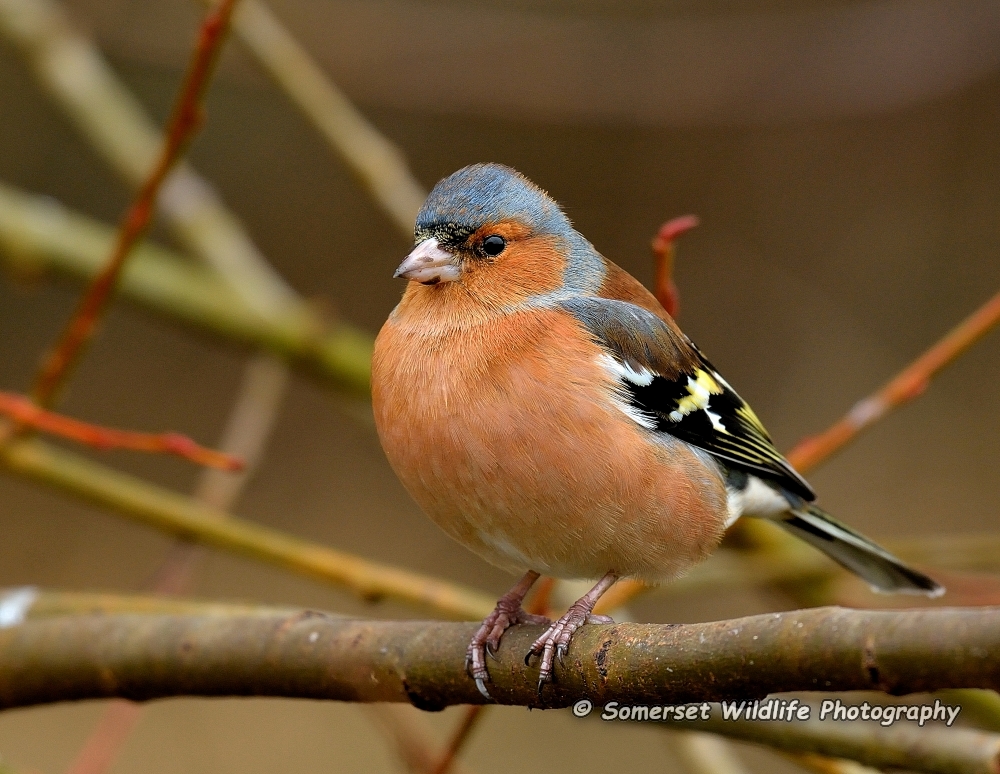
- NAME: Chaffinch – Fringilla coelebs / WINGSPAN: 24-28cm / SOMERSET STATUS: Common and Widespread and a regular garden visitor / DIET: Insects and seeds /
-
- NAME: Chaffinch – Fringilla coelebs / WINGSPAN: 24-28cm / SOMERSET STATUS: Common and Widespread and a regular garden visitor / DIET: Insects and seeds /

-
- NAME: Chaffinch – Fringilla coelebs / WINGSPAN: 24-28cm / SOMERSET STATUS: Common and Widespread and a regular garden visitor / DIET: Insects and seeds /
-
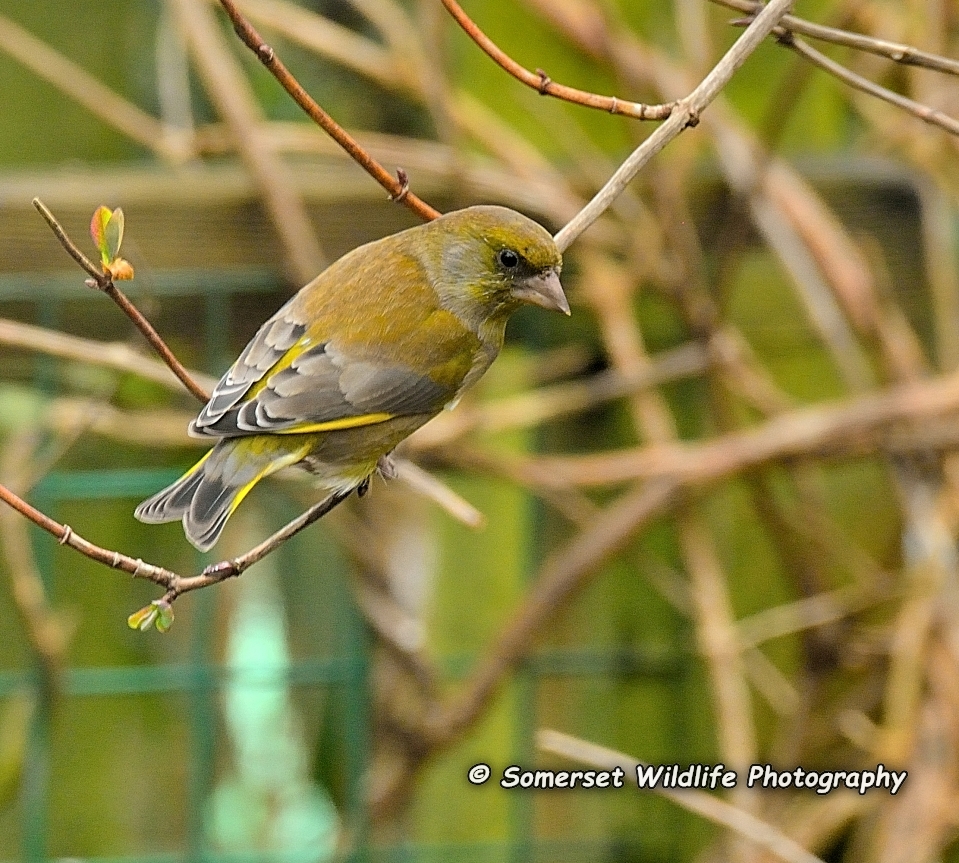
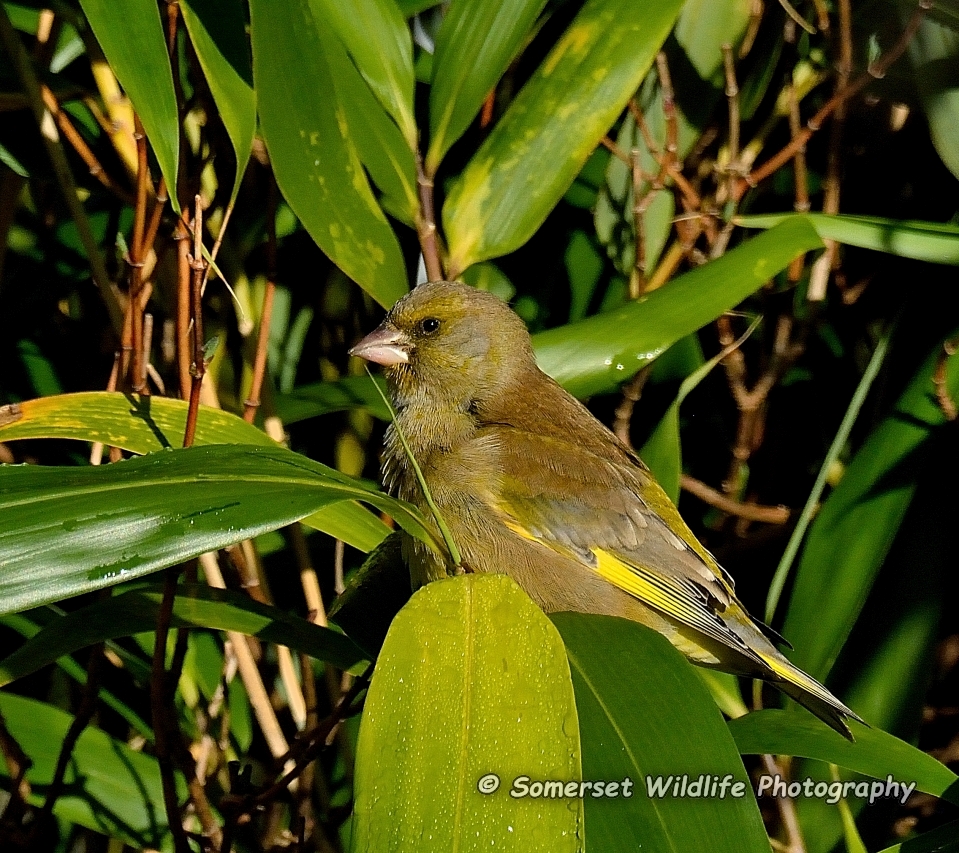
- NAME: Greenfinch – Carduelis chloris / WINGSPAN: 26cm / SOMERSET STATUS: Common and in reasonable numbers when found. Often found mixed in with other finches such as Goldfinch. – Regular visitors to garden feeding stations / DIET: Seeds and insects /
-

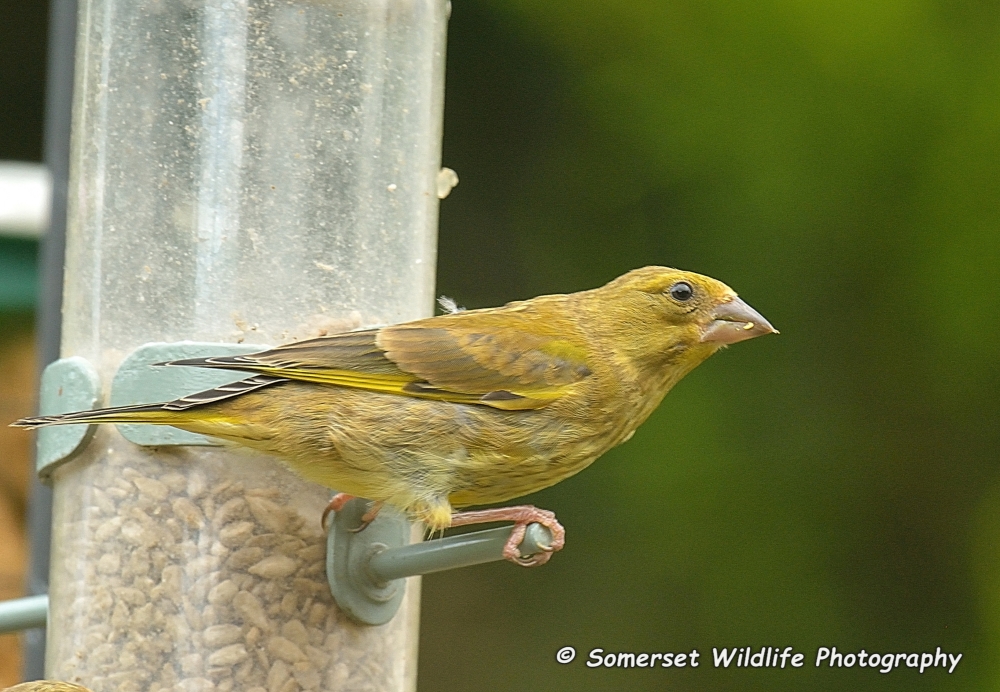
- NAME: Greenfinch – Carduelis chloris / WINGSPAN: 26cm / SOMERSET STATUS: Common and in reasonable numbers when found. Often found mixed in with other finches such as Goldfinch. – Regular visitors to garden feeding stations / DIET: Seeds and insects /
-
- NAME: Greenfinch – Carduelis chloris / WINGSPAN: 26cm / SOMERSET STATUS: Common and in reasonable numbers when found. Often found mixed in with other finches such as Goldfinch. – Regular visitors to garden feeding stations / DIET: Seeds and insects /
-
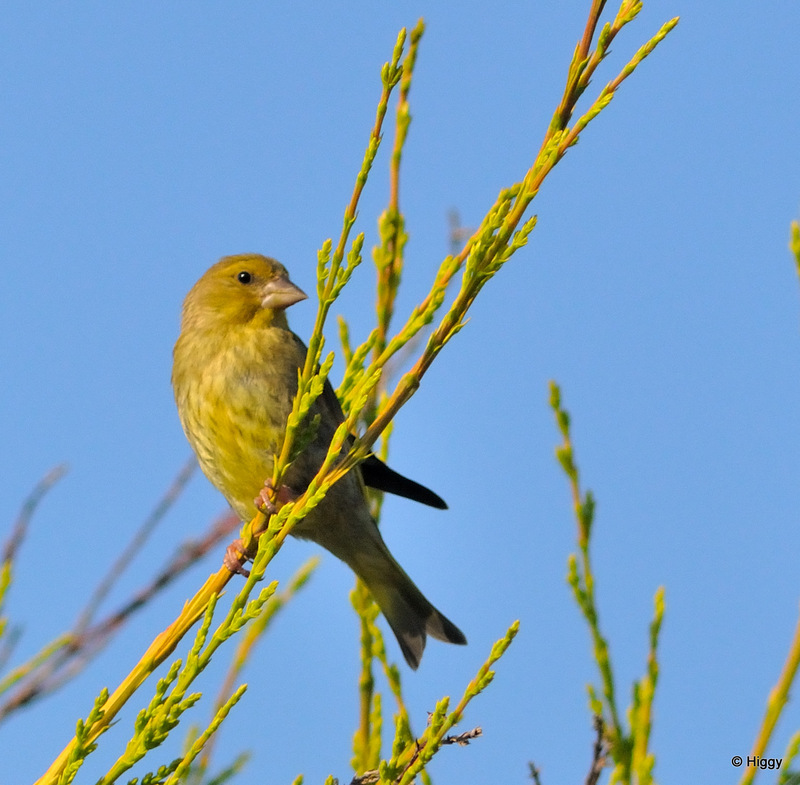
- NAME: Greenfinch – Carduelis chloris / WINGSPAN: 26cm / SOMERSET STATUS: Common and in reasonable numbers when found. Often found mixed in with other finches such as Goldfinch. – Regular visitors to garden feeding stations / DIET: Seeds and insects /
-
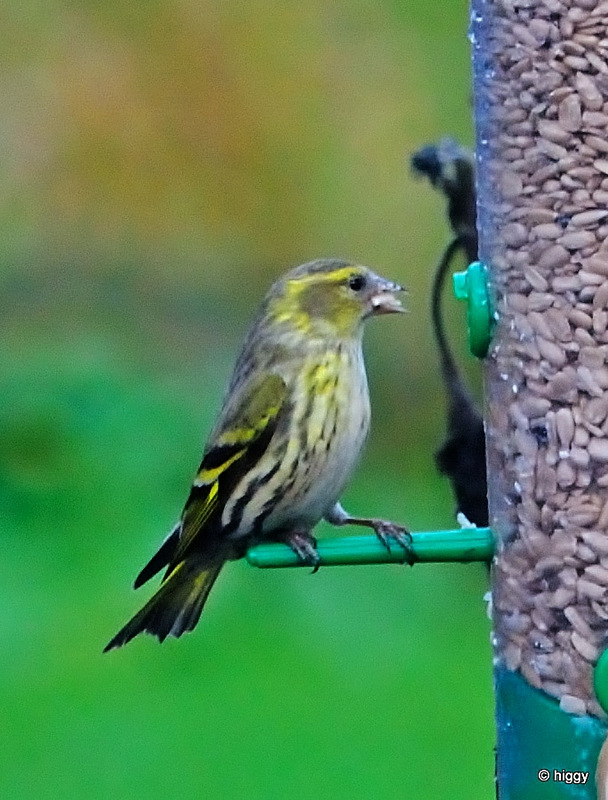
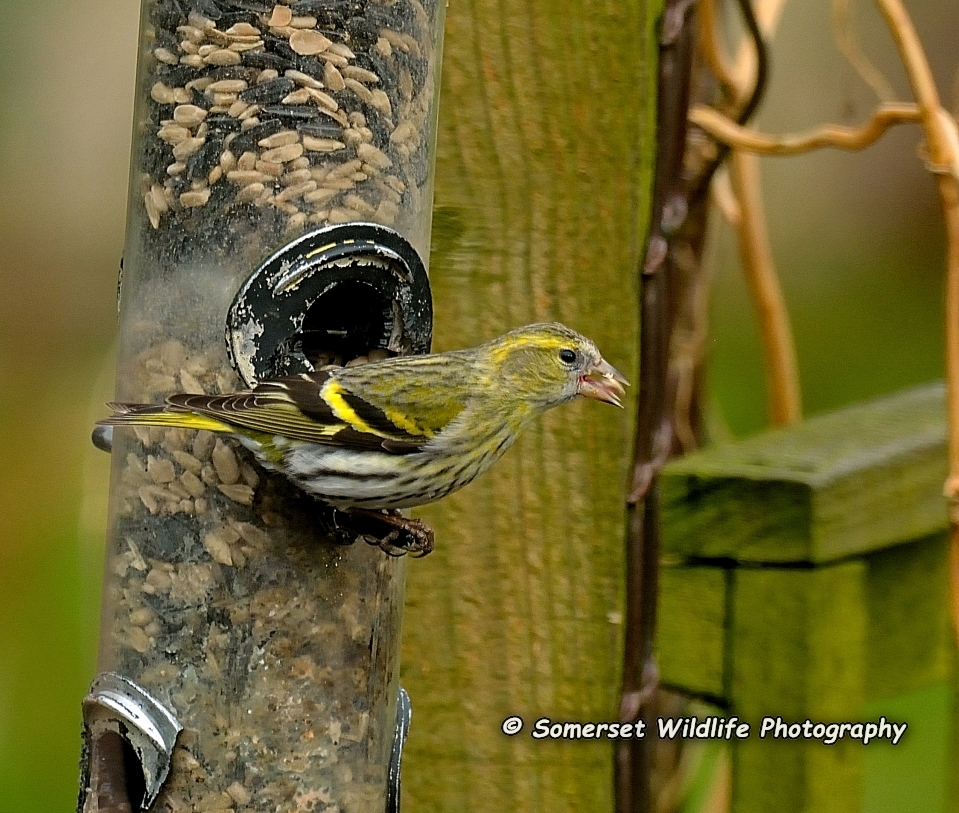
- NAME: Siskin – Carduelis spinus / WINGSPAN: 20-23cm / SOMERSET STATUS: Common in Somerset. Regular winter visitors to garden feeders but often observed high in tree tops feeding upside down on seed pods, Alder being a particular favourite / DIET: Seeds, especially of conifers, alders and birch and some insects /
-
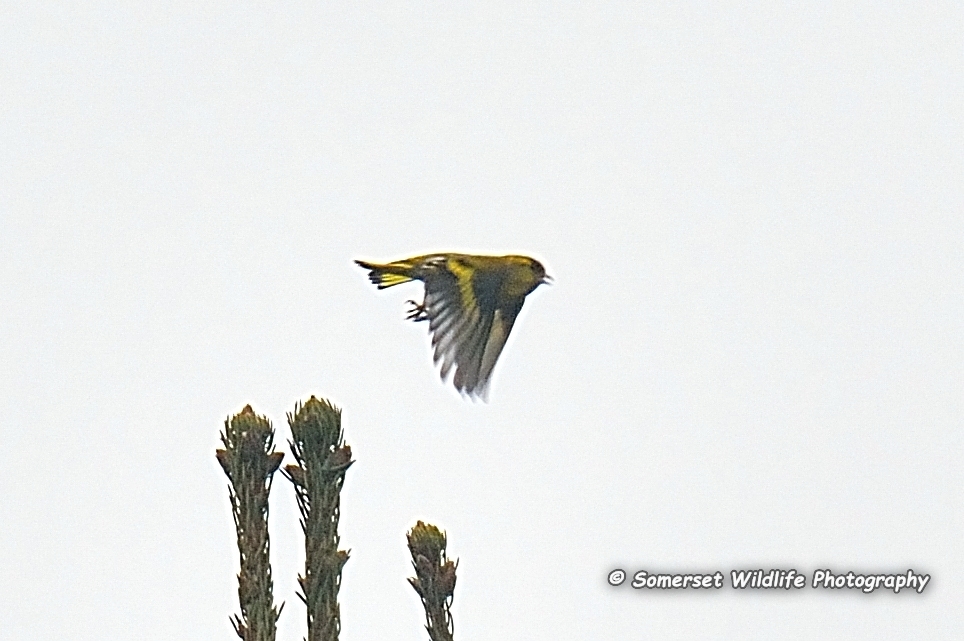
- NAME: Siskin – Carduelis spinus / WINGSPAN: 20-23cm / SOMERSET STATUS: Common in Somerset. Regular winter visitors to garden feeders but often observed high in tree tops feeding upside down on seed pods, Alder being a particular favourite / DIET: Seeds, especially of conifers, alders and birch and some insects /
-
- NAME: Siskin – Carduelis spinus / WINGSPAN: 20-23cm / SOMERSET STATUS: Common in Somerset. Regular winter visitors to garden feeders but often observed high in tree tops feeding upside down on seed pods, Alder being a particular favourite / DIET: Seeds, especially of conifers, alders and birch and some insects /
-
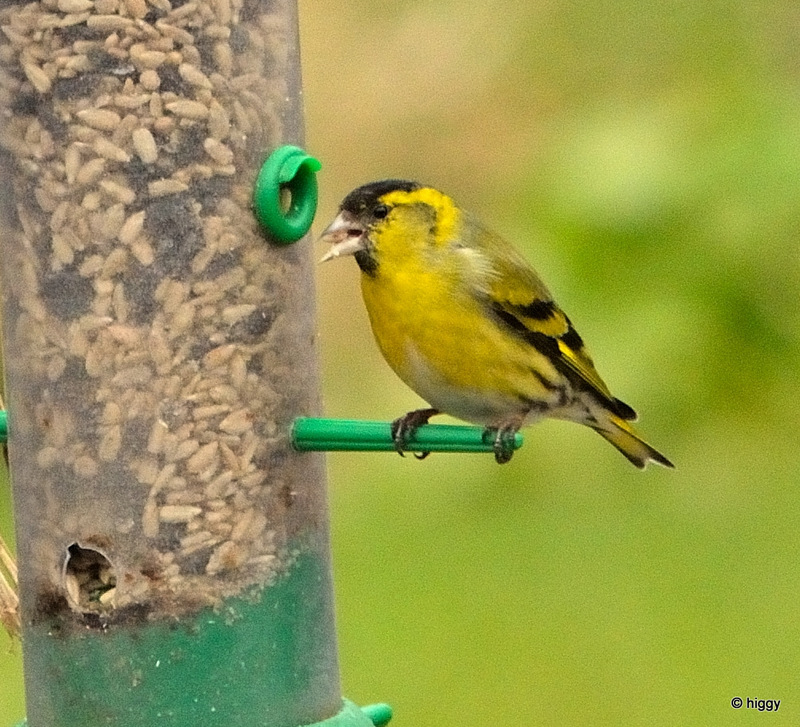
- NAME: Siskin – Carduelis spinus / WINGSPAN: 20-23cm / SOMERSET STATUS: Common in Somerset. Regular winter visitors to garden feeders but often observed high in tree tops feeding upside down on seed pods, Alder being a particular favourite / DIET: Seeds, especially of conifers, alders and birch and some insects /
-
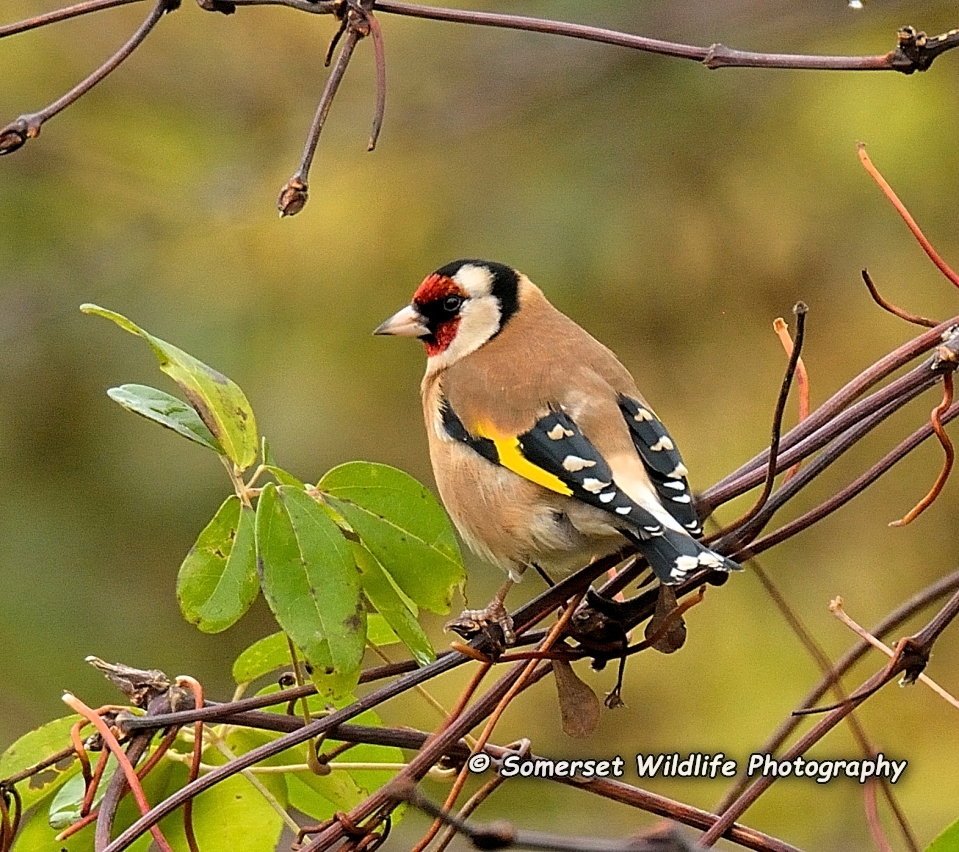
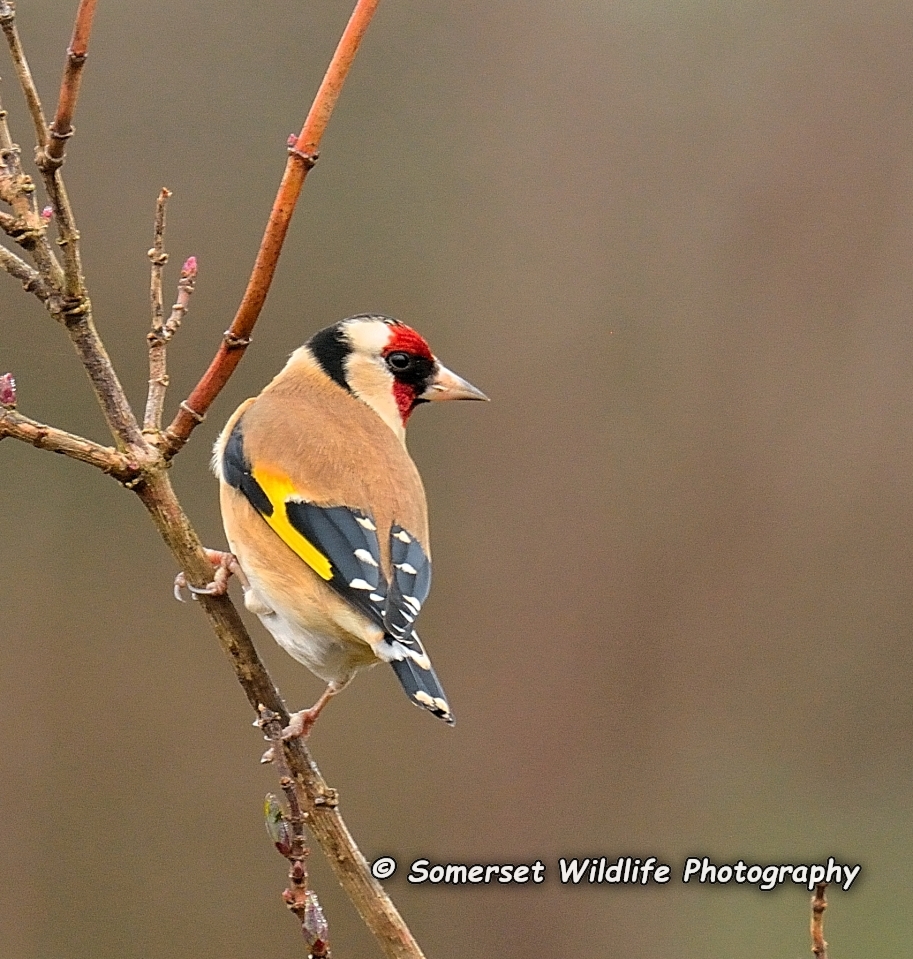
- NAME: Goldfinch – Carduelis carduelis / WINGSPAN: 21-25cm / SOMERSET STATUS: Common and widespread. Often found in numbers on seed-heads – Top tip is to leave seed-heads on perennial plants through winter to attract a ‘raiding party’ to your garden / DIET: Seeds and insects in summer /
-
- NAME: Goldfinch – Carduelis carduelis / WINGSPAN: 21-25cm / SOMERSET STATUS: Common and widespread. Often found in numbers on seed-heads – Top tip is to leave seed-heads on perennial plants through winter to attract a ‘raiding party’ to your garden / DIET: Seeds and insects in summer /
-
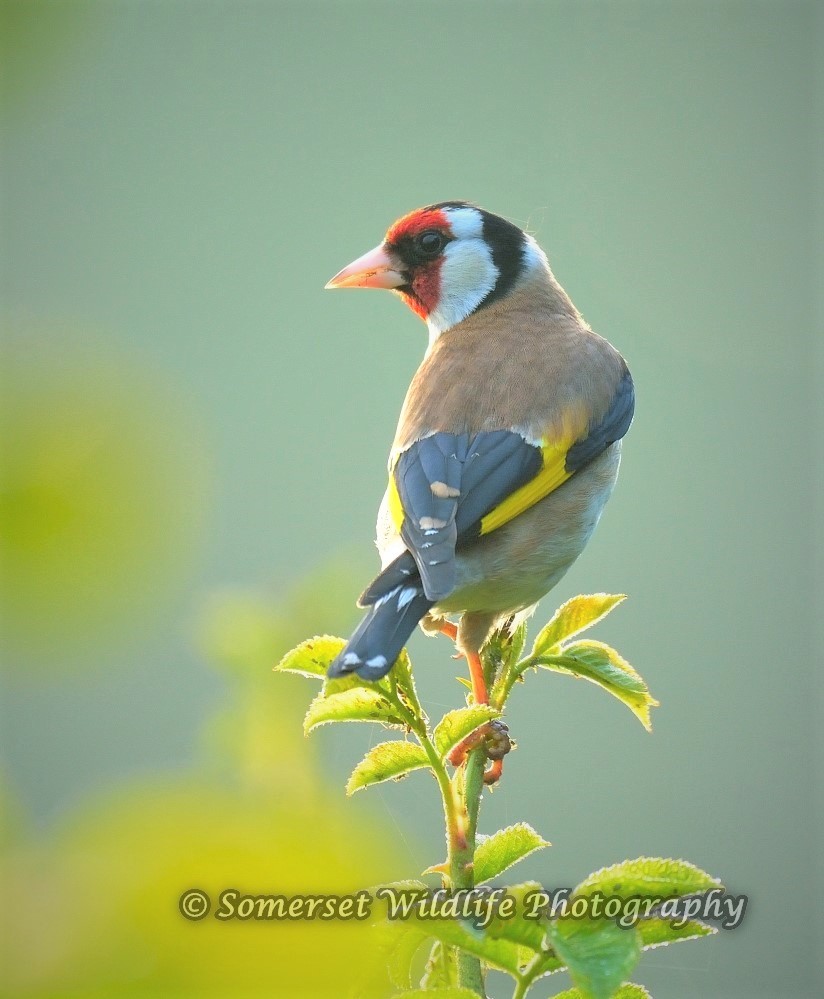
- NAME: Goldfinch – Carduelis carduelis / WINGSPAN: 21-25cm / SOMERSET STATUS: Common and widespread. Often found in numbers on seed-heads – Top tip is to leave seed-heads on perennial plants through winter to attract a ‘raiding party’ to your garden / DIET: Seeds and insects in summer /
-
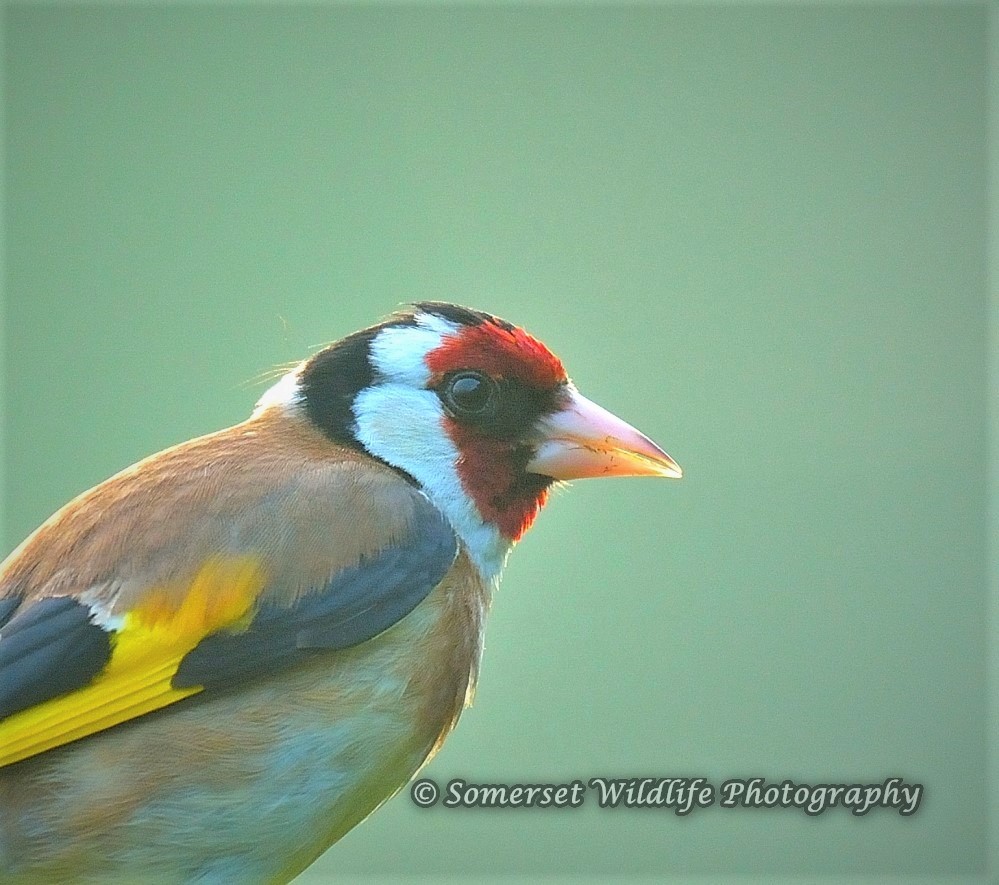
- NAME: Goldfinch – Carduelis carduelis / WINGSPAN: 21-25cm / SOMERSET STATUS: Common and widespread. Often found in numbers on seed-heads – Top tip is to leave seed-heads on perennial plants through winter to attract a ‘raiding party’ to your garden / DIET: Seeds and insects in summer /
-
- NAME: Bullfinch – Pyrrhula pyrrhula / WINGSPAN: 22-26cm / SOMERSET STATUS: Widespread and although not seen so much they are doing OK in Somerset – They spend a lot of time in trees and bushes eating seeds and buds but give themselves away with their one pitch call often described as a creaky barn door! / DIET: Seeds, buds and insects (for young) Found to love Honeysuckle berries in our garden /

-
- NAME: Bullfinch – Pyrrhula pyrrhula / WINGSPAN: 22-26cm / SOMERSET STATUS: Widespread and although not seen so much they are doing OK in Somerset – They spend a lot of time in trees and bushes eating seeds and buds but give themselves away with their one pitch call often described as a creaky barn door! / DIET: Seeds, buds and insects (for young) Found to love Honeysuckle berries in our garden /

-

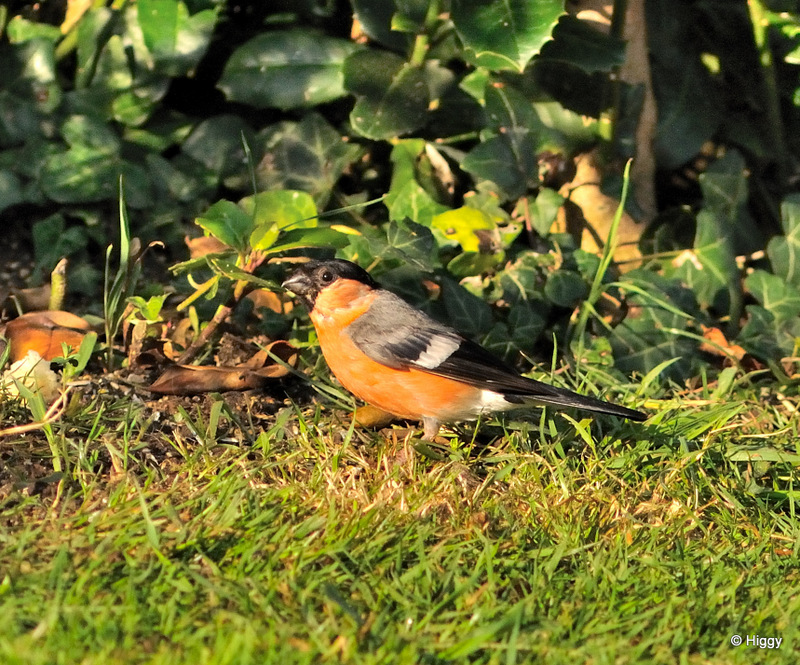
- NAME: Bullfinch – Pyrrhula pyrrhula / WINGSPAN: 22-26cm / SOMERSET STATUS: Widespread and although not seen so much they are doing OK in Somerset – They spend a lot of time in trees and bushes eating seeds and buds but give themselves away with their one pitch call often described as a creaky barn door! / DIET: Seeds, buds and insects (for young) Found to love Honeysuckle berries in our garden /
-
- NAME: Bullfinch – Pyrrhula pyrrhula / WINGSPAN: 22-26cm / SOMERSET STATUS: Widespread and although not seen so much they are doing OK in Somerset – They spend a lot of time in trees and bushes eating seeds and buds but give themselves away with their one pitch call often described as a creaky barn door! / DIET: Seeds, buds and insects (for young) Found to love Honeysuckle berries in our garden /

-
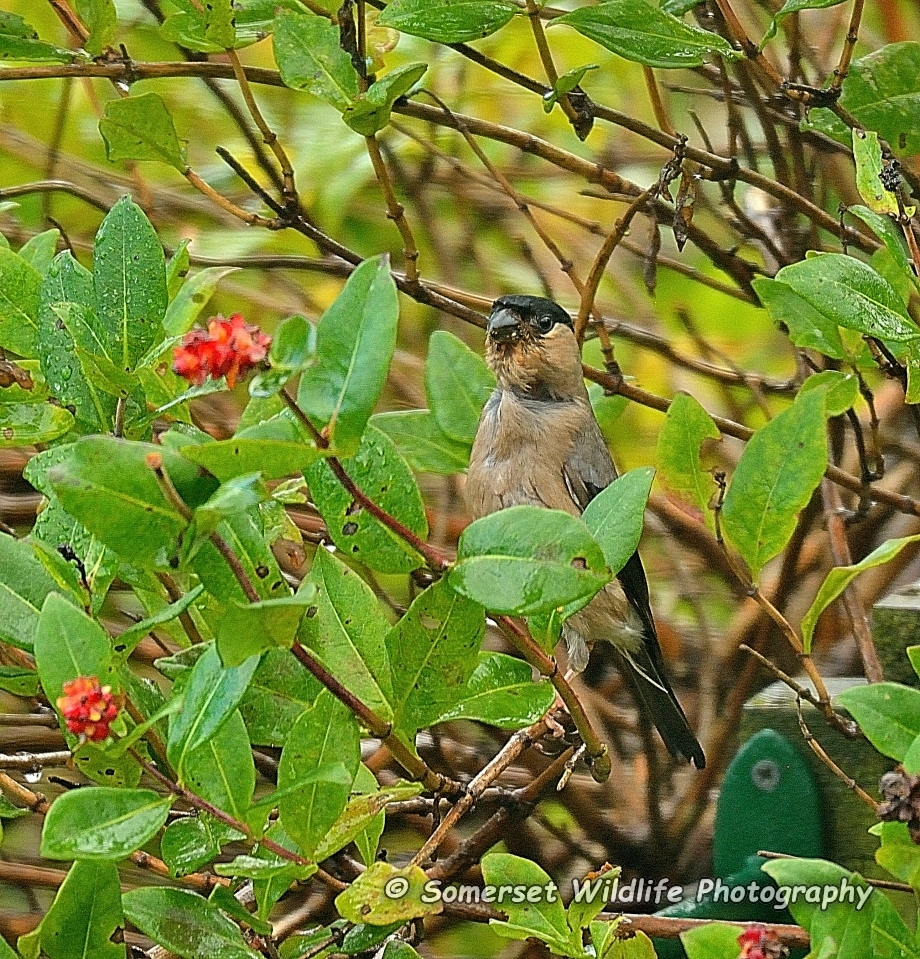
- NAME: Bullfinch – Pyrrhula pyrrhula / WINGSPAN: 22-26cm / SOMERSET STATUS: Widespread and although not seen so much they are doing OK in Somerset – They spend a lot of time in trees and bushes eating seeds and buds but give themselves away with their one pitch call often described as a creaky barn door! / DIET: Seeds, buds and insects (for young) Found to love Honeysuckle berries in our garden /
-
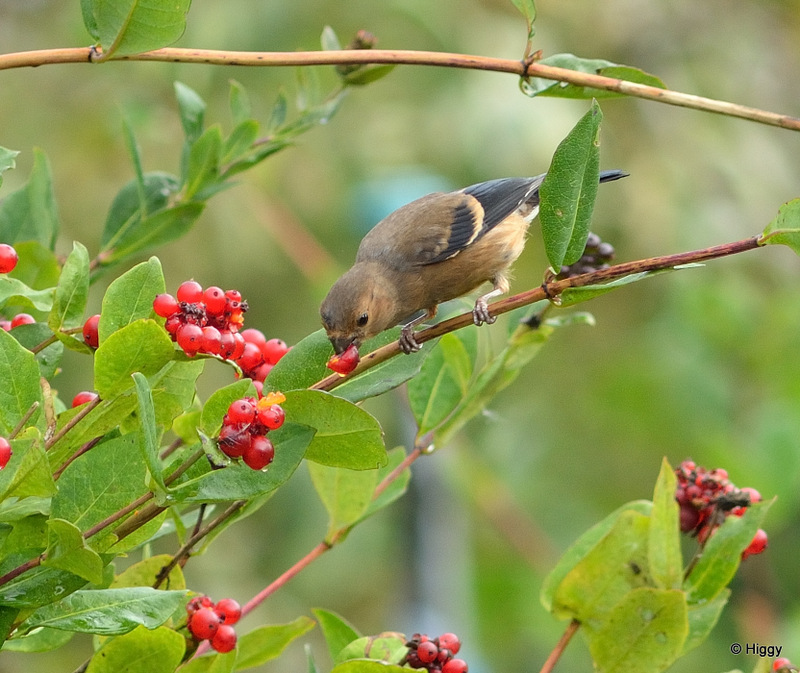
- NAME: Bullfinch – Pyrrhula pyrrhula / WINGSPAN: 22-26cm / SOMERSET STATUS: Widespread and although not seen so much they are doing OK in Somerset – They spend a lot of time in trees and bushes eating seeds and buds but give themselves away with their one pitch call often described as a creaky barn door! / DIET: Seeds, buds and insects (for young) Found to love Honeysuckle berries in our garden /
-
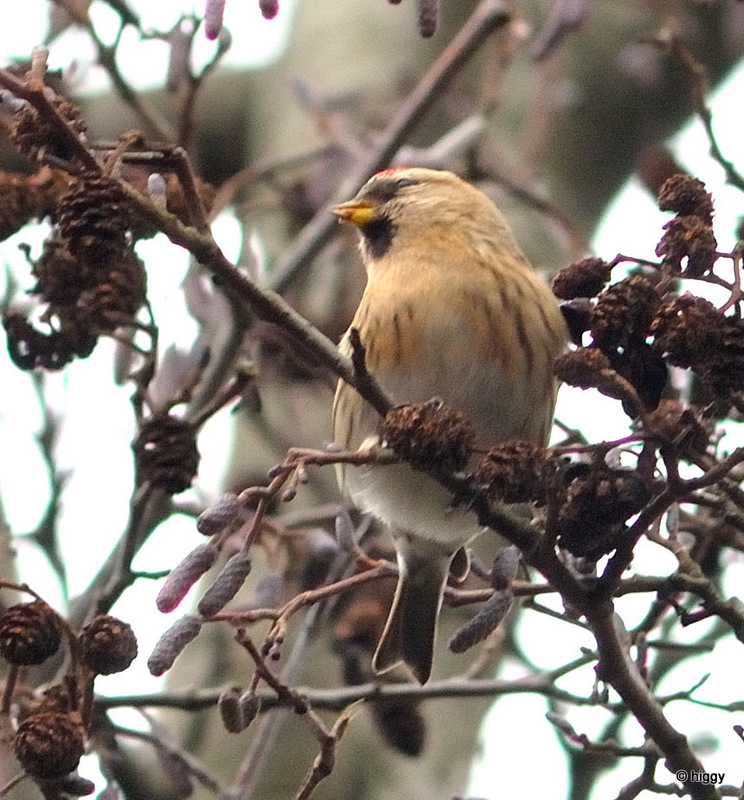
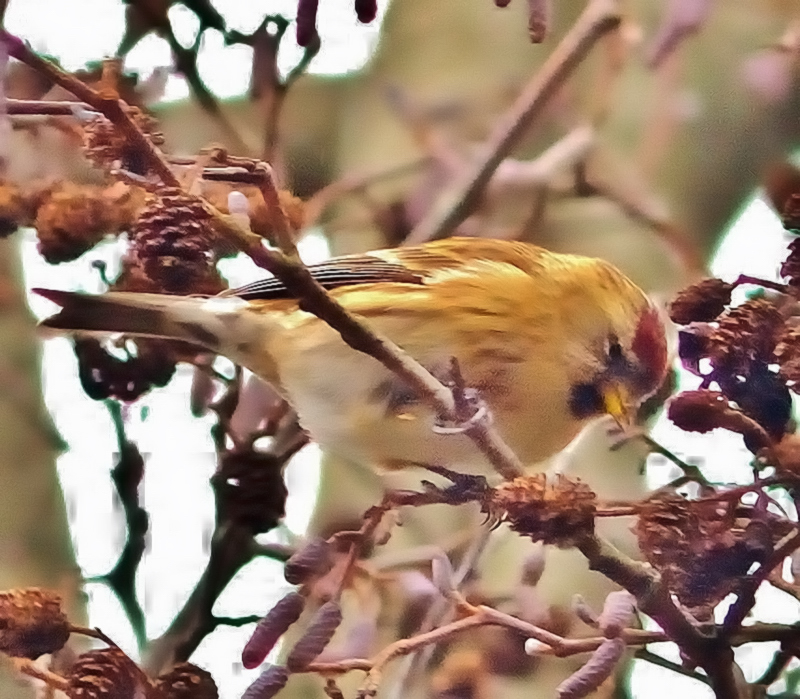
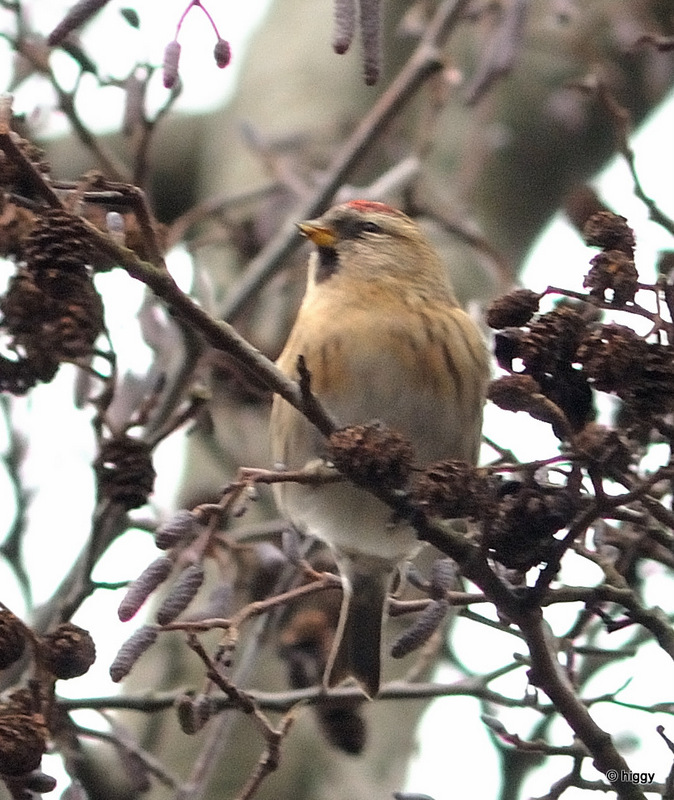
- NAME: Lesser Redpol – Acanthis cabaret / WINGSPAN: 20-22cm / SOMERSET STATUS: Not common in Somerset and a UK red listed bird also – Generally a winter visitor in small pockets – Alder trees are always worth a scan for this bird that will hang upside down to feed / DIET: Seeds, particularly of birch and alder, plus plants like willowherb and sorrel, but they also visit bird feeders /
-
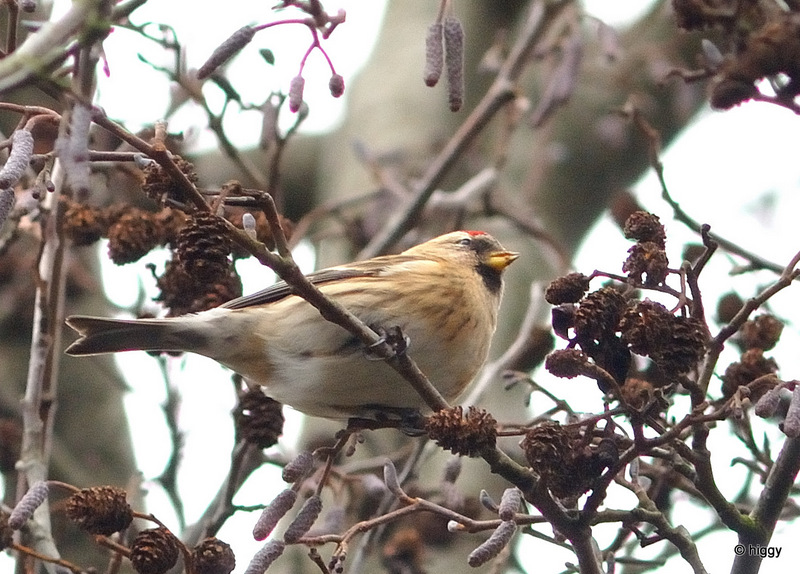
- NAME: Lesser Redpol – Acanthis cabaret / WINGSPAN: 20-22cm / SOMERSET STATUS: Not common in Somerset and a UK red listed bird also – Generally a winter visitor in small pockets – Alder trees are always worth a scan for this bird that will hang upside down to feed / DIET: Seeds, particularly of birch and alder, plus plants like willowherb and sorrel, but they also visit bird feeders /
-
- NAME: Lesser Redpol – Acanthis cabaret / WINGSPAN: 20-22cm / SOMERSET STATUS: Not common in Somerset and a UK red listed bird also – Generally a winter visitor in small pockets – Alder trees are always worth a scan for this bird that will hang upside down to feed / DIET: Seeds, particularly of birch and alder, plus plants like willowherb and sorrel, but they also visit bird feeders /
-
- NAME: Lesser Redpol – Acanthis cabaret / WINGSPAN: 20-22cm / SOMERSET STATUS: Not common in Somerset and a UK red listed bird also – Generally a winter visitor in small pockets – Alder trees are always worth a scan for this bird that will hang upside down to feed / DIET: Seeds, particularly of birch and alder, plus plants like willowherb and sorrel, but they also visit bird feeders /
-
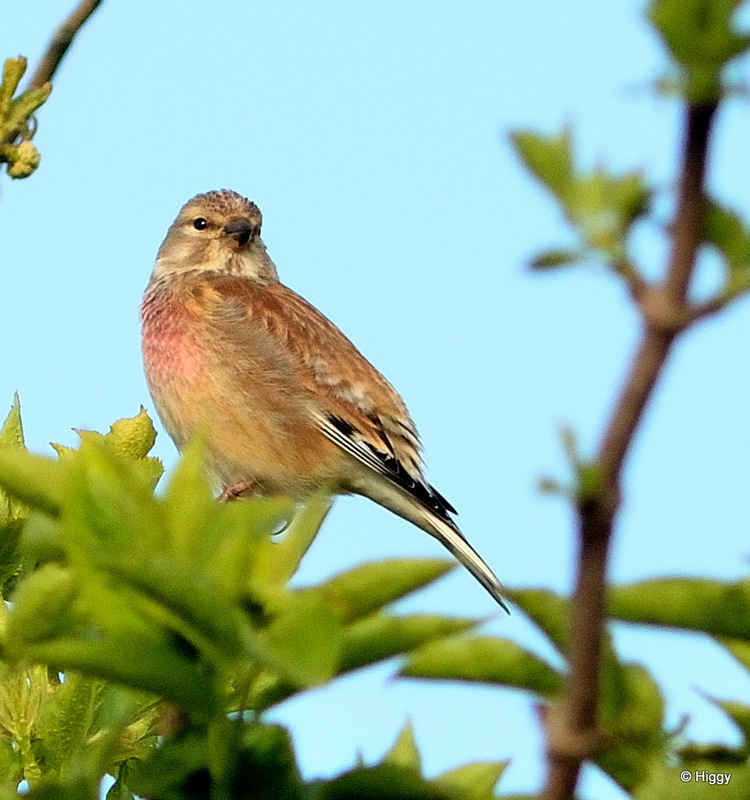
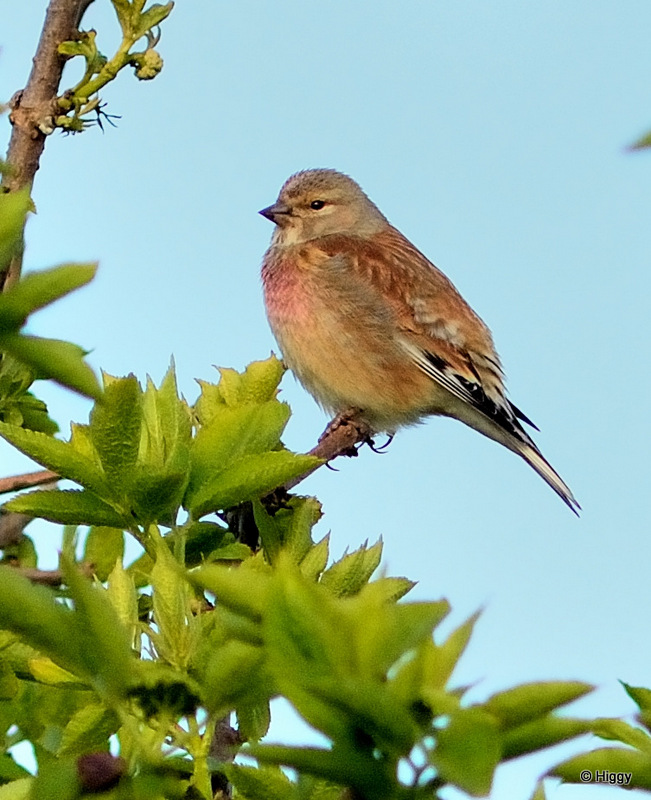
- NAME: Linnet – Carduelis cannabina / WINGSPAN: 20-22cm / SOMERSET STATUS: Fairly common in Somerset and in particular around coastal areas such as the Bristl Channel – A UK red listed bird / DIET: Seeds and insects /
-
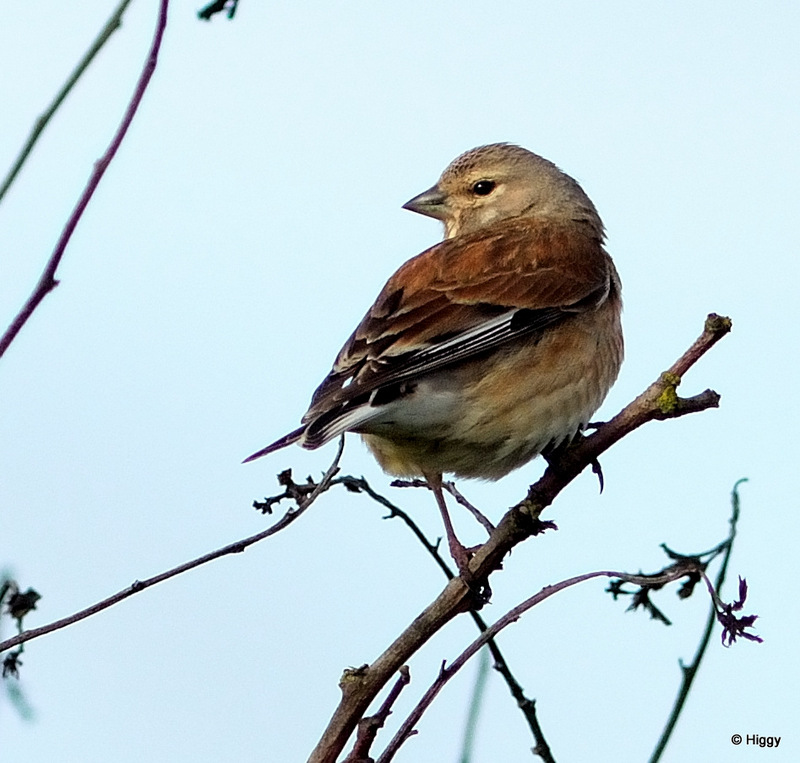
- NAME: Linnet – Carduelis cannabina / WINGSPAN: 20-22cm / SOMERSET STATUS: Fairly common in Somerset and in particular around coastal areas such as the Bristl Channel – A UK red listed bird / DIET: Seeds and insects /
-
- NAME: Linnet – Carduelis cannabina / WINGSPAN: 20-22cm / SOMERSET STATUS: Fairly common in Somerset and in particular around coastal areas such as the Bristl Channel – A UK red listed bird / DIET: Seeds and insects /
-
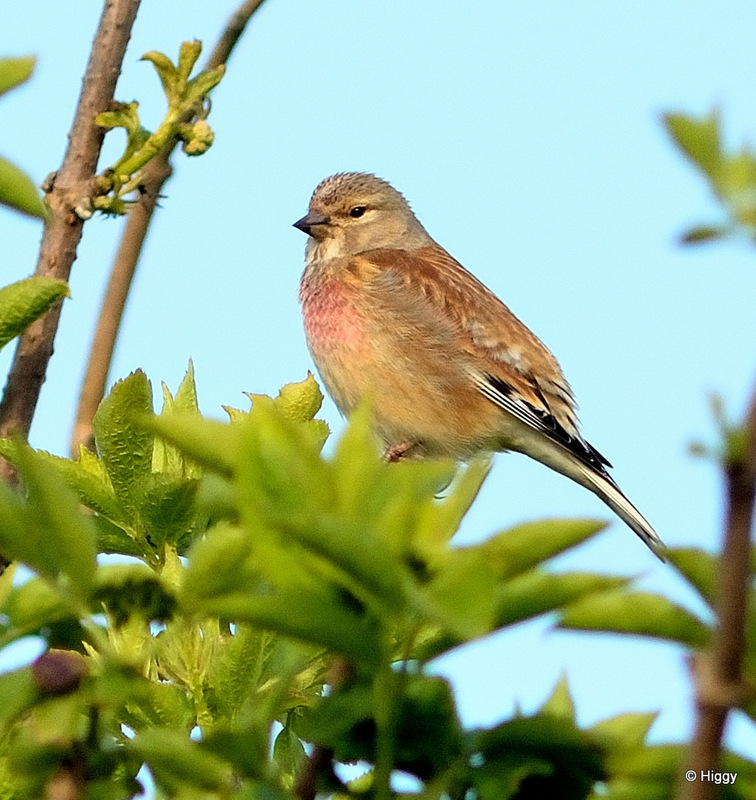
- NAME: Linnet – Carduelis cannabina / WINGSPAN: 20-22cm / SOMERSET STATUS: Fairly common in Somerset and in particular around coastal areas such as the Bristl Channel – A UK red listed bird / DIET: Seeds and insects /
-
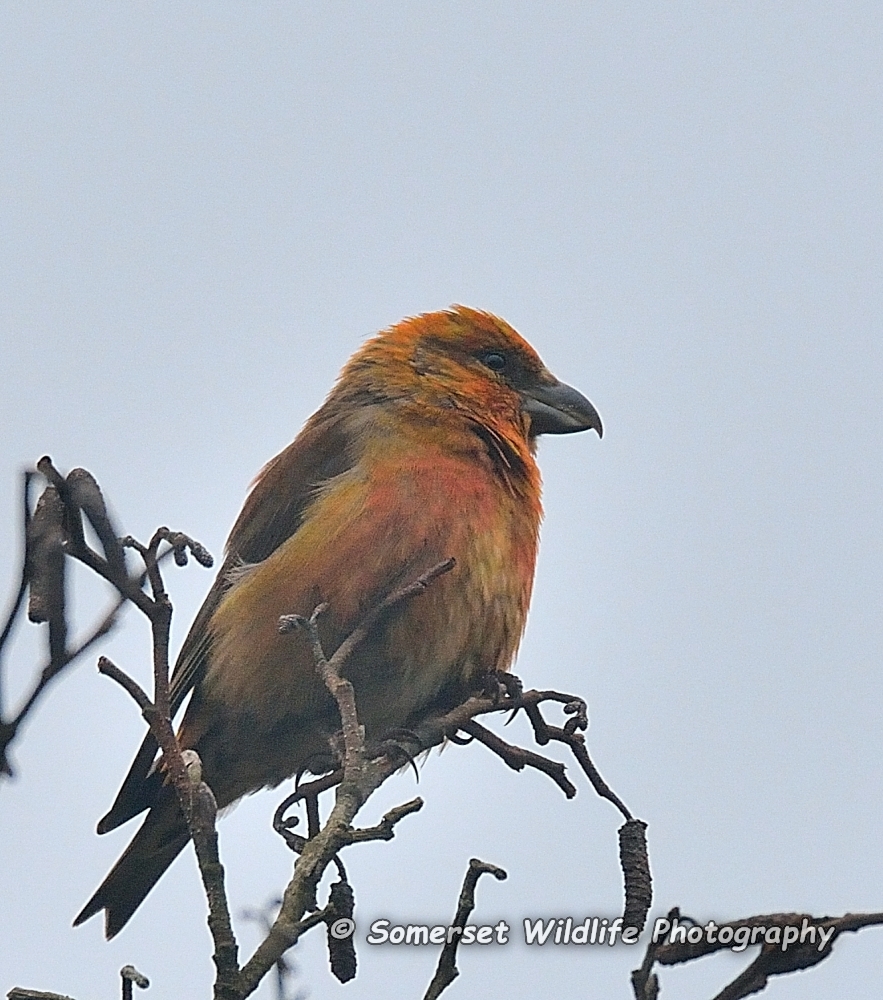
- NAME: Crossbill – Loxia curvirostra / WINGSPAN: 27-30cm / SOMERSET STATUS: Common when the right habitat is found but not widely spread – Conifer plantations is the best place and Stockwood plantations on the Mendip Hills is a reliable place to see these amazing birds. / DIET: Seeds from conifers /
-
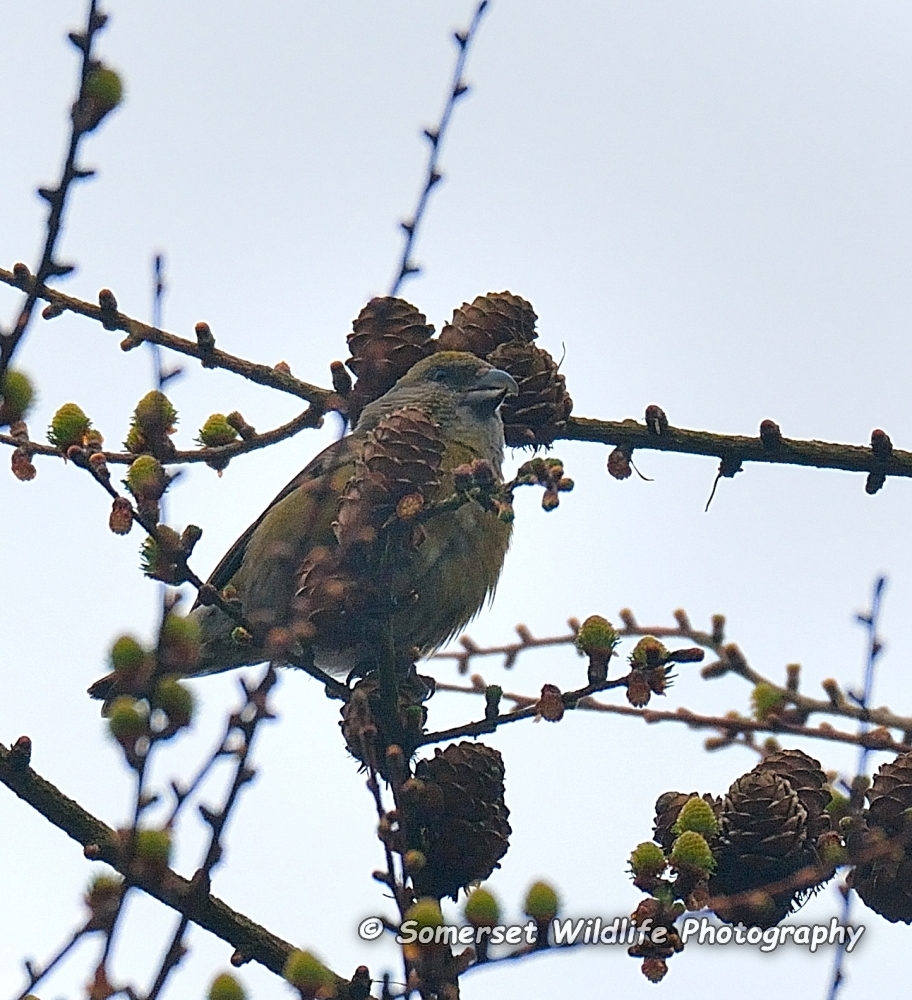
- NAME: Crossbill – Loxia curvirostra / WINGSPAN: 27-30cm / SOMERSET STATUS: Common when the right habitat is found but not widely spread – Conifer plantations is the best place and Stockwood plantations on the Mendip Hills is a reliable place to see these amazing birds. / DIET: Seeds from conifers /
-
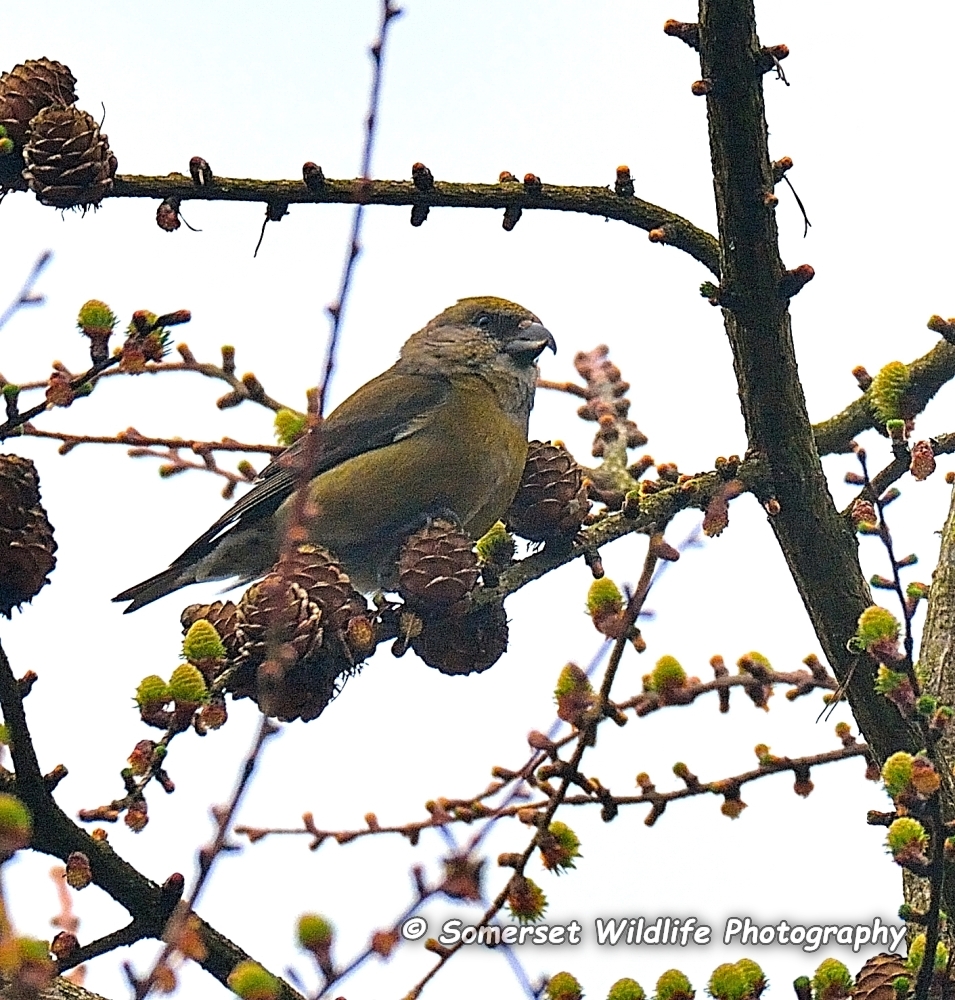
- NAME: Crossbill – Loxia curvirostra / WINGSPAN: 27-30cm / SOMERSET STATUS: Common when the right habitat is found but not widely spread – Conifer plantations is the best place and Stockwood plantations on the Mendip Hills is a reliable place to see these amazing birds. / DIET: Seeds from conifers /
-
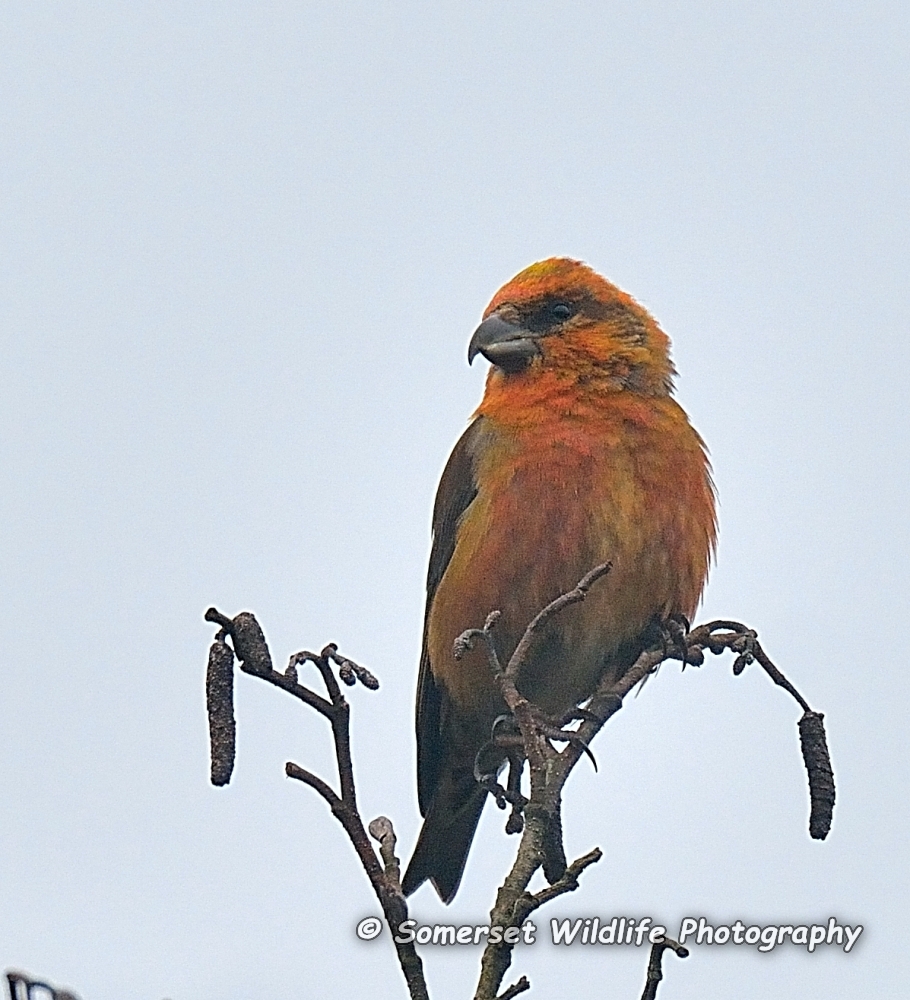
- NAME: Crossbill – Loxia curvirostra / WINGSPAN: 27-30cm / SOMERSET STATUS: Common when the right habitat is found but not widely spread – Conifer plantations is the best place and Stockwood plantations on the Mendip Hills is a reliable place to see these amazing birds. / DIET: Seeds from conifers /
-
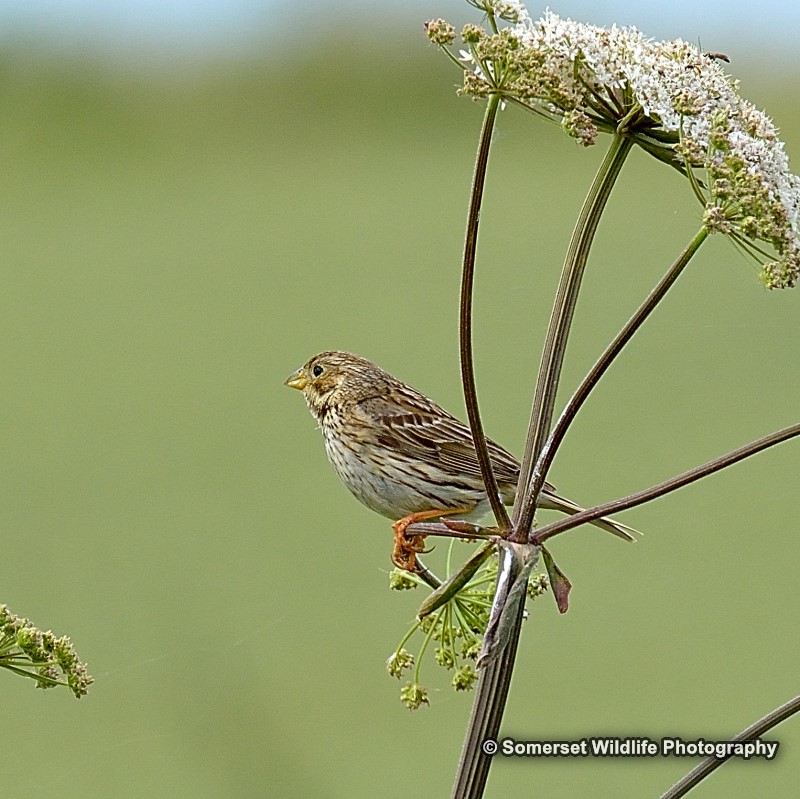
- NAME: Corn Bunting – Emberiza calandra / WINGSPAN: 26-32cm / SOMERSET STATUS: UK red list bird – I know of no Somerset sites for the corn bunting! Really sad and this picture was taking in the Oxfordshire uplands and used for demonstration purposes only here. / DIET: Insects and seeds /
-
- NAME: Corn Bunting – Emberiza calandra / WINGSPAN: 26-32cm / SOMERSET STATUS: UK red list bird – I know of no Somerset sites for the corn bunting! Really sad and this picture was taking in the Oxfordshire uplands and used for demonstration purposes only here. / DIET: Insects and seeds /

-

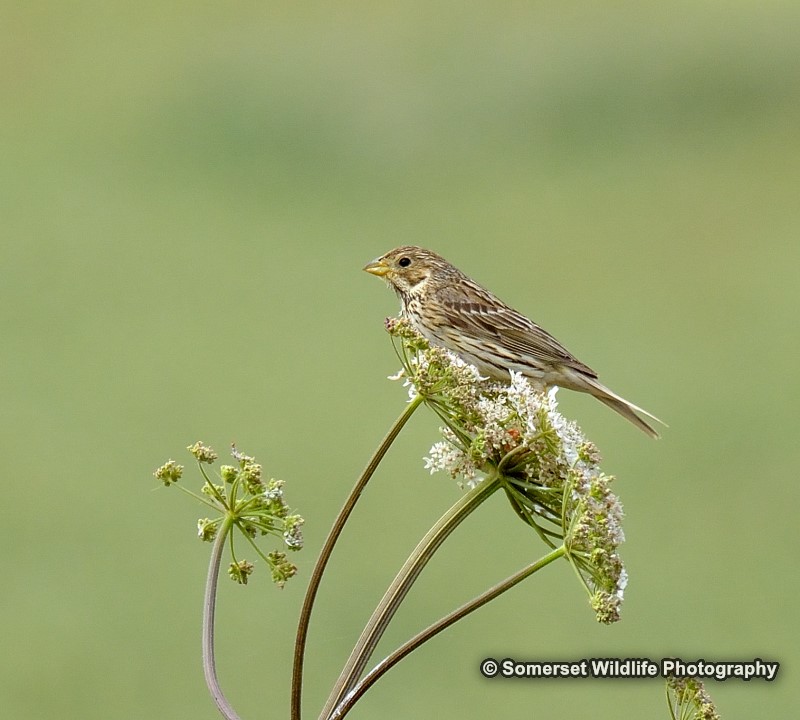
- NAME: Corn Bunting – Emberiza calandra / WINGSPAN: 26-32cm / SOMERSET STATUS: UK red list bird – I know of no Somerset sites for the corn bunting! Really sad and this picture was taking in the Oxfordshire uplands and used for demonstration purposes only here. / DIET: Insects and seeds /
-
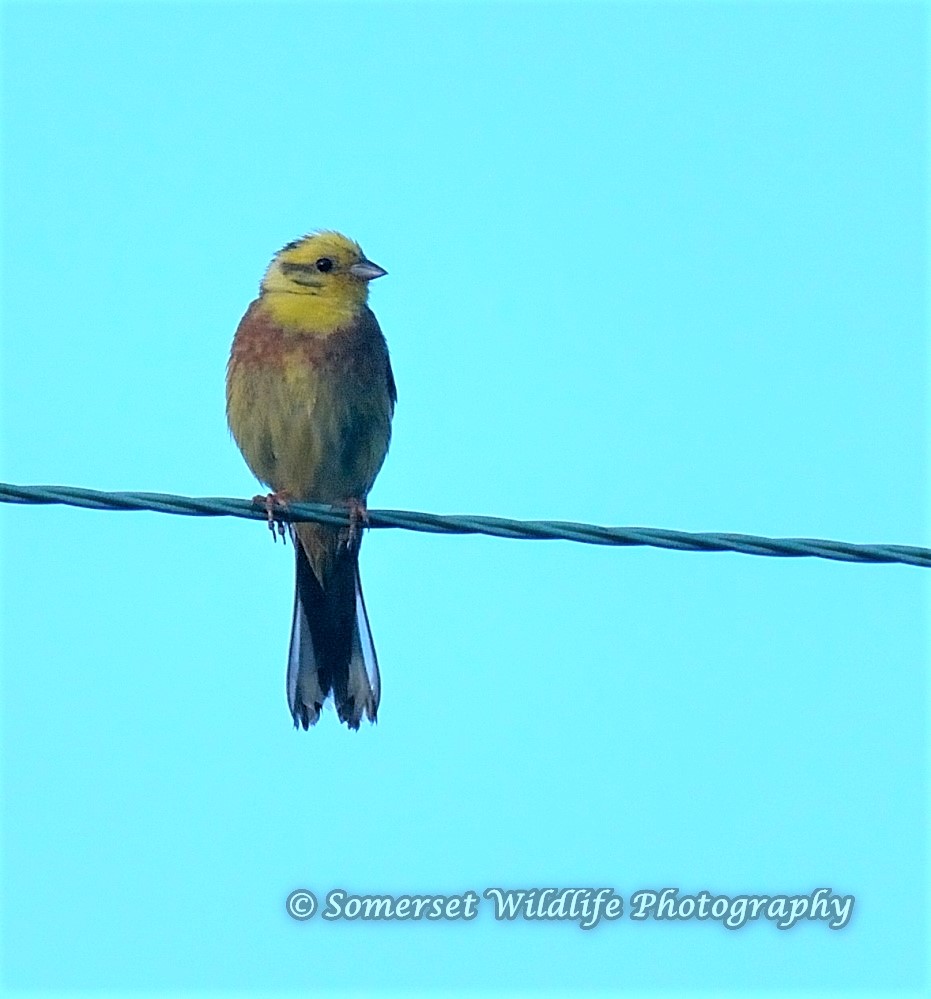
- NAME: Yellowhammer – Emberiza / WINGSPAN: 23-29cm / SOMERSET STATUS: A UK red species that suffered huge declines here in North Somerset, finally becoming extinct on my local wetland moor. – Last summer several pairs returned out of blue and nested successfully on the moor so fingers crossed that they will survive, stay and thrive! / DIET: Seeds and insects /
-

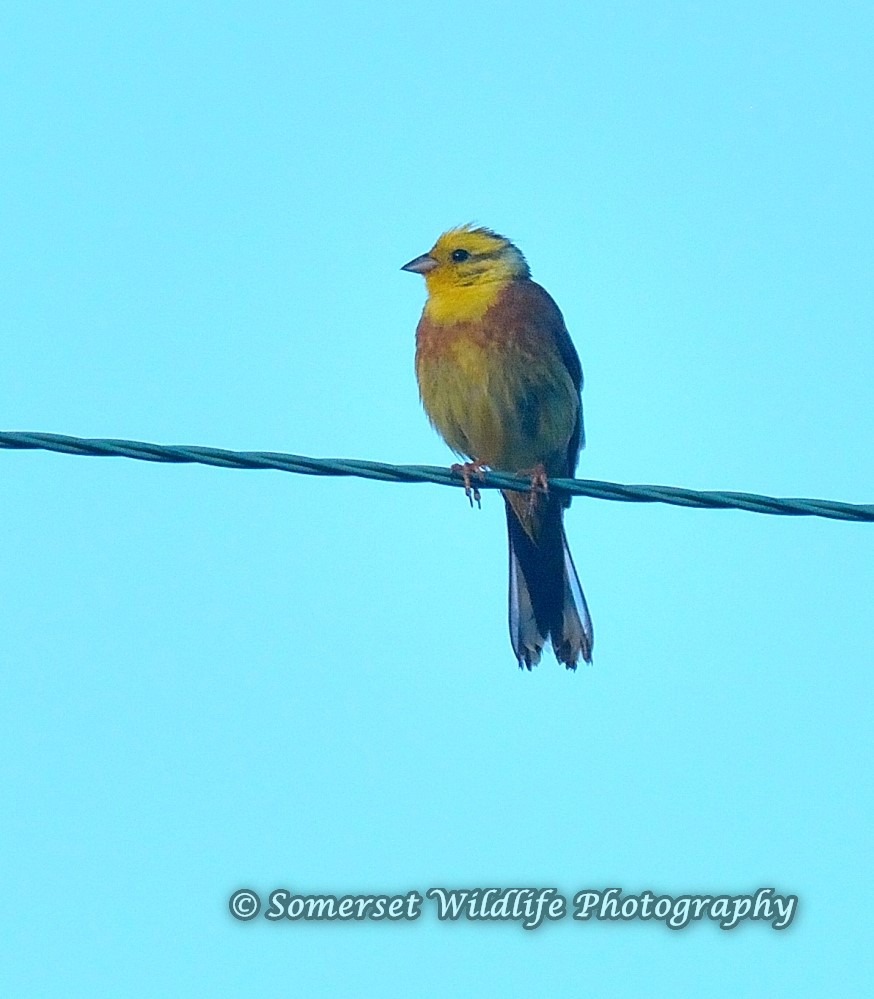
- NAME: Yellowhammer – Emberiza / WINGSPAN: 23-29cm / SOMERSET STATUS: A UK red species that suffered huge declines here in North Somerset, finally becoming extinct on my local wetland moor. – Last summer several pairs returned out of blue and nested successfully on the moor so fingers crossed that they will survive, stay and thrive! / DIET: Seeds and insects /
-
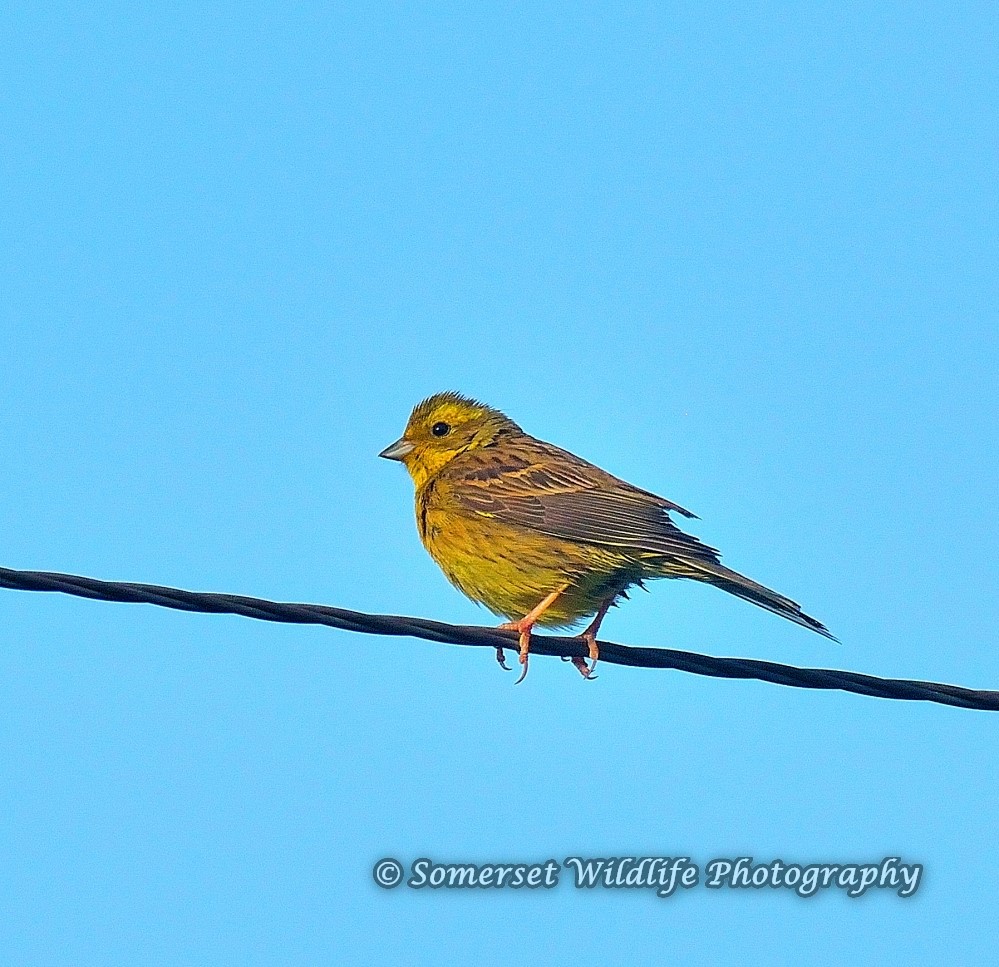
- NAME: Yellowhammer – Emberiza / WINGSPAN: 23-29cm / SOMERSET STATUS: A UK red species that suffered huge declines here in North Somerset, finally becoming extinct on my local wetland moor. – Last summer several pairs returned out of blue and nested successfully on the moor so fingers crossed that they will survive, stay and thrive! / DIET: Seeds and insects /
-
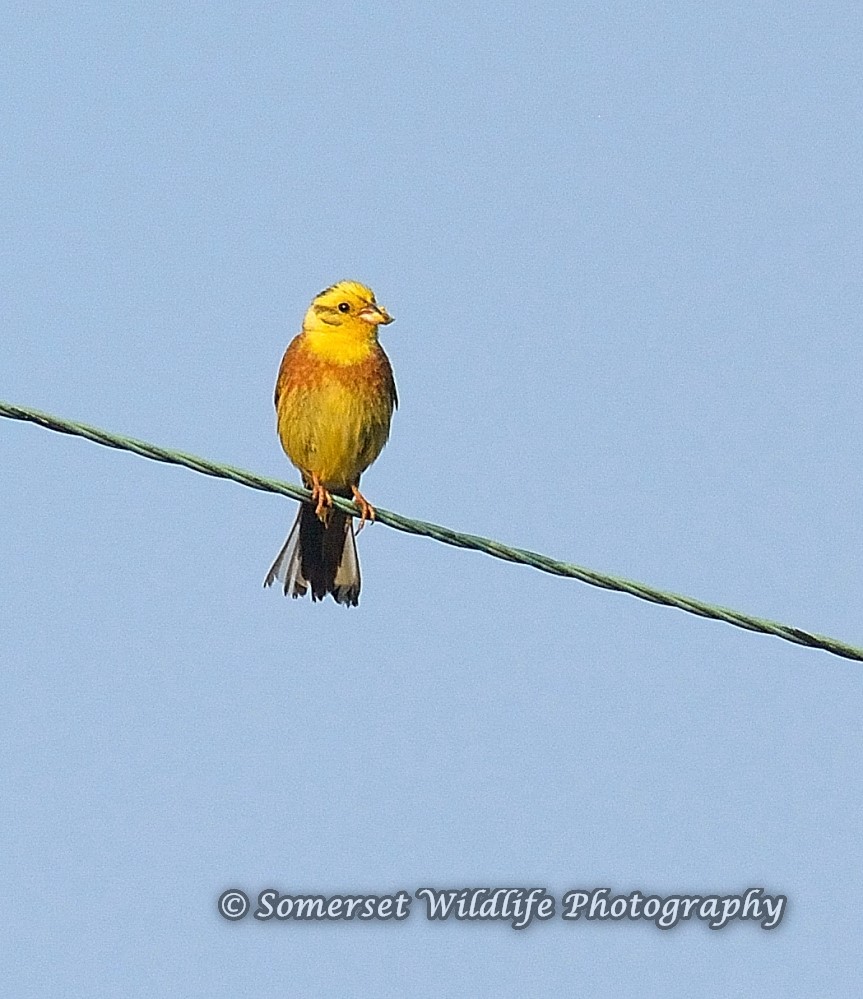
- NAME: Yellowhammer – Emberiza / WINGSPAN: 23-29cm / SOMERSET STATUS: A UK red species that suffered huge declines here in North Somerset, finally becoming extinct on my local wetland moor. – Last summer several pairs returned out of blue and nested successfully on the moor so fingers crossed that they will survive, stay and thrive! / DIET: Seeds and insects /
-
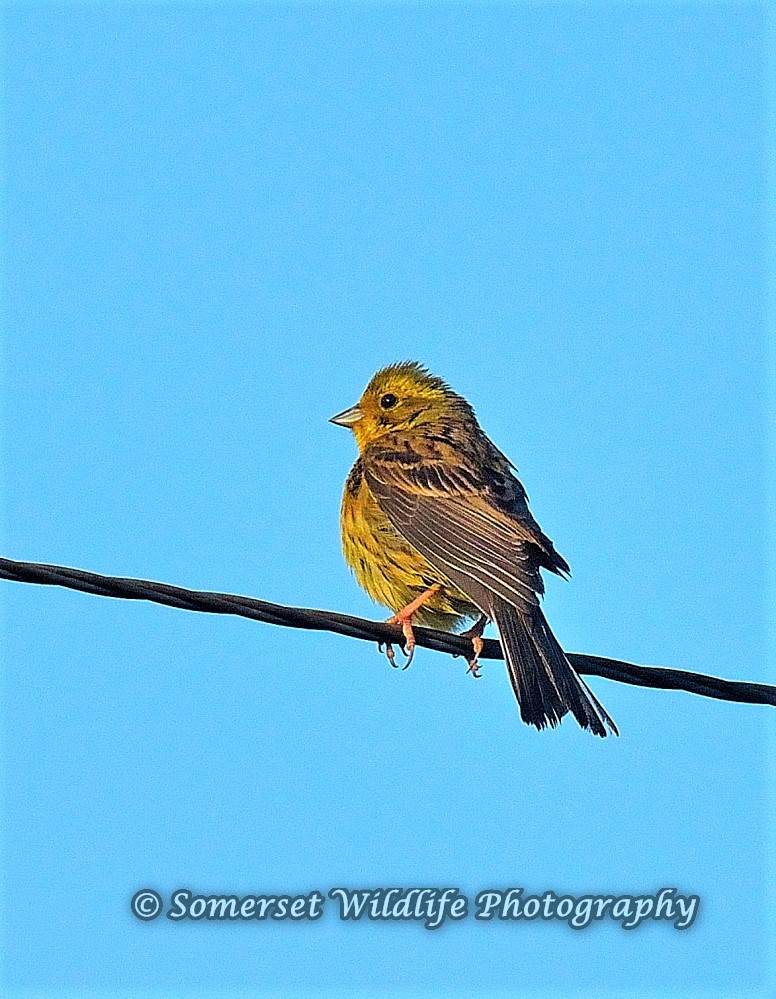
- NAME: Yellowhammer – Emberiza / WINGSPAN: 23-29cm / SOMERSET STATUS: A UK red species that suffered huge declines here in North Somerset, finally becoming extinct on my local wetland moor. – Last summer several pairs returned out of blue and nested successfully on the moor so fingers crossed that they will survive, stay and thrive! / DIET: Seeds and insects /
-
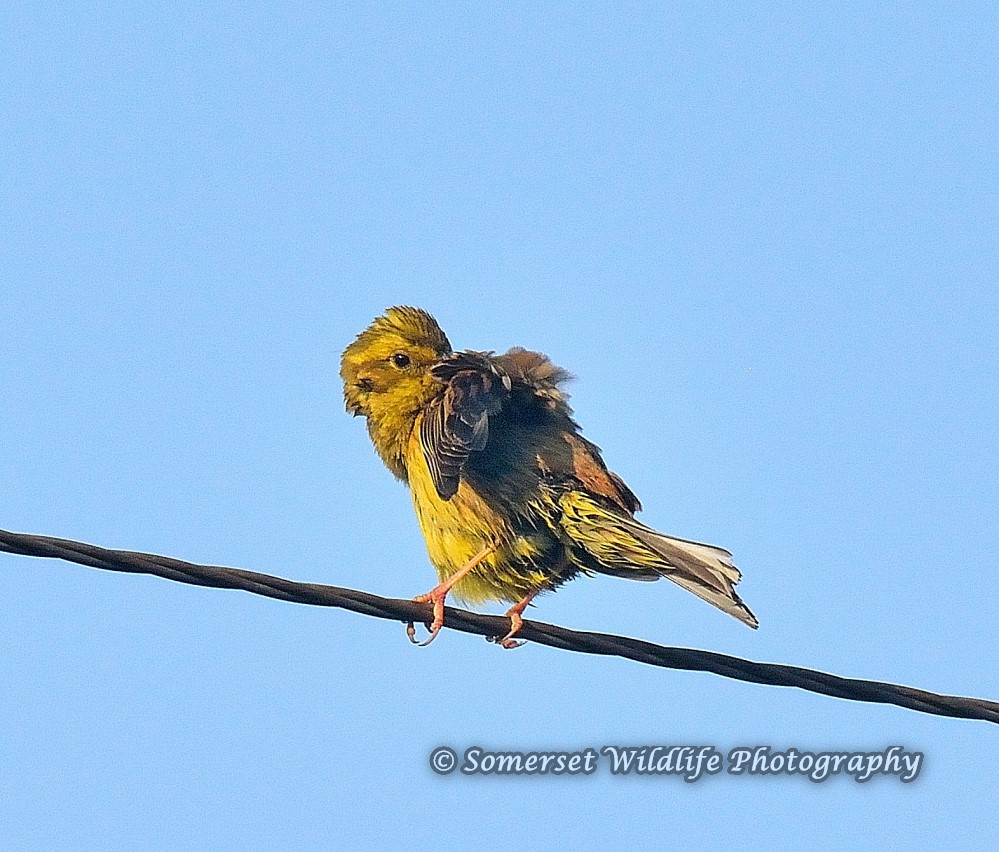
- NAME: Yellowhammer – Emberiza / WINGSPAN: 23-29cm / SOMERSET STATUS: A UK red species that suffered huge declines here in North Somerset, finally becoming extinct on my local wetland moor. – Last summer several pairs returned out of blue and nested successfully on the moor so fingers crossed that they will survive, stay and thrive! / DIET: Seeds and insects /
-
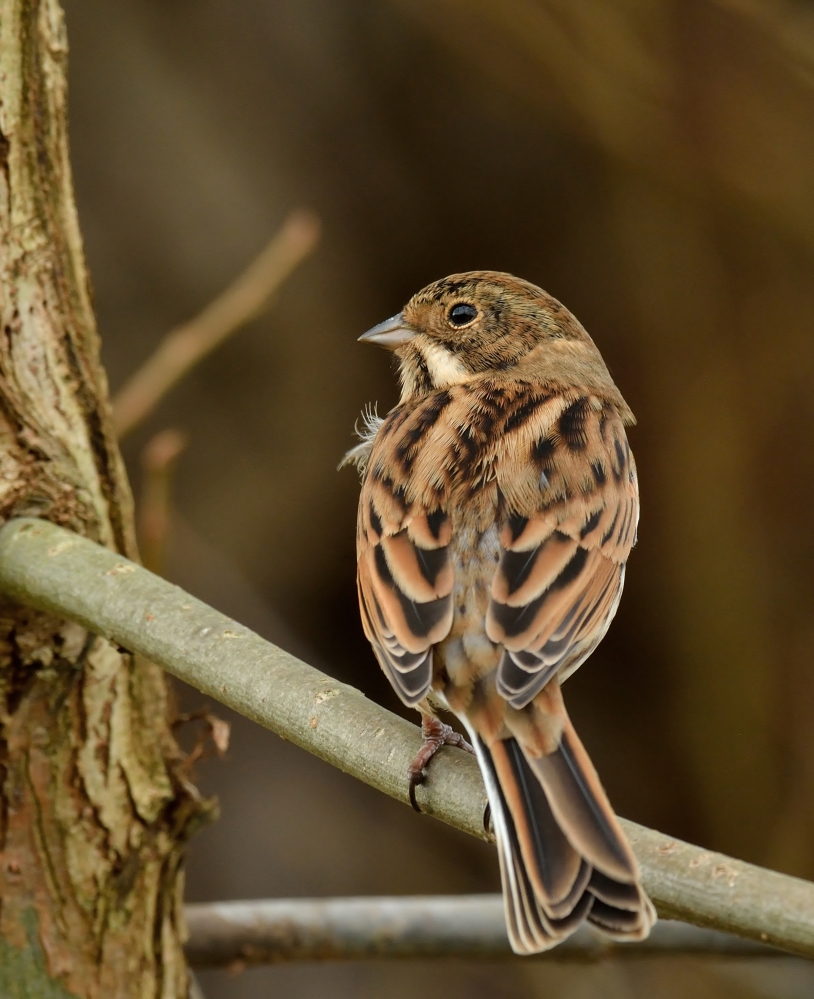
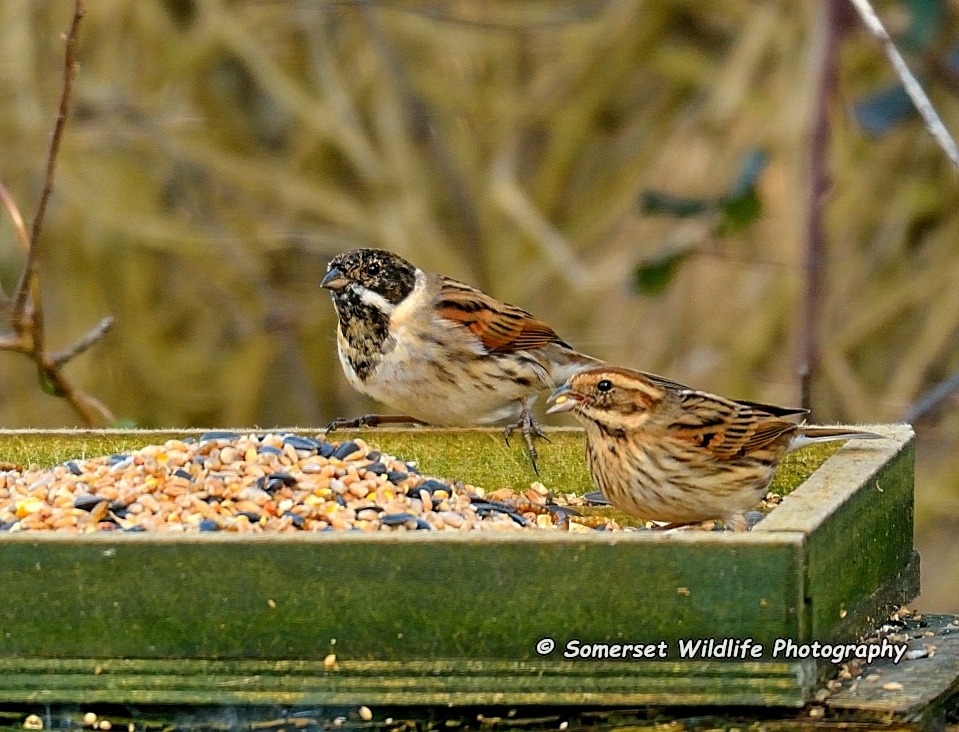
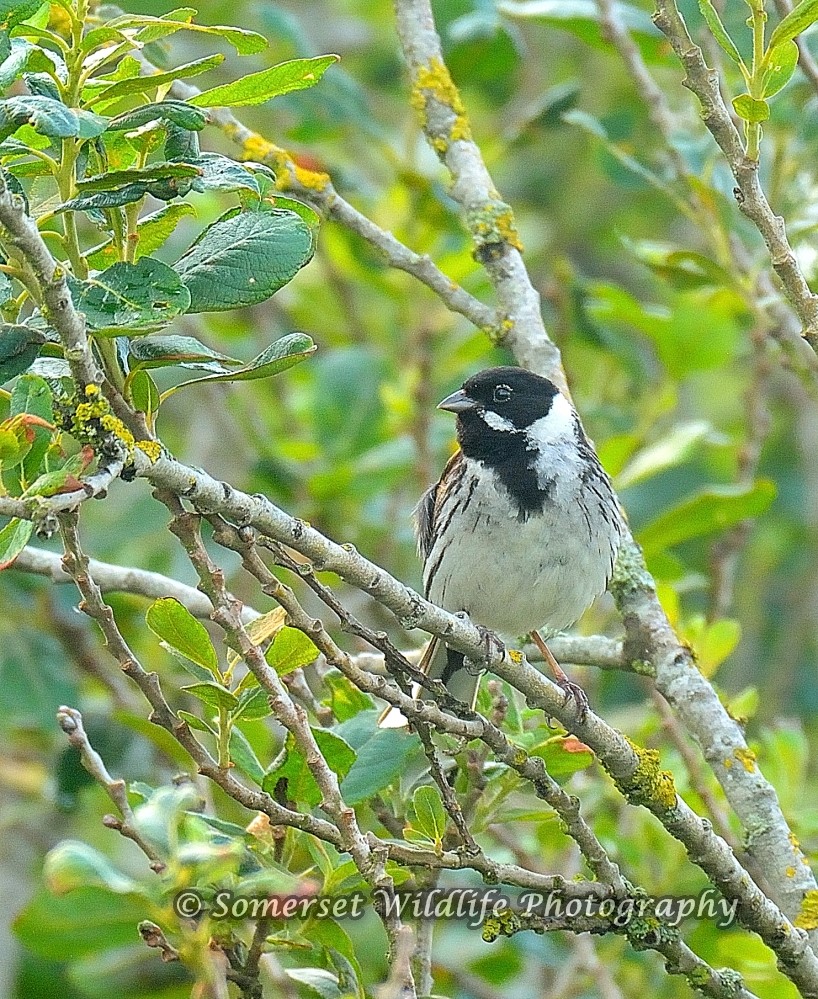
- NAME: Reed Bunting – Emberiza schoeniclus / WINGSPAN: 21-28cm / SOMERSET STATUS: Common in and around Somerset’s wetland. Regular winter visitors to garden feeders where they will sometimes spend a whole winter in a single garden and in good numbers – The recent warmer winters has seen then stay out in the countryside more as natural food must be more readily available in milder weather / DIET: Seeds and insects /
-
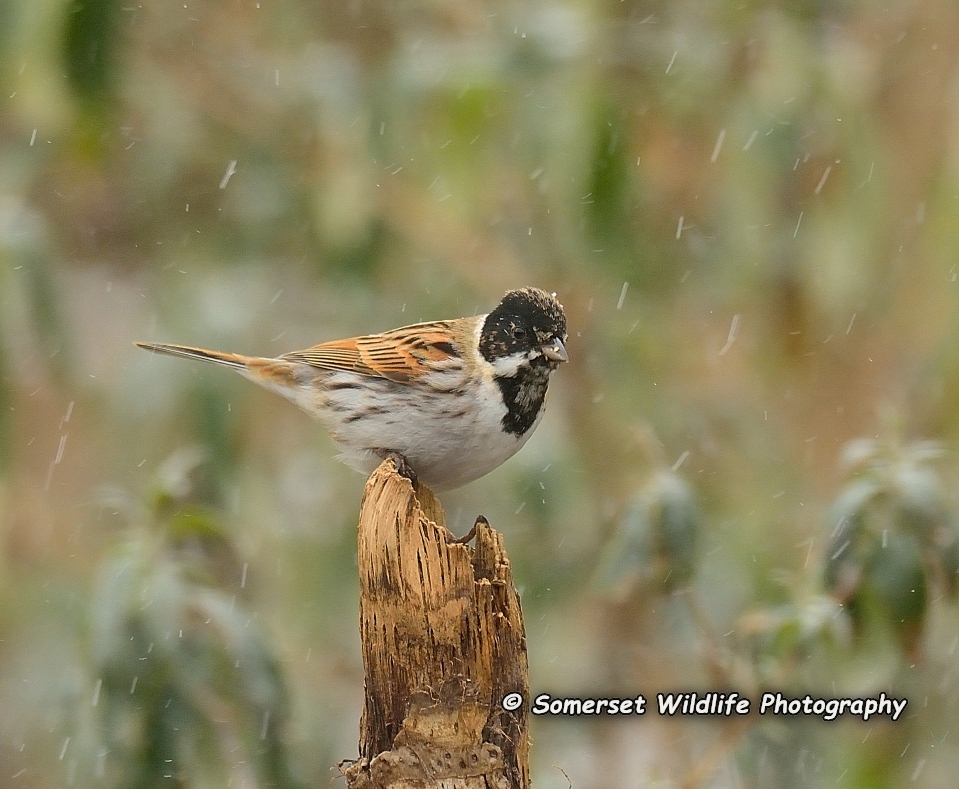
- NAME: Reed Bunting – Emberiza schoeniclus / WINGSPAN: 21-28cm / SOMERSET STATUS: Common in and around Somerset’s wetland. Regular winter visitors to garden feeders where they will sometimes spend a whole winter in a single garden and in good numbers – The recent warmer winters has seen then stay out in the countryside more as natural food must be more readily available in milder weather / DIET: Seeds and insects /
-
- NAME: Reed Bunting – Emberiza schoeniclus / WINGSPAN: 21-28cm / SOMERSET STATUS: Common in and around Somerset’s wetland. Regular winter visitors to garden feeders where they will sometimes spend a whole winter in a single garden and in good numbers – The recent warmer winters has seen then stay out in the countryside more as natural food must be more readily available in milder weather / DIET: Seeds and insects /

-
- NAME: Reed Bunting – Emberiza schoeniclus / WINGSPAN: 21-28cm / SOMERSET STATUS: Common in and around Somerset’s wetland. Regular winter visitors to garden feeders where they will sometimes spend a whole winter in a single garden and in good numbers – The recent warmer winters has seen then stay out in the countryside more as natural food must be more readily available in milder weather / DIET: Seeds and insects /
-
- NAME: Reed Bunting – Emberiza schoeniclus / WINGSPAN: 21-28cm / SOMERSET STATUS: Common in and around Somerset’s wetland. Regular winter visitors to garden feeders where they will sometimes spend a whole winter in a single garden and in good numbers – The recent warmer winters has seen then stay out in the countryside more as natural food must be more readily available in milder weather / DIET: Seeds and insects /
-
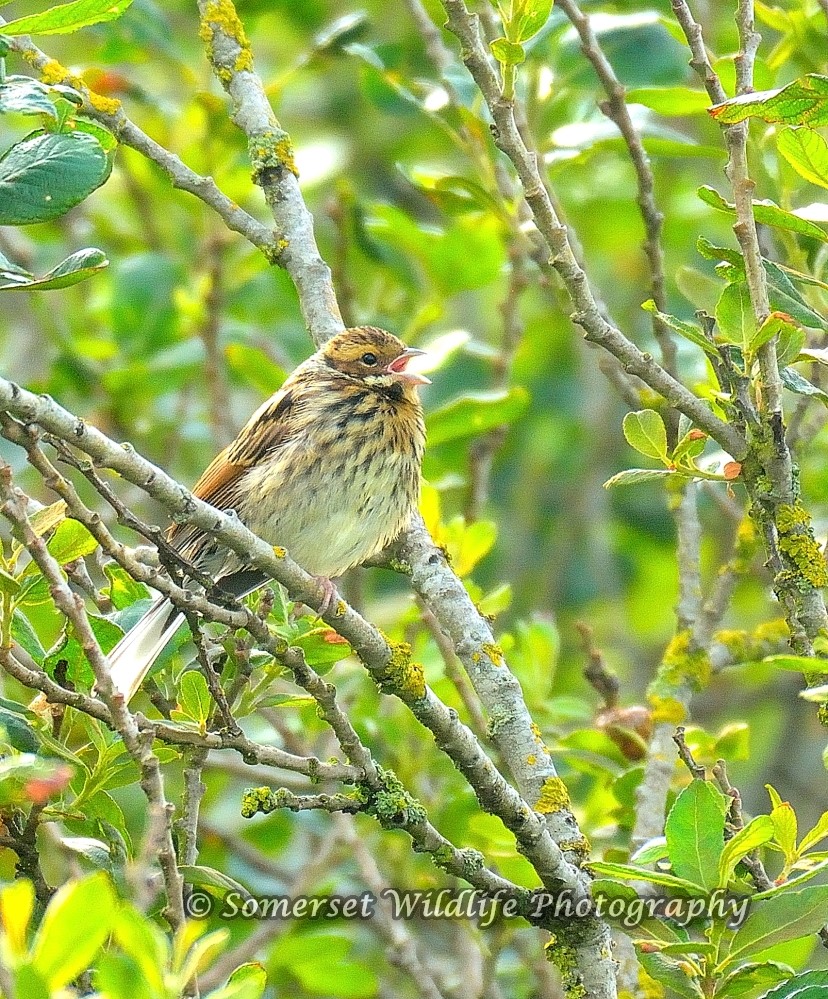
- NAME: Reed Bunting – Emberiza schoeniclus / WINGSPAN: 21-28cm / SOMERSET STATUS: Common in and around Somerset’s wetland. Regular winter visitors to garden feeders where they will sometimes spend a whole winter in a single garden and in good numbers – The recent warmer winters has seen then stay out in the countryside more as natural food must be more readily available in milder weather / DIET: Seeds and insects /
-
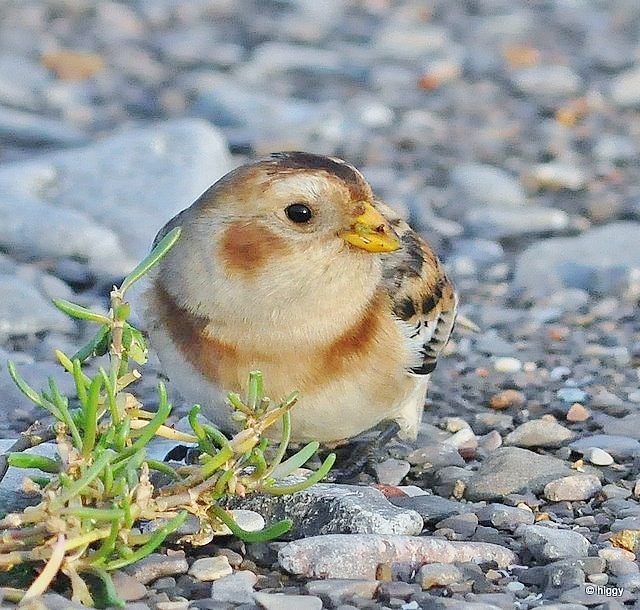
- NAME: Snow Bunting – Plectrophenax nivalis / WINGSPAN: 32-38cm / SOMERSET STATUS: Occasionally found on Somerset Coast in winter having probably been blown off course – A passage bird that will spend several days in the same place to refuel before moving on with its journey / DIET: Seeds and insects /
-

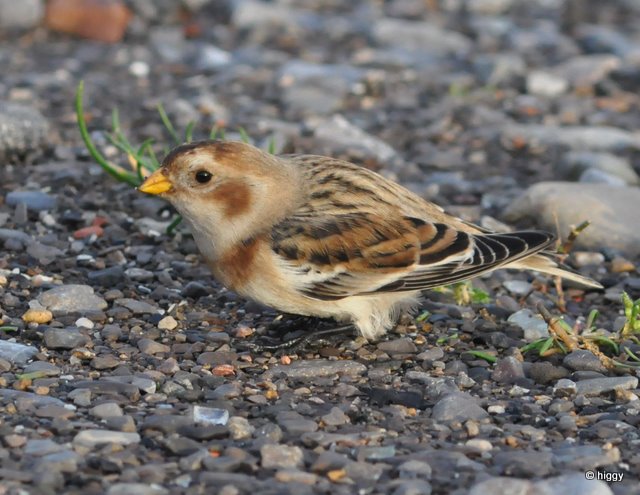
- NAME: Snow Bunting – Plectrophenax nivalis / WINGSPAN: 32-38cm / SOMERSET STATUS: Occasionally found on Somerset Coast in winter having probably been blown off course – A passage bird that will spend several days in the same place to refuel before moving on with its journey / DIET: Seeds and insects /
-
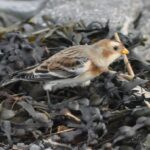
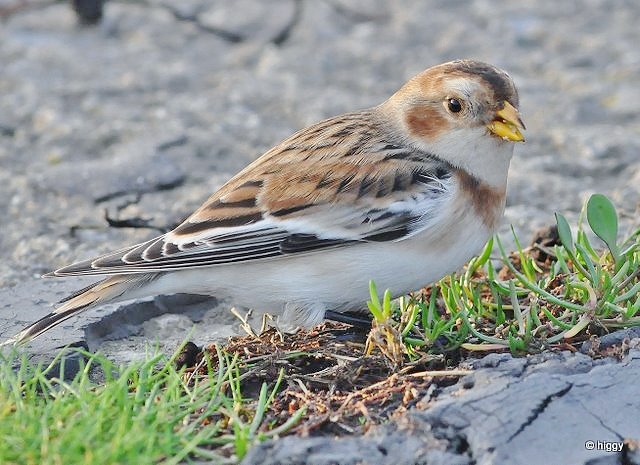
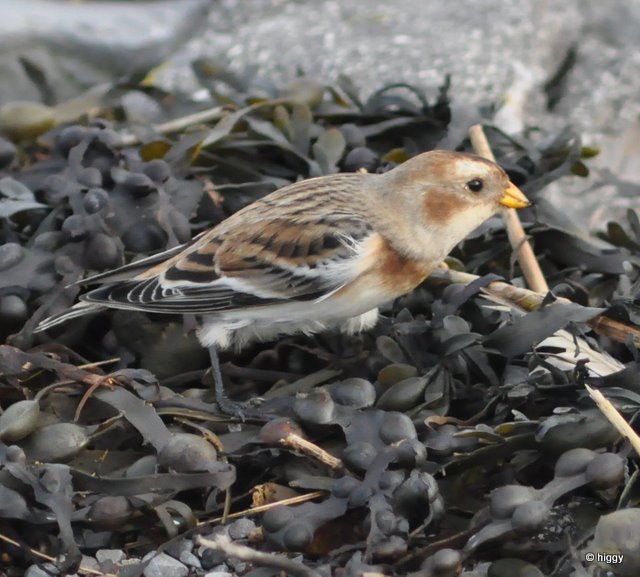
- NAME: Snow Bunting – Plectrophenax nivalis / WINGSPAN: 32-38cm / SOMERSET STATUS: Occasionally found on Somerset Coast in winter having probably been blown off course – A passage bird that will spend several days in the same place to refuel before moving on with its journey / DIET: Seeds and insects /
-
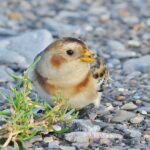
- NAME: Snow Bunting – Plectrophenax nivalis / WINGSPAN: 32-38cm / SOMERSET STATUS: Occasionally found on Somerset Coast in winter having probably been blown off course – A passage bird that will spend several days in the same place to refuel before moving on with its journey / DIET: Seeds and insects /