Recording Wildlife and Supporting Local Conservation within the Counties of Somerset

-
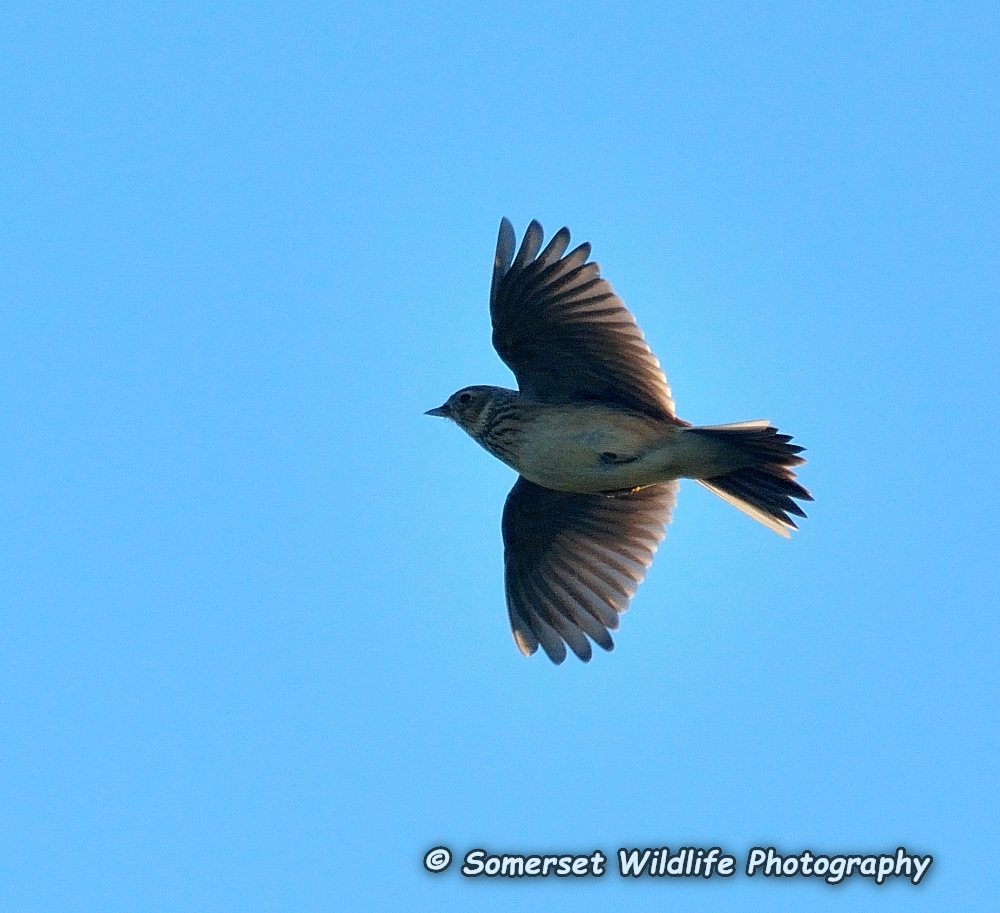
- NAME: Sky lark – Alauda arvensis / WINGSPAN: 30-36cm / SOMERSET STATUS: All year and locally common in Somerset, especially on the wet fields and marsh grazing land near and around the Bristol Channel. However a British red listed bird / DIET: Insects and seeds /
-
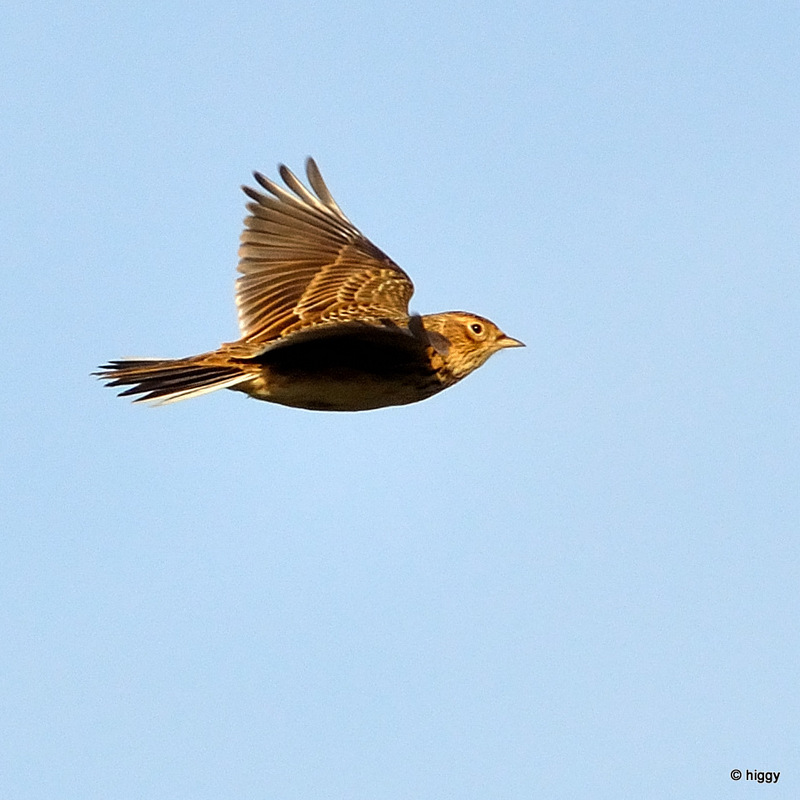
- NAME: Sky lark – Alauda arvensis / WINGSPAN: 30-36cm / SOMERSET STATUS: All year and locally common in Somerset, especially on the wet fields and marsh grazing land near and around the Bristol Channel. However a British red listed bird / DIET: Insects and seeds /
-
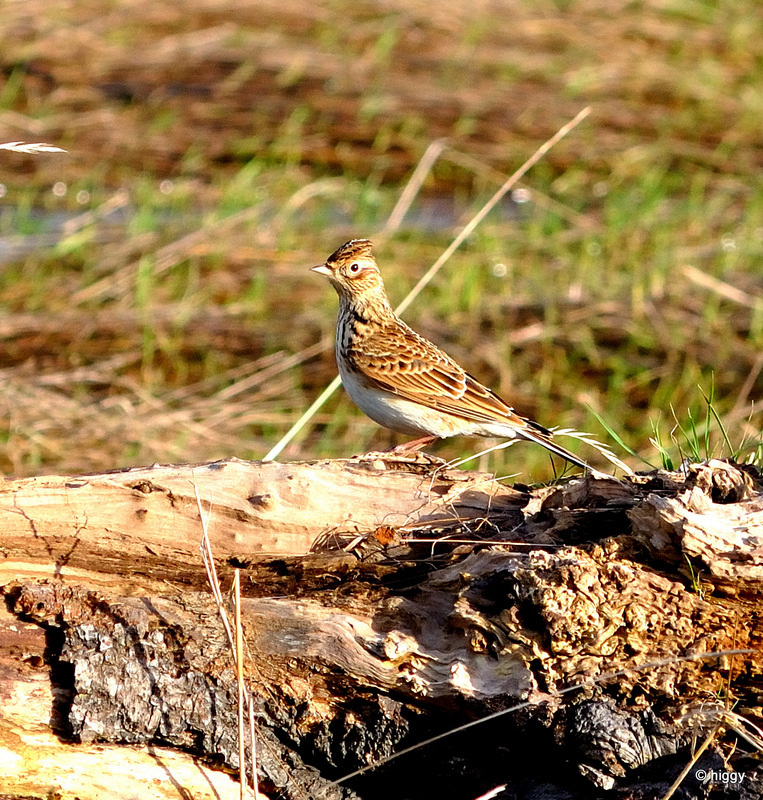
- NAME: Sky lark – Alauda arvensis / WINGSPAN: 30-36cm / SOMERSET STATUS: All year and locally common in Somerset, especially on the wet fields and marsh grazing land near and around the Bristol Channel. However a British red listed bird / DIET: Insects and seeds /
-

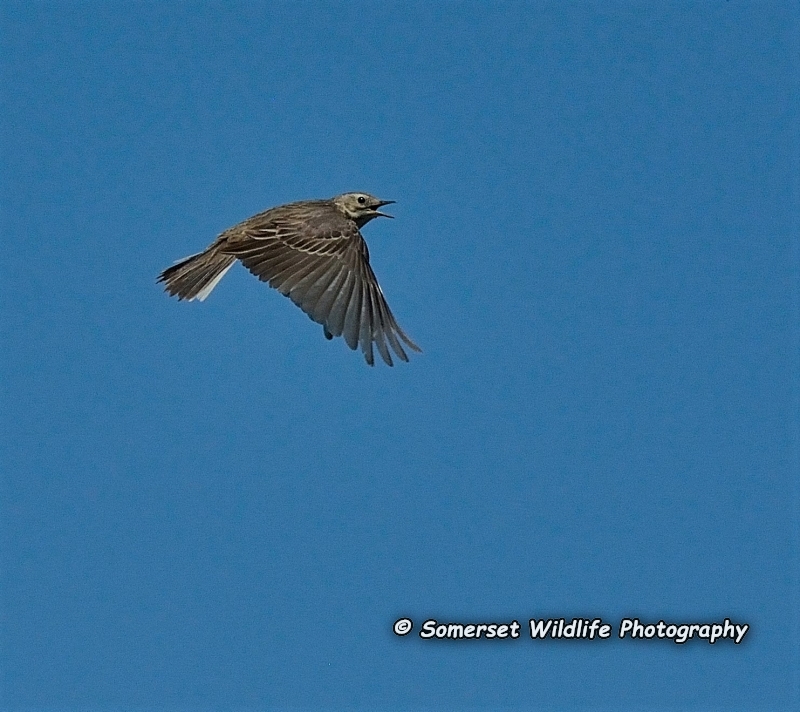
- NAME: Sky lark – Alauda arvensis / WINGSPAN: 30-36cm / SOMERSET STATUS: All year and locally common in Somerset, especially on the wet fields and marsh grazing land near and around the Bristol Channel. However a British red listed bird / DIET: Insects and seeds /
-
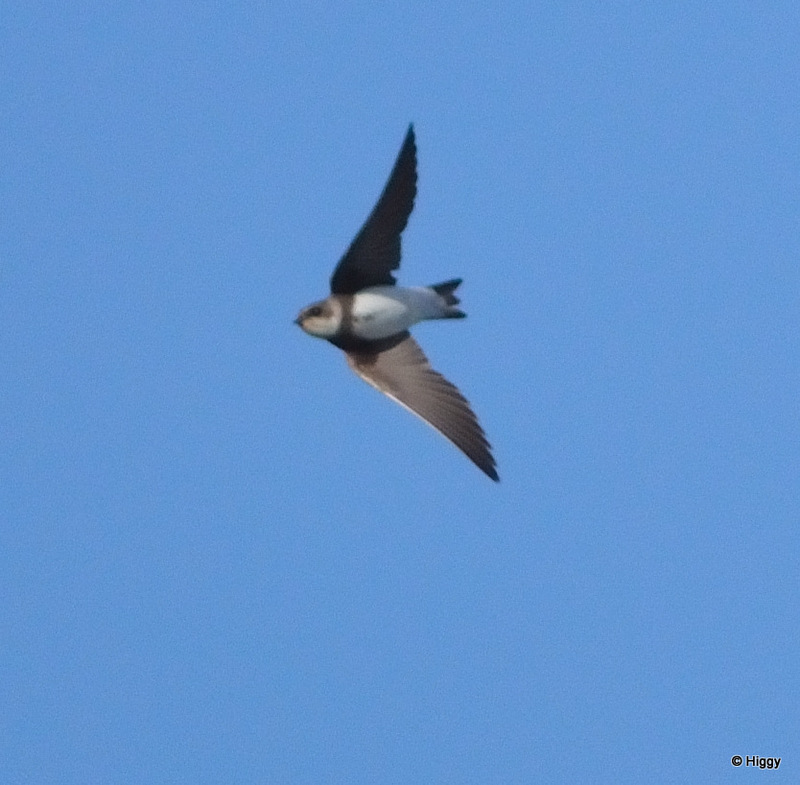
- NAME: Sand Martin – Riparia riparia / WINGSPAN: 26-29cm / SOMERSET STATUS: Summer migrant visitor – not common / DIET: Insects taken on the wing /
-
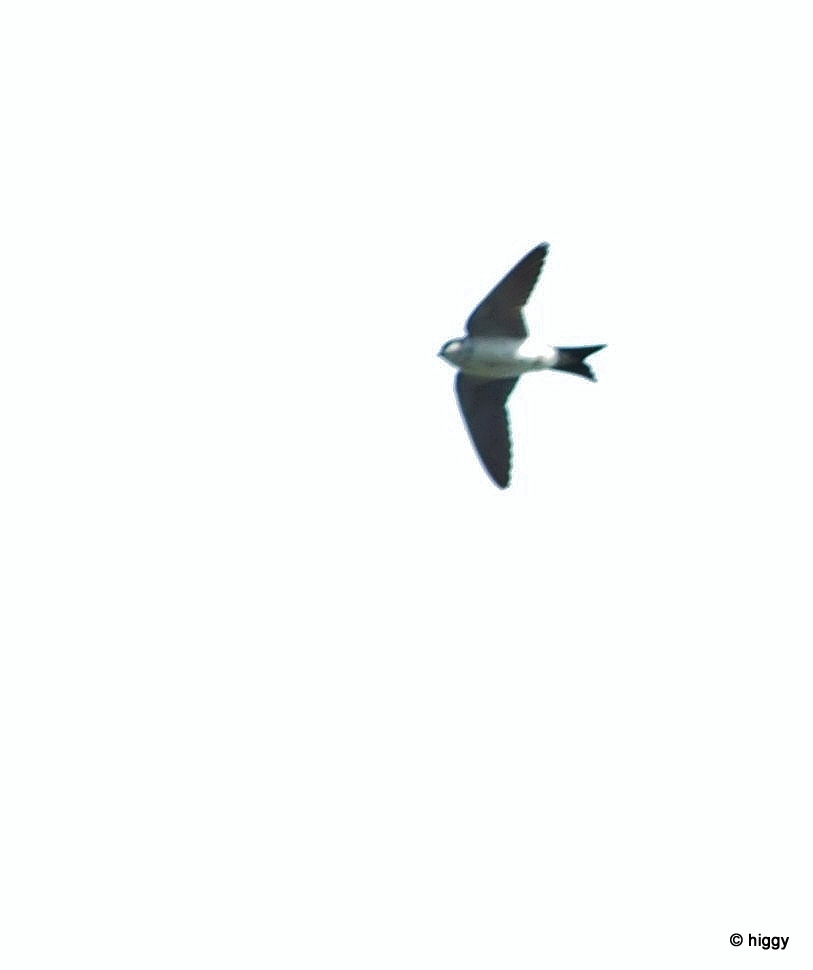
- NAME: House Martin – Delichon urbicum / WINGSPAN: 26-29cm / SOMERSET STATUS: Summer visitor from Africa! It uses mud to make nests, often attached highup under eaves of houses against the wooden facia boards. Unfortunately, many wooden boards have been replaced by plastic and the nests will not adhere to it. Manmade nests are successful so more need to be put up to stop the decline of this amazing migrant! The mud puddles used to source the mud from are also disappearing due to habitat loss and overdevelopment meaning that numbers will continue to decline / DIET: Insects /
-
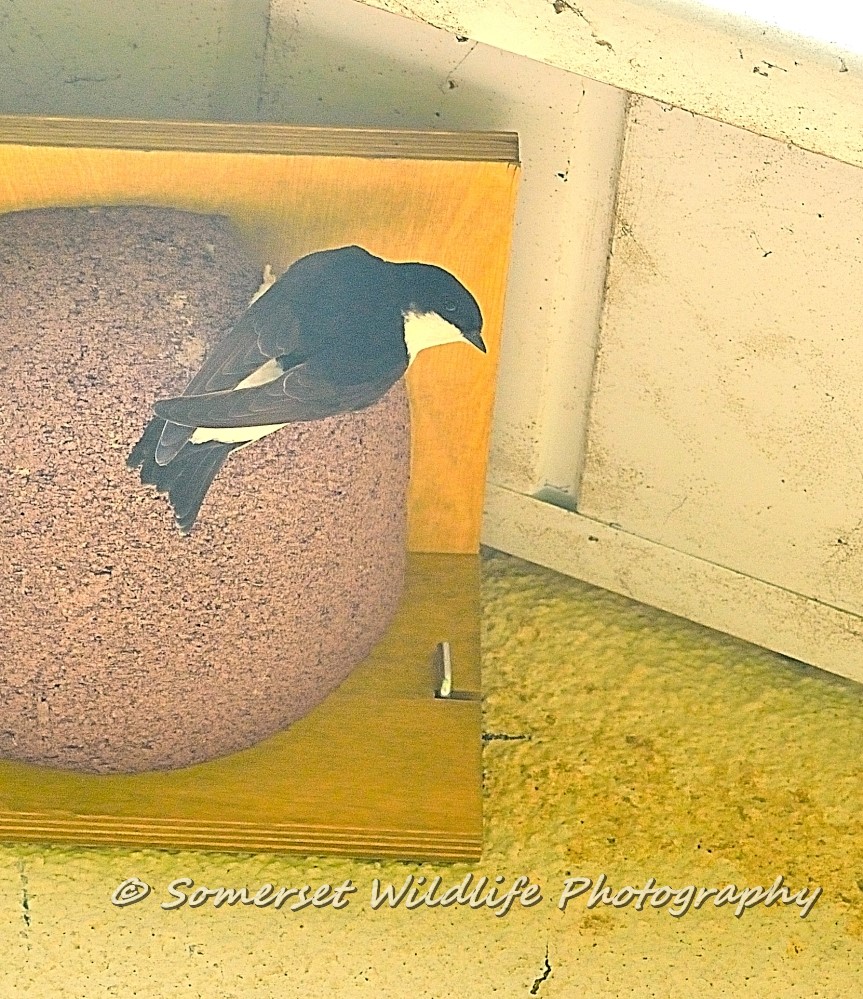
- NAME: House Martin – Delichon urbicum / WINGSPAN: 26-29cm / SOMERSET STATUS: Summer visitor from Africa! It uses mud to make nests, often attached highup under eaves of houses against the wooden facia boards. Unfortunately, many wooden boards have been replaced by plastic and the nests will not adhere to it. Manmade nests are successful so more need to be put up to stop the decline of this amazing migrant! The mud puddles used to source the mud from are also disappearing due to habitat loss and overdevelopment meaning that numbers will continue to decline / DIET: Insects /
-
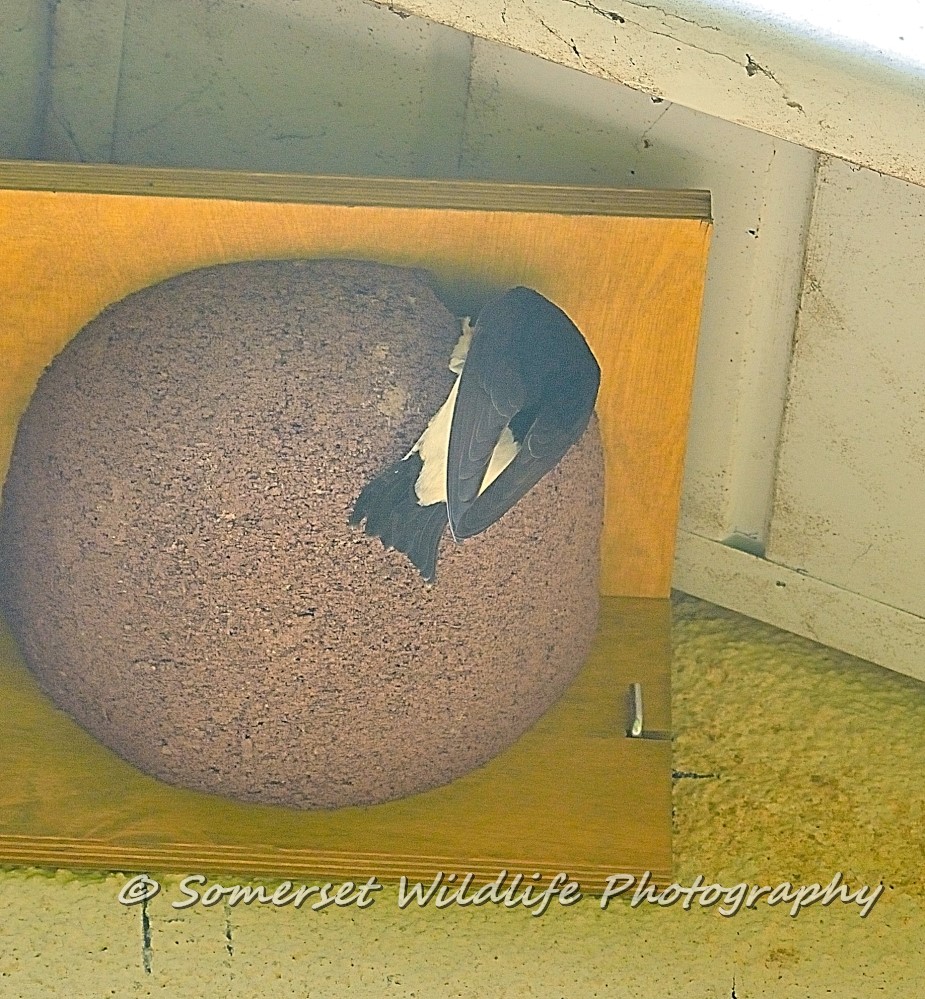
- NAME: House Martin – Delichon urbicum / WINGSPAN: 26-29cm / SOMERSET STATUS: Summer visitor from Africa! It uses mud to make nests, often attached highup under eaves of houses against the wooden facia boards. Unfortunately, many wooden boards have been replaced by plastic and the nests will not adhere to it. Manmade nests are successful so more need to be put up to stop the decline of this amazing migrant! The mud puddles used to source the mud from are also disappearing due to habitat loss and overdevelopment meaning that numbers will continue to decline / DIET: Insects /
-
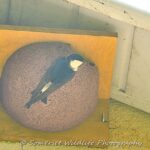
- NAME: House Martin – Delichon urbicum / WINGSPAN: 26-29cm / SOMERSET STATUS: Summer visitor from Africa! It uses mud to make nests, often attached highup under eaves of houses against the wooden facia boards. Unfortunately, many wooden boards have been replaced by plastic and the nests will not adhere to it. Manmade nests are successful so more need to be put up to stop the decline of this amazing migrant! The mud puddles used to source the mud from are also disappearing due to habitat loss and overdevelopment meaning that numbers will continue to decline / DIET: Insects /

-
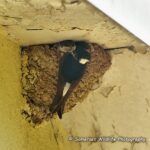
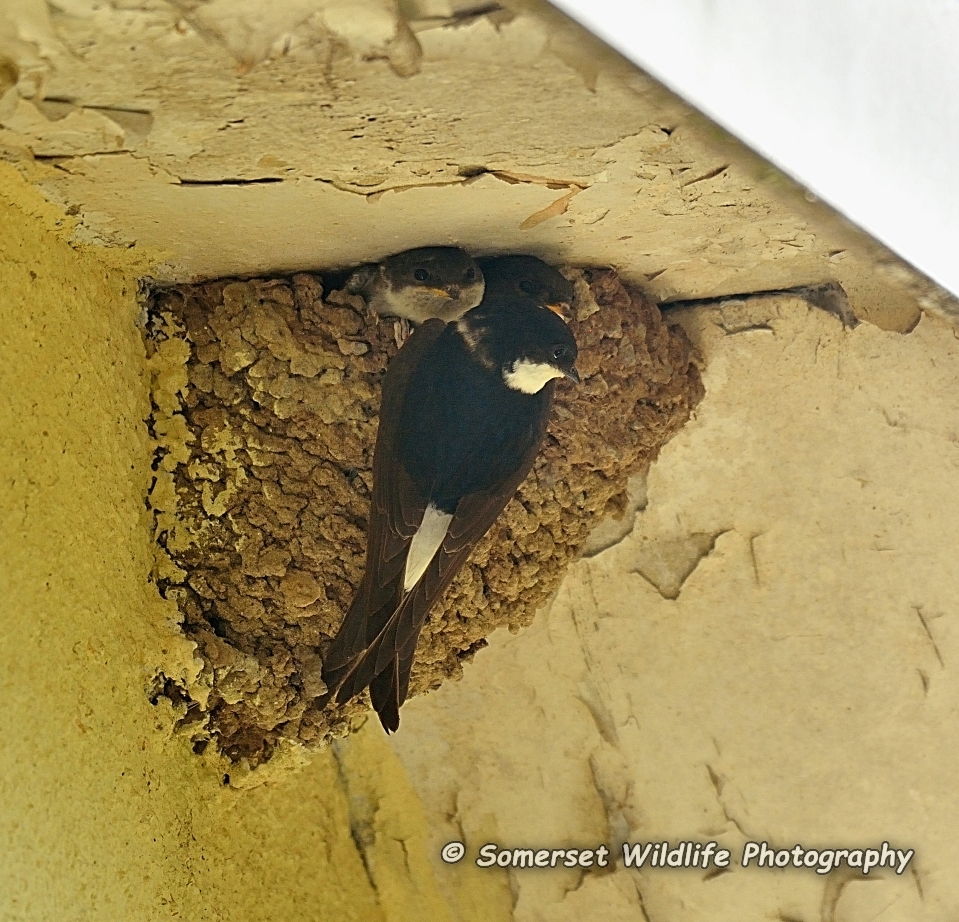
- NAME: House Martin – Delichon urbicum / WINGSPAN: 26-29cm / SOMERSET STATUS: Summer visitor from Africa! It uses mud to make nests, often attached highup under eaves of houses against the wooden facia boards. Unfortunately, many wooden boards have been replaced by plastic and the nests will not adhere to it. Manmade nests are successful so more need to be put up to stop the decline of this amazing migrant! The mud puddles used to source the mud from are also disappearing due to habitat loss and overdevelopment meaning that numbers will continue to decline / DIET: Insects /
-
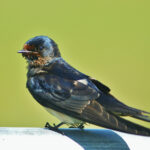
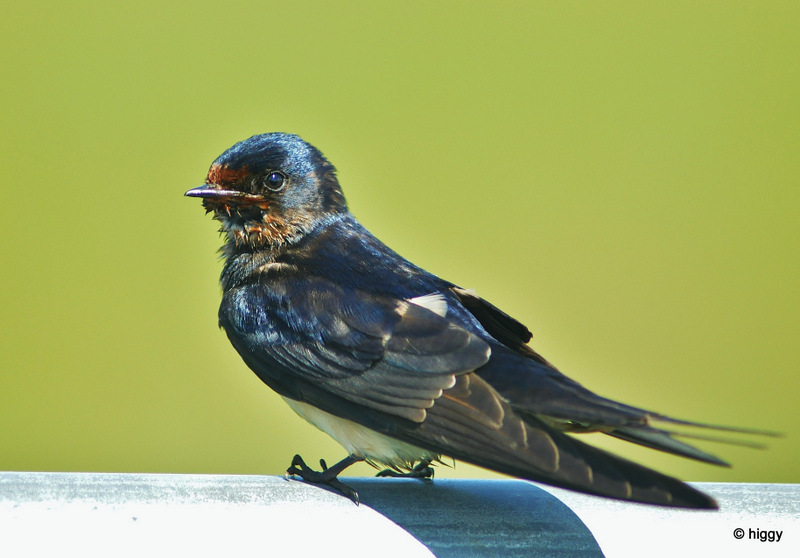
- NAME: Swallow – Hirundo rustica / WINGSPAN: 32-35cm / SOMERSET STATUS: Migrant – Summer visitor from Africa – Numbers appear to be down over the last few years / DIET: Insects taken on the wing /
-
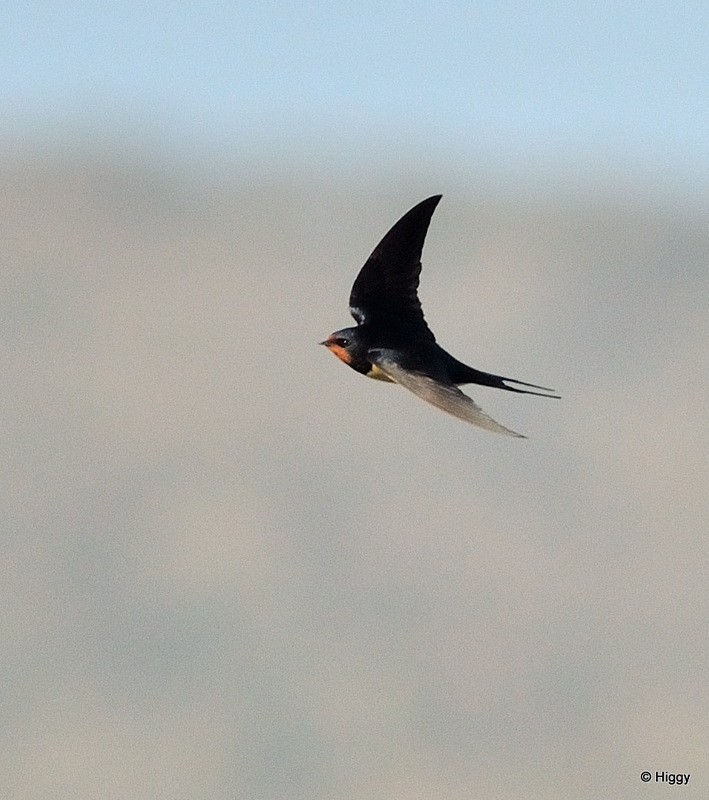
- NAME: Swallow – Hirundo rustica / WINGSPAN: 32-35cm / SOMERSET STATUS: Migrant – Summer visitor from Africa – Numbers appear to be down over the last few years / DIET: Insects taken on the wing /
-

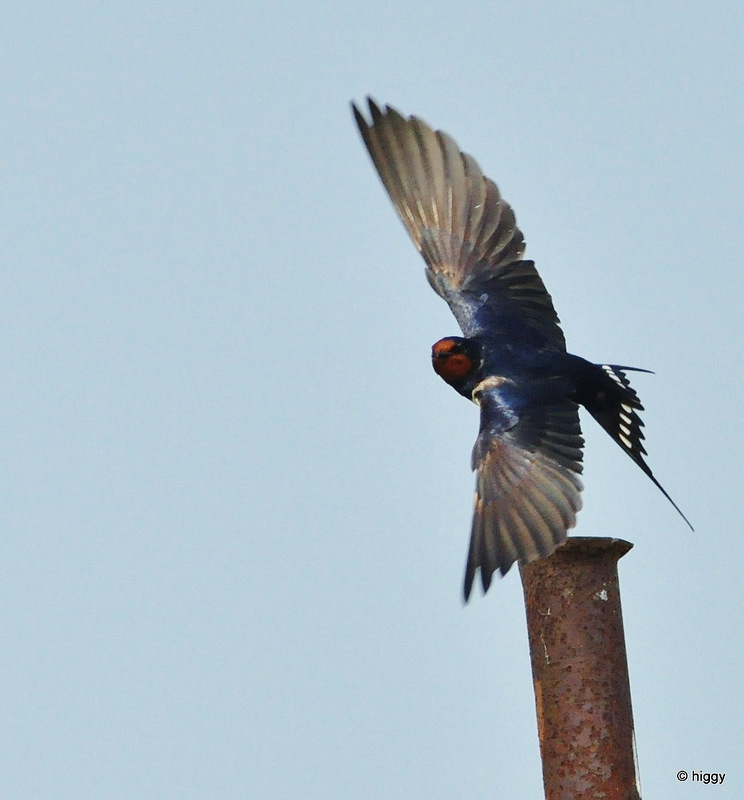
- NAME: Swallow – Hirundo rustica / WINGSPAN: 32-35cm / SOMERSET STATUS: Migrant – Summer visitor from Africa – Numbers appear to be down over the last few years / DIET: Insects taken on the wing /
-
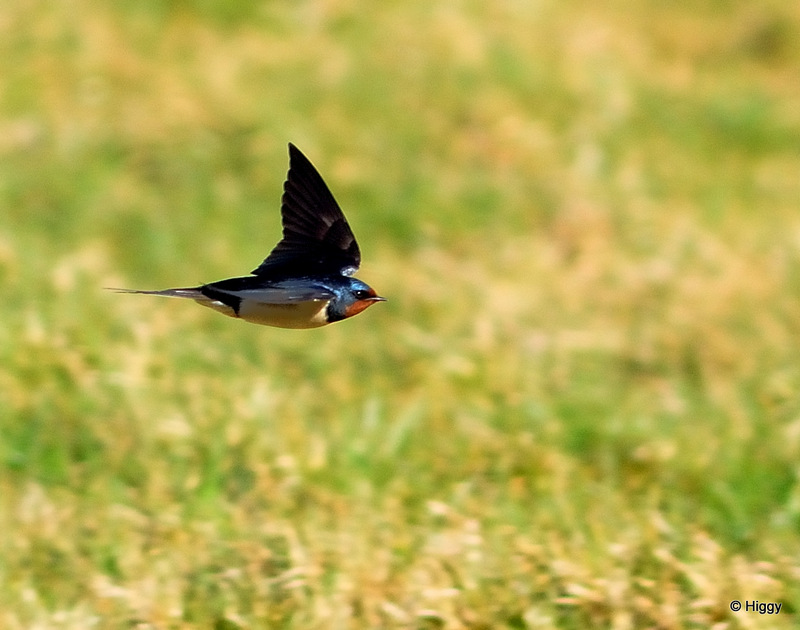
- NAME: Swallow – Hirundo rustica / WINGSPAN: 32-35cm / SOMERSET STATUS: Migrant – Summer visitor from Africa – Numbers appear to be down over the last few years / DIET: Insects taken on the wing /
-

- NAME: Tree Pipit – Anthus trivialis / WINGSPAN: 25-27cm / SOMERSET STATUS: Summer but not common in Somerset – Mendip Hills holds a few as do the other hill ranges / DIET: Mainly small invertebrates. Some plant matter, especially berries, in autumn /

-
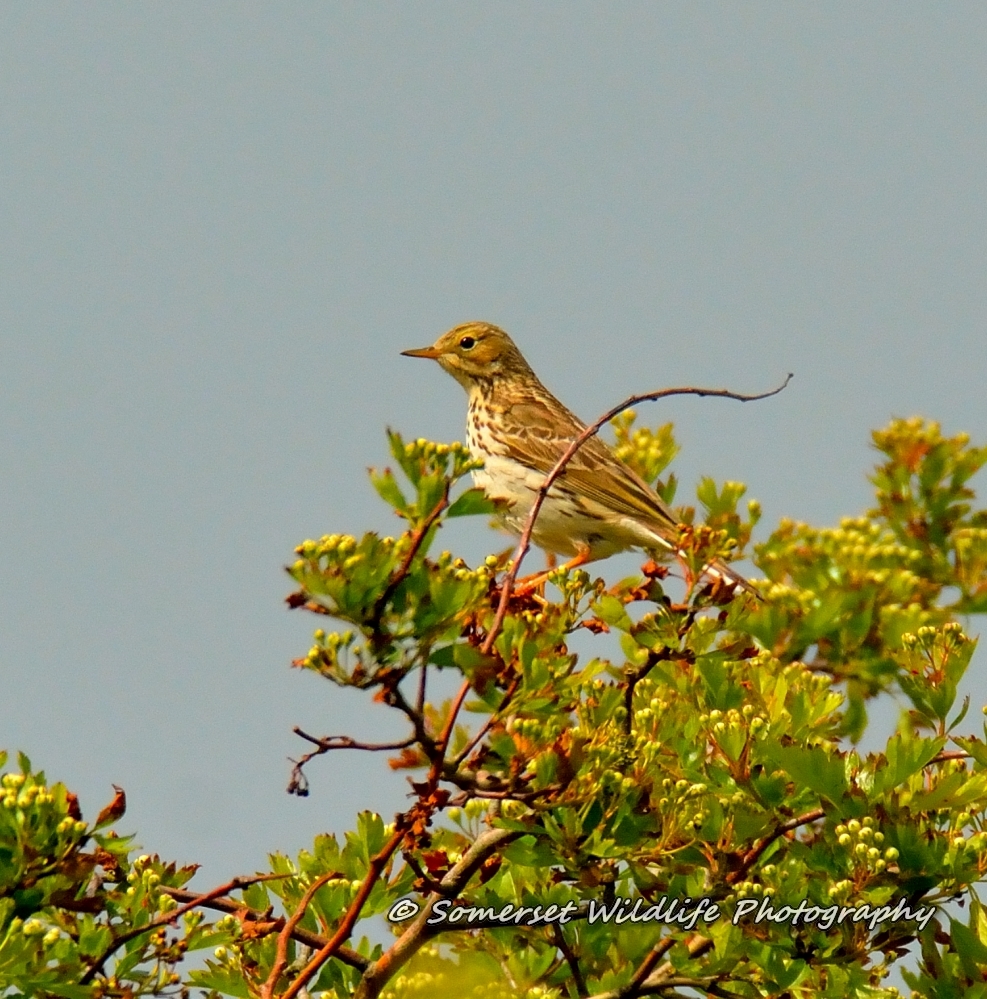
- NAME: Tree Pipit – Anthus trivialis / WINGSPAN: 25-27cm / SOMERSET STATUS: Summer but not common in Somerset – Mendip Hills holds a few as do the other hill ranges / DIET: Mainly small invertebrates. Some plant matter, especially berries, in autumn /

-

- NAME: Tree Pipit – Anthus trivialis / WINGSPAN: 25-27cm / SOMERSET STATUS: Summer but not common in Somerset – Mendip Hills holds a few as do the other hill ranges / DIET: Mainly small invertebrates. Some plant matter, especially berries, in autumn /
-
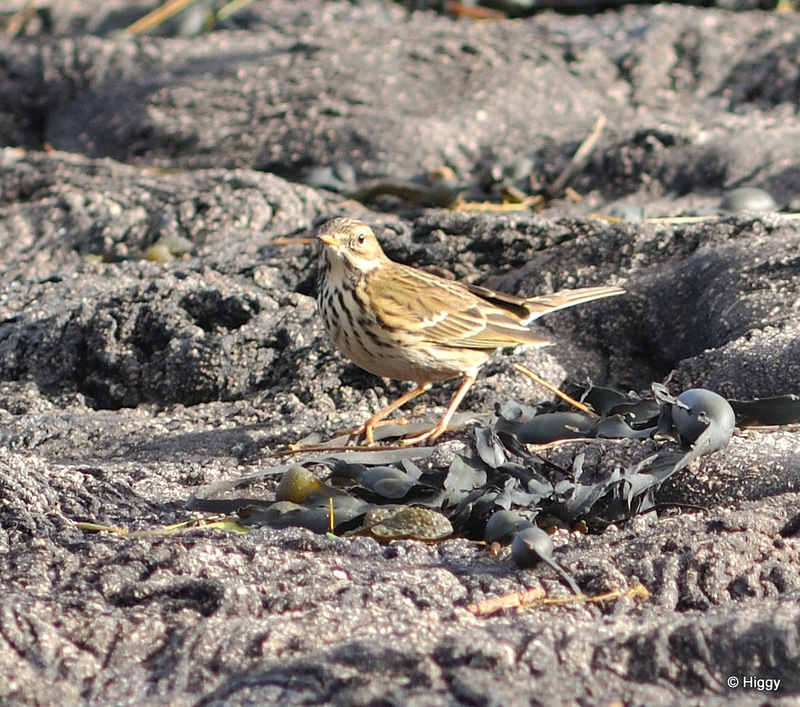
- NAME: Meadow Pipit – Anthus Pratensis / WINGSPAN: 22-25cm / SOMERSET STATUS: All year – Numbers appear to be steady with wet meadows having thriving colonies locally / DIET: Insects – flies, beetles and moths – and spiders /
-
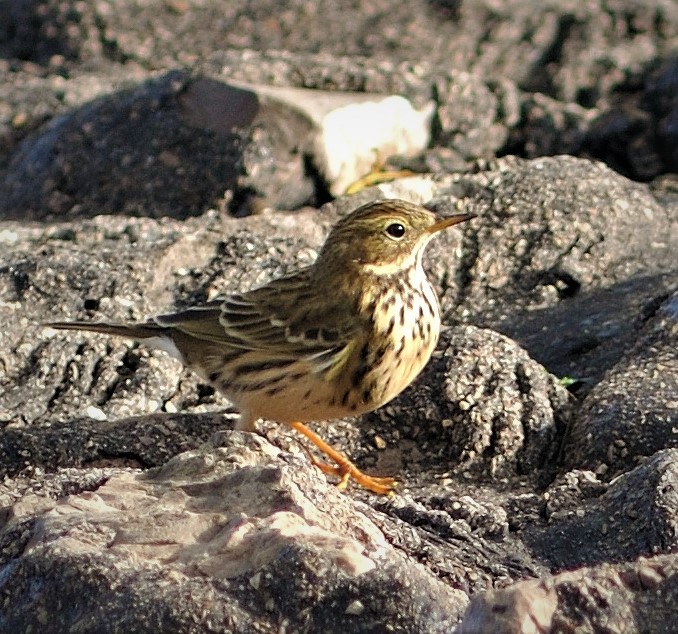
- NAME: Meadow Pipit – Anthus Pratensis / WINGSPAN: 22-25cm / SOMERSET STATUS: All year – Numbers appear to be steady with wet meadows having thriving colonies locally / DIET: Insects – flies, beetles and moths – and spiders /
-
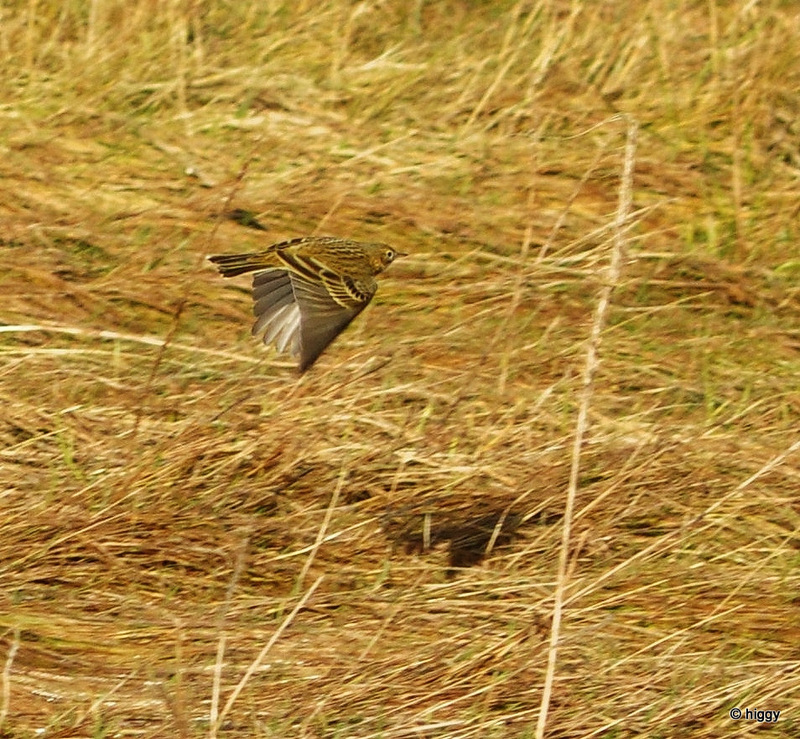
- NAME: Meadow Pipit – Anthus Pratensis / WINGSPAN: 22-25cm / SOMERSET STATUS: All year – Numbers appear to be steady with wet meadows having thriving colonies locally / DIET: Insects – flies, beetles and moths – and spiders /
-
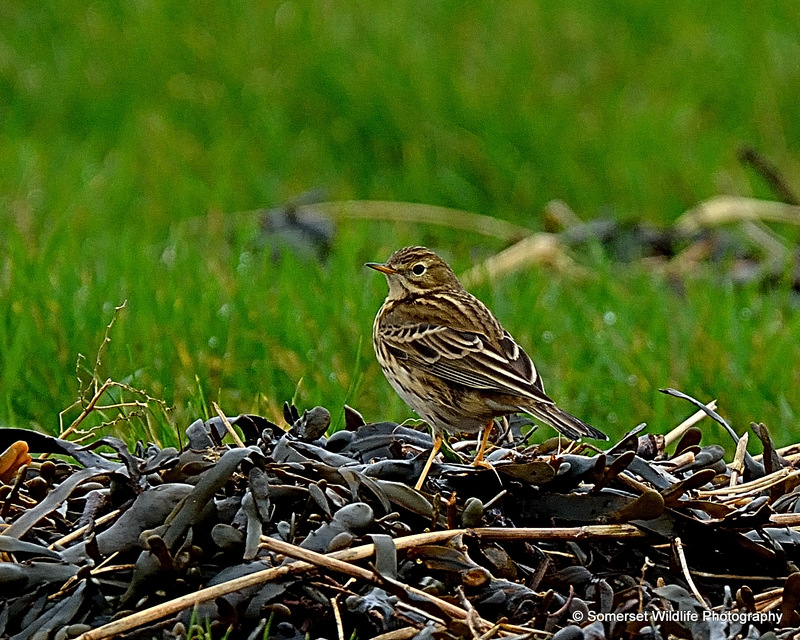
- NAME: Meadow Pipit – Anthus Pratensis / WINGSPAN: 22-25cm / SOMERSET STATUS: All year – Numbers appear to be steady with wet meadows having thriving colonies locally / DIET: Insects – flies, beetles and moths – and spiders /
-
- NAME: Meadow Pipit – Anthus Pratensis / WINGSPAN: 22-25cm / SOMERSET STATUS: All year – Numbers appear to be steady with wet meadows having thriving colonies locally / DIET: Insects – flies, beetles and moths – and spiders /
-
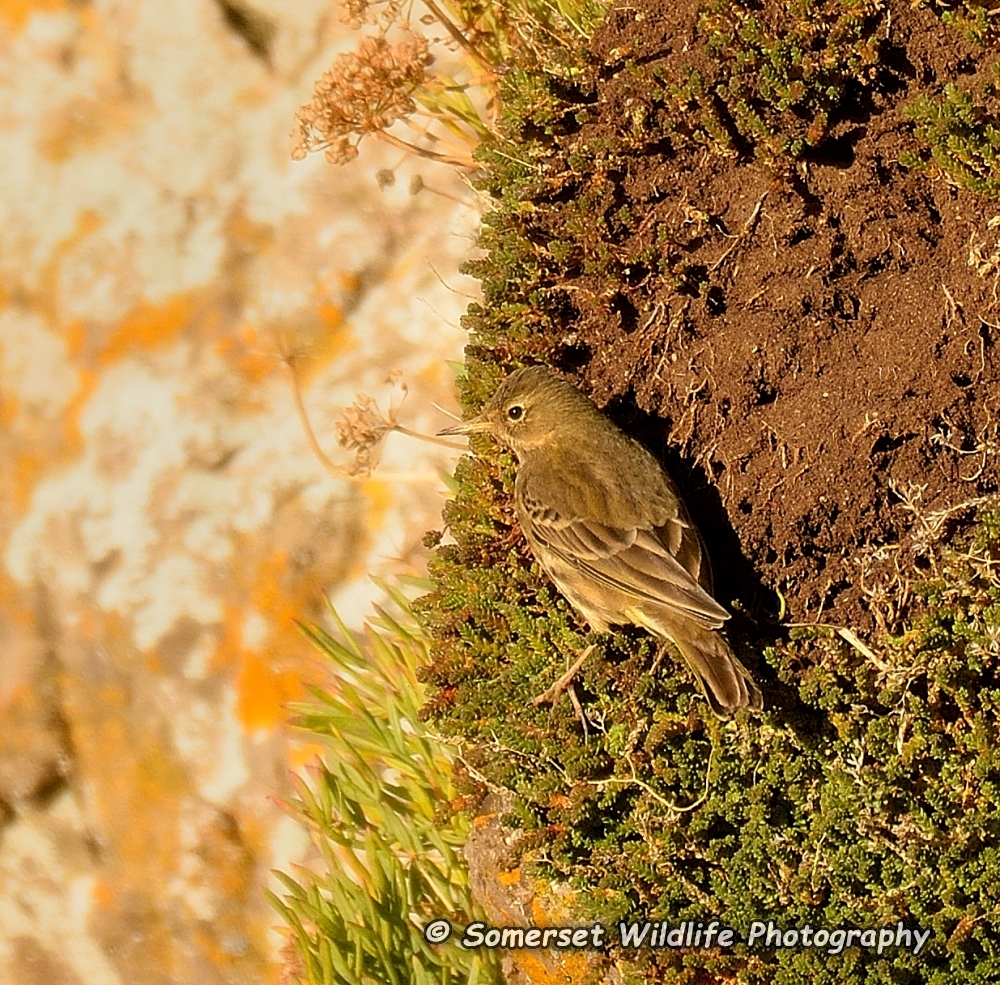
- NAME: Rock Pipit – Anthus petrosus / WINGSPAN: 22-28cm / SOMERSET STATUS: All year around the rocky coast of the Bristol Channel but not a common bird / DIET: Insects, beetles, small fish, small shellfish and seeds /
-
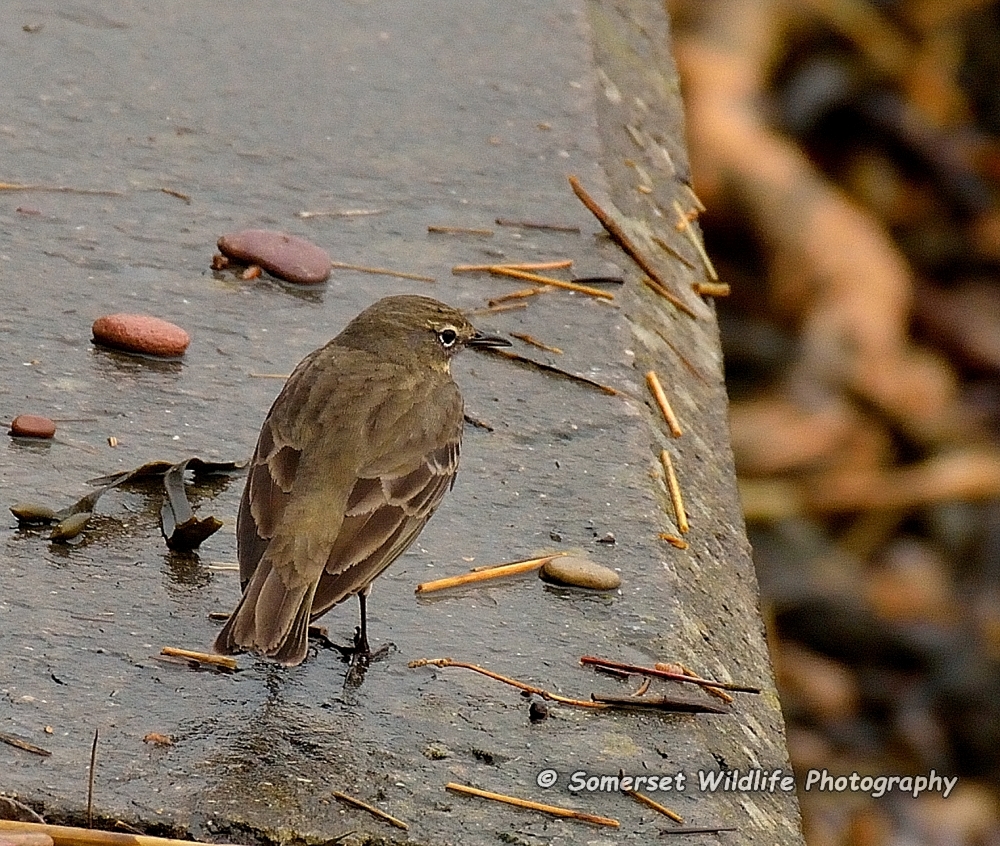
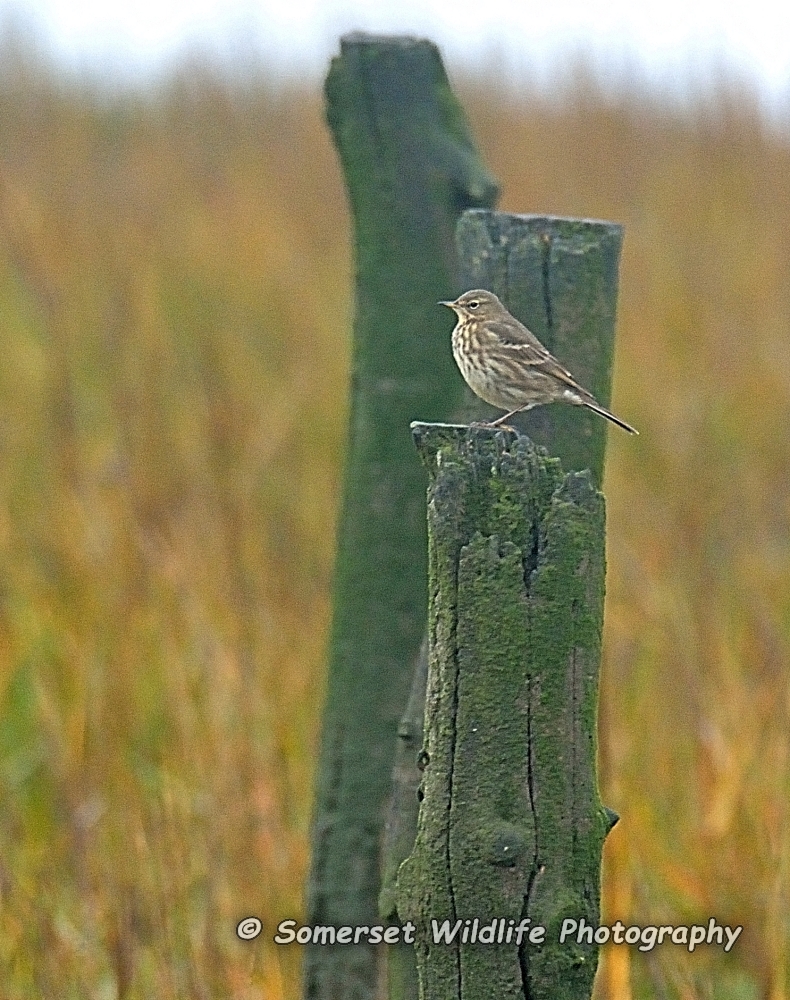
- NAME: Rock Pipit – Anthus petrosus / WINGSPAN: 22-28cm / SOMERSET STATUS: All year around the rocky coast of the Bristol Channel but not a common bird / DIET: Insects, beetles, small fish, small shellfish and seeds /
-
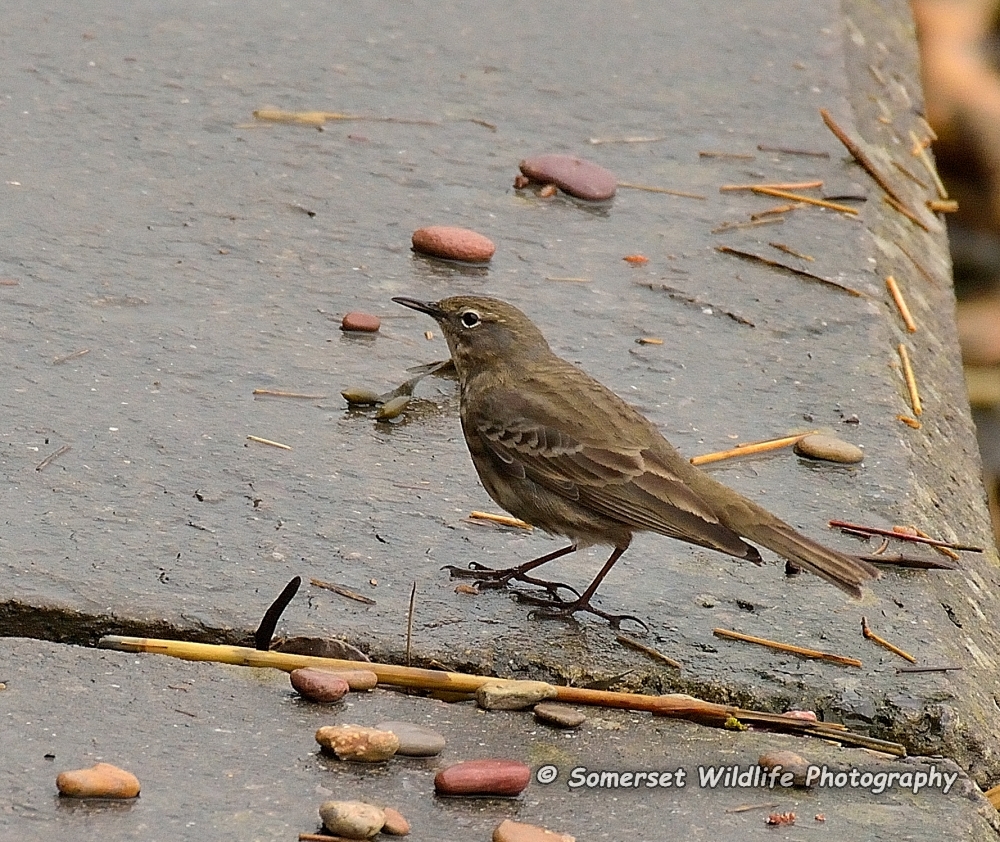
- NAME: Rock Pipit – Anthus petrosus / WINGSPAN: 22-28cm / SOMERSET STATUS: All year around the rocky coast of the Bristol Channel but not a common bird / DIET: Insects, beetles, small fish, small shellfish and seeds /
-
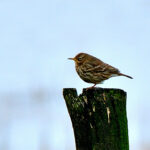
- NAME: Juvenile Pipit / WINGSPAN: 20cm+ / SOMERSET STATUS: All year around / DIET: Insects /

-
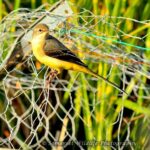
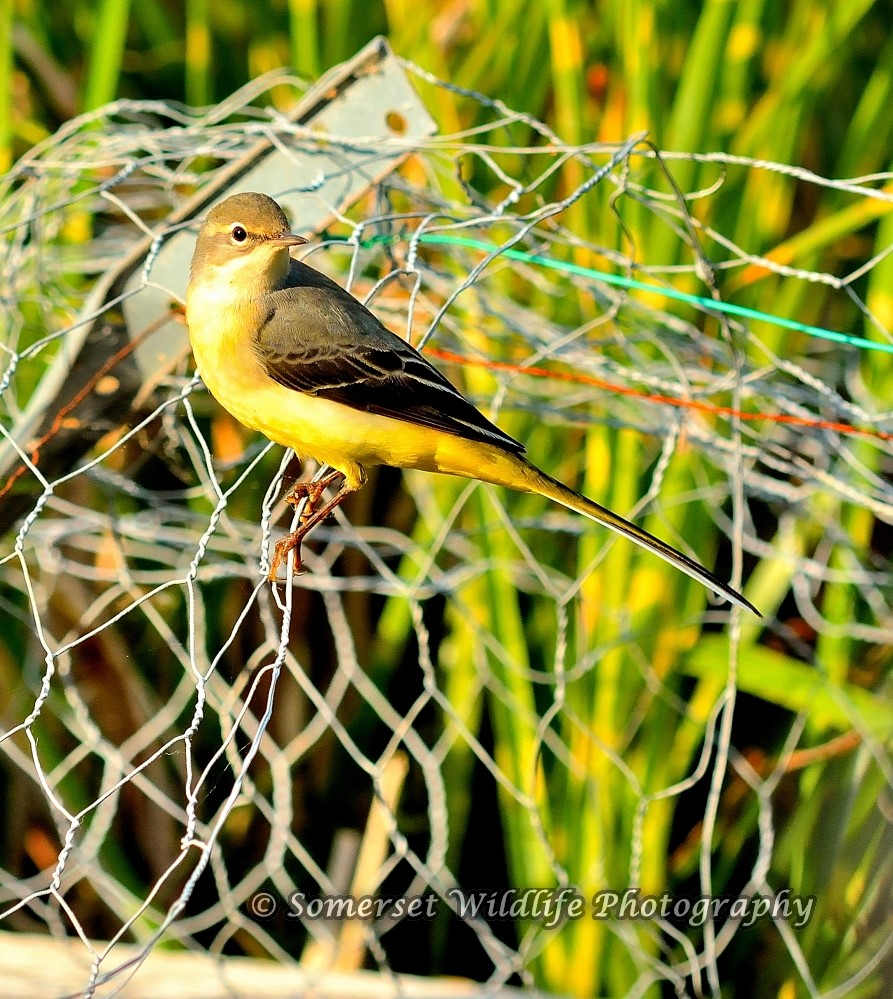
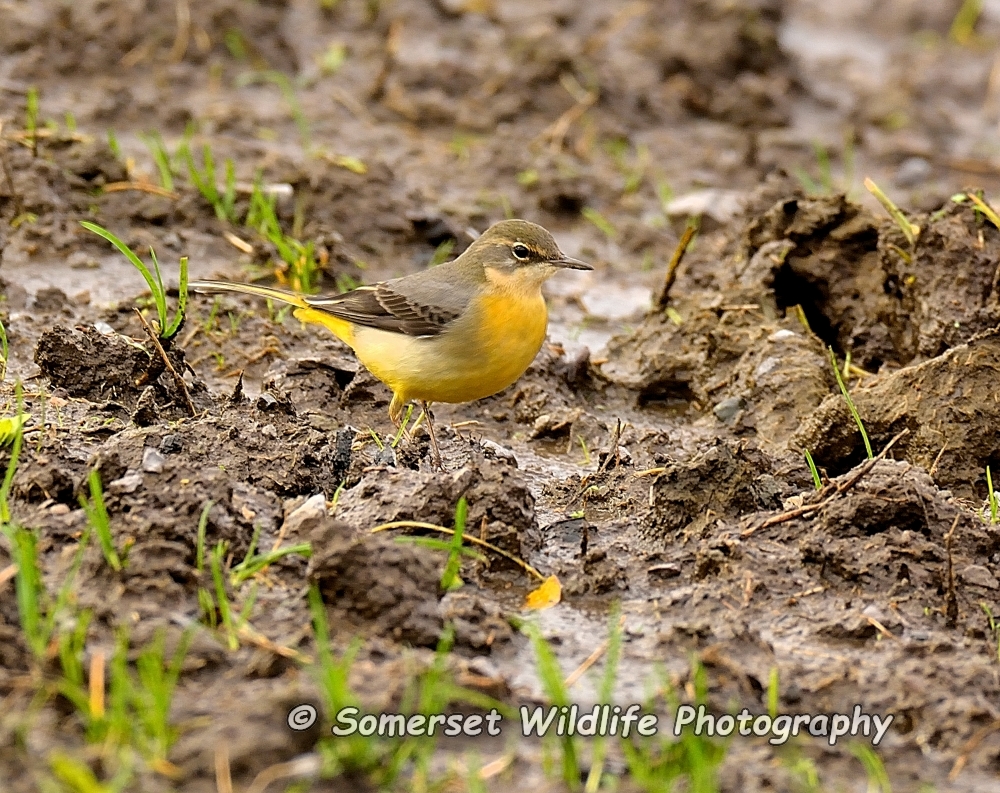
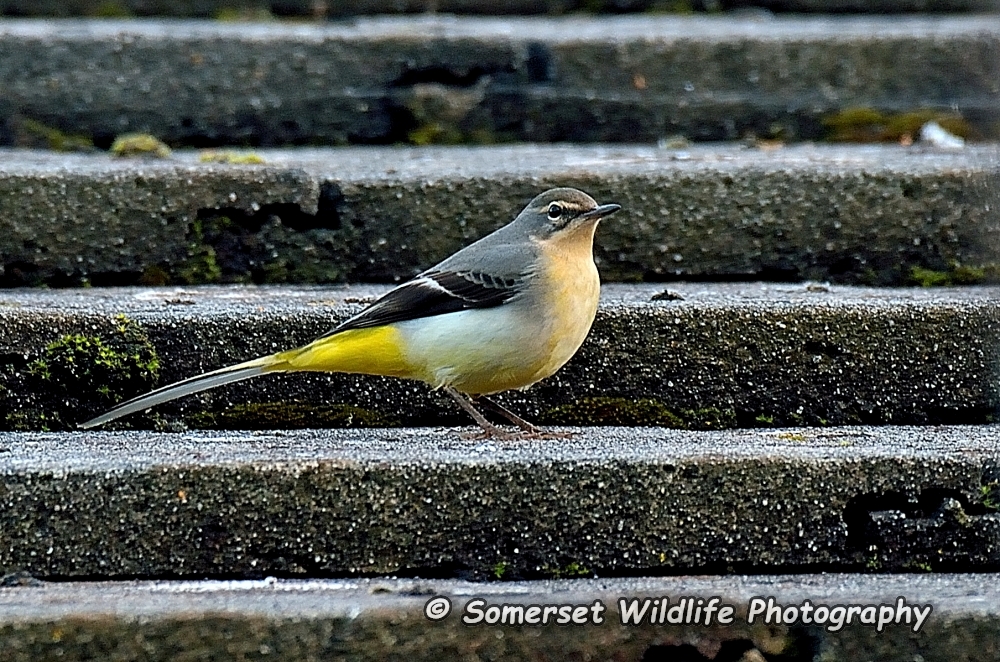
- NAME: Grey Wagtail – Motacilla cinerea / WING SPAN: 25-27cm / SOMERSET STATUS: Common – All year throughout Somerset – Generally near water, especially if there is a slight flow and it’s nice and clear. However found around river estuaries and even garden ponds on occasion / DIET: Insects and aquatic insects /
-
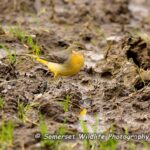
- NAME: Grey Wagtail – Motacilla cinerea / WING SPAN: 25-27cm / SOMERSET STATUS: Common – All year throughout Somerset – Generally near water, especially if there is a slight flow and it’s nice and clear. However found around river estuaries and even garden ponds on occasion / DIET: Insects and aquatic insects /
-
- NAME: Grey Wagtail – Motacilla cinerea / WING SPAN: 25-27cm / SOMERSET STATUS: Common – All year throughout Somerset – Generally near water, especially if there is a slight flow and it’s nice and clear. However found around river estuaries and even garden ponds on occasion / DIET: Insects and aquatic insects /
-
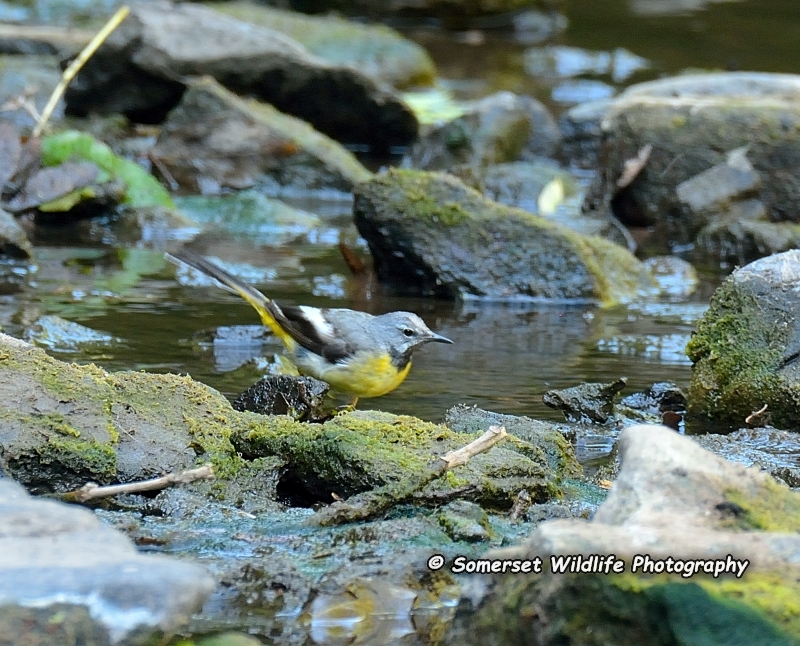
- NAME: Grey Wagtail – Motacilla cinerea / WING SPAN: 25-27cm / SOMERSET STATUS: Common – All year throughout Somerset – Generally near water, especially if there is a slight flow and it’s nice and clear. However found around river estuaries and even garden ponds on occasion / DIET: Insects and aquatic insects /
-
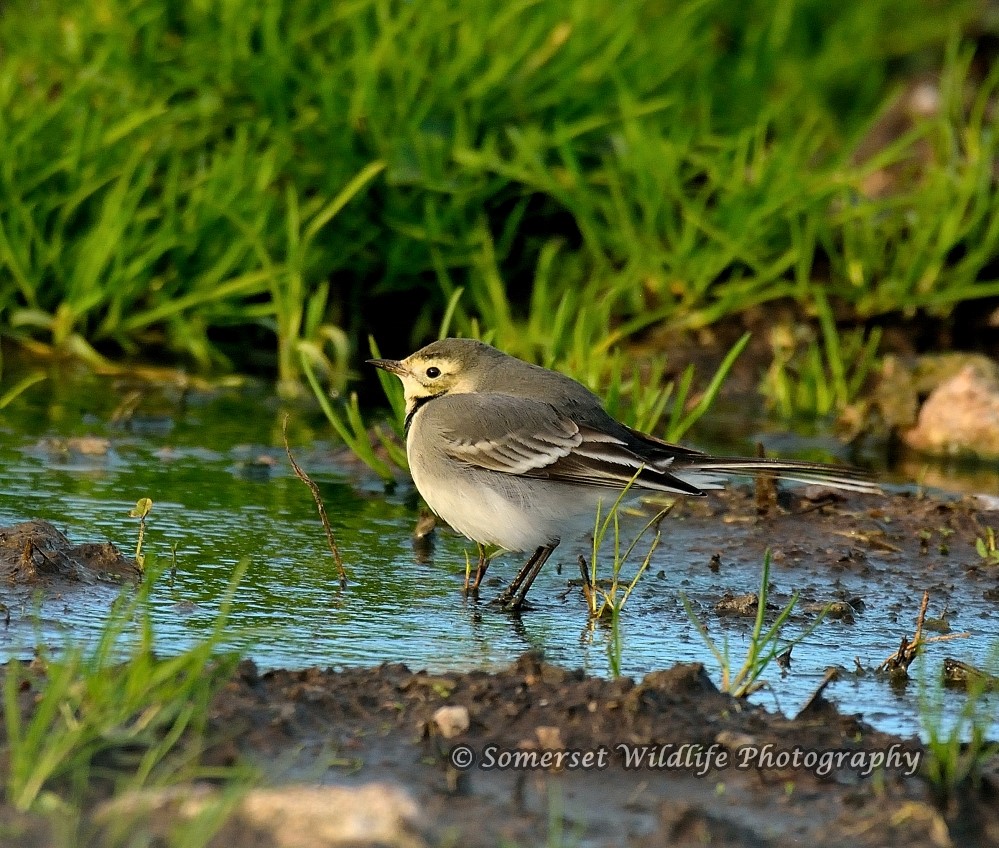
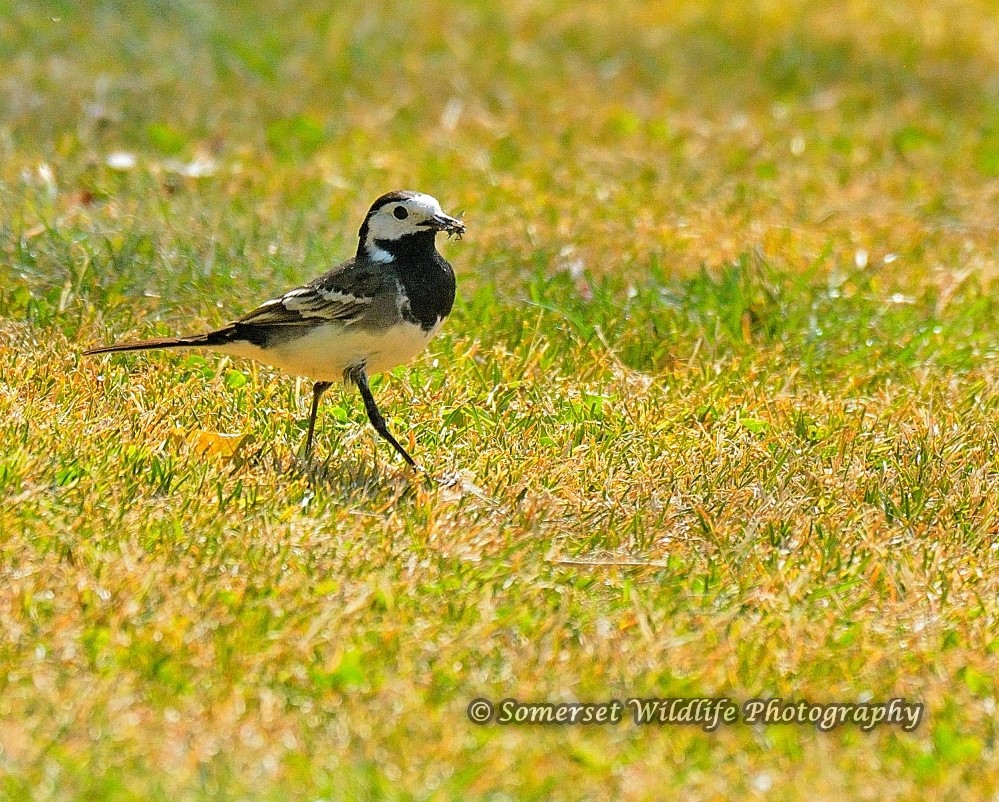
- NAME: Pied Wagtail – Motacilla alba / WINGSPAN: 25-30cm / SOMERSET STATUS: All year – Numbers appear to be steady and they can be seen almost anywhere, even car parks where they hunt down insects disturbed by the vehicles / DIET: Insects /
-
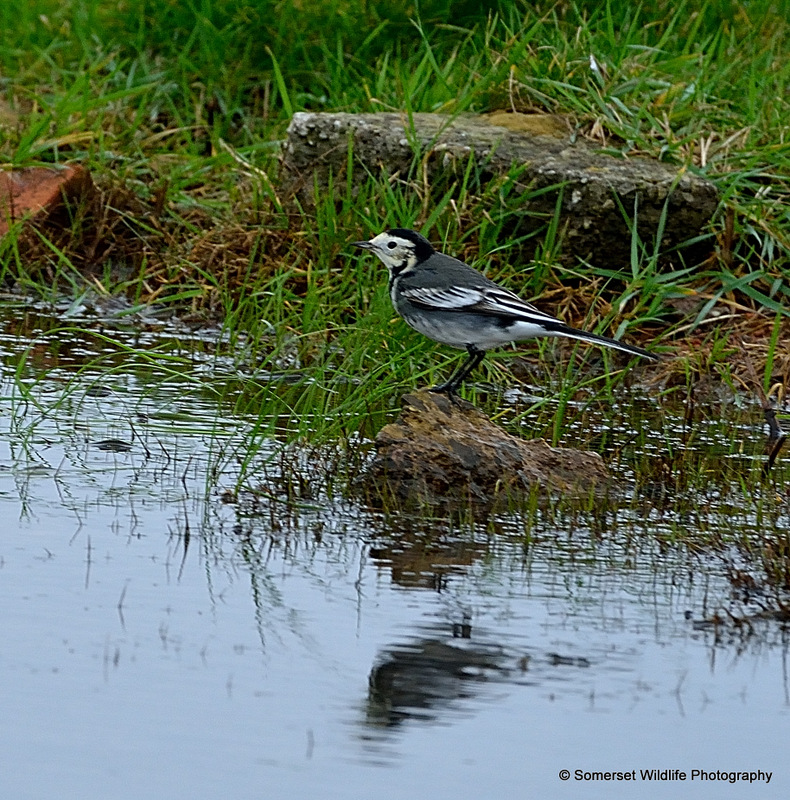
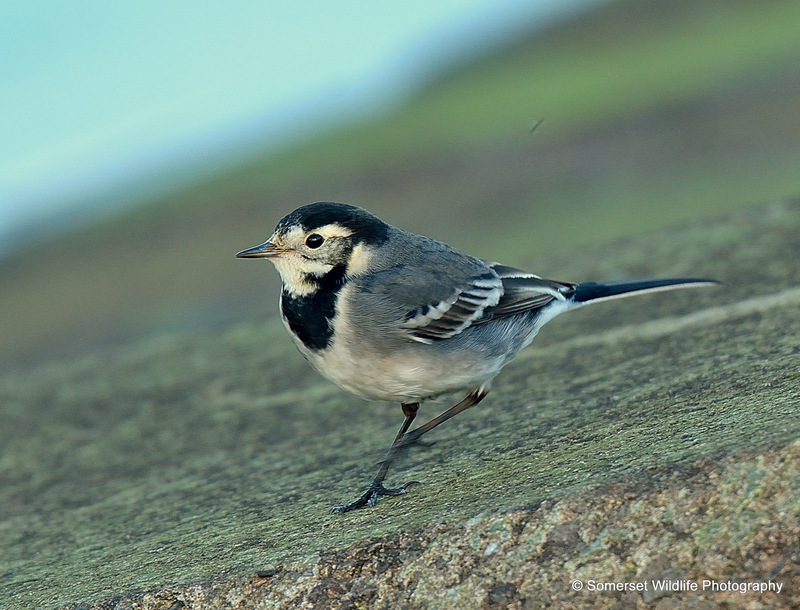
- NAME: Pied Wagtail – Motacilla alba / WINGSPAN: 25-30cm / SOMERSET STATUS: All year – Numbers appear to be steady and they can be seen almost anywhere, even car parks where they hunt down insects disturbed by the vehicles / DIET: Insects /
-
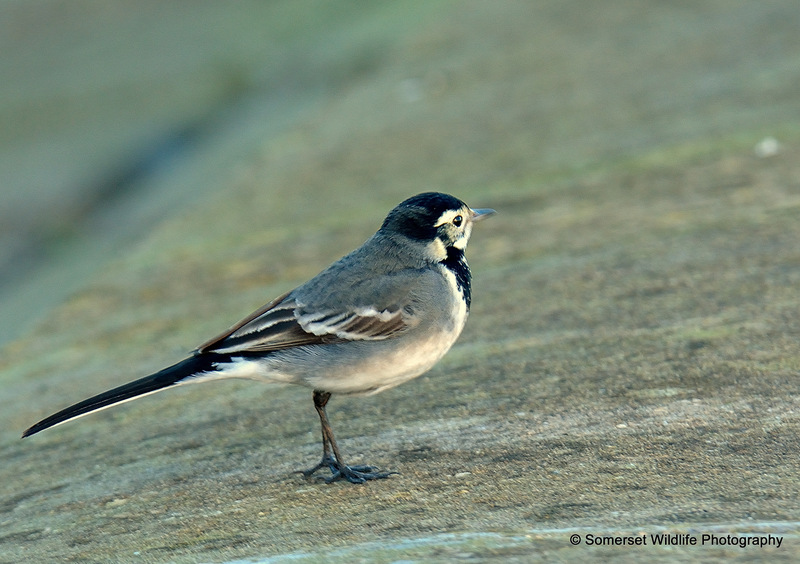
- NAME: Pied Wagtail – Motacilla alba / WINGSPAN: 25-30cm / SOMERSET STATUS: All year – Numbers appear to be steady and they can be seen almost anywhere, even car parks where they hunt down insects disturbed by the vehicles / DIET: Insects /
-
- NAME: Pied Wagtail – Motacilla alba / WINGSPAN: 25-30cm / SOMERSET STATUS: All year – Numbers appear to be steady and they can be seen almost anywhere, even car parks where they hunt down insects disturbed by the vehicles / DIET: Insects /
-
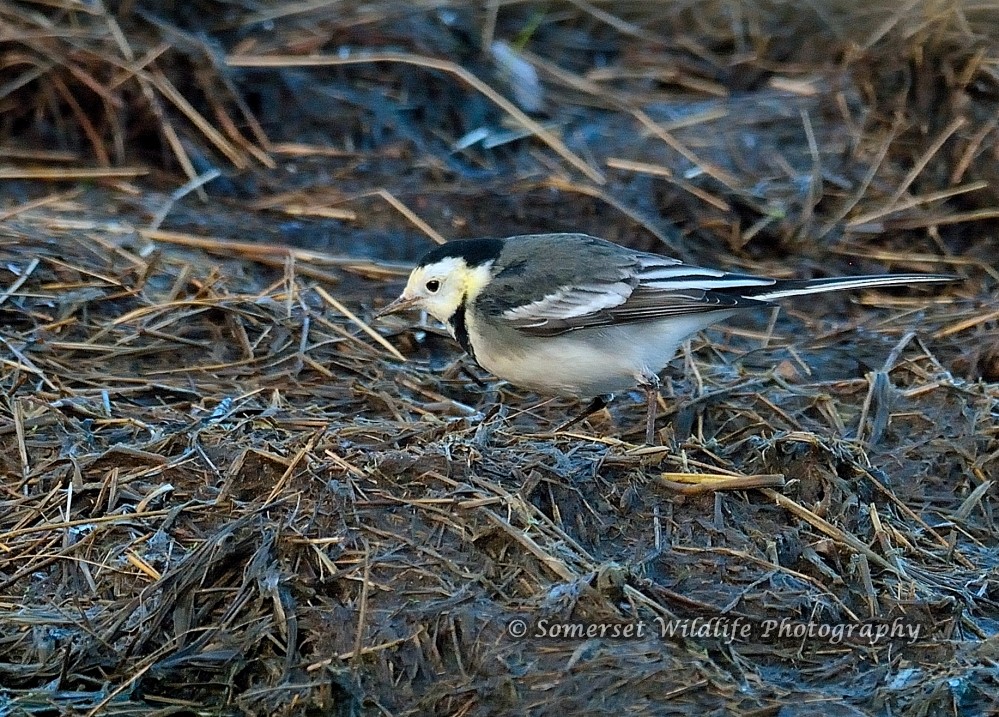
- NAME: Pied Wagtail – Motacilla alba / WINGSPAN: 25-30cm / SOMERSET STATUS: All year – Numbers appear to be steady and they can be seen almost anywhere, even car parks where they hunt down insects disturbed by the vehicles / DIET: Insects /
-
- NAME: Pied Wagtail – Motacilla alba / WINGSPAN: 25-30cm / SOMERSET STATUS: All year – Numbers appear to be steady and they can be seen almost anywhere, even car parks where they hunt down insects disturbed by the vehicles / DIET: Insects /
-
- NAME: Pied Wagtail – Motacilla alba / WINGSPAN: 25-30cm / SOMERSET STATUS: All year – Numbers appear to be steady and they can be seen almost anywhere, even car parks where they hunt down insects disturbed by the vehicles / DIET: Insects /
-
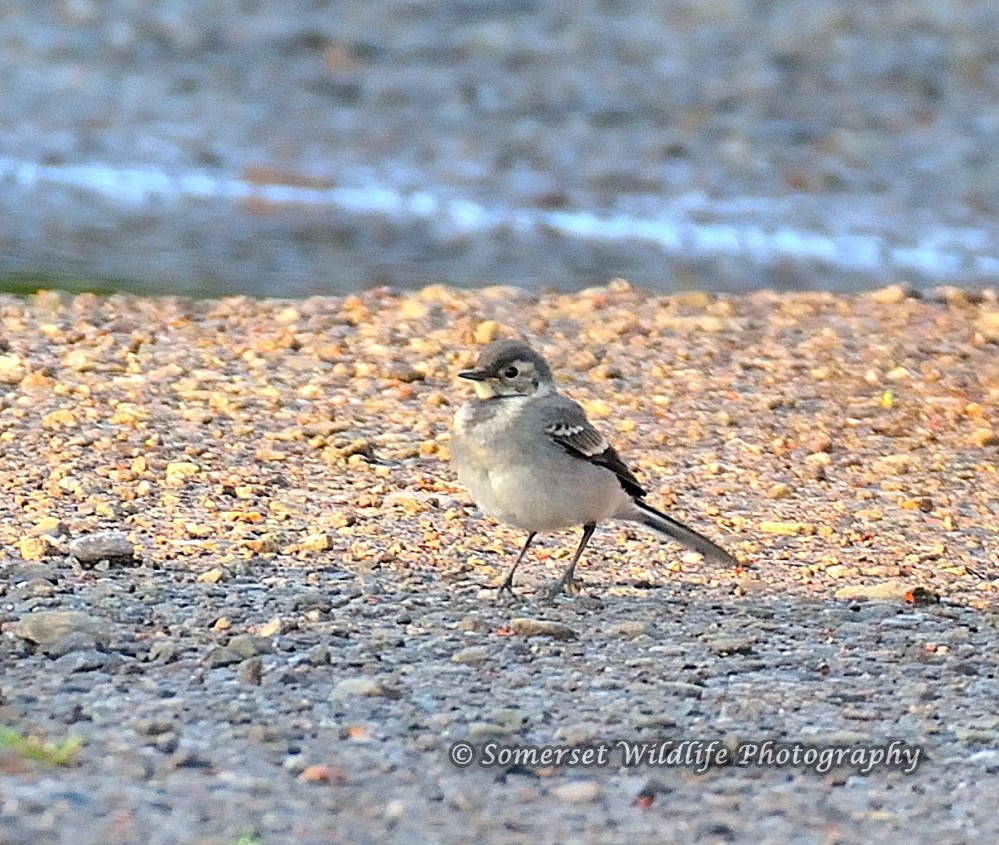
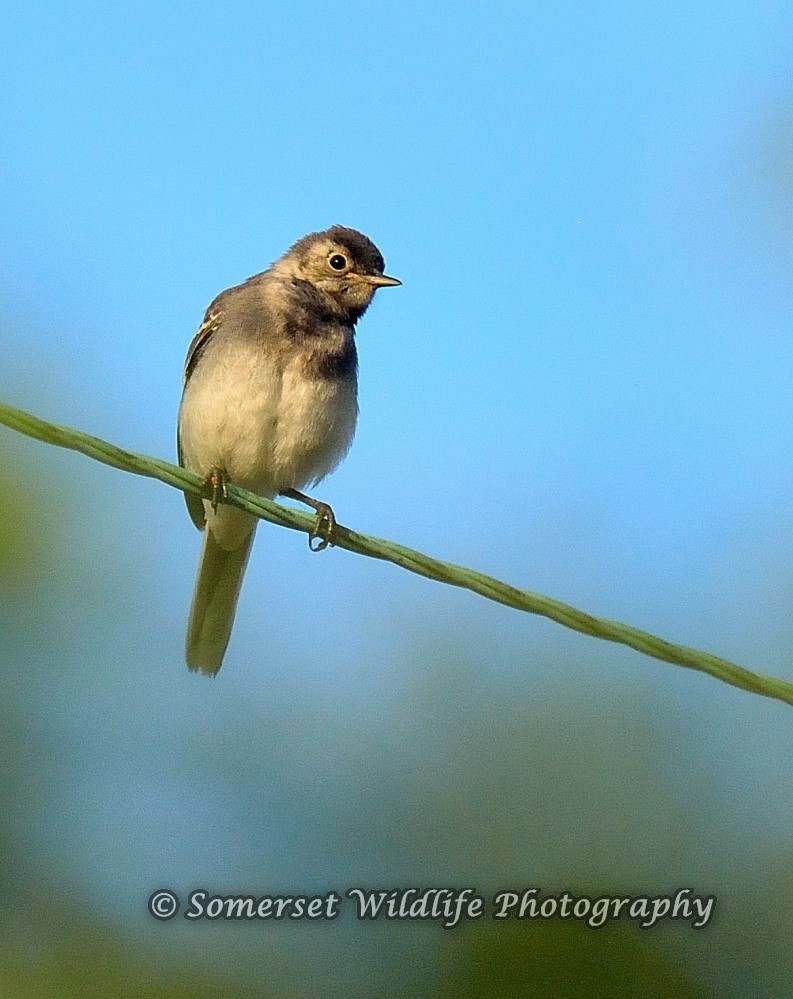
- NAME: Pied Wagtail – Motacilla alba / WINGSPAN: 25-30cm / SOMERSET STATUS: All year – Numbers appear to be steady and they can be seen almost anywhere, even car parks where they hunt down insects disturbed by the vehicles / DIET: Insects /
-
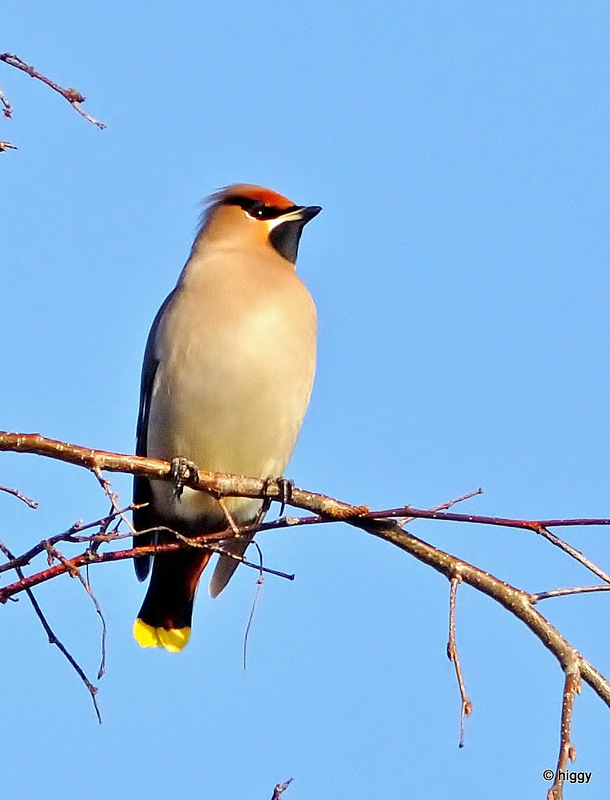
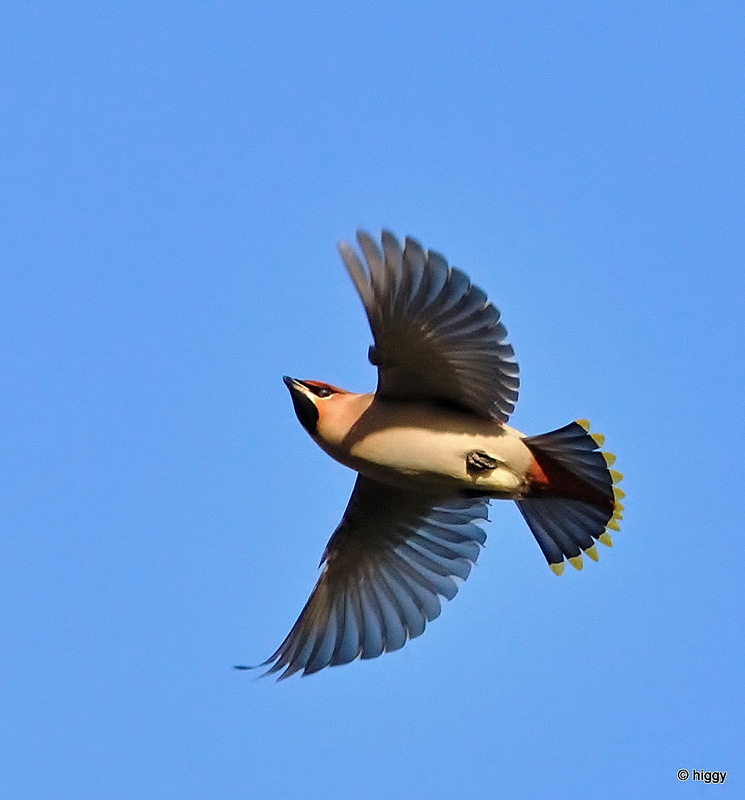
- NAME: Waxwing – Bombycilla garrulus / WINGSPAN: 32-35cm / SOMERSET STATUS: Winter migrant but not common in Somerset / DIET: Berries, particularly rowan and hawthorn, but also cotoneaster and rose /
-
- NAME: Waxwing – Bombycilla garrulus / WINGSPAN: 32-35cm / SOMERSET STATUS: Winter migrant but not common in Somerset / DIET: Berries, particularly rowan and hawthorn, but also cotoneaster and rose /
-
- NAME: Waxwing – Bombycilla garrulus / WINGSPAN: 32-35cm / SOMERSET STATUS: Winter migrant but not common in Somerset / DIET: Berries, particularly rowan and hawthorn, but also cotoneaster and rose /
-
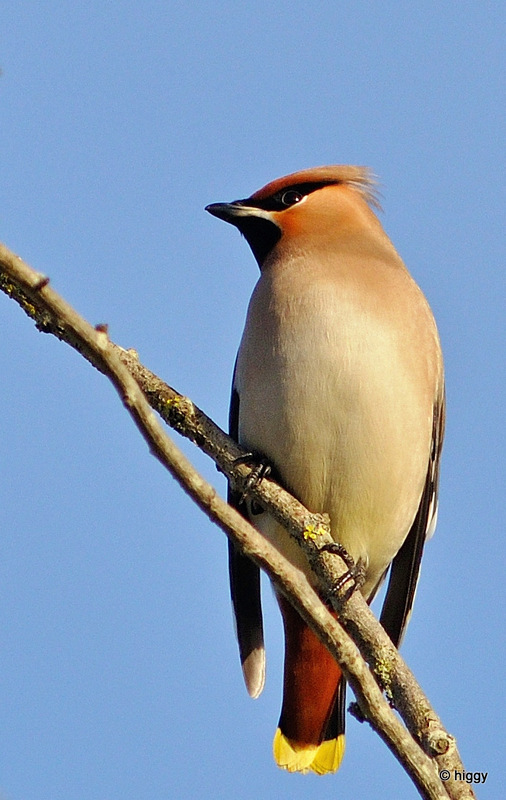
- NAME: Waxwing – Bombycilla garrulus / WINGSPAN: 32-35cm / SOMERSET STATUS: Winter migrant but not common in Somerset / DIET: Berries, particularly rowan and hawthorn, but also cotoneaster and rose /
-
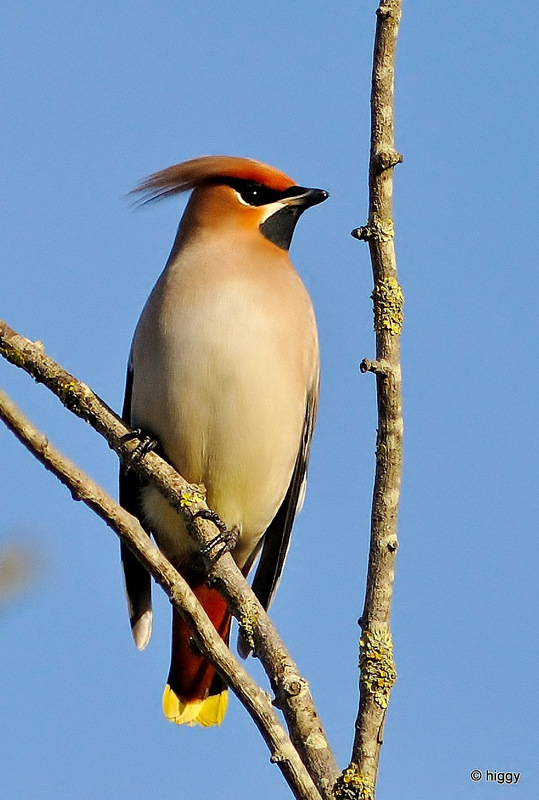
- NAME: Waxwing – Bombycilla garrulus / WINGSPAN: 32-35cm / SOMERSET STATUS: Winter migrant but not common in Somerset / DIET: Berries, particularly rowan and hawthorn, but also cotoneaster and rose /
-
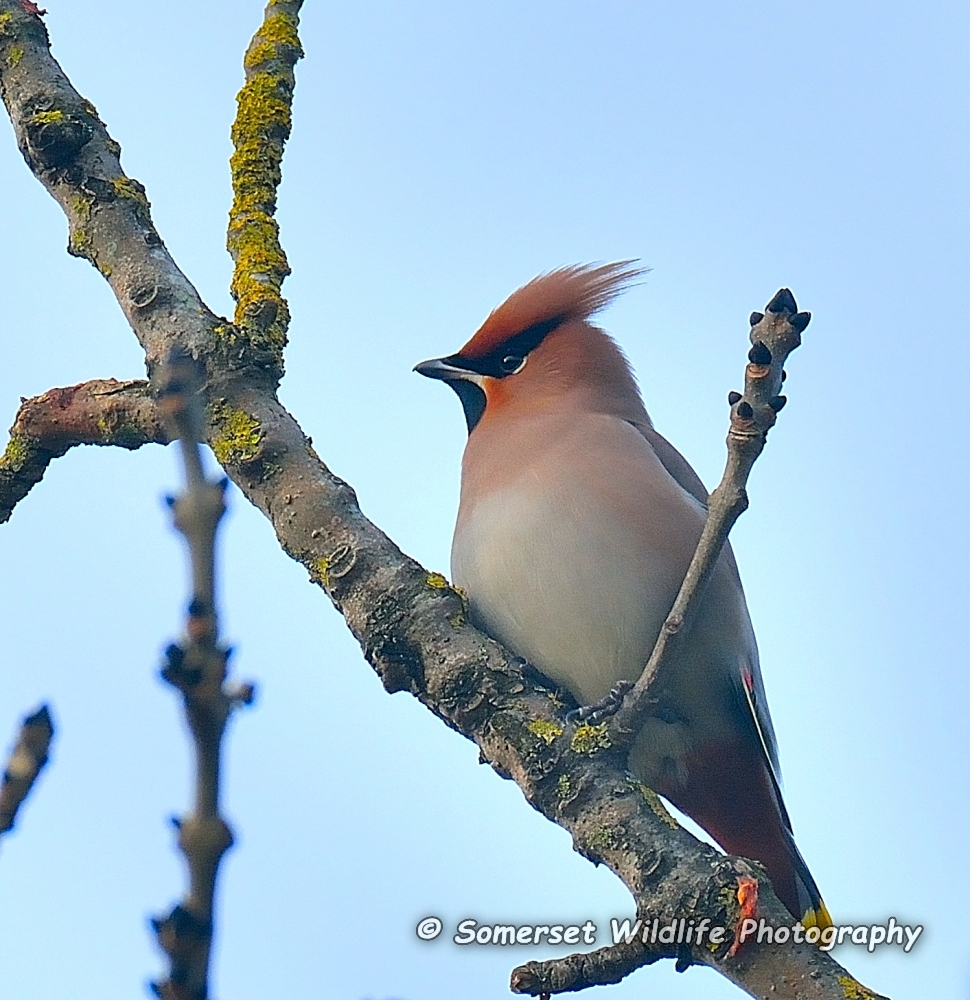
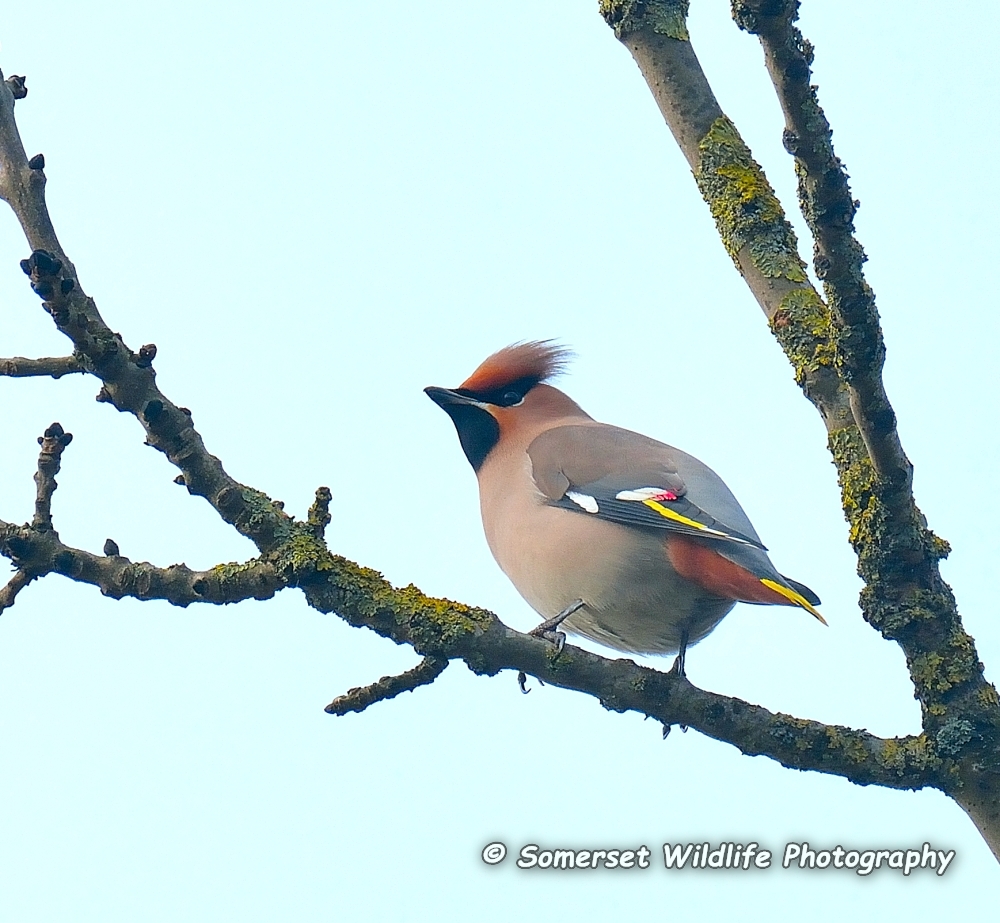
- NAME: Waxwing – Bombycilla garrulus / WINGSPAN: 32-35cm / SOMERSET STATUS: Winter migrant but not common in Somerset / DIET: Berries, particularly rowan and hawthorn, but also cotoneaster and rose /
-
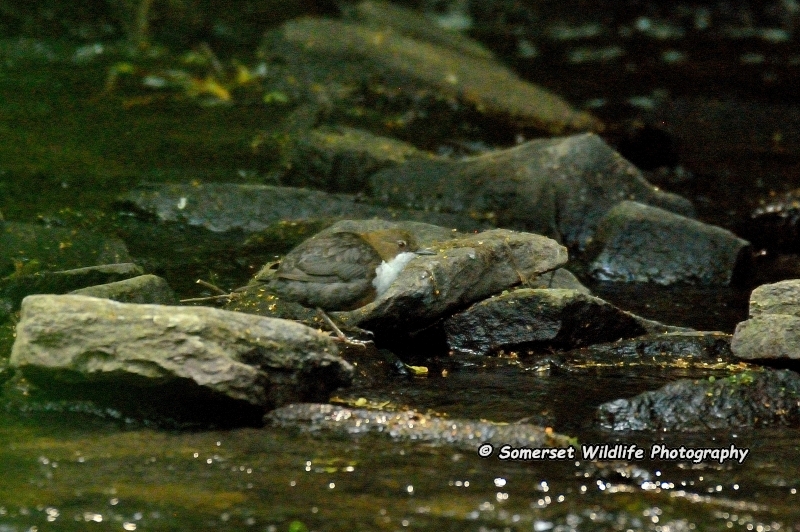
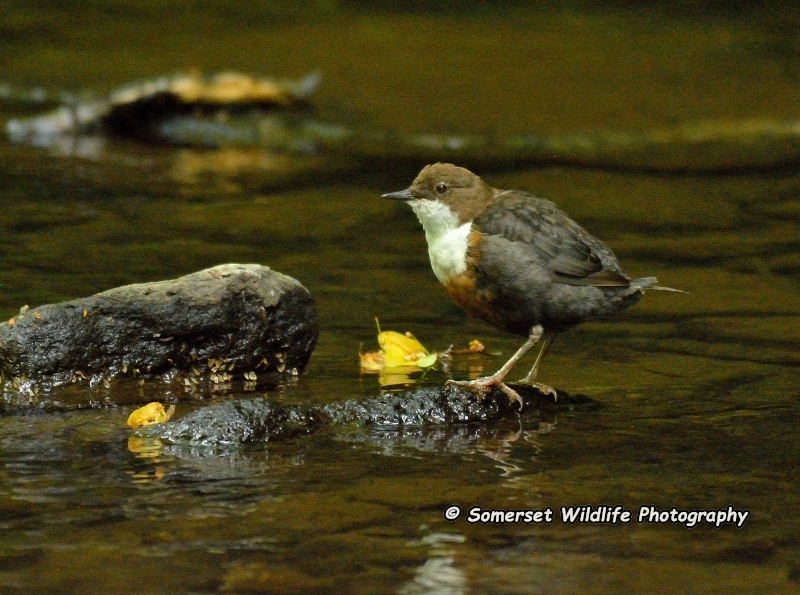
- NAME: Dipper – Cinclus Cinclus / WINGSPAN: 25-30cm / SOMERSET STATUS: All year round but often difficult to find in the lowerlevels as they prefer faster flowing clear streams. But they can be found! / DIET: Insect larvae and freshwater shrimps /
-
- NAME: Dipper – Cinclus Cinclus / WINGSPAN: 25-30cm / SOMERSET STATUS: All year round but often difficult to find in the lowerlevels as they prefer faster flowing clear streams. But they can be found! / DIET: Insect larvae and freshwater shrimps /
-
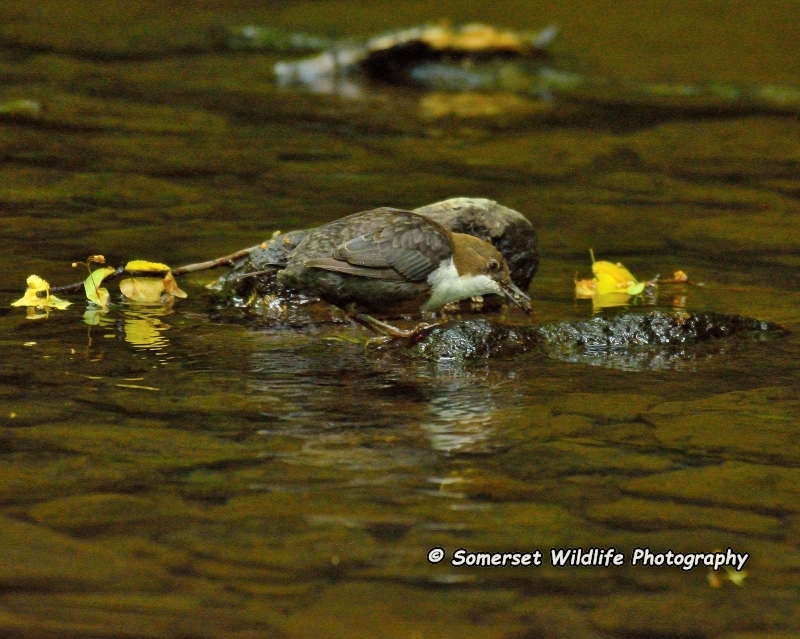
- NAME: Dipper – Cinclus Cinclus / WINGSPAN: 25-30cm / SOMERSET STATUS: All year round but often difficult to find in the lowerlevels as they prefer faster flowing clear streams. But they can be found! / DIET: Insect larvae and freshwater shrimps /
-

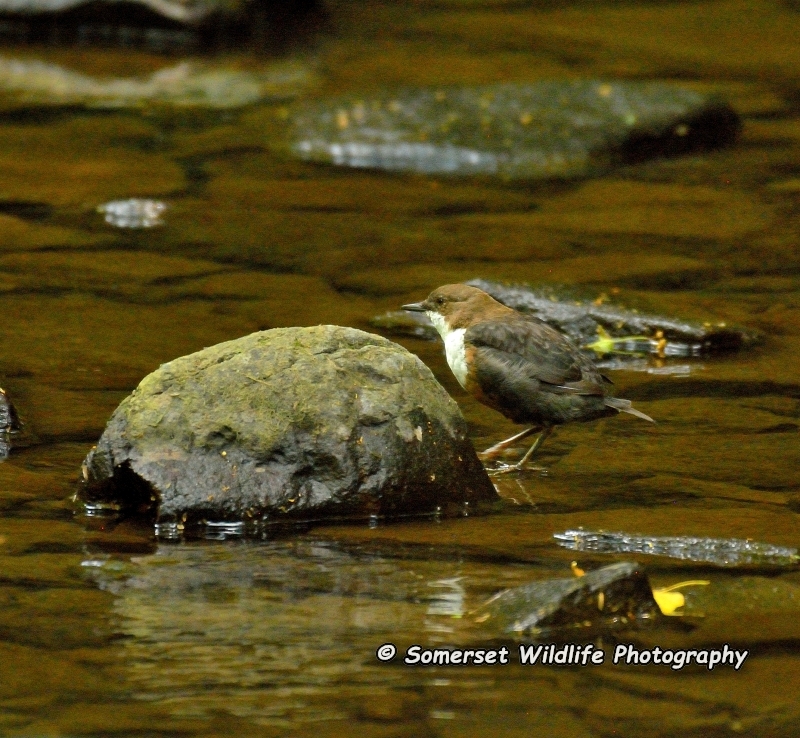
- NAME: Dipper – Cinclus Cinclus / WINGSPAN: 25-30cm / SOMERSET STATUS: All year round but often difficult to find in the lowerlevels as they prefer faster flowing clear streams. But they can be found! / DIET: Insect larvae and freshwater shrimps /
-
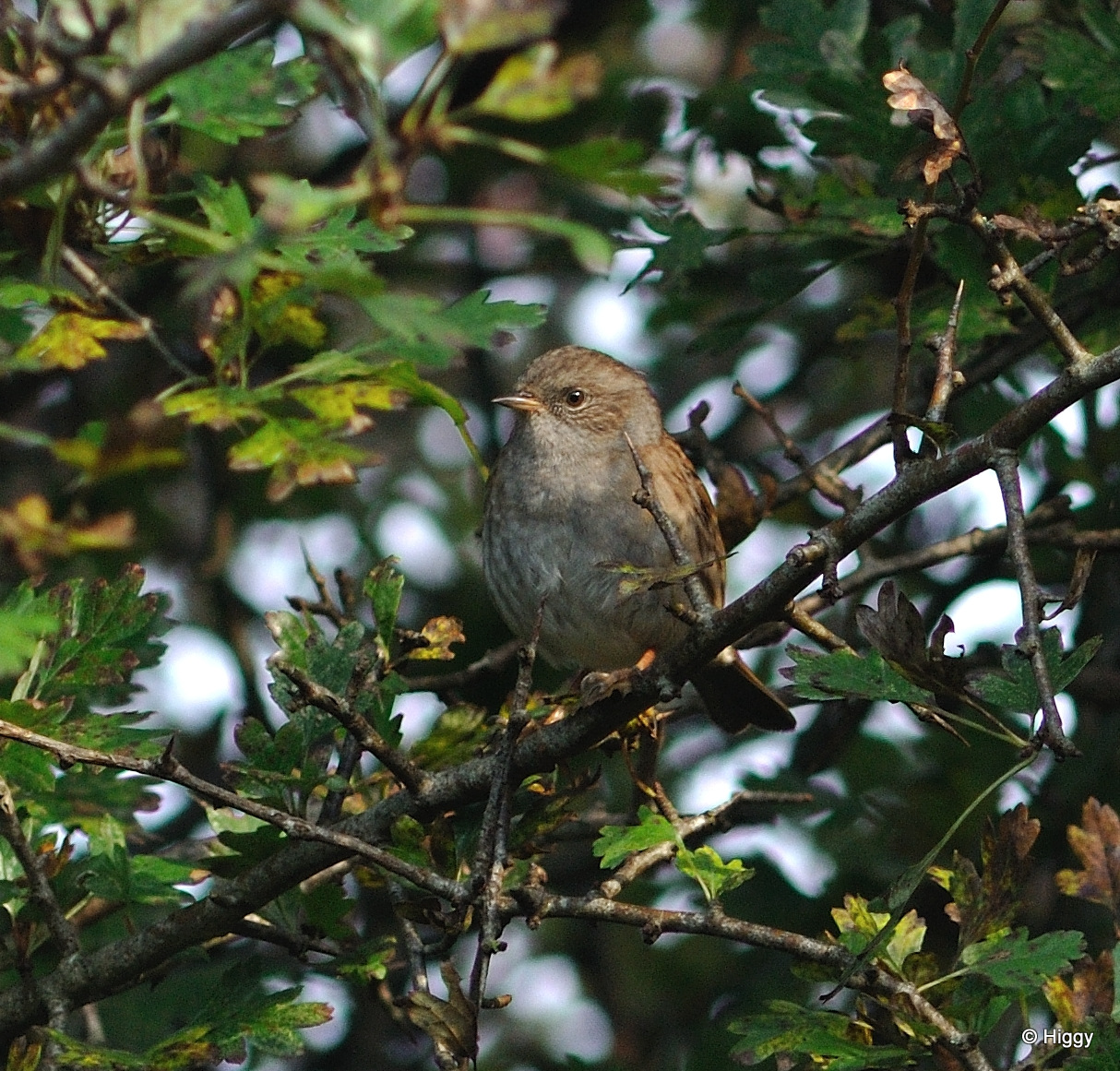
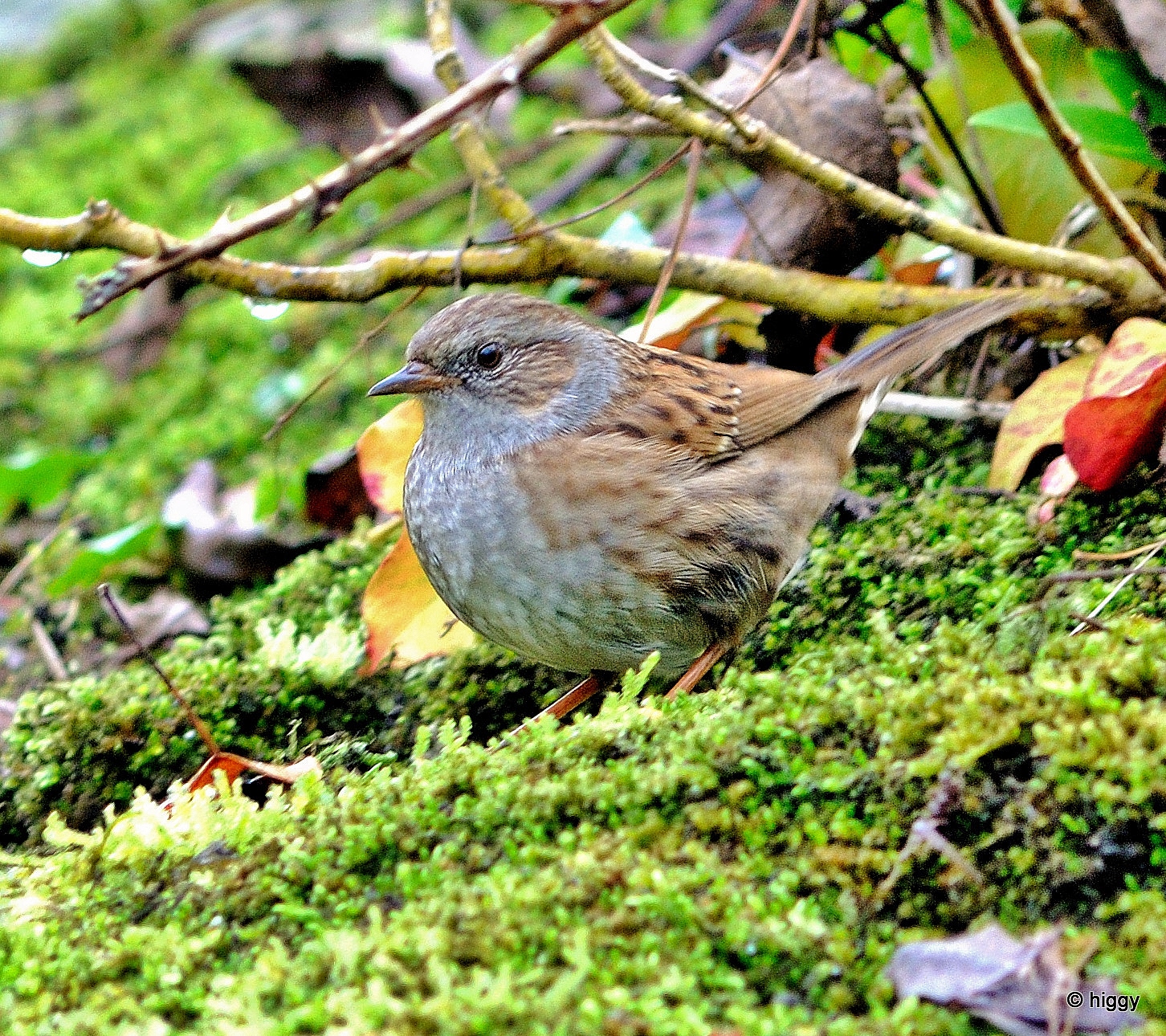
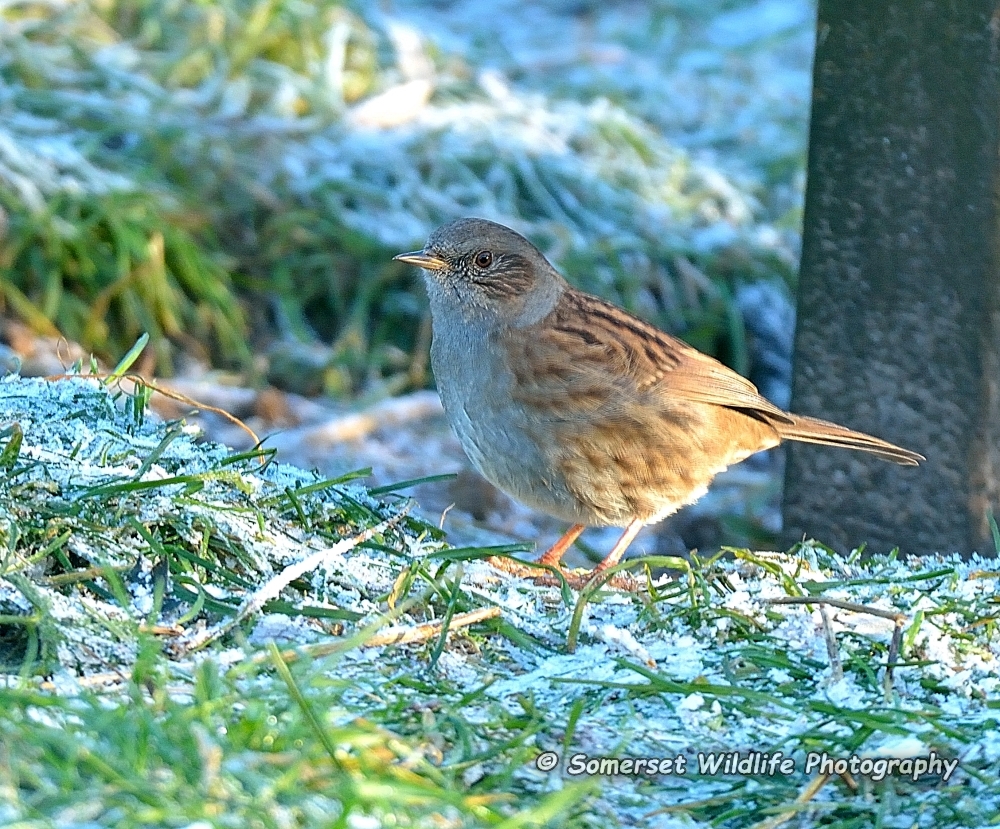
- NAME: Dunnock – Prunella modulais / WINGSPAN: 19-21cm / SOMERSET STATUS: All year round, Common and numerous in all most habitats including gardens where it’s generally seen hopping around on the ground and bases of hedges looking for food. / DIET: Insects, spiders, worms and seeds /
-

- NAME: Dunnock – Prunella modulais / WINGSPAN: 19-21cm / SOMERSET STATUS: All year round, Common and numerous in all most habitats including gardens where it’s generally seen hopping around on the ground and bases of hedges looking for food. / DIET: Insects, spiders, worms and seeds /
-
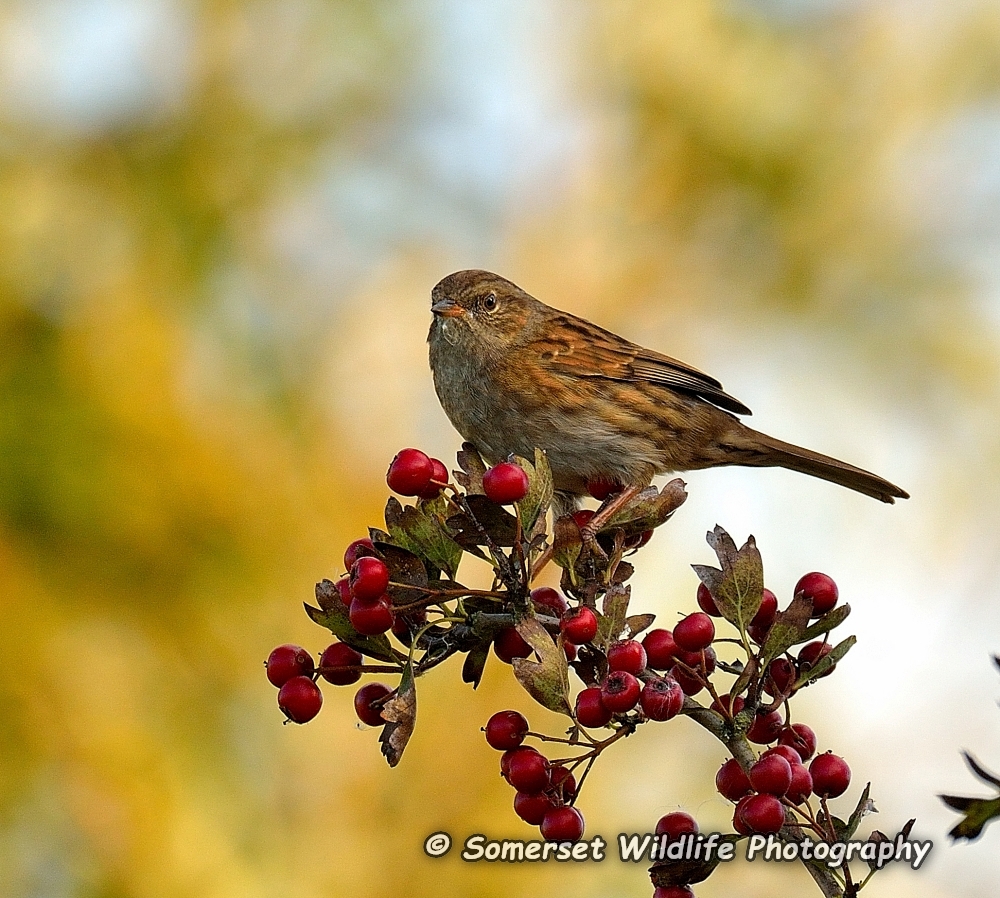
- NAME: Dunnock – Prunella modulais / WINGSPAN: 19-21cm / SOMERSET STATUS: All year round, Common and numerous in all most habitats including gardens where it’s generally seen hopping around on the ground and bases of hedges looking for food. / DIET: Insects, spiders, worms and seeds /
-
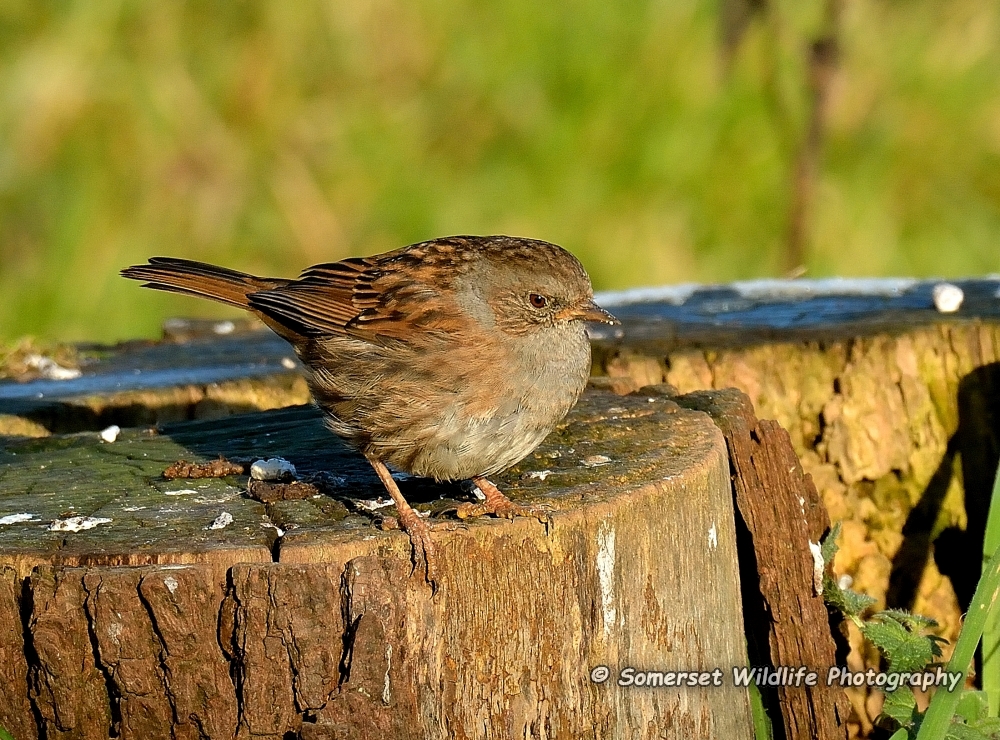
- NAME: Dunnock – Prunella modulais / WINGSPAN: 19-21cm / SOMERSET STATUS: All year round, Common and numerous in all most habitats including gardens where it’s generally seen hopping around on the ground and bases of hedges looking for food. / DIET: Insects, spiders, worms and seeds /
-
- NAME: Dunnock – Prunella modulais / WINGSPAN: 19-21cm / SOMERSET STATUS: All year round, Common and numerous in all most habitats including gardens where it’s generally seen hopping around on the ground and bases of hedges looking for food. / DIET: Insects, spiders, worms and seeds /
-
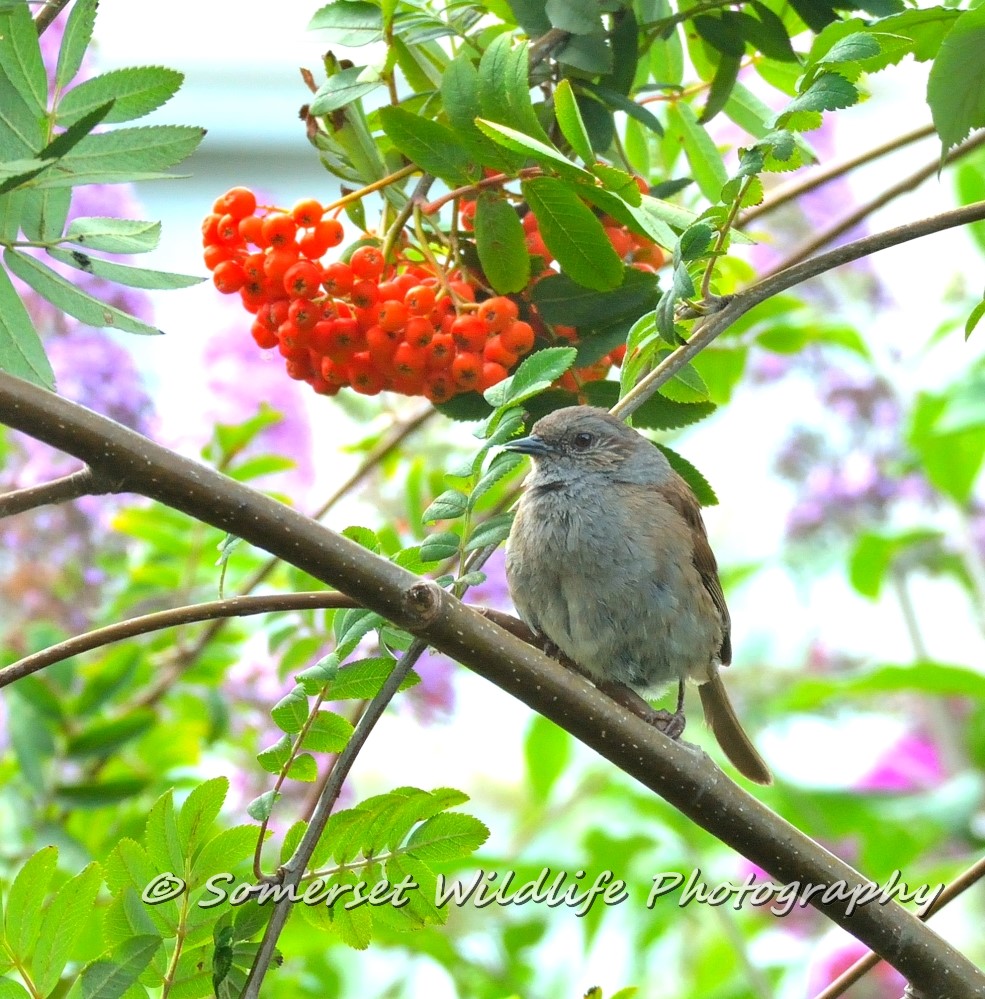
- NAME: Dunnock – Prunella modulais / WINGSPAN: 19-21cm / SOMERSET STATUS: All year round, Common and numerous in all most habitats including gardens where it’s generally seen hopping around on the ground and bases of hedges looking for food. / DIET: Insects, spiders, worms and seeds /
-
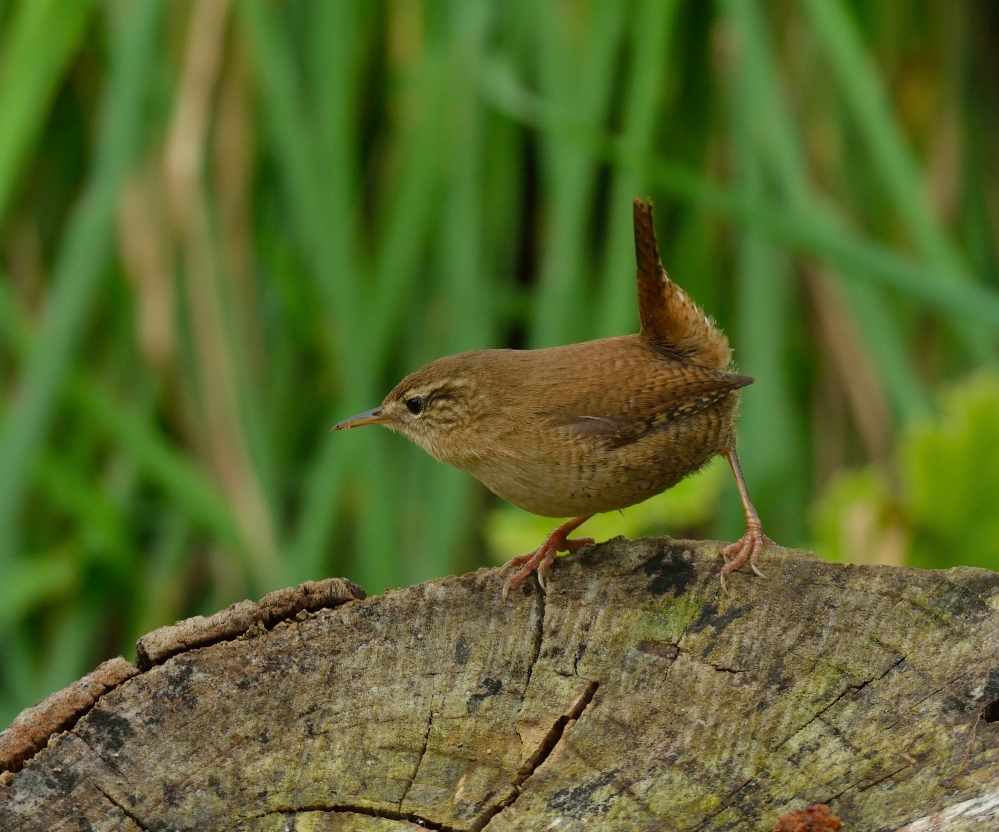
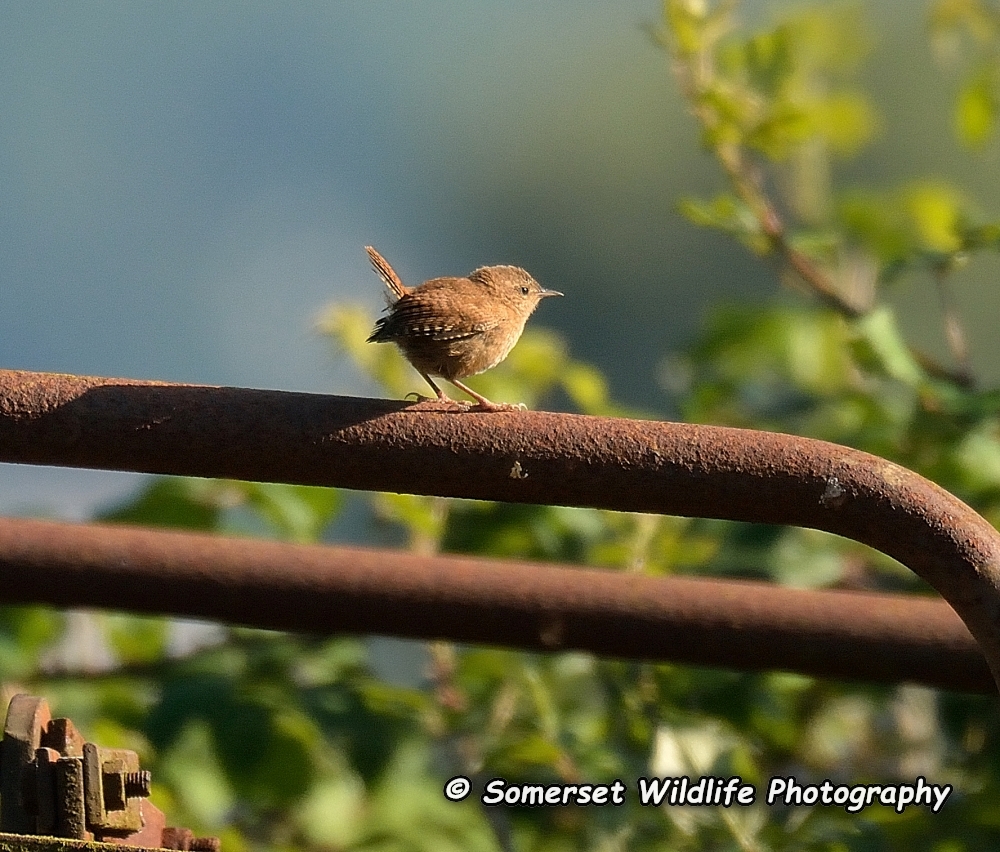
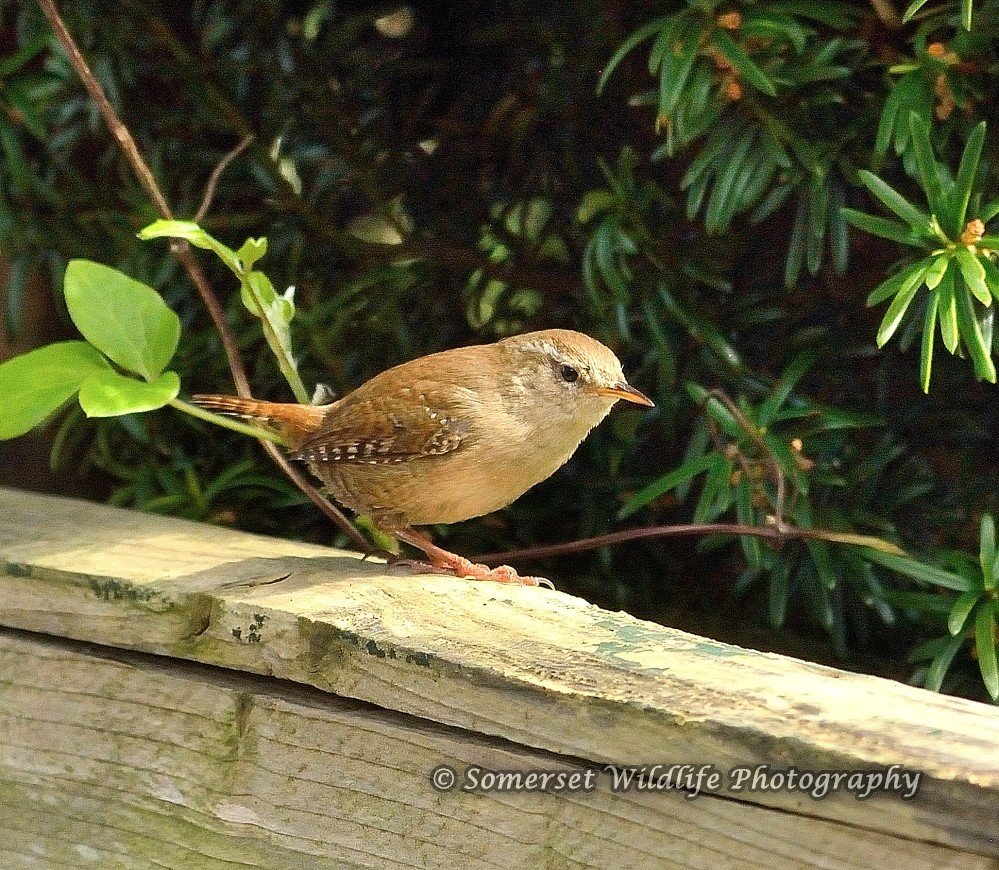
- NAME: Wren – Troglodytes troglodytes / WINGSPAN: 13-17cm / SOMERSET STATUS: All year round, Common and numerous in all most habitats including gardens where it’s generally seen hopping around on the ground and in low vegetation looking for food. / DIET: Insects, and spiders /
-
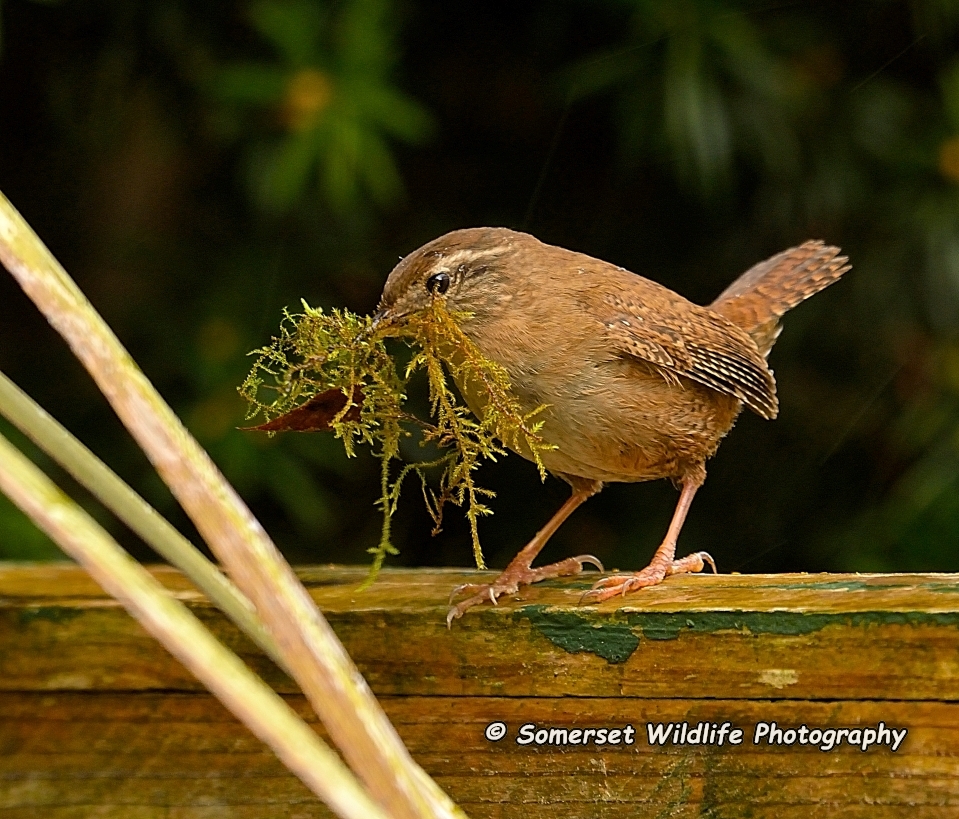
- NAME: Wren – Troglodytes troglodytes / WINGSPAN: 13-17cm / SOMERSET STATUS: All year round, Common and numerous in all most habitats including gardens where it’s generally seen hopping around on the ground and in low vegetation looking for food. / DIET: Insects, and spiders /
-
- NAME: Wren – Troglodytes troglodytes / WINGSPAN: 13-17cm / SOMERSET STATUS: All year round, Common and numerous in all most habitats including gardens where it’s generally seen hopping around on the ground and in low vegetation looking for food. / DIET: Insects, and spiders /
-
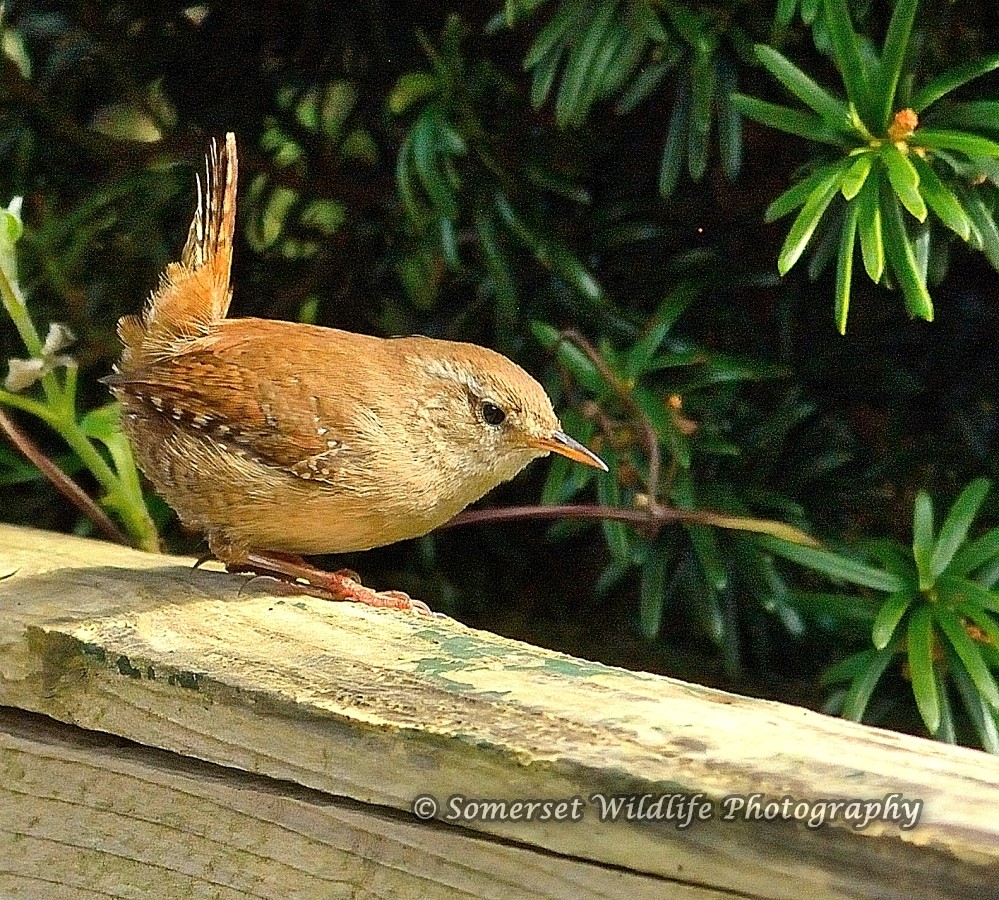
- NAME: Wren – Troglodytes troglodytes / WINGSPAN: 13-17cm / SOMERSET STATUS: All year round, Common and numerous in all most habitats including gardens where it’s generally seen hopping around on the ground and in low vegetation looking for food. / DIET: Insects, and spiders /
-
- NAME: Wren – Troglodytes troglodytes / WINGSPAN: 13-17cm / SOMERSET STATUS: All year round, Common and numerous in all most habitats including gardens where it’s generally seen hopping around on the ground and in low vegetation looking for food. / DIET: Insects, and spiders /