Recording Wildlife and Supporting Local Conservation within the Counties of Somerset

-
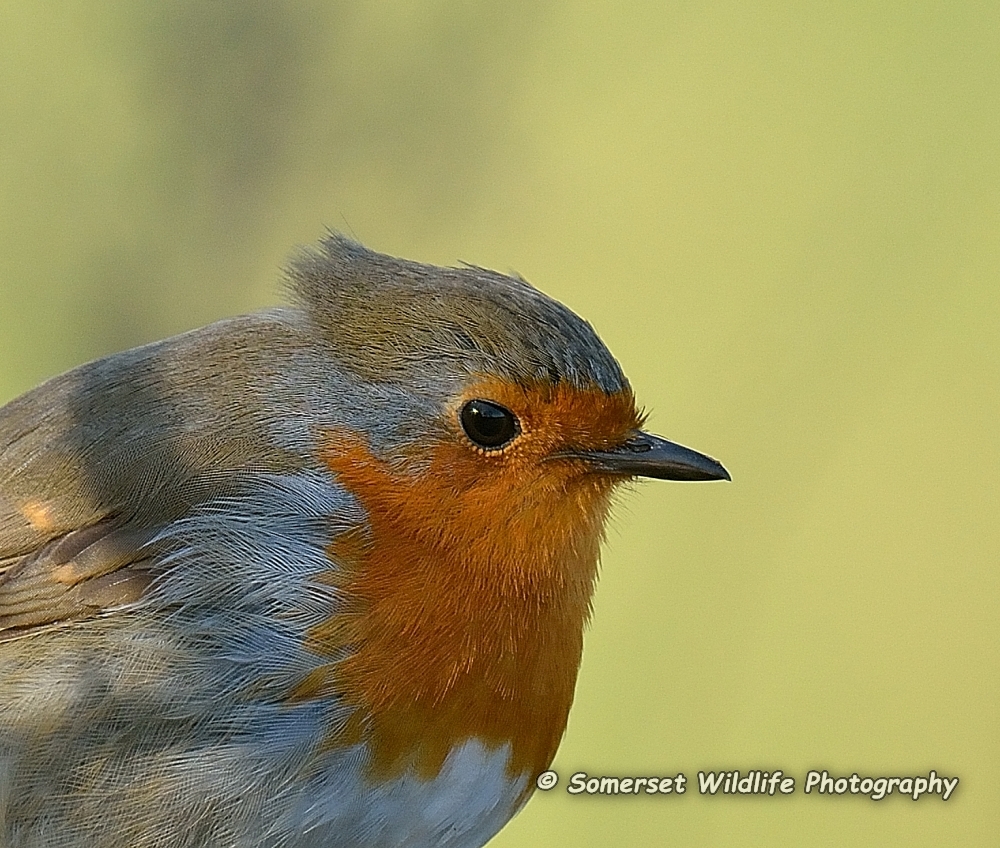
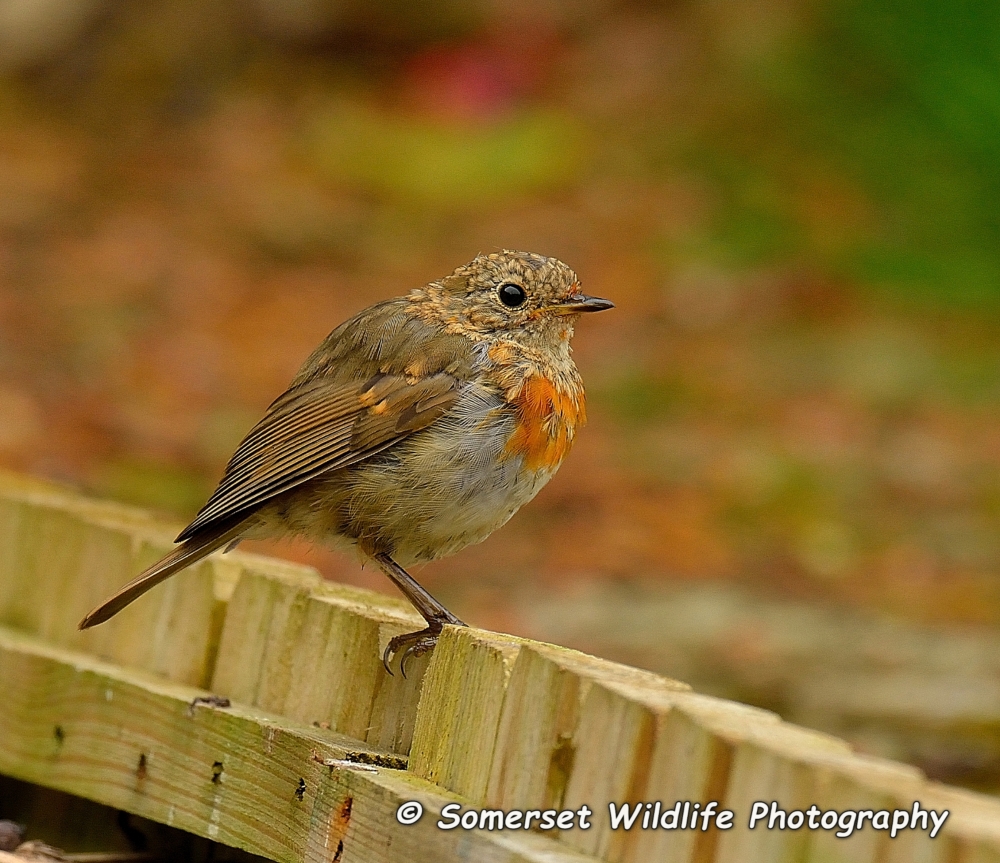
- NAME: Robin – Erithacus rubecula / WINGSPAN: 20-22cm / SOMERSET STATUS: Common and wide spread. Not only the gardeners favourite but the wildlife photographers favourite also! / DIET: Worms, seeds, fruits, insects and other invertebrates /
-
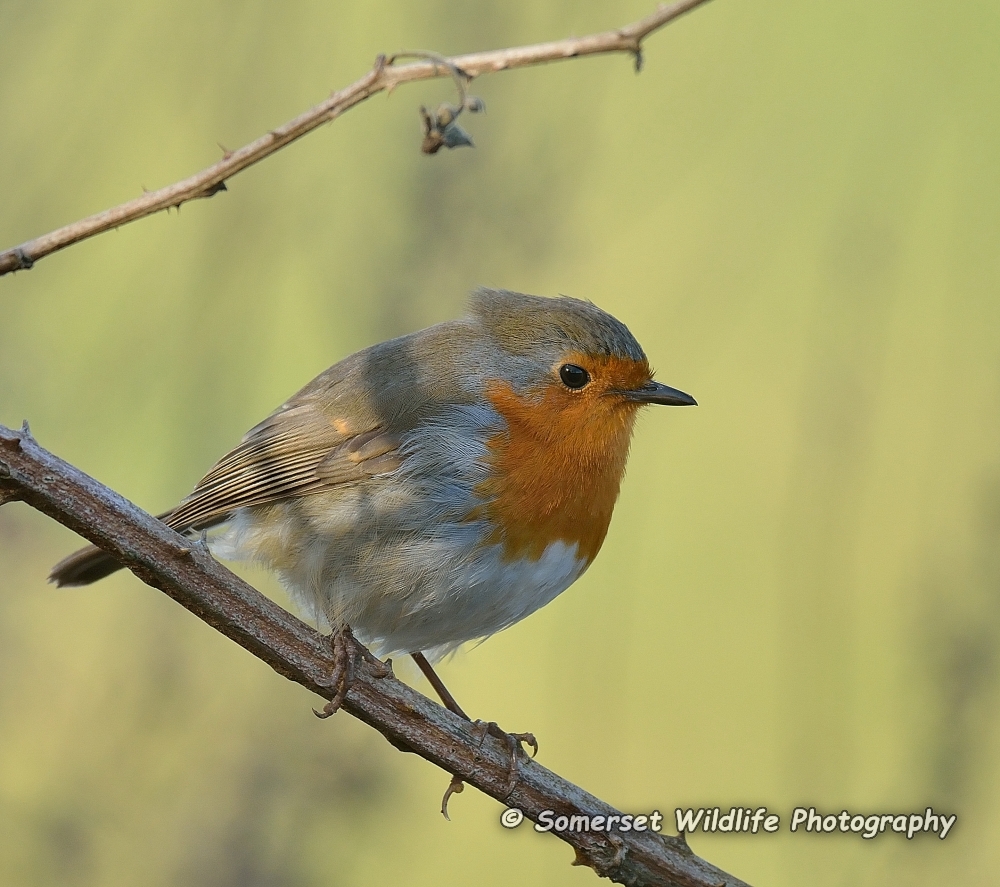
- NAME: Robin – Erithacus rubecula / WINGSPAN: 20-22cm / SOMERSET STATUS: Common and wide spread. Not only the gardeners favourite but the wildlife photographers favourite also! / DIET: Worms, seeds, fruits, insects and other invertebrates /
-

- NAME: Robin – Erithacus rubecula / WINGSPAN: 20-22cm / SOMERSET STATUS: Common and wide spread. Not only the gardeners favourite but the wildlife photographers favourite also! / DIET: Worms, seeds, fruits, insects and other invertebrates /
-
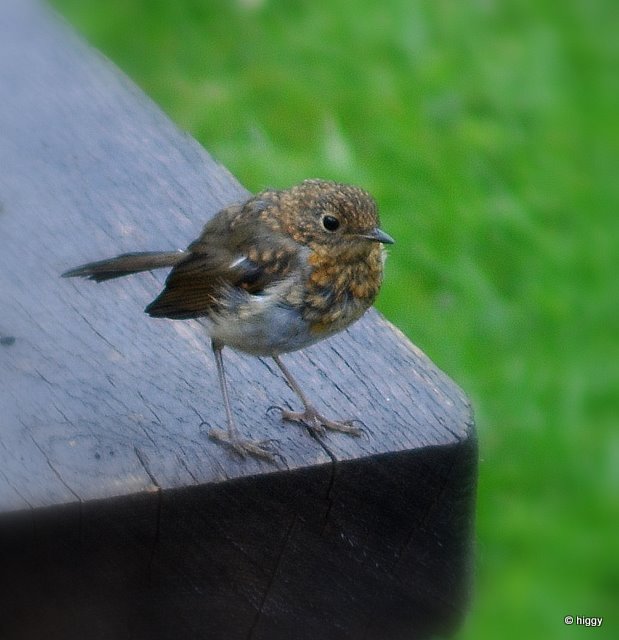
- NAME: Robin – Erithacus rubecula / WINGSPAN: 20-22cm / SOMERSET STATUS: Common and wide spread. Not only the gardeners favourite but the wildlife photographers favourite also! / DIET: Worms, seeds, fruits, insects and other invertebrates /
-

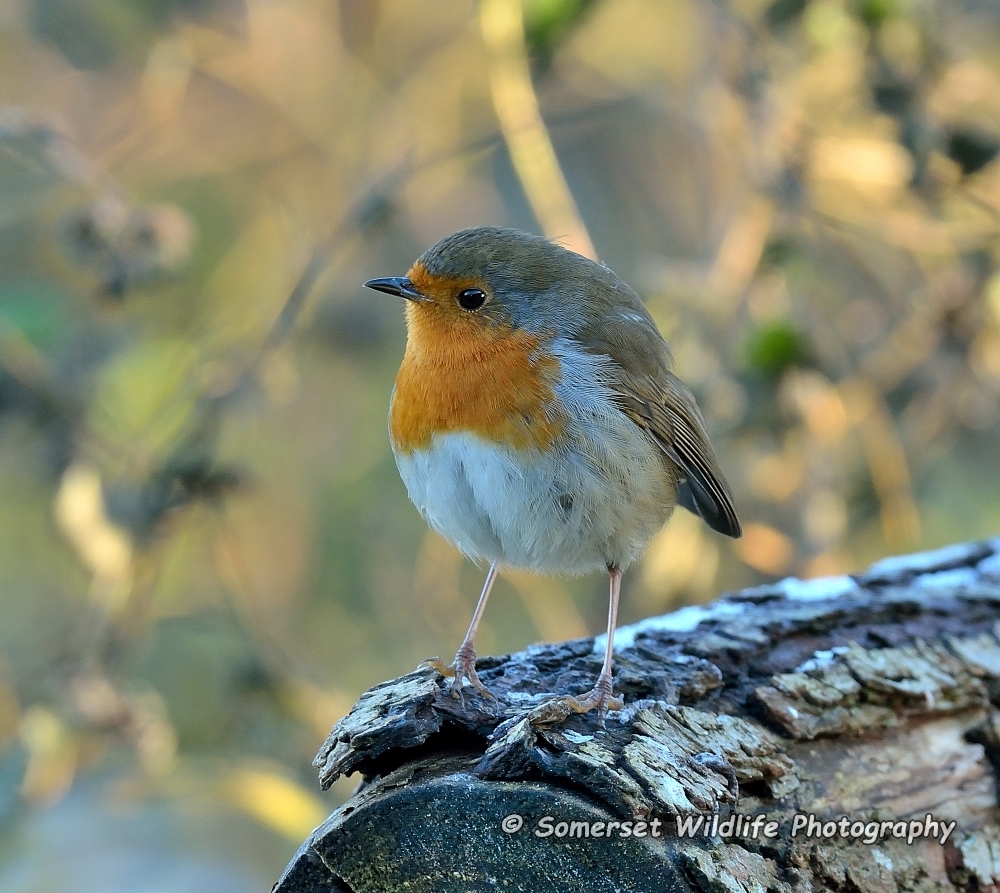
- NAME: Robin – Erithacus rubecula / WINGSPAN: 20-22cm / SOMERSET STATUS: Common and wide spread. Not only the gardeners favourite but the wildlife photographers favourite also! / DIET: Worms, seeds, fruits, insects and other invertebrates /
-
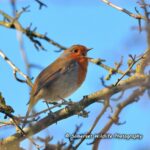
- NAME: Robin – Erithacus rubecula / WINGSPAN: 20-22cm / SOMERSET STATUS: Common and wide spread. Not only the gardeners favourite but the wildlife photographers favourite also! / DIET: Worms, seeds, fruits, insects and other invertebrates /

-
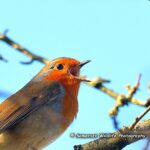
- NAME: Robin – Erithacus rubecula / WINGSPAN: 20-22cm / SOMERSET STATUS: Common and wide spread. Not only the gardeners favourite but the wildlife photographers favourite also! / DIET: Worms, seeds, fruits, insects and other invertebrates /
-

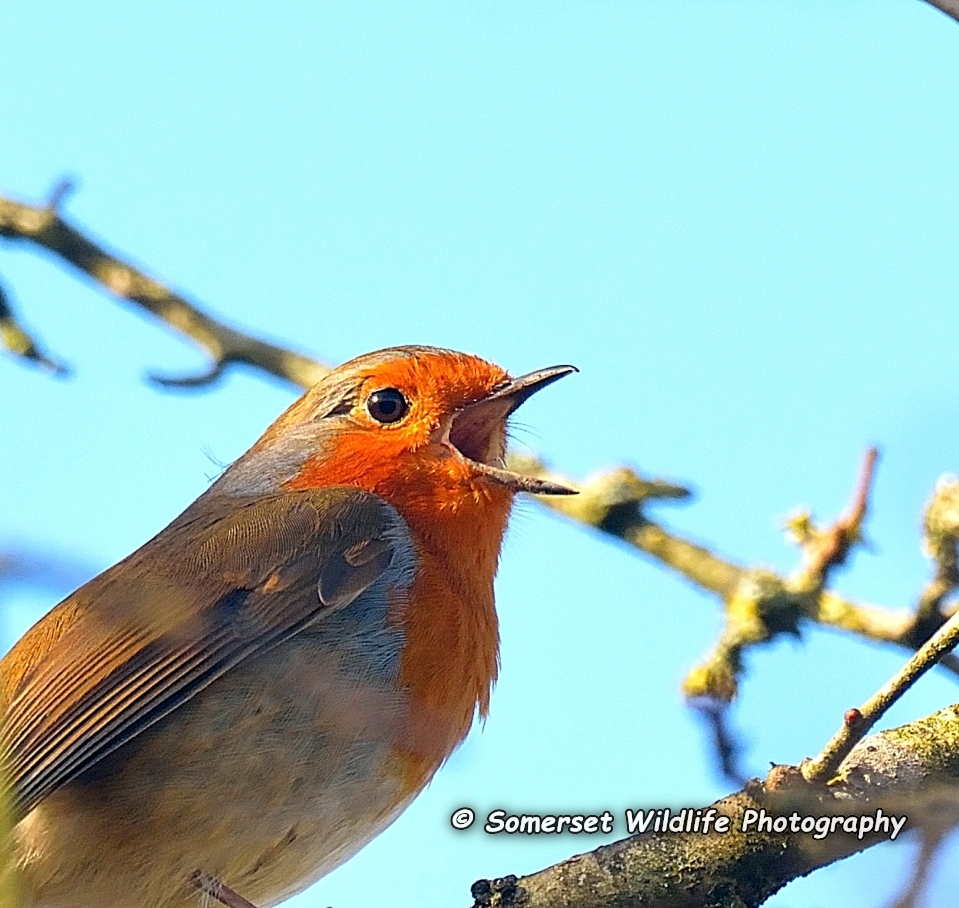
- NAME: Robin – Erithacus rubecula / WINGSPAN: 20-22cm / SOMERSET STATUS: Common and wide spread. Not only the gardeners favourite but the wildlife photographers favourite also! / DIET: Worms, seeds, fruits, insects and other invertebrates /

-
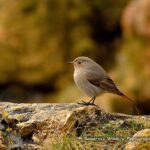
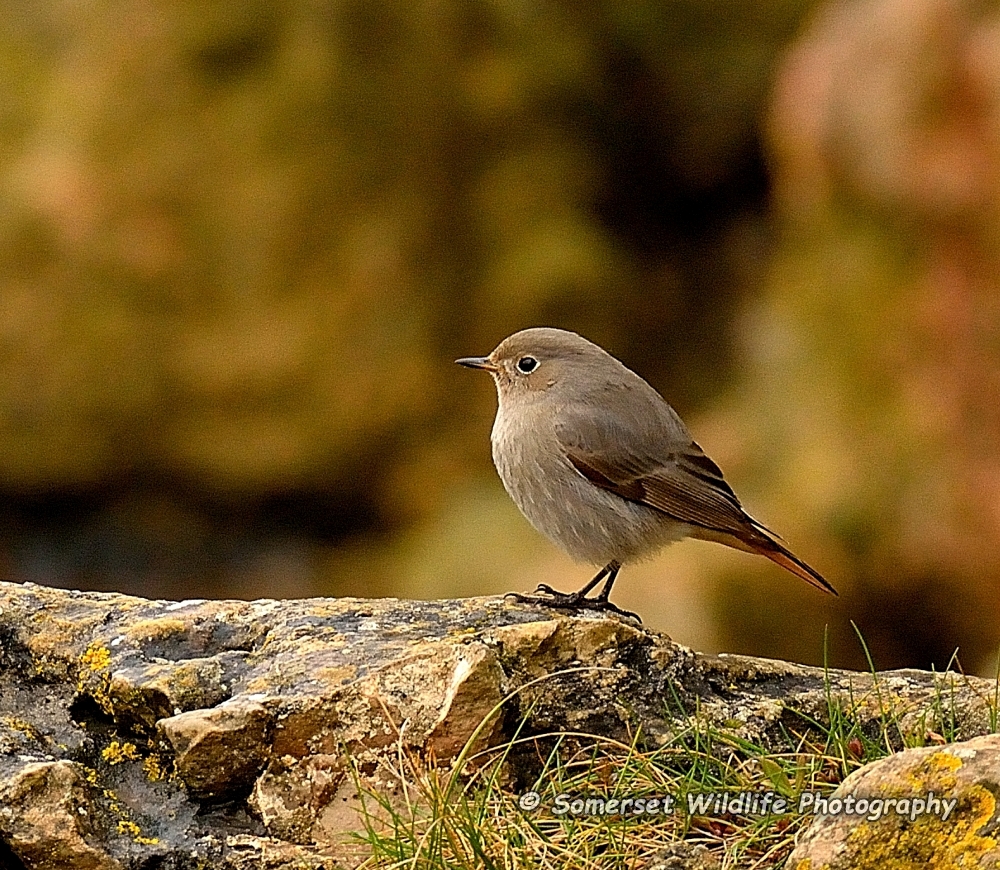
- NAME: Black-Redstart-Phoenicurus-ochruros / WINGSPAN: 23-26cm / SOMERSET STATUS: Fairly rare but winter time visitor to rocky coastal areas and often seen in and around derelict buildings in this setting. Bristol Channel coastline is a good place to look including under Clevedon’s historic Victorian pier (on rocks and only when the tide is well out!!) – British red listed and schedule 1 bird / DIET: Insects, spiders, worms, berries and seeds /
-
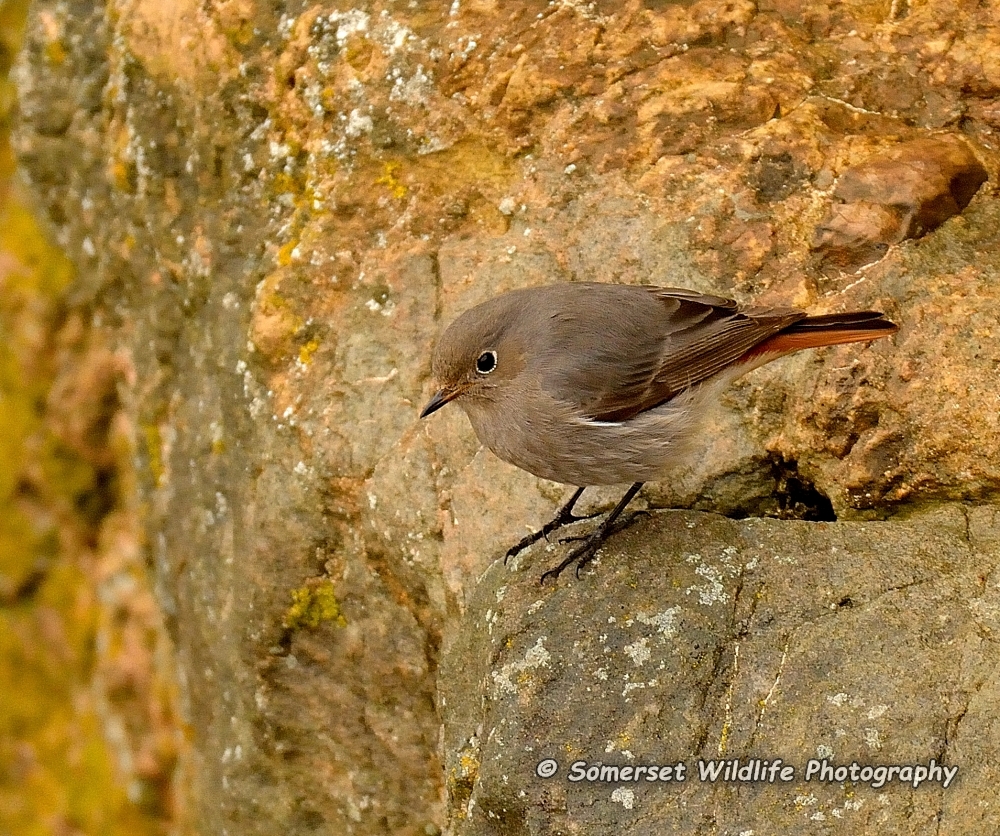
- NAME: Black-Redstart-Phoenicurus-ochruros / WINGSPAN: 23-26cm / SOMERSET STATUS: Fairly rare but winter time visitor to rocky coastal areas and often seen in and around derelict buildings in this setting. Bristol Channel coastline is a good place to look including under Clevedon’s historic Victorian pier (on rocks and only when the tide is well out!!) – British red listed and schedule 1 bird / DIET: Insects, spiders, worms, berries and seeds /
-
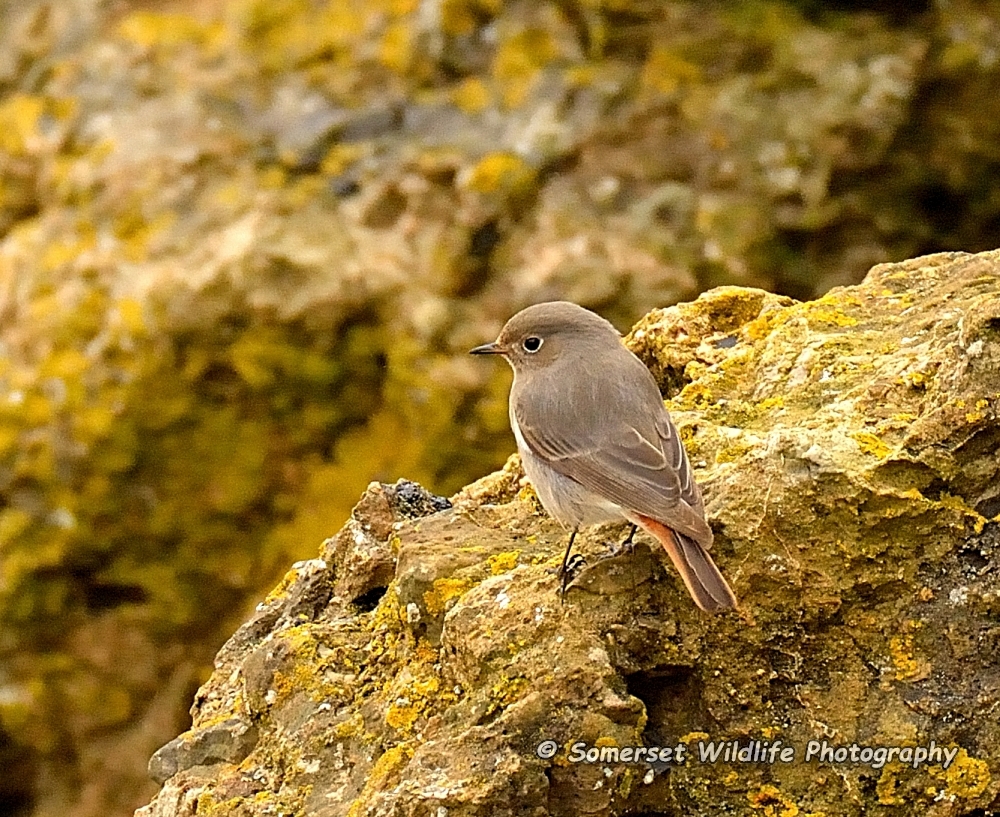
- NAME: Black-Redstart-Phoenicurus-ochruros / WINGSPAN: 23-26cm / SOMERSET STATUS: Fairly rare but winter time visitor to rocky coastal areas and often seen in and around derelict buildings in this setting. Bristol Channel coastline is a good place to look including under Clevedon’s historic Victorian pier (on rocks and only when the tide is well out!!) – British red listed and schedule 1 bird / DIET: Insects, spiders, worms, berries and seeds /
-
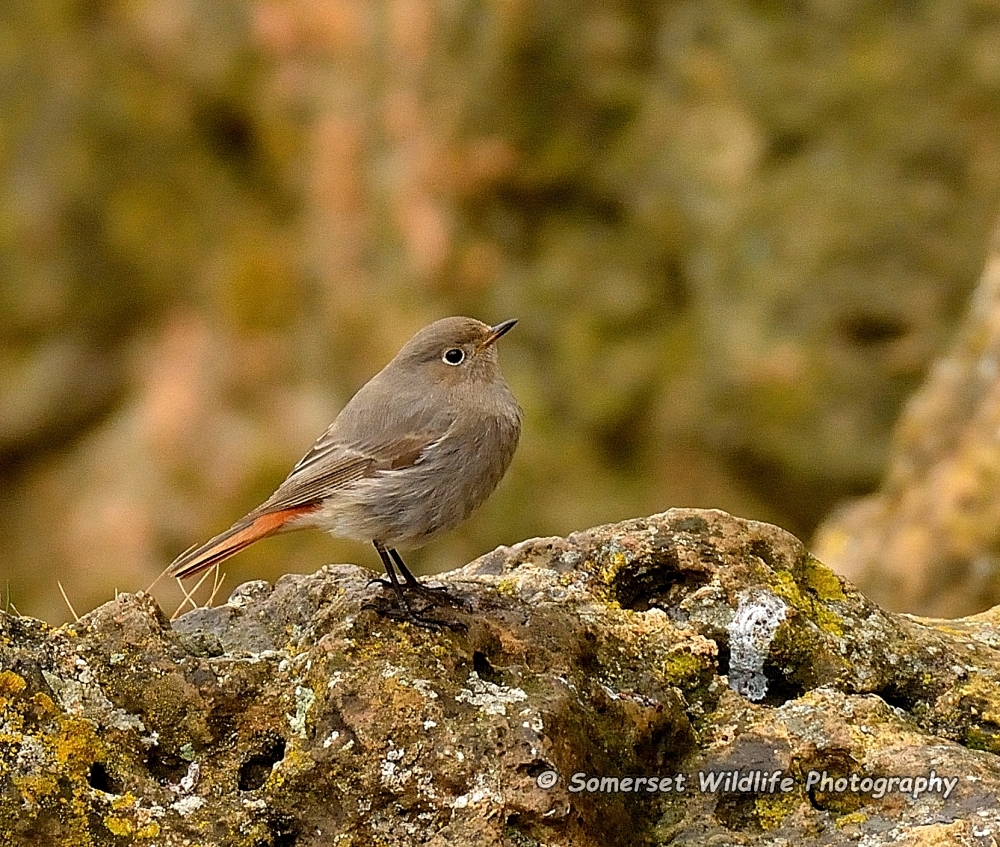
- NAME: Black-Redstart-Phoenicurus-ochruros / WINGSPAN: 23-26cm / SOMERSET STATUS: Fairly rare but winter time visitor to rocky coastal areas and often seen in and around derelict buildings in this setting. Bristol Channel coastline is a good place to look including under Clevedon’s historic Victorian pier (on rocks and only when the tide is well out!!) – British red listed and schedule 1 bird / DIET: Insects, spiders, worms, berries and seeds /
-
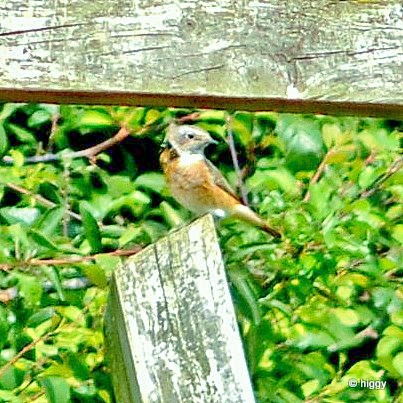
- NAME: Redstart – Phoenicurus pheonicurus / WINGSPAN: 20-24cm / SOMERSET STATUS: Extremely difficult to find. Generally summer passage birds that may stop of near coastal areas / DIET: Insects; also spiders, worms and berries /
-
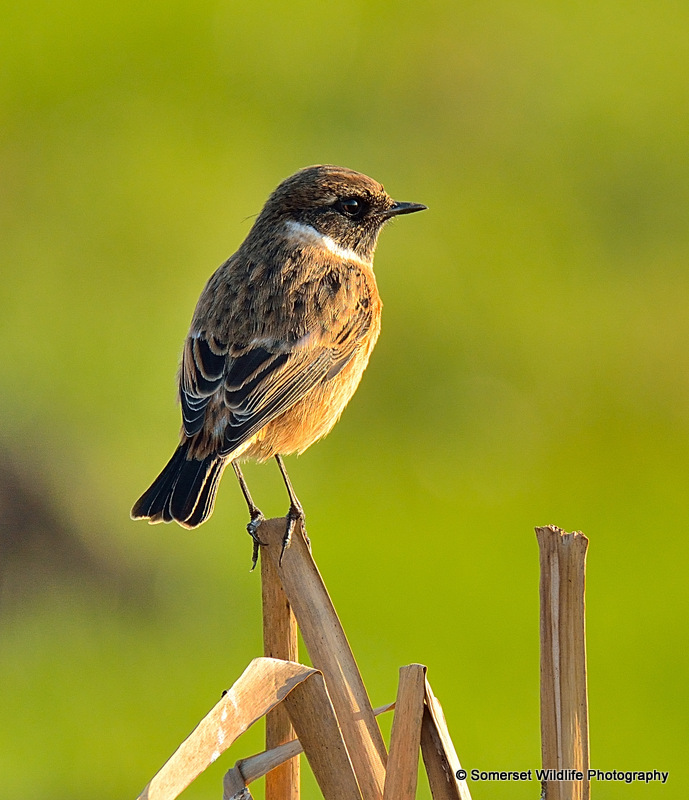
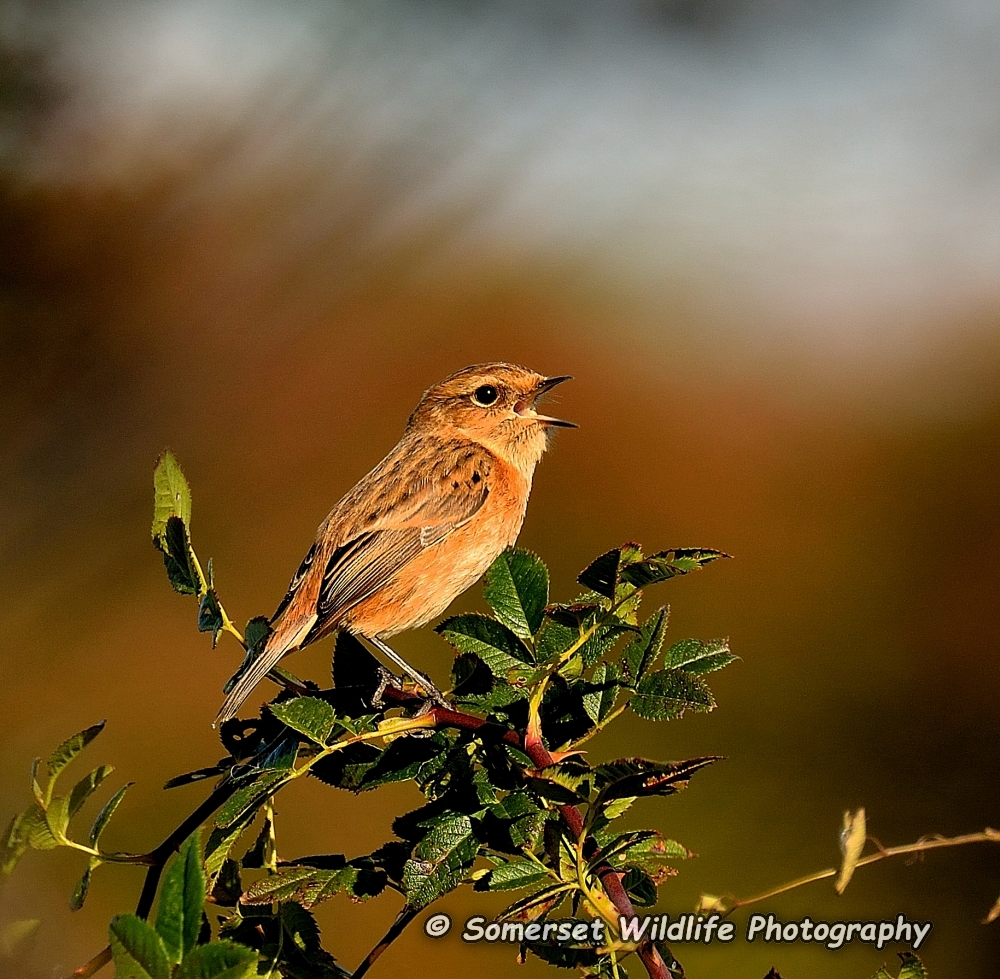
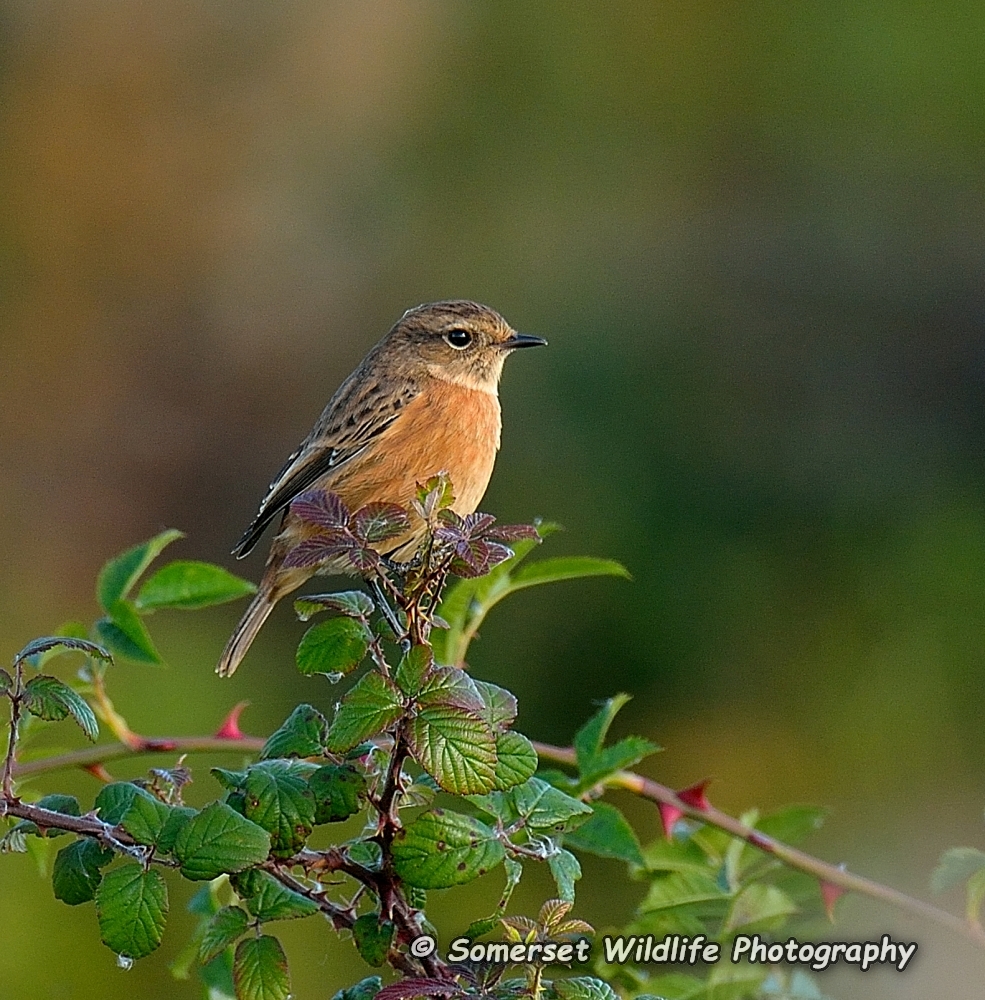
- NAME: Stonechat – Saxicola torquate / WINGSPAN: 18-21cm / SOMERSET STATUS: Common and widespread. Often spending warmer months in upland situations and dropping to lower ground for winter. I always look forward to my first stonechat siting of the year on my local wetland as it signifies the arrival of colder months / DIET: Invertebrates, seeds and fruit (e.g. blackberries) /
-
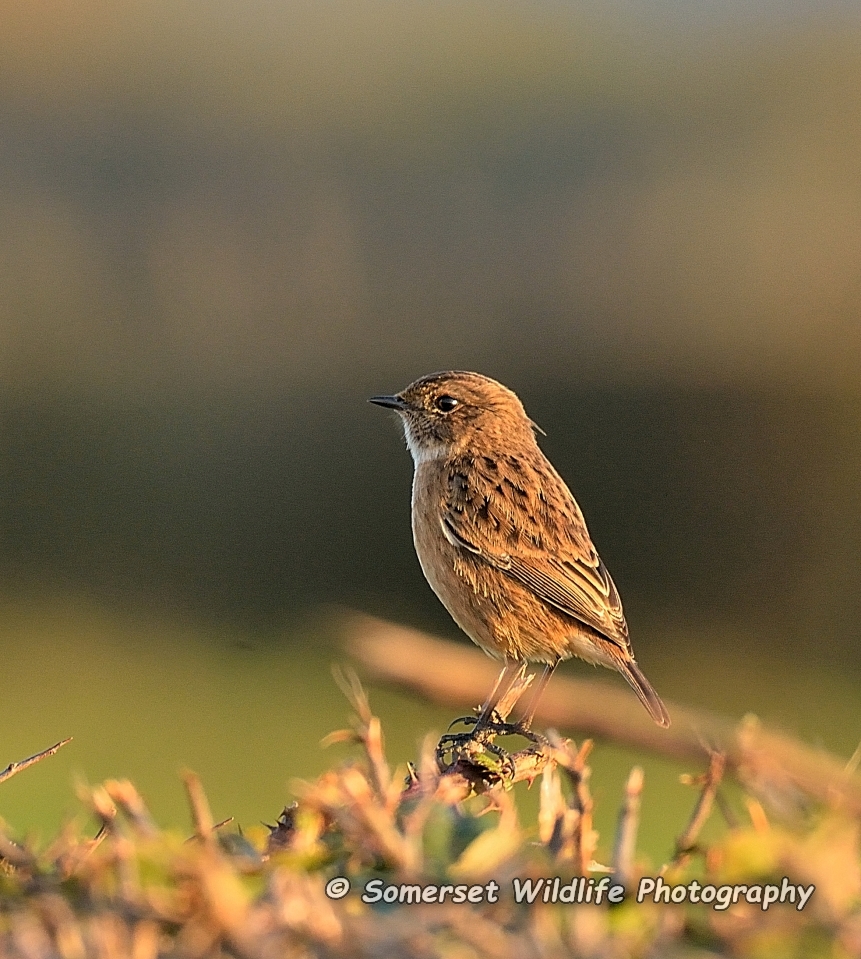
- NAME: Stonechat – Saxicola torquate / WINGSPAN: 18-21cm / SOMERSET STATUS: Common and widespread. Often spending warmer months in upland situations and dropping to lower ground for winter. I always look forward to my first stonechat siting of the year on my local wetland as it signifies the arrival of colder months / DIET: Invertebrates, seeds and fruit (e.g. blackberries) /
-
- NAME: Stonechat – Saxicola torquate / WINGSPAN: 18-21cm / SOMERSET STATUS: Common and widespread. Often spending warmer months in upland situations and dropping to lower ground for winter. I always look forward to my first stonechat siting of the year on my local wetland as it signifies the arrival of colder months / DIET: Invertebrates, seeds and fruit (e.g. blackberries) /
-
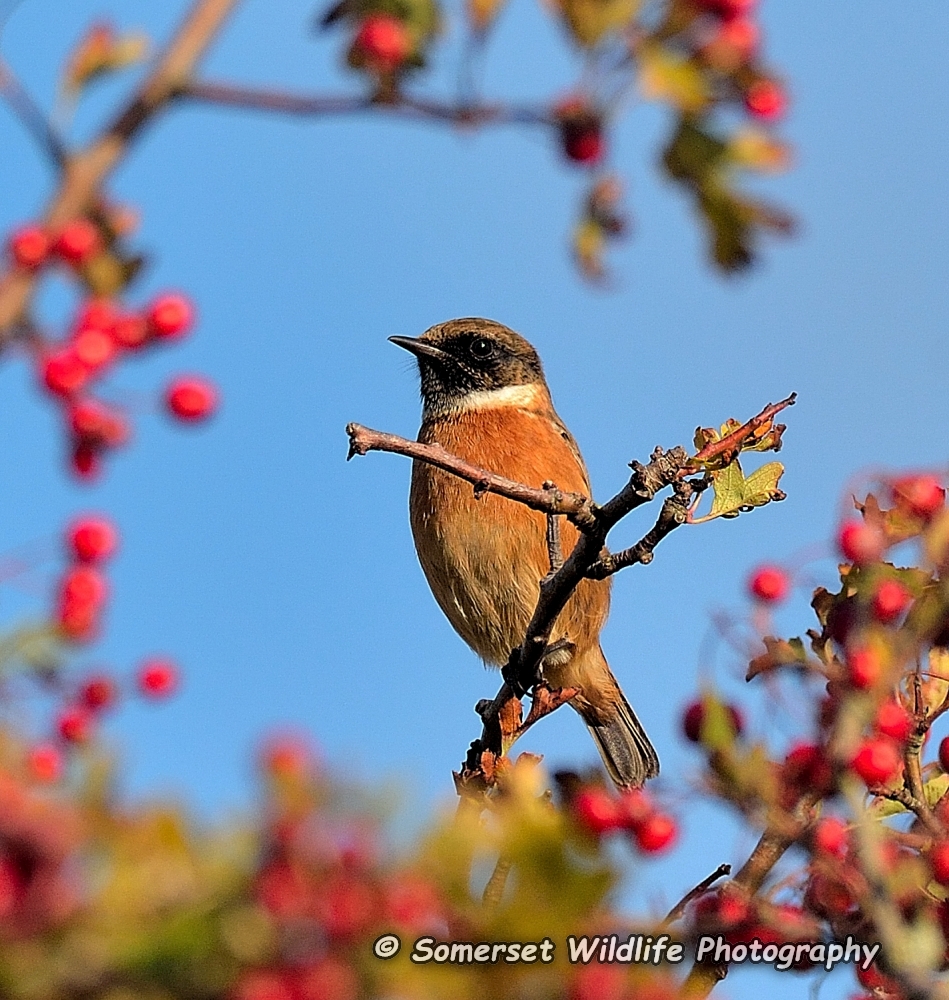
- NAME: Stonechat – Saxicola torquate / WINGSPAN: 18-21cm / SOMERSET STATUS: Common and widespread. Often spending warmer months in upland situations and dropping to lower ground for winter. I always look forward to my first stonechat siting of the year on my local wetland as it signifies the arrival of colder months / DIET: Invertebrates, seeds and fruit (e.g. blackberries) /
-
- NAME: Stonechat – Saxicola torquate / WINGSPAN: 18-21cm / SOMERSET STATUS: Common and widespread. Often spending warmer months in upland situations and dropping to lower ground for winter. I always look forward to my first stonechat siting of the year on my local wetland as it signifies the arrival of colder months / DIET: Invertebrates, seeds and fruit (e.g. blackberries) /
-
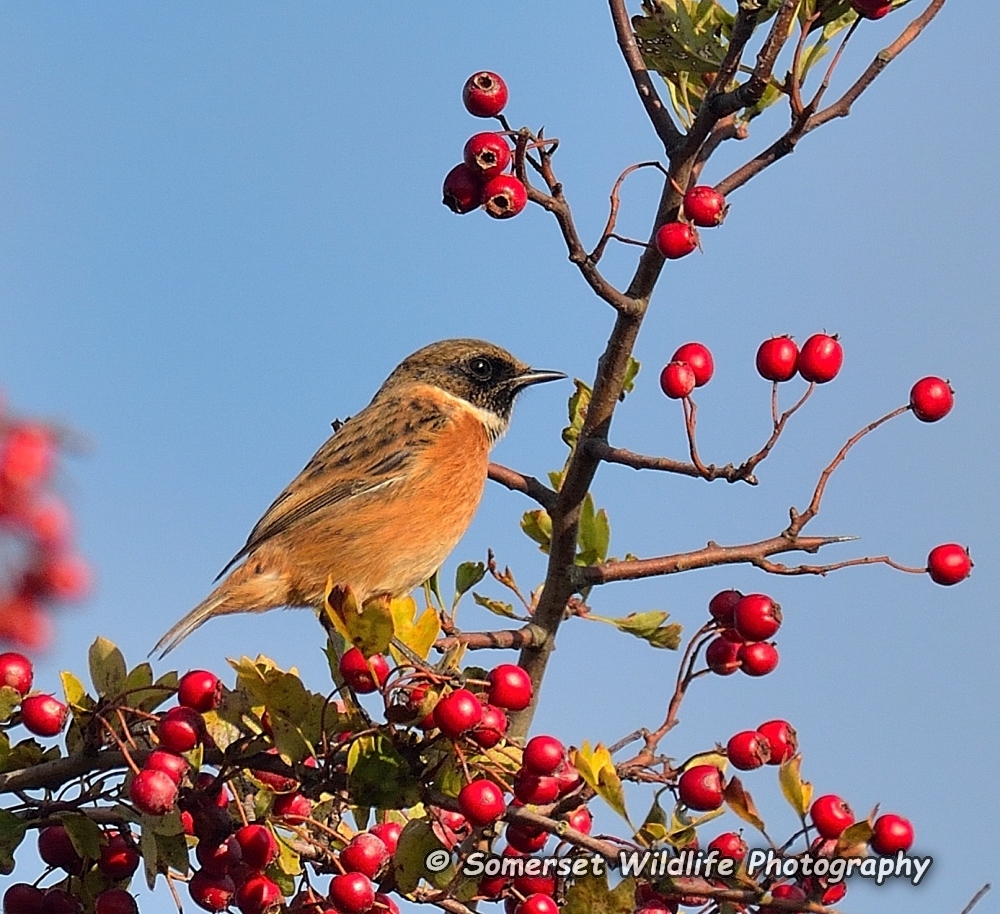
- NAME: Stonechat – Saxicola torquate / WINGSPAN: 18-21cm / SOMERSET STATUS: Common and widespread. Often spending warmer months in upland situations and dropping to lower ground for winter. I always look forward to my first stonechat siting of the year on my local wetland as it signifies the arrival of colder months / DIET: Invertebrates, seeds and fruit (e.g. blackberries) /
-
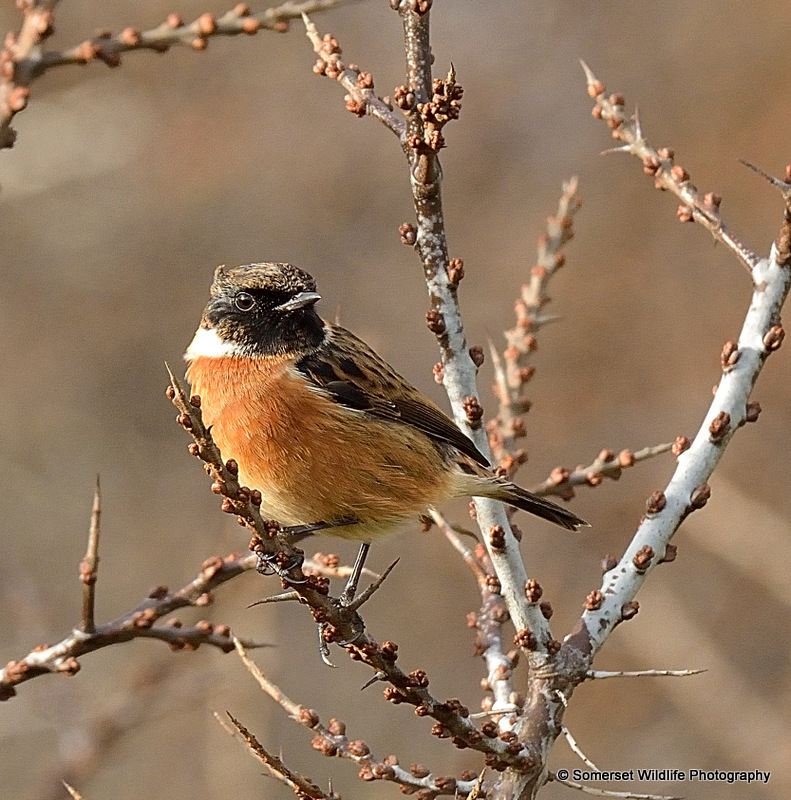
- NAME: Stonechat – Saxicola torquate / WINGSPAN: 18-21cm / SOMERSET STATUS: Common and widespread. Often spending warmer months in upland situations and dropping to lower ground for winter. I always look forward to my first stonechat siting of the year on my local wetland as it signifies the arrival of colder months / DIET: Invertebrates, seeds and fruit (e.g. blackberries) /
-

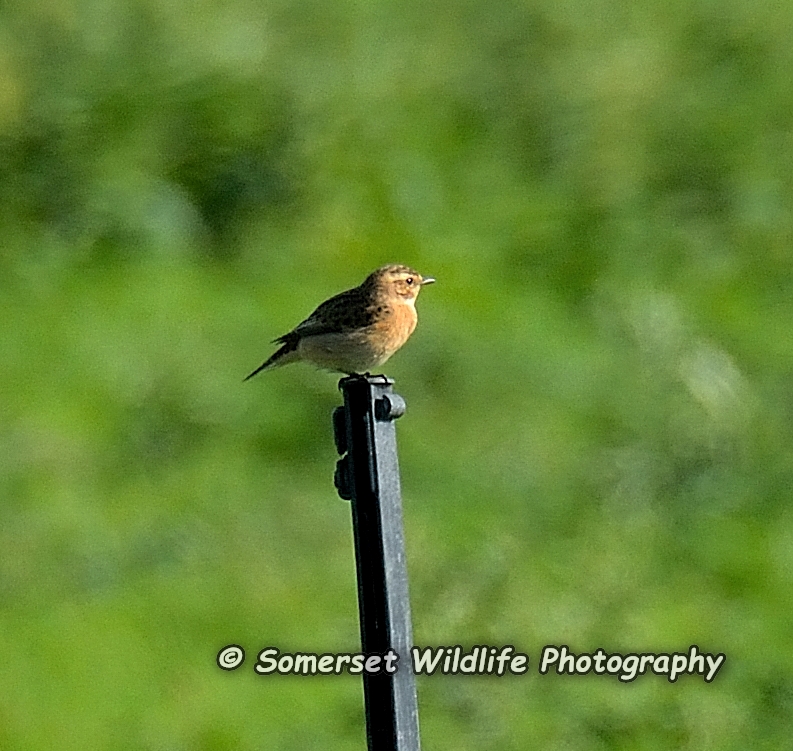
- NAME: Whinchat – Saxicola rubetra / WINGSPAN: 26-32cm / SOMERSET STATUS: Summer visitor and passage bird, but not common, can be found on lowland moors around the Bristol Channel in Northern Somerset / DIET: Insects and some seeds /
-
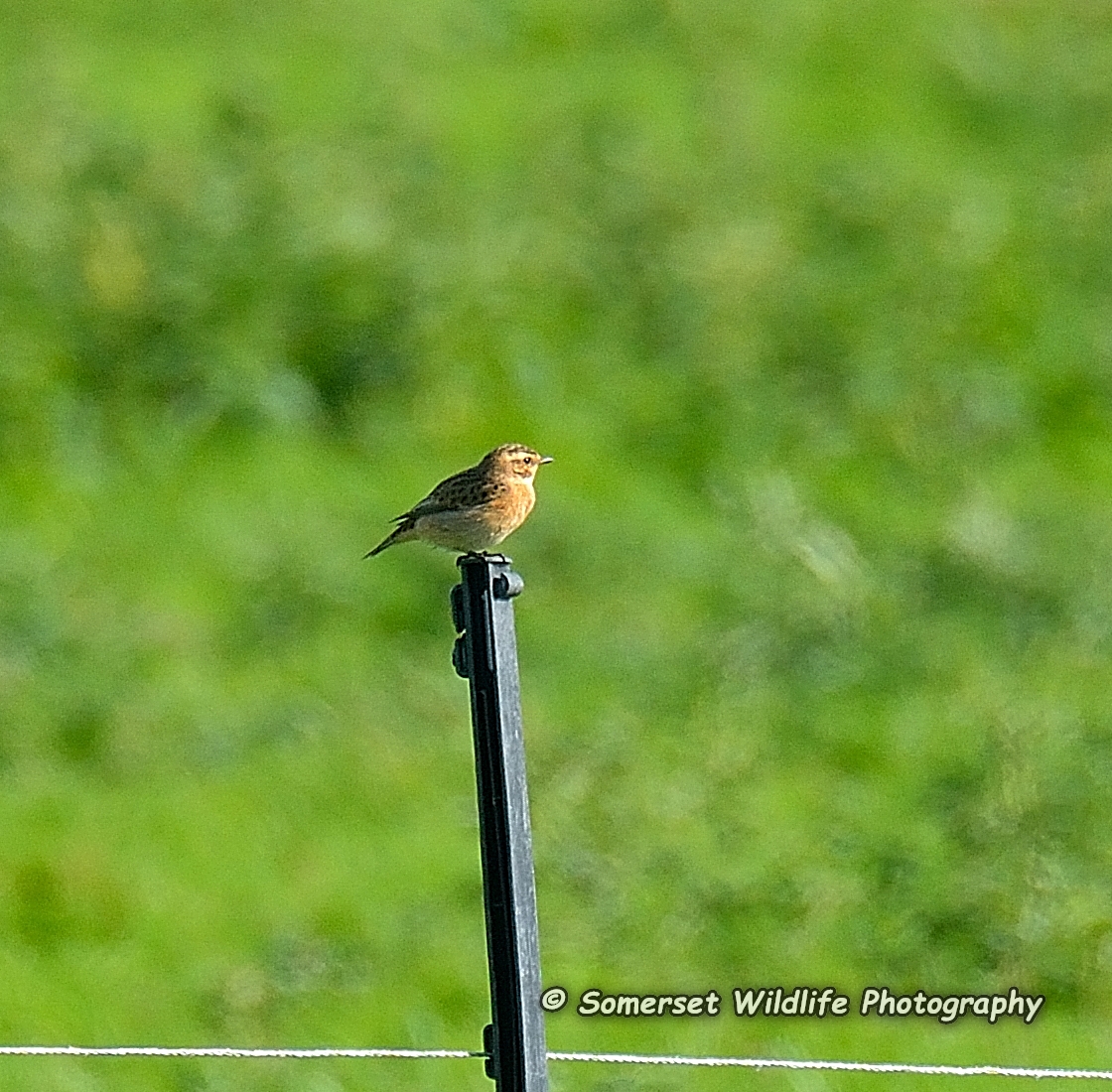
- NAME: Whinchat – Saxicola rubetra / WINGSPAN: 26-32cm / SOMERSET STATUS: Summer visitor and passage bird, but not common, can be found on lowland moors around the Bristol Channel in Northern Somerset / DIET: Insects and some seeds /
-
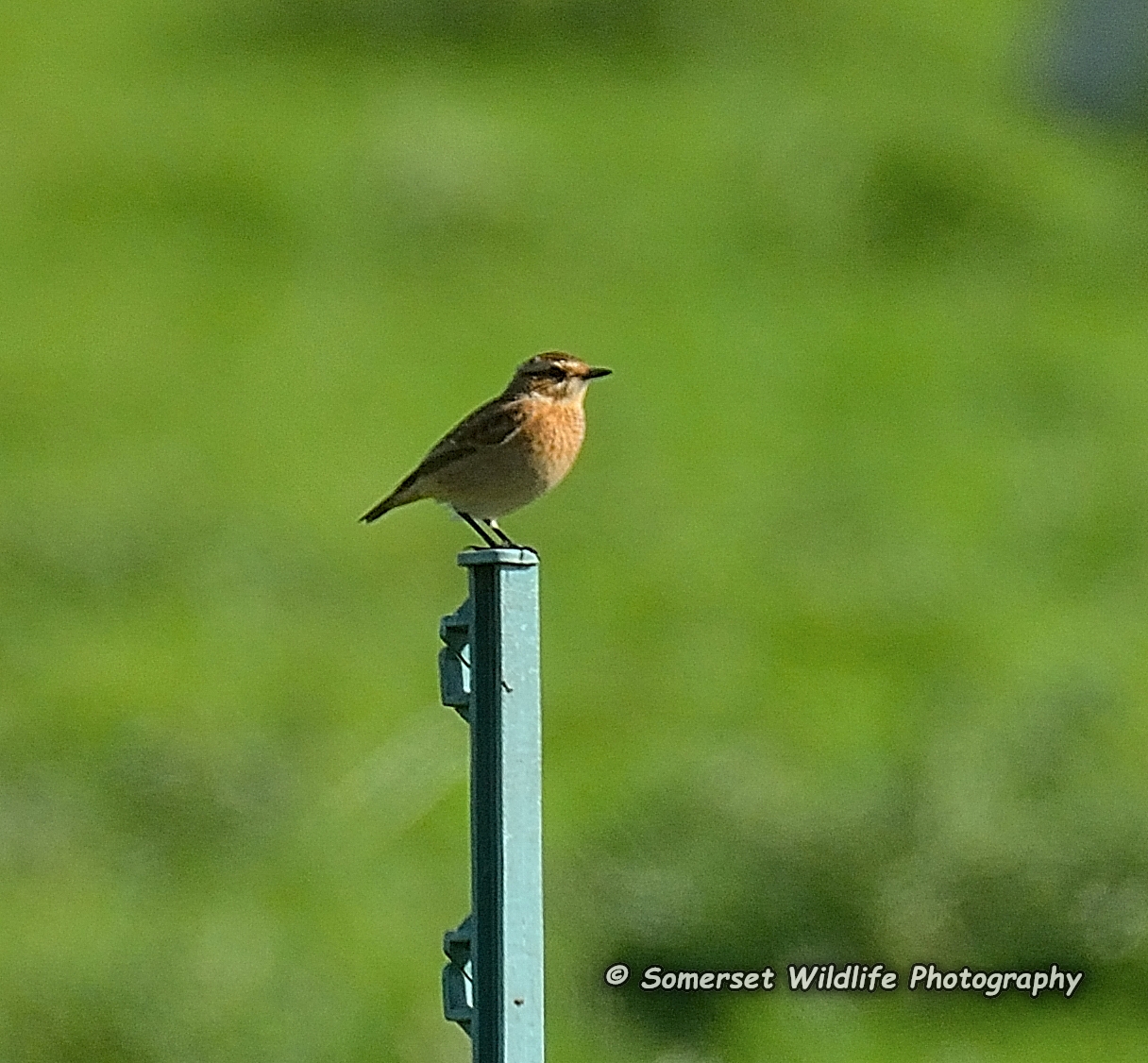
- NAME: Whinchat – Saxicola rubetra / WINGSPAN: 26-32cm / SOMERSET STATUS: Summer visitor and passage bird, but not common, can be found on lowland moors around the Bristol Channel in Northern Somerset / DIET: Insects and some seeds /
-
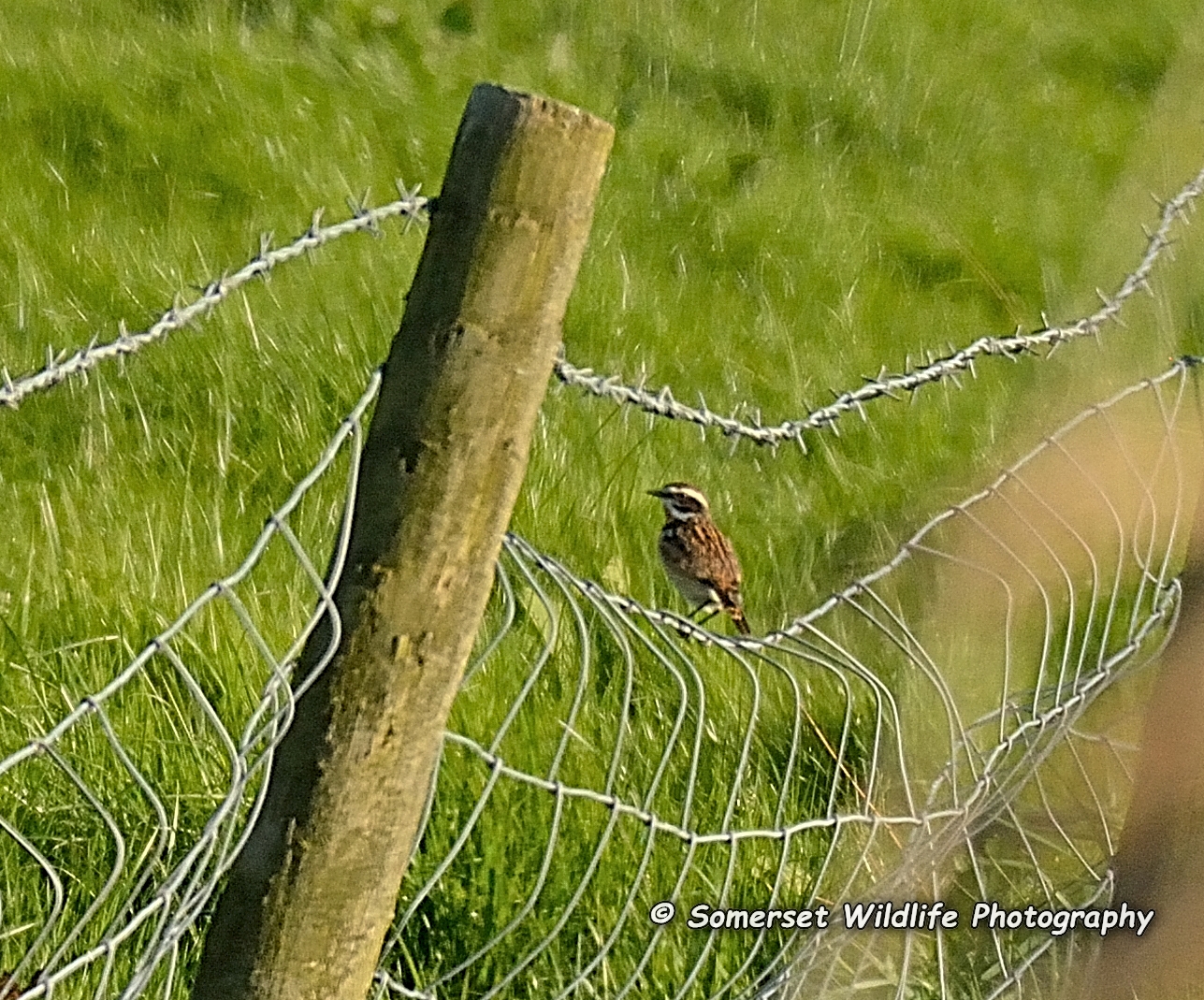
- NAME: Whinchat – Saxicola rubetra / WINGSPAN: 26-32cm / SOMERSET STATUS: Summer visitor and passage bird, but not common, can be found on lowland moors around the Bristol Channel in Northern Somerset / DIET: Insects and some seeds /
-

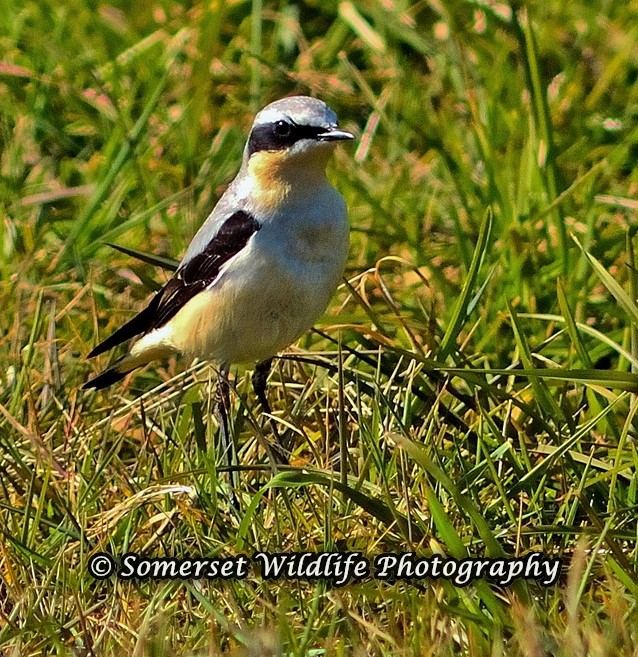
- NAME: Wheatear – Oenanthe oenanthe / WINGSPAN: 26-32cm / SOMERSET STATUS: Summer visitor arriving in good numbers in and around coastal fields and wetland. The Bristol Channel coastal area is always a good place to find them / DIET: Insects and larvae /
-
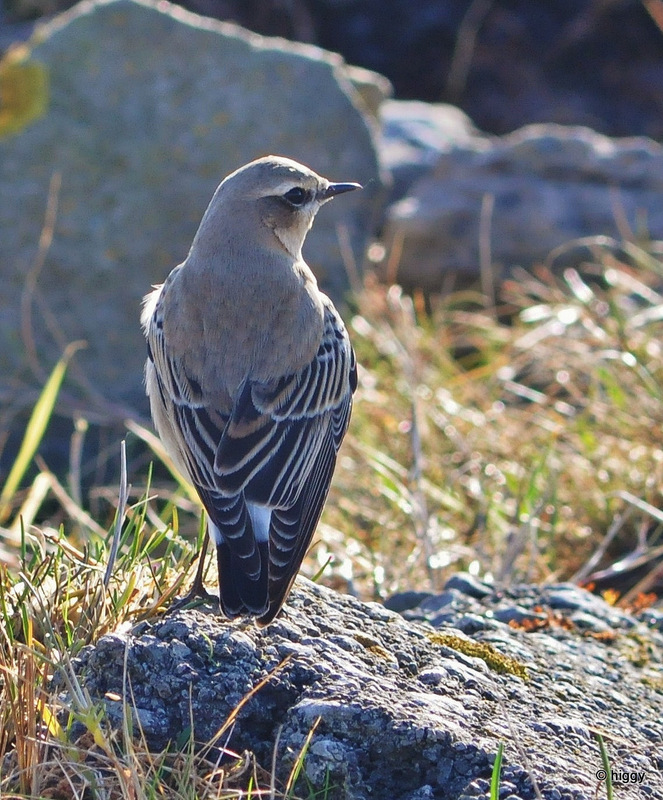
- NAME: Wheatear – Oenanthe oenanthe / WINGSPAN: 26-32cm / SOMERSET STATUS: Summer visitor arriving in good numbers in and around coastal fields and wetland. The Bristol Channel coastal area is always a good place to find them / DIET: Insects and larvae /
-
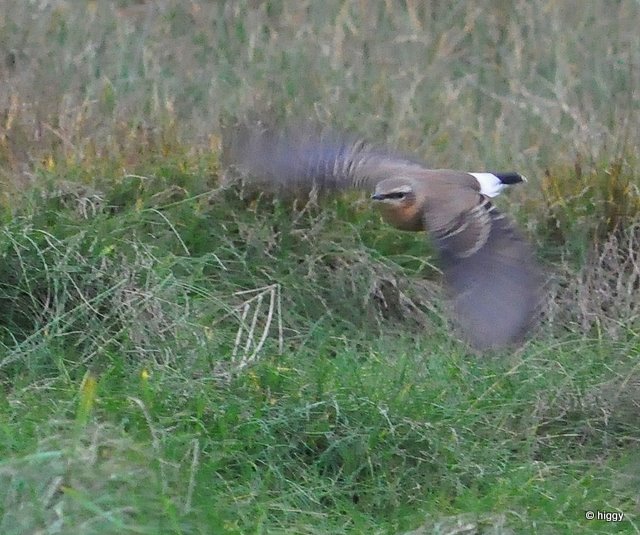
- NAME: Wheatear – Oenanthe oenanthe / WINGSPAN: 26-32cm / SOMERSET STATUS: Summer visitor arriving in good numbers in and around coastal fields and wetland. The Bristol Channel coastal area is always a good place to find them / DIET: Insects and larvae /
-
- NAME: Wheatear – Oenanthe oenanthe / WINGSPAN: 26-32cm / SOMERSET STATUS: Summer visitor arriving in good numbers in and around coastal fields and wetland. The Bristol Channel coastal area is always a good place to find them / DIET: Insects and larvae /
-
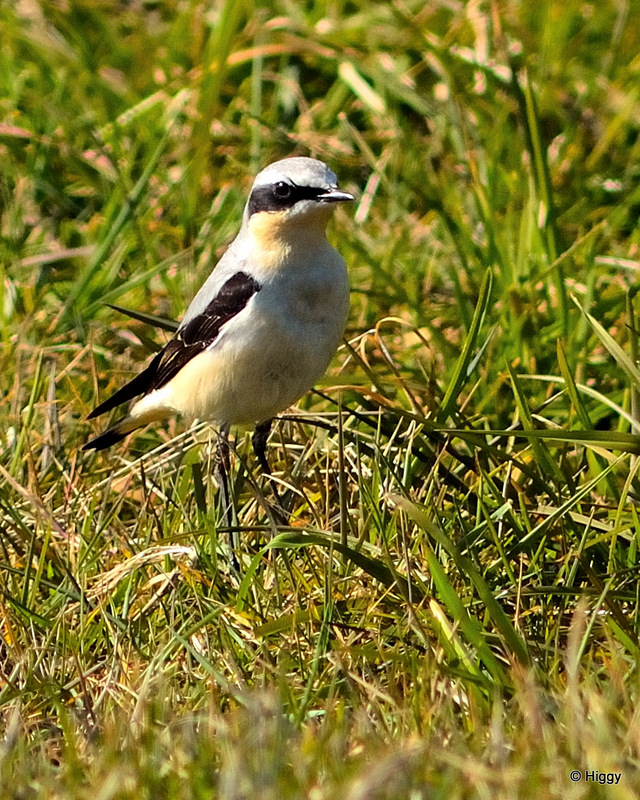
- NAME: Wheatear – Oenanthe oenanthe / WINGSPAN: 26-32cm / SOMERSET STATUS: Summer visitor arriving in good numbers in and around coastal fields and wetland. The Bristol Channel coastal area is always a good place to find them / DIET: Insects and larvae /
-
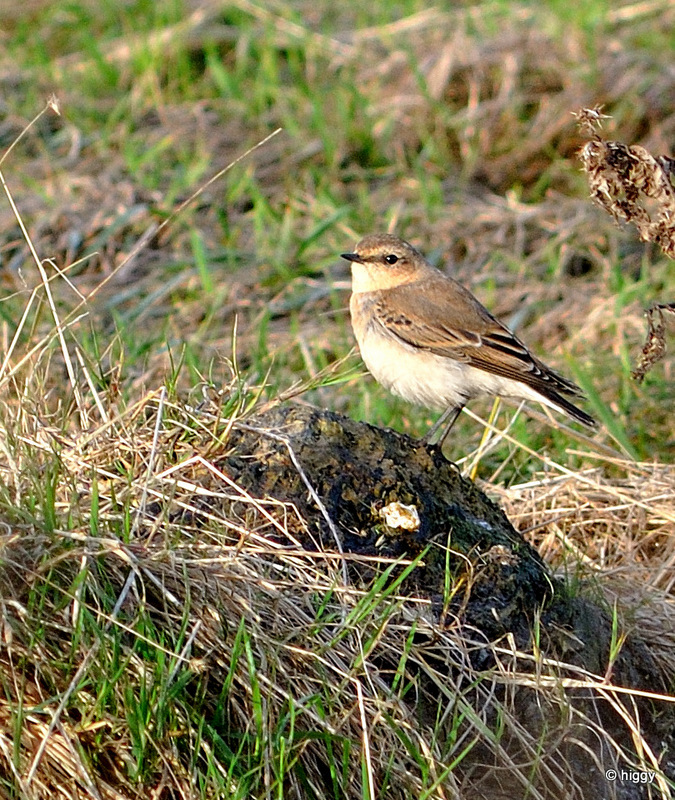
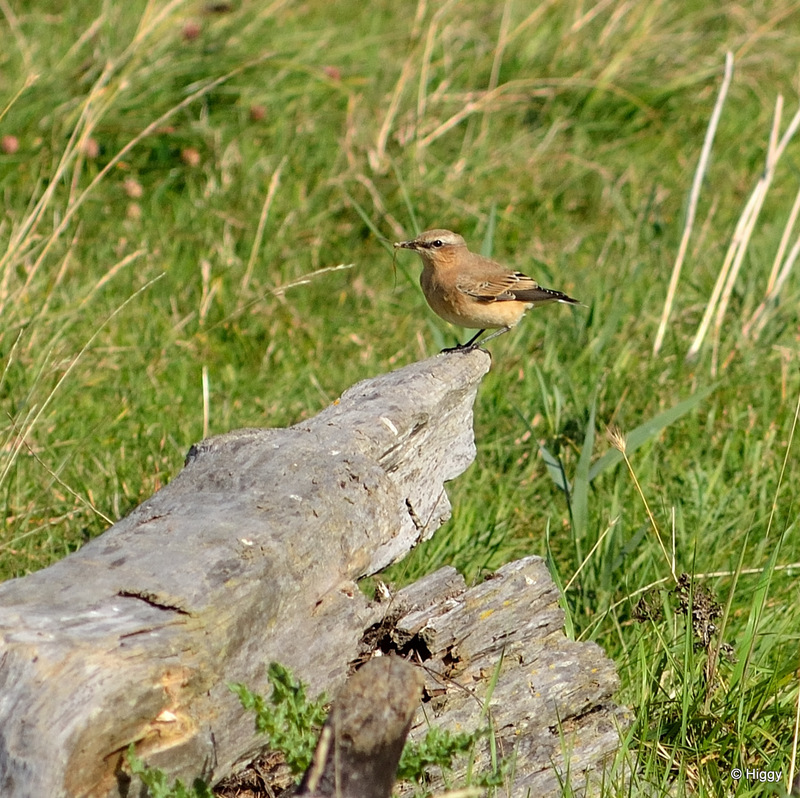
- NAME: Wheatear – Oenanthe oenanthe / WINGSPAN: 26-32cm / SOMERSET STATUS: Summer visitor arriving in good numbers in and around coastal fields and wetland. The Bristol Channel coastal area is always a good place to find them / DIET: Insects and larvae /
-
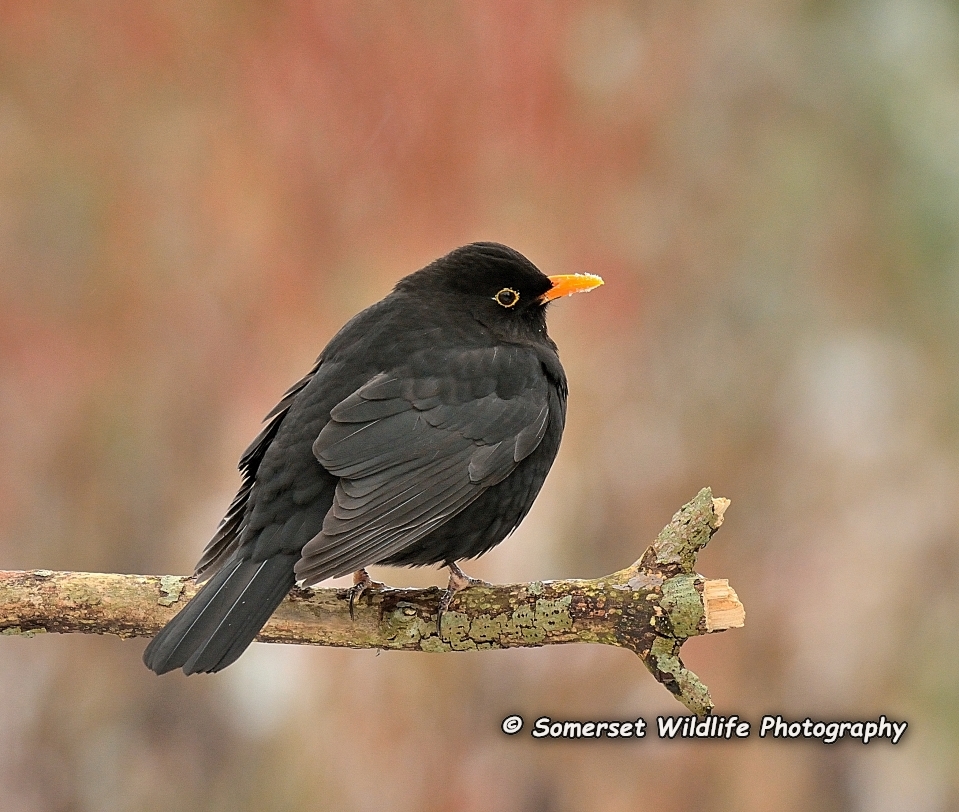
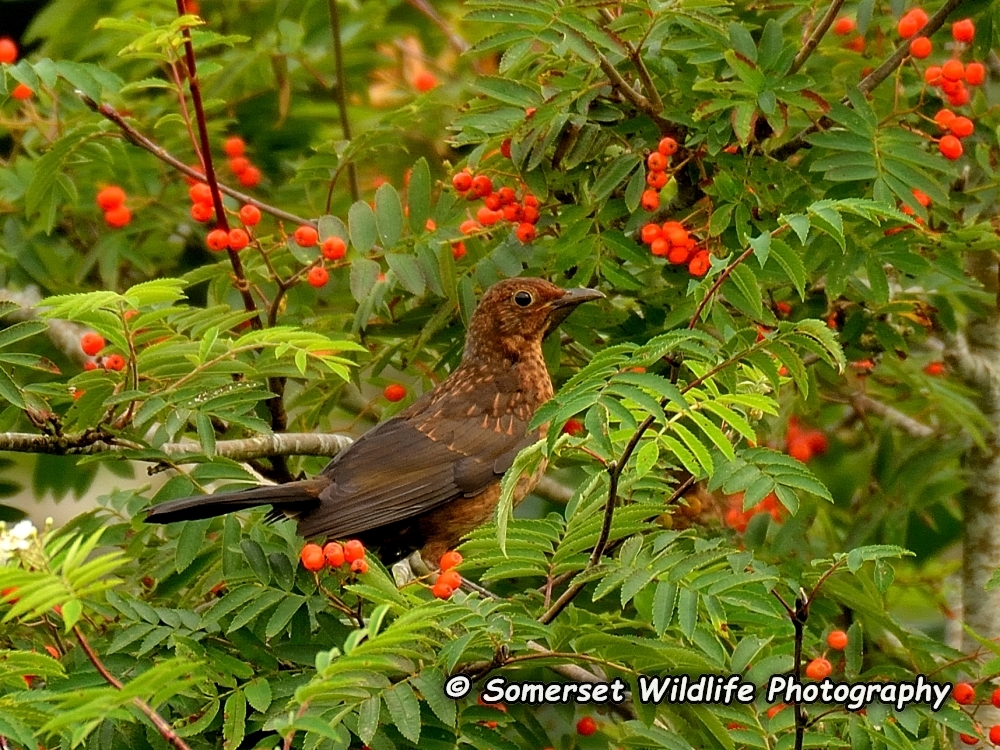
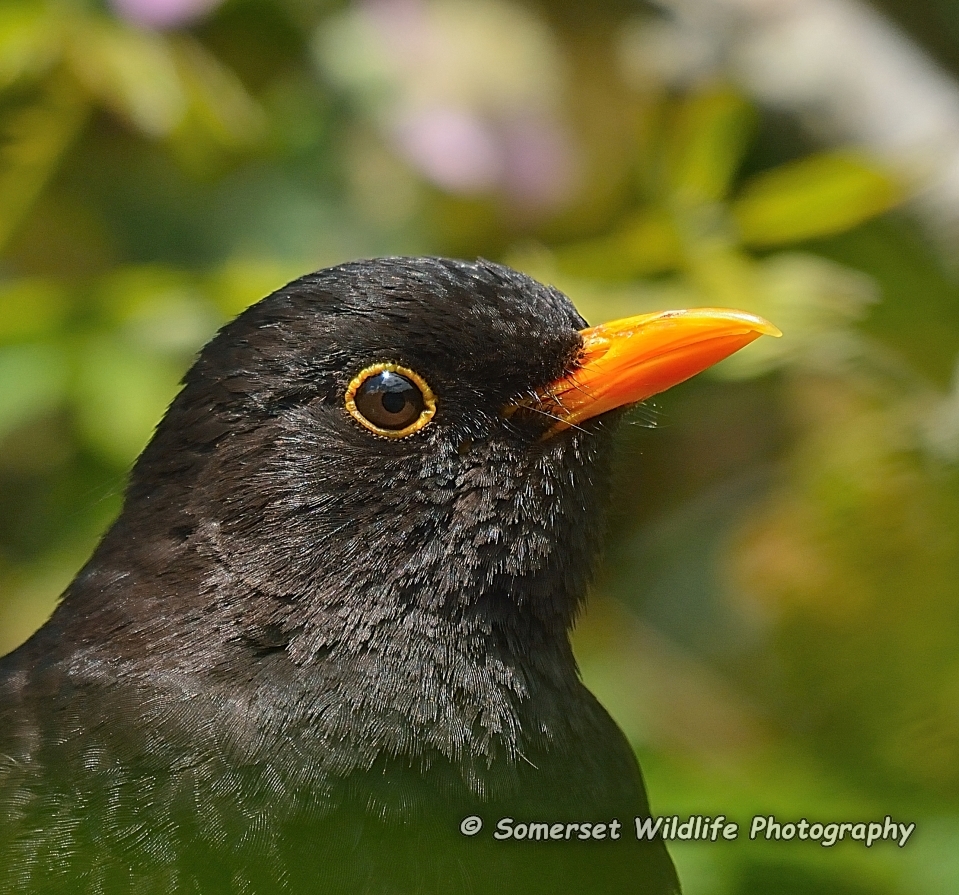
- NAME: Blackbird – Turdus merula / WINGSPAN: 34-38cm / SOMERSET STATUS: Common all year round with winter influx often obvious / DIET: A variety of insects and worms, but they also eat berries and fruit when in season /
-
- NAME: Blackbird – Turdus merula / WINGSPAN: 34-38cm / SOMERSET STATUS: Common all year round with winter influx often obvious / DIET: A variety of insects and worms, but they also eat berries and fruit when in season /
-
- NAME: Blackbird – Turdus merula / WINGSPAN: 34-38cm / SOMERSET STATUS: Common all year round with winter influx often obvious / DIET: A variety of insects and worms, but they also eat berries and fruit when in season /
-
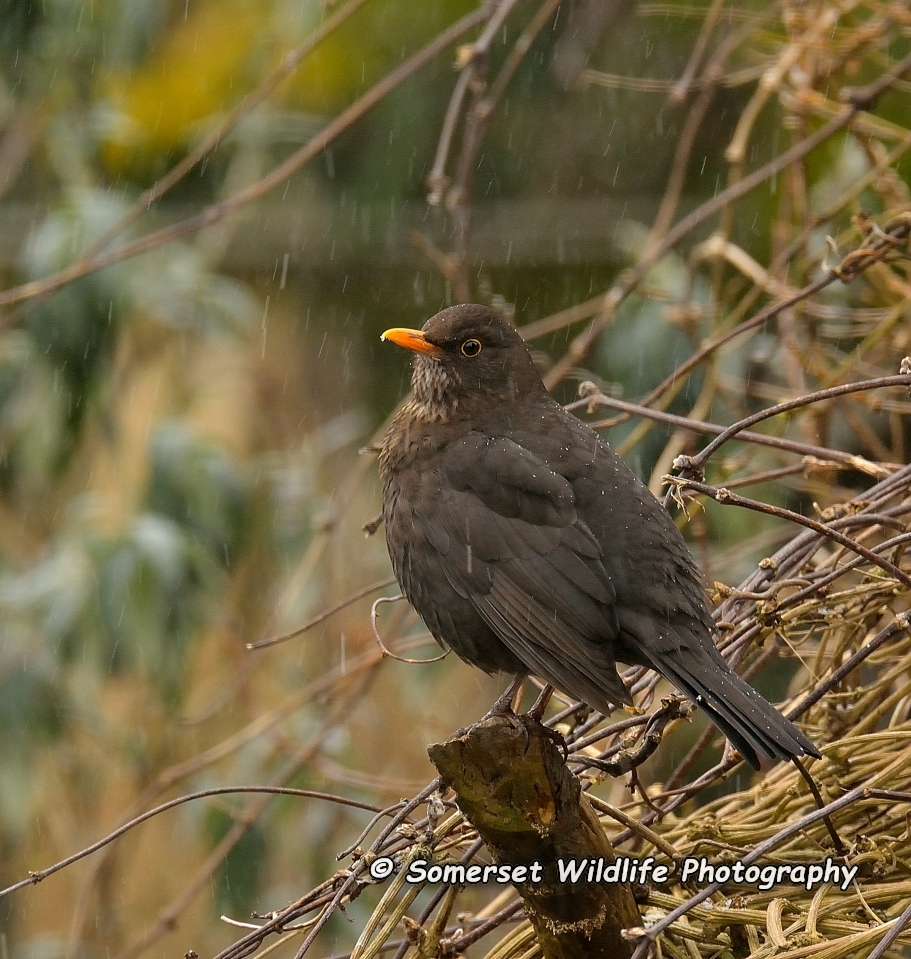
- NAME: Blackbird – Turdus merula / WINGSPAN: 34-38cm / SOMERSET STATUS: Common all year round with winter influx often obvious / DIET: A variety of insects and worms, but they also eat berries and fruit when in season /
-
- NAME: Blackbird – Turdus merula / WINGSPAN: 34-38cm / SOMERSET STATUS: Common all year round with winter influx often obvious / DIET: A variety of insects and worms, but they also eat berries and fruit when in season /
-
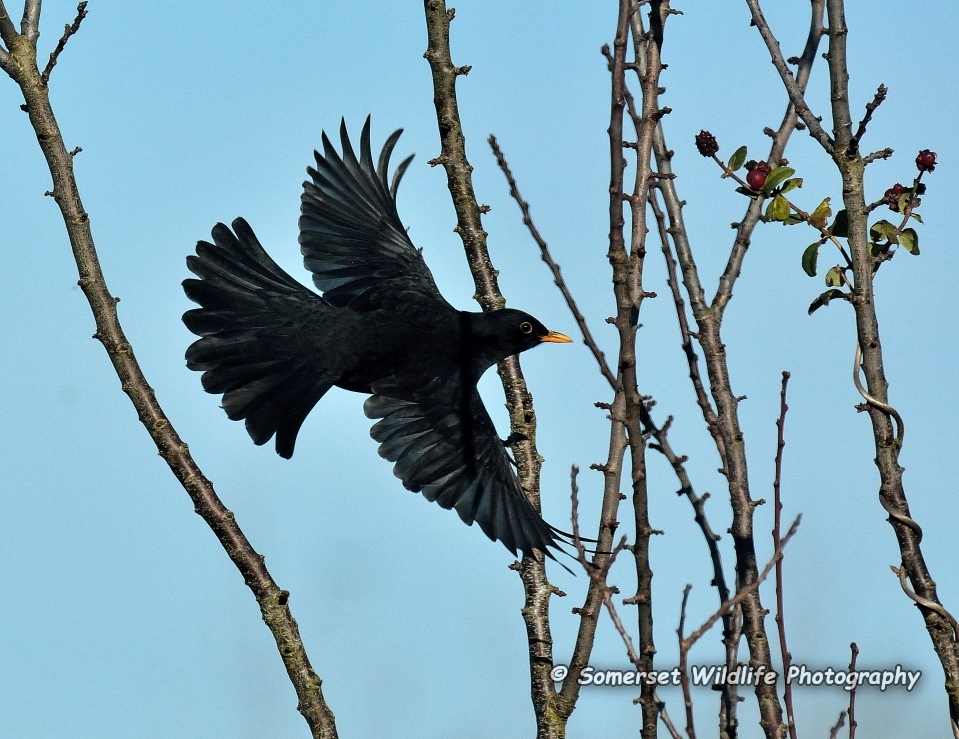
- NAME: Blackbird – Turdus merula / WINGSPAN: 34-38cm / SOMERSET STATUS: Common all year round with winter influx often obvious / DIET: A variety of insects and worms, but they also eat berries and fruit when in season /
-
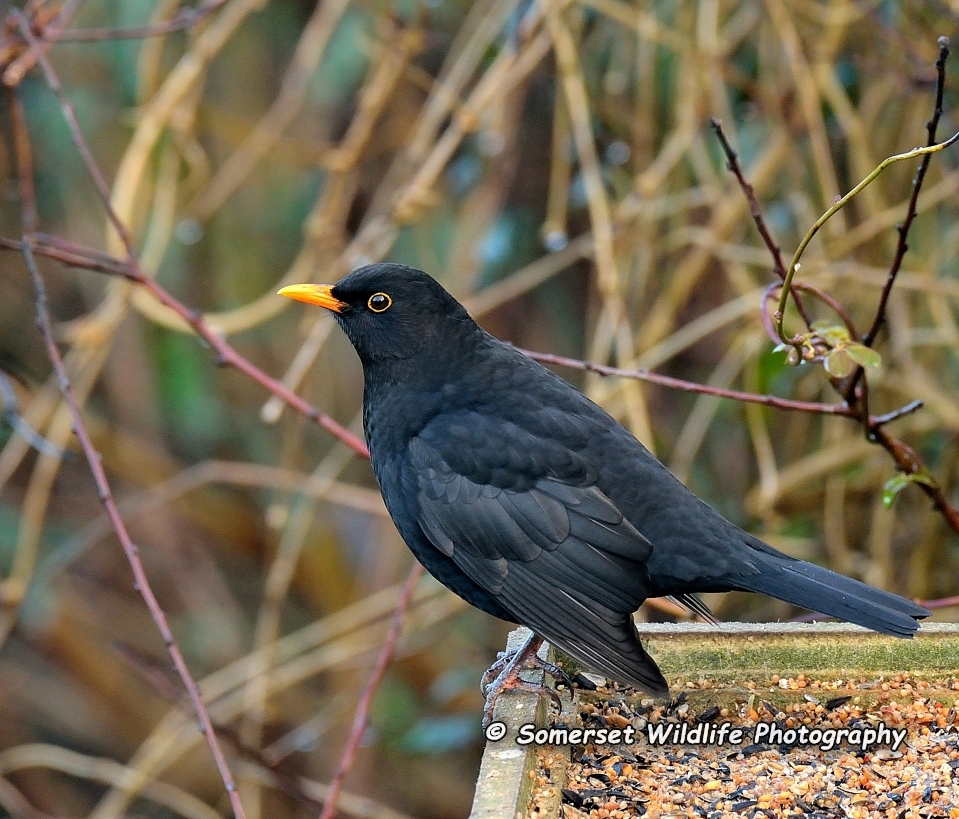
- NAME: Blackbird – Turdus merula / WINGSPAN: 34-38cm / SOMERSET STATUS: Common all year round with winter influx often obvious / DIET: A variety of insects and worms, but they also eat berries and fruit when in season /
-
- NAME: Blackbird – Turdus merula / WINGSPAN: 34-38cm / SOMERSET STATUS: Common all year round with winter influx often obvious / DIET: A variety of insects and worms, but they also eat berries and fruit when in season /
-
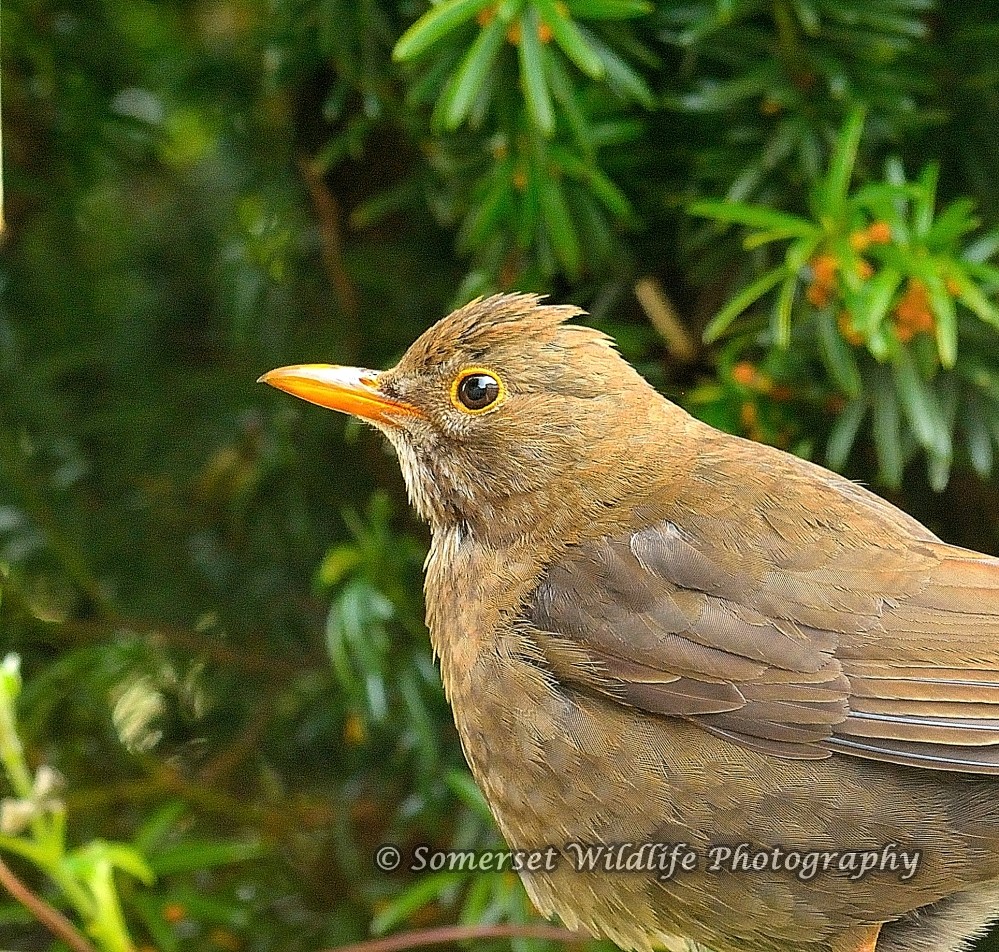
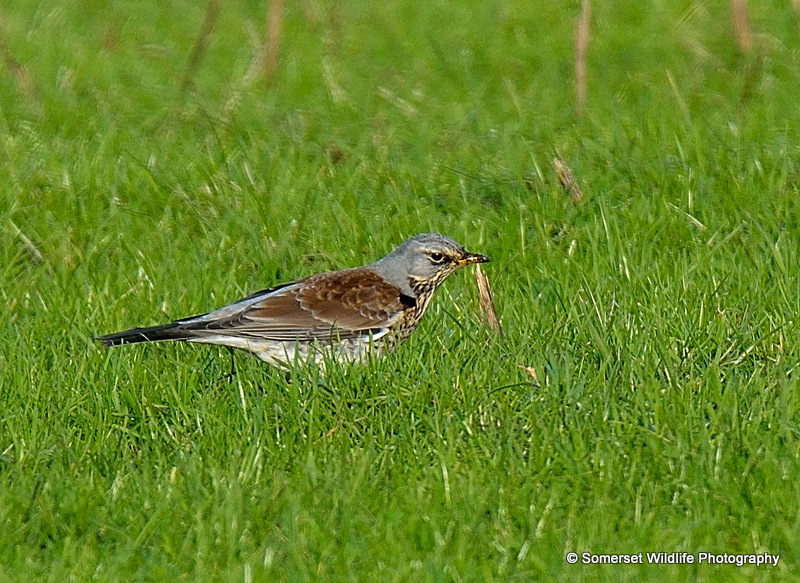
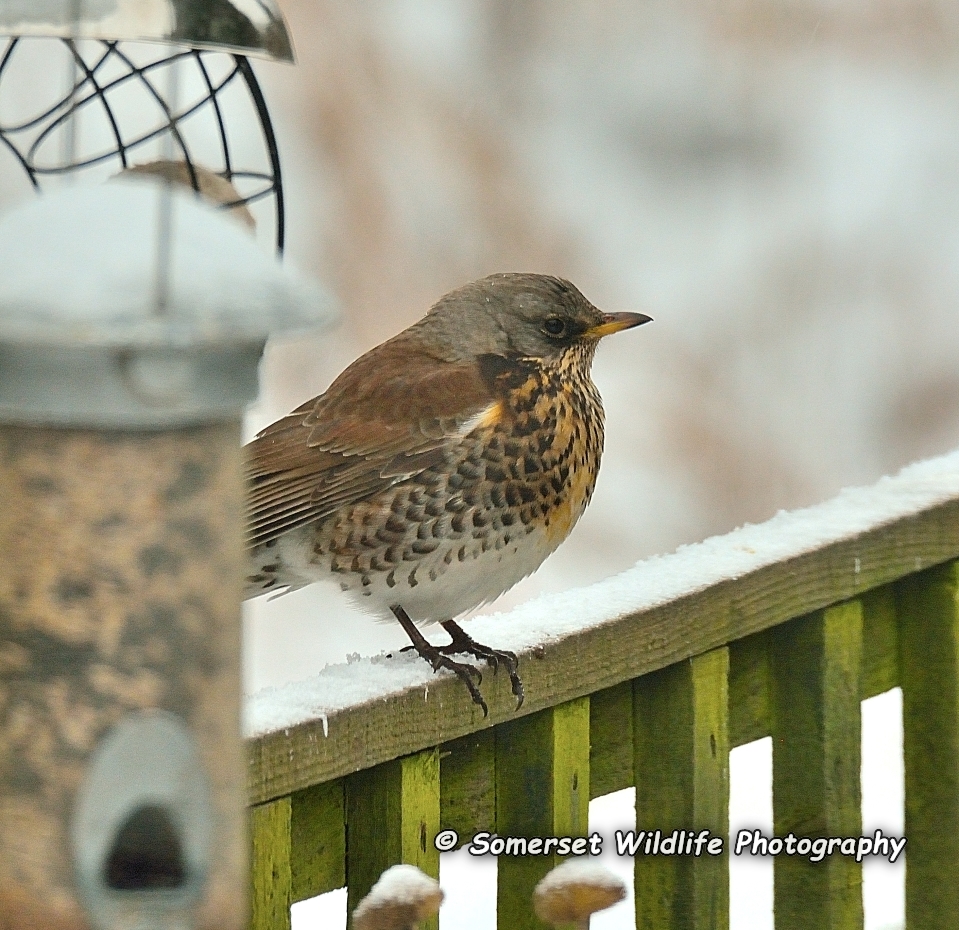
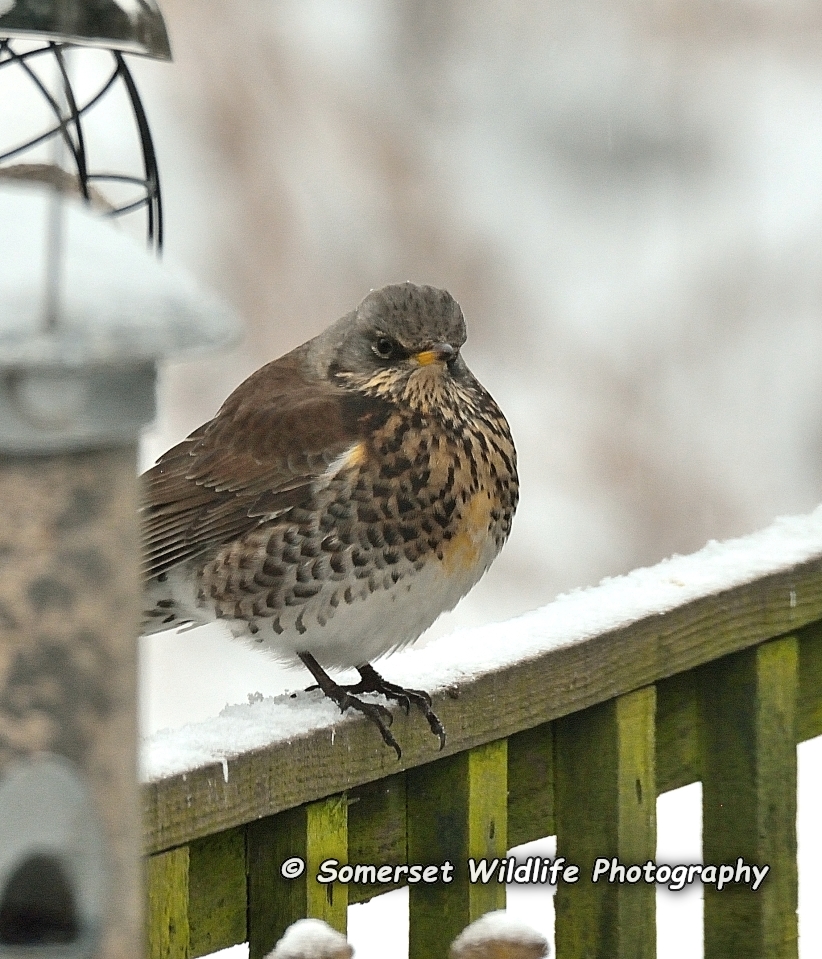
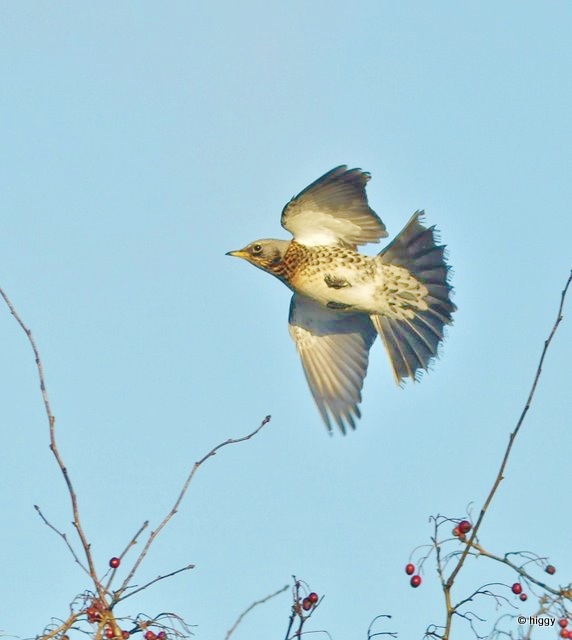
- NAME: Fieldfare – Turdus pilaris / WINGSPAN: 39-42cm / SOMERSET STATUS: UK Red status but common winter visitor to the Somerset levels and wet moorland, where it is often found in flocks with Redwing and Starlings foraging the wet marshy ground / DIET: Insects, worms and berries /
-
- NAME: Fieldfare – Turdus pilaris / WINGSPAN: 39-42cm / SOMERSET STATUS: UK Red status but common winter visitor to the Somerset levels and wet moorland, where it is often found in flocks with Redwing and Starlings foraging the wet marshy ground / DIET: Insects, worms and berries /
-
- NAME: Fieldfare – Turdus pilaris / WINGSPAN: 39-42cm / SOMERSET STATUS: UK Red status but common winter visitor to the Somerset levels and wet moorland, where it is often found in flocks with Redwing and Starlings foraging the wet marshy ground / DIET: Insects, worms and berries /
-
- NAME: Fieldfare – Turdus pilaris / WINGSPAN: 39-42cm / SOMERSET STATUS: UK Red status but common winter visitor to the Somerset levels and wet moorland, where it is often found in flocks with Redwing and Starlings foraging the wet marshy ground / DIET: Insects, worms and berries /
-
- NAME: Redwing – Turdus iliacus / WINGSPAN: 33-35cm / SOMERSET STATUS: UK Red status but common winter visitor to the Somerset levels and wet moorland, where it is often found in flocks with Fieldfare and Starlings foraging the wet marshy ground / DIET: Berries and worms /
-

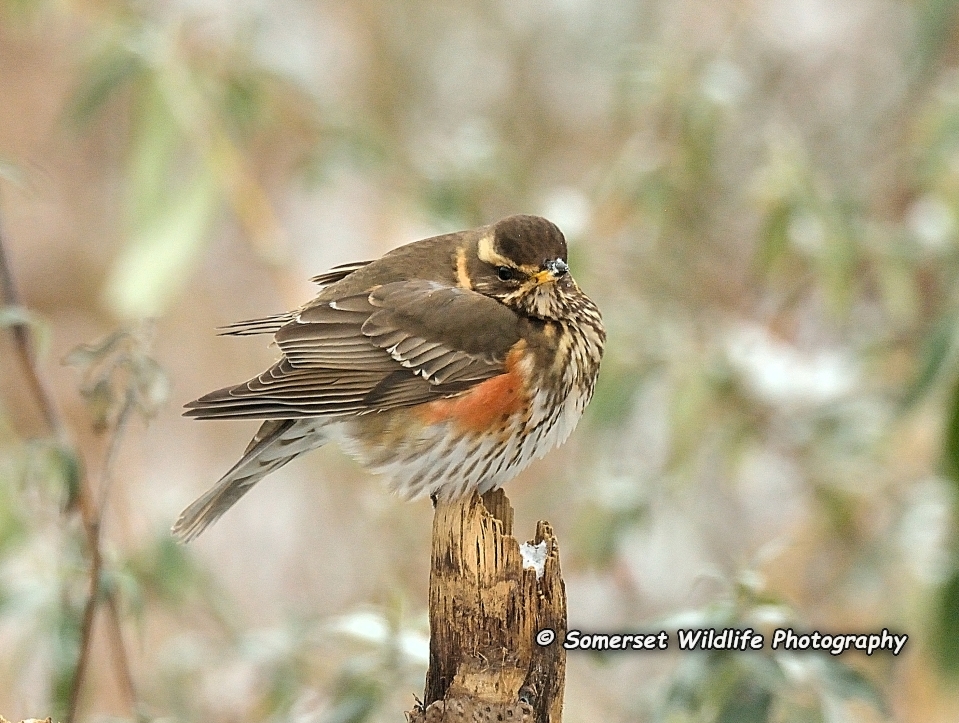
- NAME: Redwing – Turdus iliacus / WINGSPAN: 33-35cm / SOMERSET STATUS: UK Red status but common winter visitor to the Somerset levels and wet moorland, where it is often found in flocks with Fieldfare and Starlings foraging the wet marshy ground / DIET: Berries and worms /
-
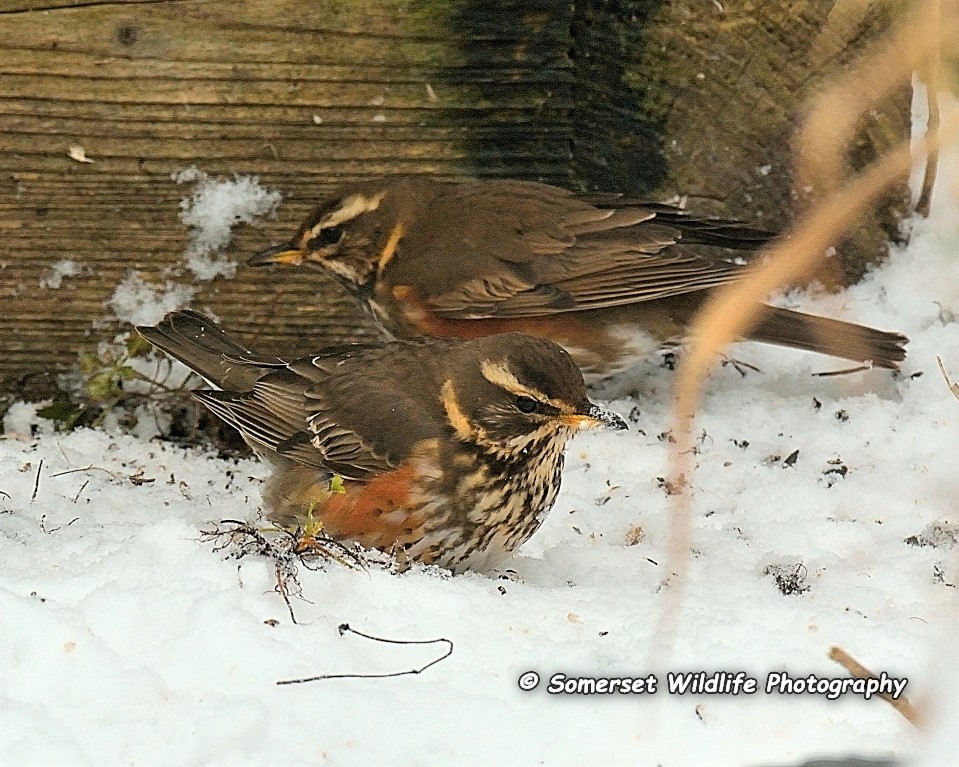
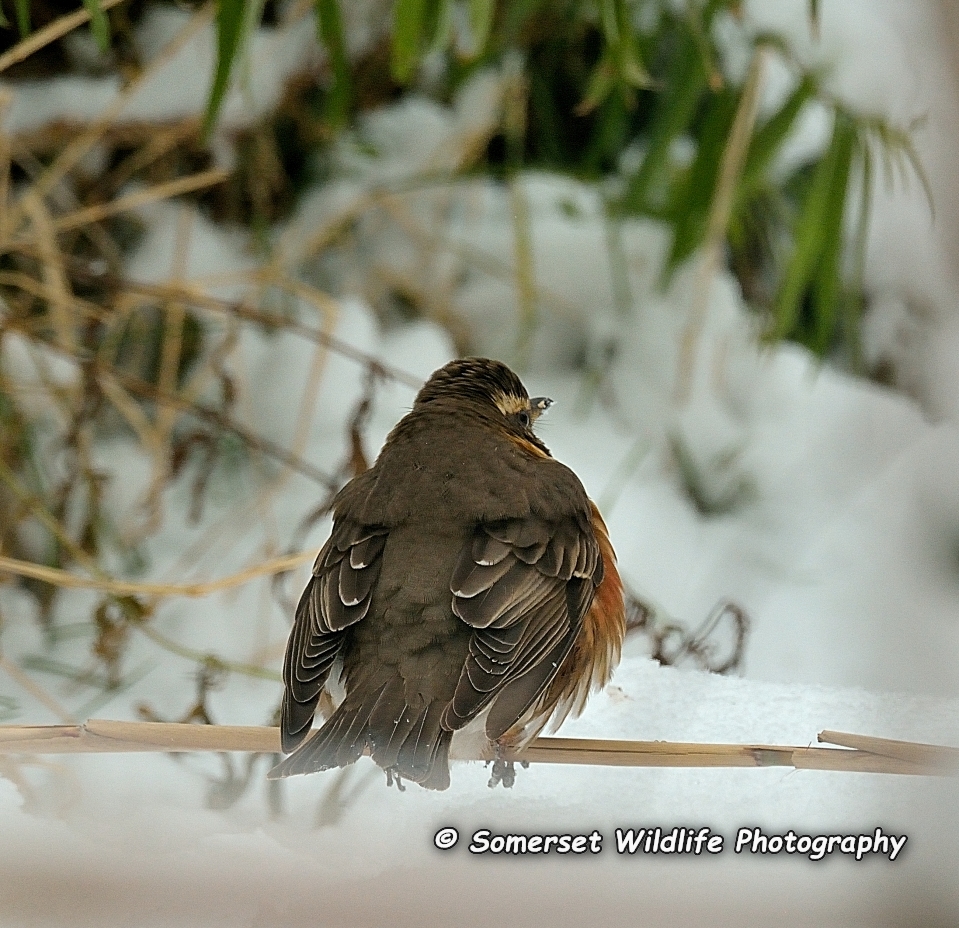
- NAME: Redwing – Turdus iliacus / WINGSPAN: 33-35cm / SOMERSET STATUS: UK Red status but common winter visitor to the Somerset levels and wet moorland, where it is often found in flocks with Fieldfare and Starlings foraging the wet marshy ground / DIET: Berries and worms /
-
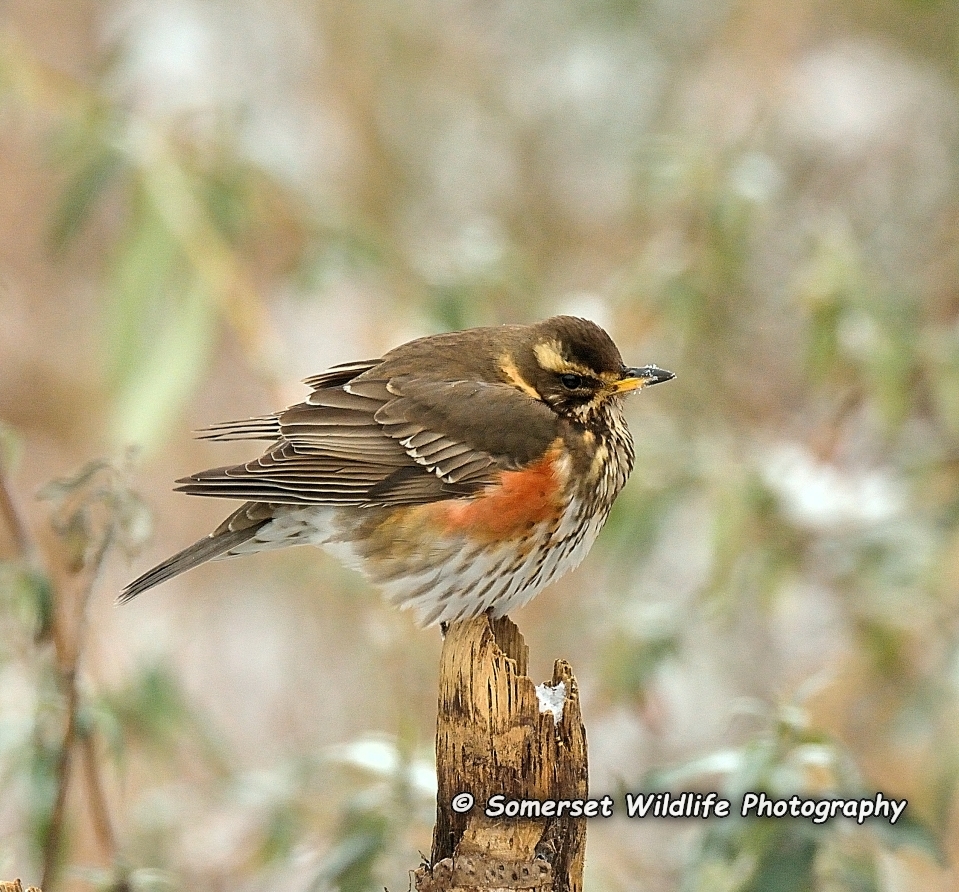
- NAME: Redwing – Turdus iliacus / WINGSPAN: 33-35cm / SOMERSET STATUS: UK Red status but common winter visitor to the Somerset levels and wet moorland, where it is often found in flocks with Fieldfare and Starlings foraging the wet marshy ground / DIET: Berries and worms /
-
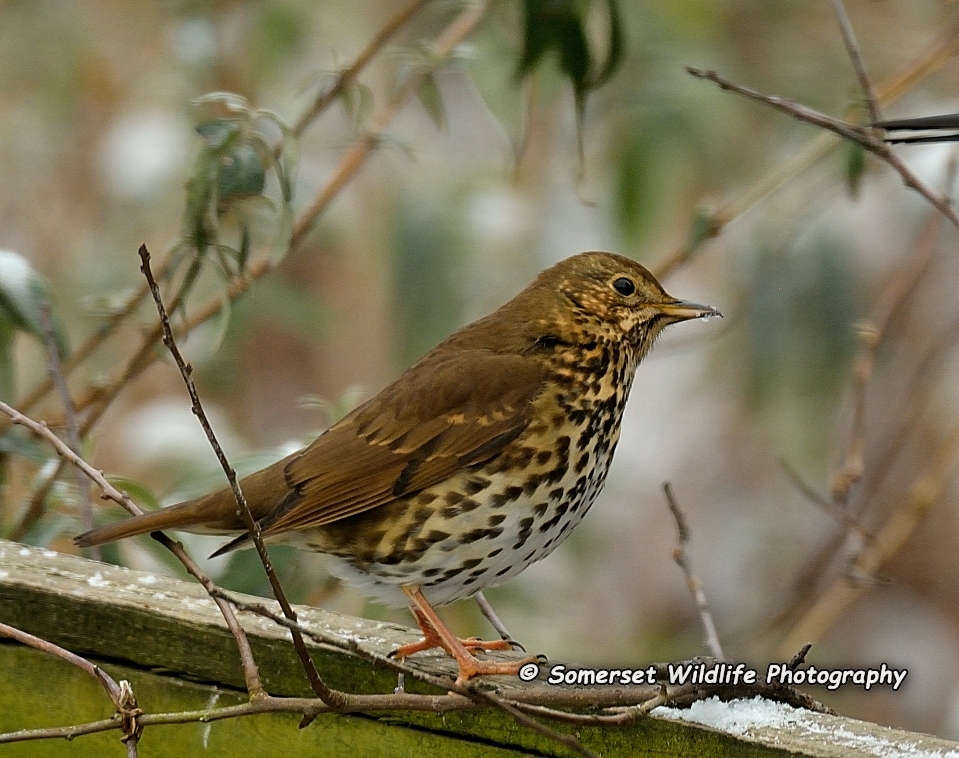
- NAME: Song Thrush – Turdus philomelos / WINGSPAN: 33-36cm / SOMERSET STATUS: Uk red status and noticeably declining in Somerset. When habitat is right it will be reliable but sadly struggling / DIET: Worms, snails and fruit /
-
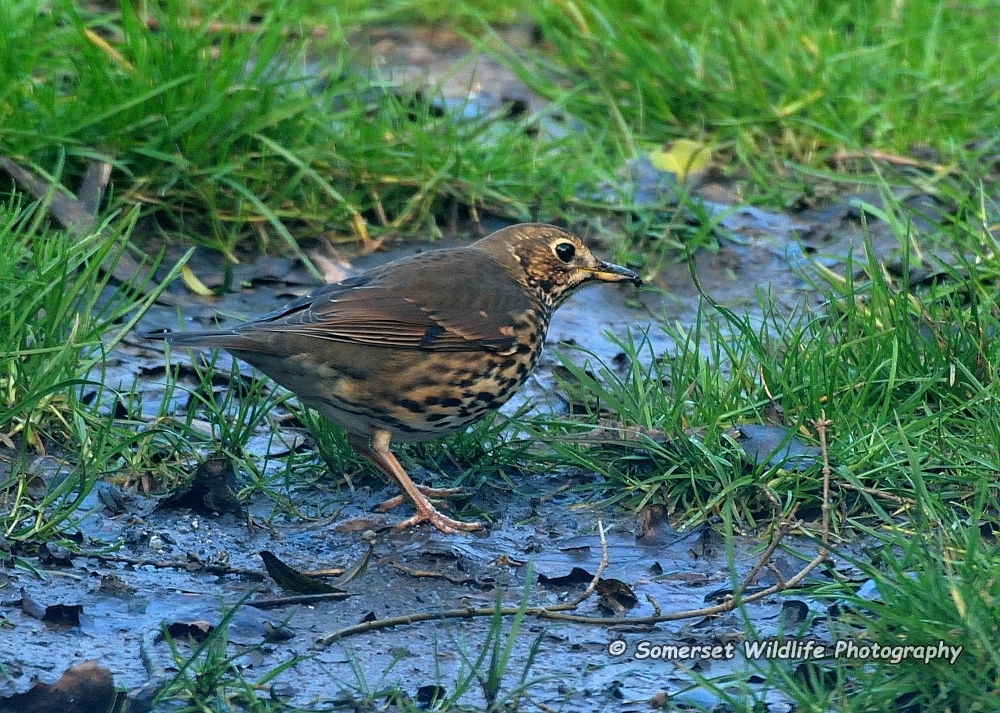
- NAME: Song Thrush – Turdus philomelos / WINGSPAN: 33-36cm / SOMERSET STATUS: Uk red status and noticeably declining in Somerset. When habitat is right it will be reliable but sadly struggling / DIET: Worms, snails and fruit /
-
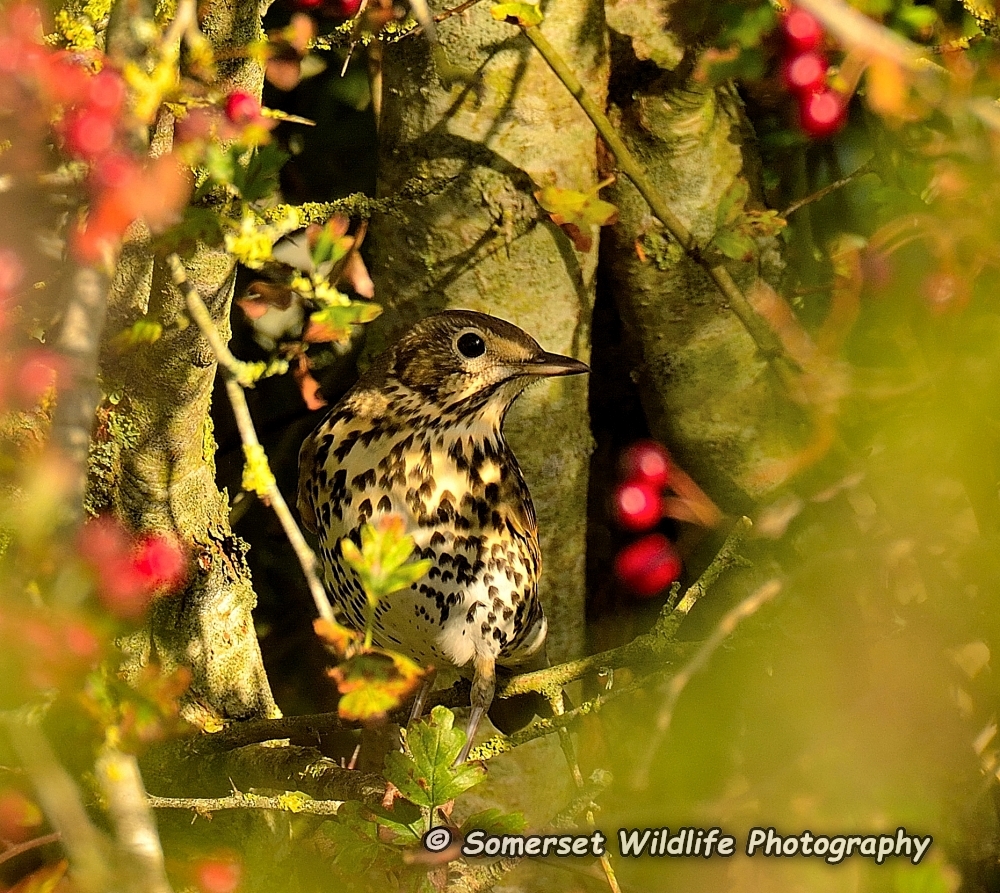
- NAME: Song Thrush – Turdus philomelos / WINGSPAN: 33-36cm / SOMERSET STATUS: Uk red status and noticeably declining in Somerset. When habitat is right it will be reliable but sadly struggling / DIET: Worms, snails and fruit /
-
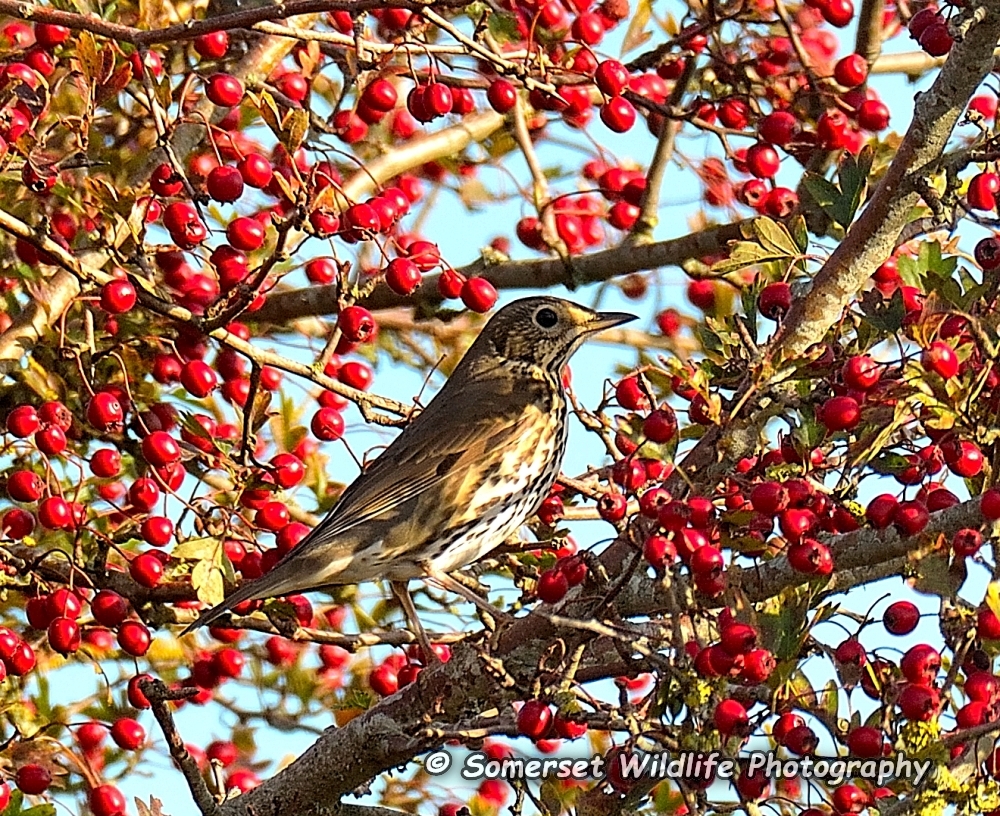
- NAME: Song Thrush – Turdus philomelos / WINGSPAN: 33-36cm / SOMERSET STATUS: Uk red status and noticeably declining in Somerset. When habitat is right it will be reliable but sadly struggling / DIET: Worms, snails and fruit /
-

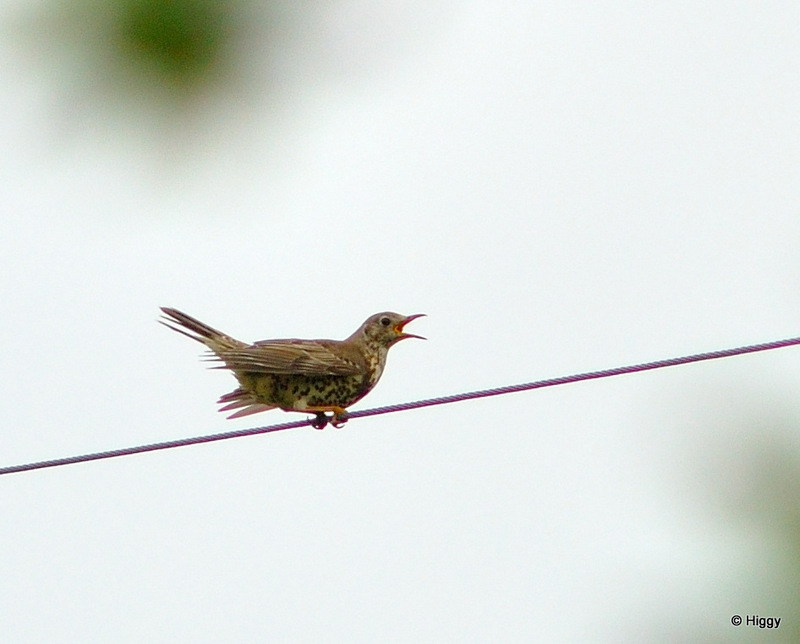
- NAME: Mistle Thrush – Turdus viscivorus / WINGSPAN: 42-48cm / SOMERSET STATUS: UK Red status and numbers have dropped locally, however when it is found it can sometimes be in good numbers. Wetland fields if the grass is short enough is often a good place to look in winter times as is upland wooded areas / DIET: Worms, slugs, insects and berries /
-

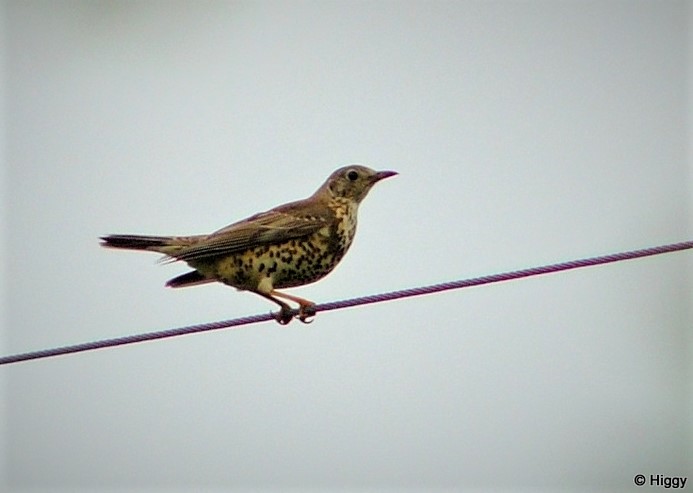
- NAME: Mistle Thrush – Turdus viscivorus / WINGSPAN: 42-48cm / SOMERSET STATUS: UK Red status and numbers have dropped locally, however when it is found it can sometimes be in good numbers. Wetland fields if the grass is short enough is often a good place to look in winter times as is upland wooded areas / DIET: Worms, slugs, insects and berries /
-
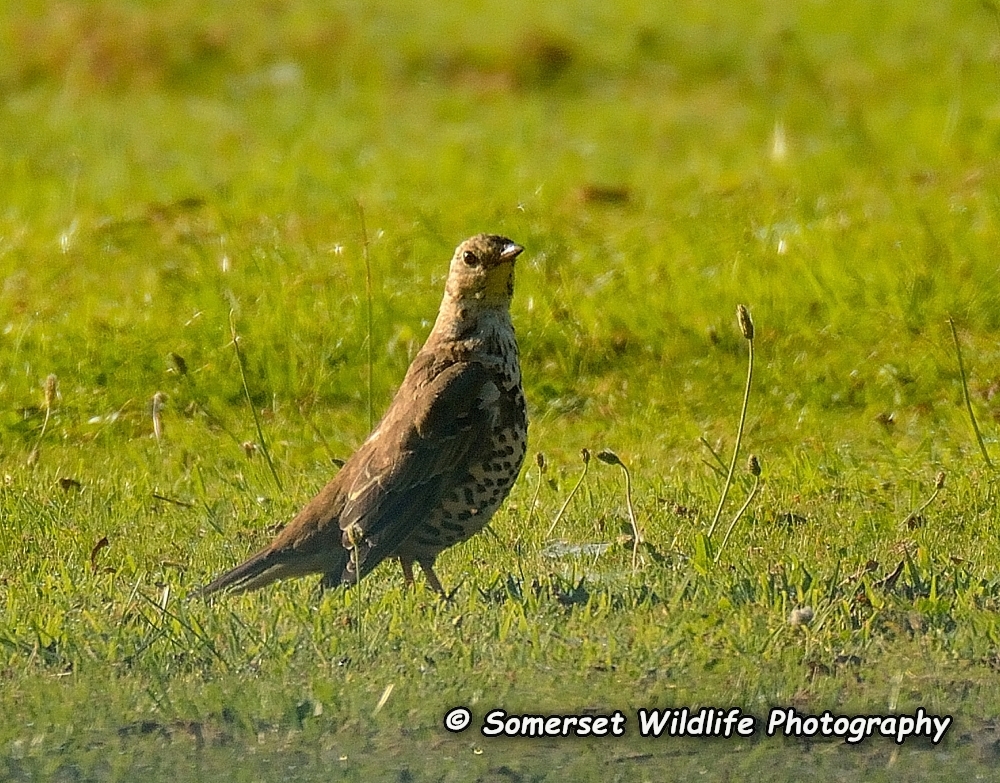
- NAME: Mistle Thrush – Turdus viscivorus / WINGSPAN: 42-48cm / SOMERSET STATUS: UK Red status and numbers have dropped locally, however when it is found it can sometimes be in good numbers. Wetland fields if the grass is short enough is often a good place to look in winter times as is upland wooded areas / DIET: Worms, slugs, insects and berries /
-
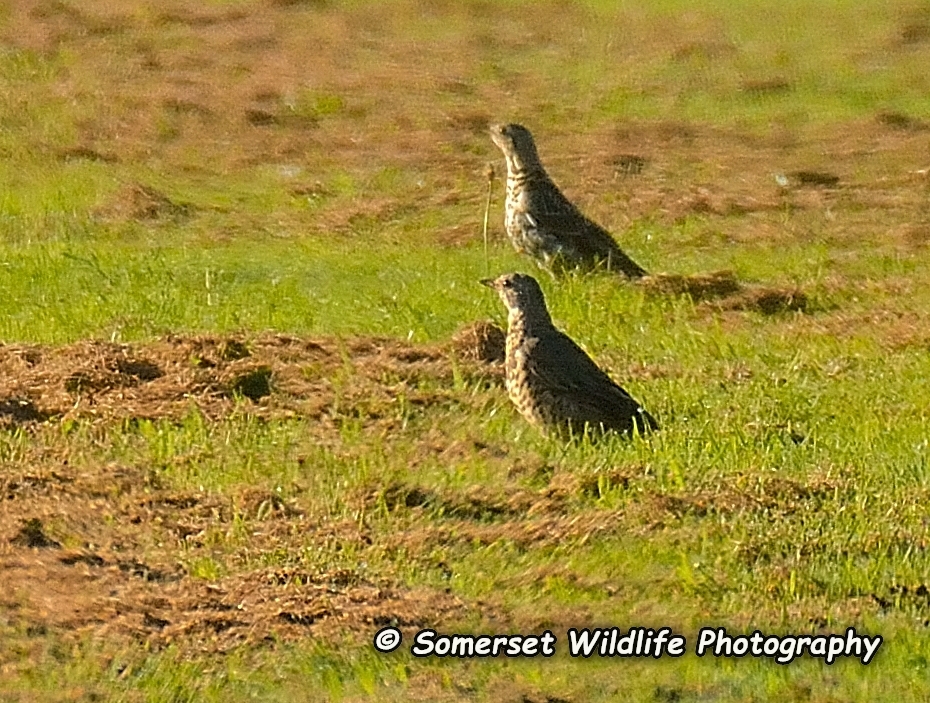
- NAME: Mistle Thrush – Turdus viscivorus / WINGSPAN: 42-48cm / SOMERSET STATUS: UK Red status and numbers have dropped locally, however when it is found it can sometimes be in good numbers. Wetland fields if the grass is short enough is often a good place to look in winter times as is upland wooded areas / DIET: Worms, slugs, insects and berries /
-
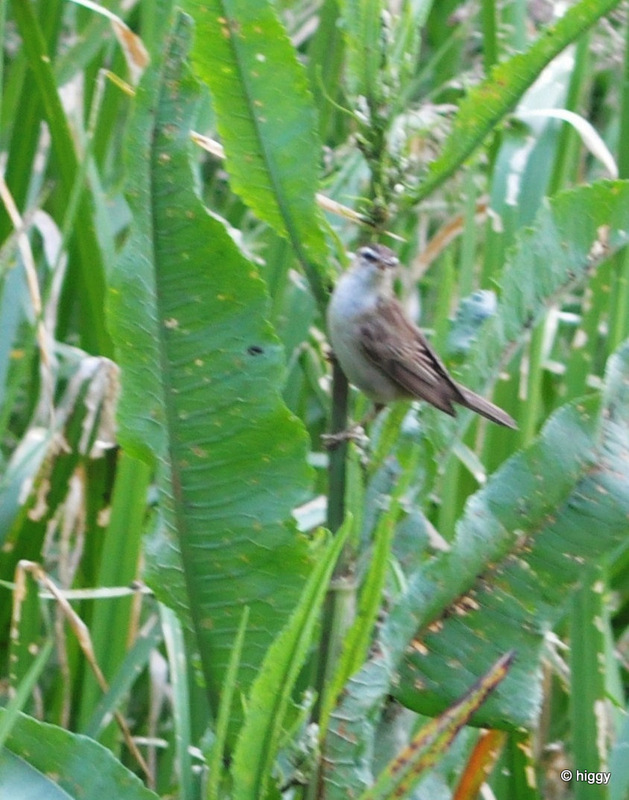
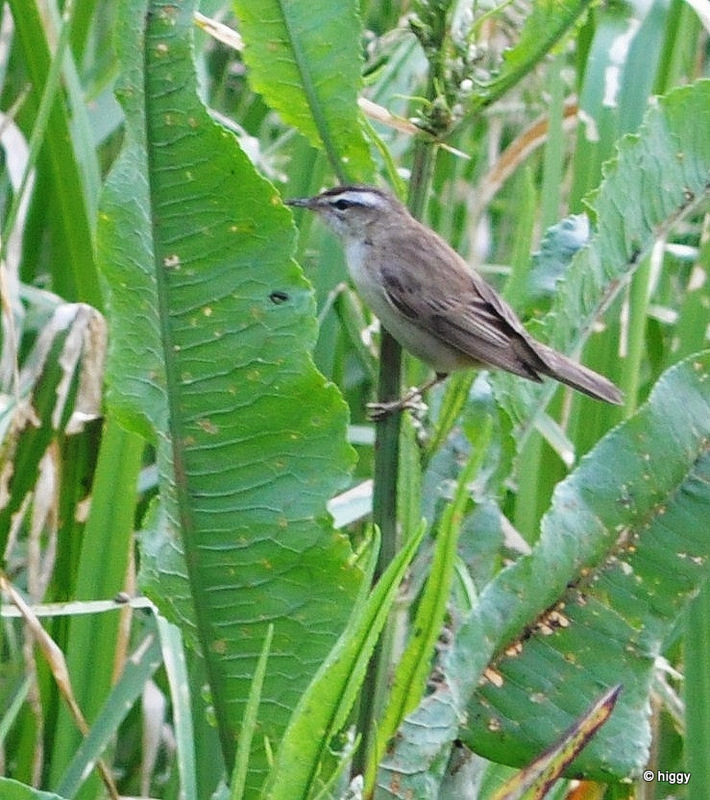
- NAME: Sedge Warbler – Acrocephalus schoenobaenus / WINGSPAN: 17-21cm / SOMERSET STATUS: Summer visitor to Somerset from Africa! Easier to find the the Reed Warbler but also often heard if not seen, Coastal/wetland areas mainly / DIET: Insects; berries in autumn /
-
- NAME: Sedge Warbler – Acrocephalus schoenobaenus / WINGSPAN: 17-21cm / SOMERSET STATUS: Summer visitor to Somerset from Africa! Easier to find the the Reed Warbler but also often heard if not seen, Coastal/wetland areas mainly / DIET: Insects; berries in autumn /

-

- NAME: Sedge Warbler – Acrocephalus schoenobaenus / WINGSPAN: 17-21cm / SOMERSET STATUS: Summer visitor to Somerset from Africa! Easier to find the the Reed Warbler but also often heard if not seen, Coastal/wetland areas mainly / DIET: Insects; berries in autumn /
-
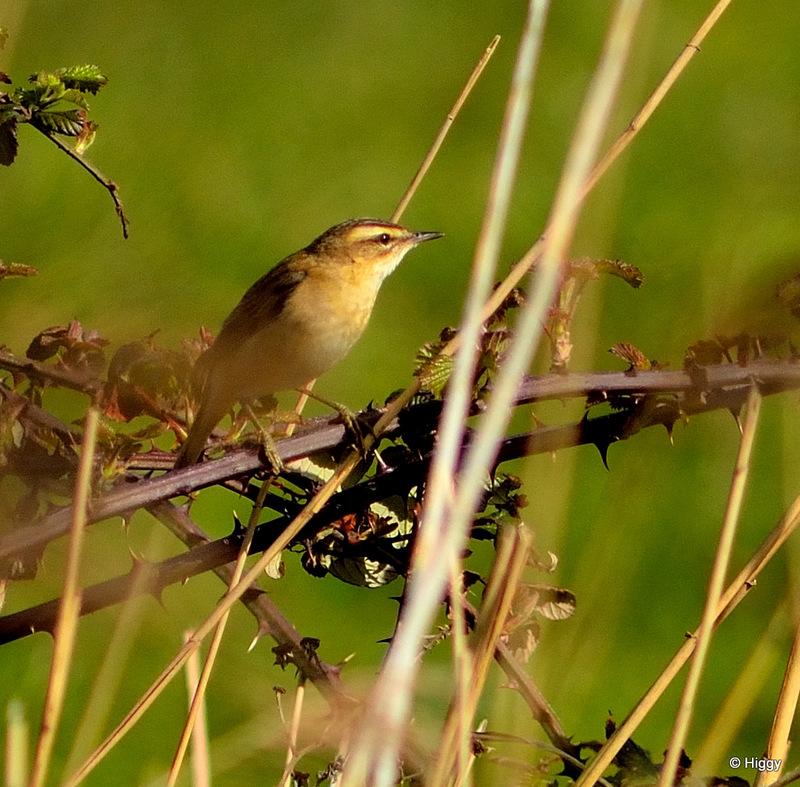
- NAME: Sedge Warbler – Acrocephalus schoenobaenus / WINGSPAN: 17-21cm / SOMERSET STATUS: Summer visitor to Somerset from Africa! Easier to find the the Reed Warbler but also often heard if not seen, Coastal/wetland areas mainly / DIET: Insects; berries in autumn /
-
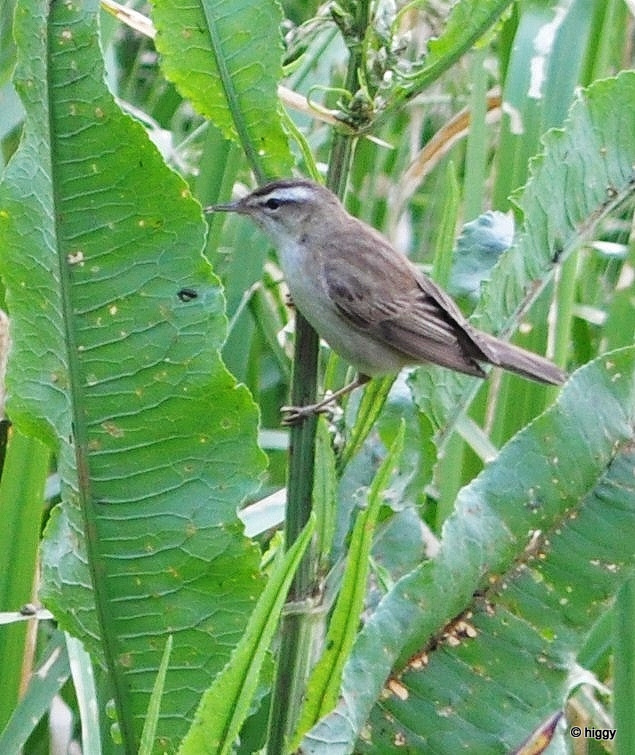
- NAME: Sedge Warbler – Acrocephalus schoenobaenus / WINGSPAN: 17-21cm / SOMERSET STATUS: Summer visitor to Somerset from Africa! Easier to find the the Reed Warbler but also often heard if not seen, Coastal/wetland areas mainly / DIET: Insects; berries in autumn /
-
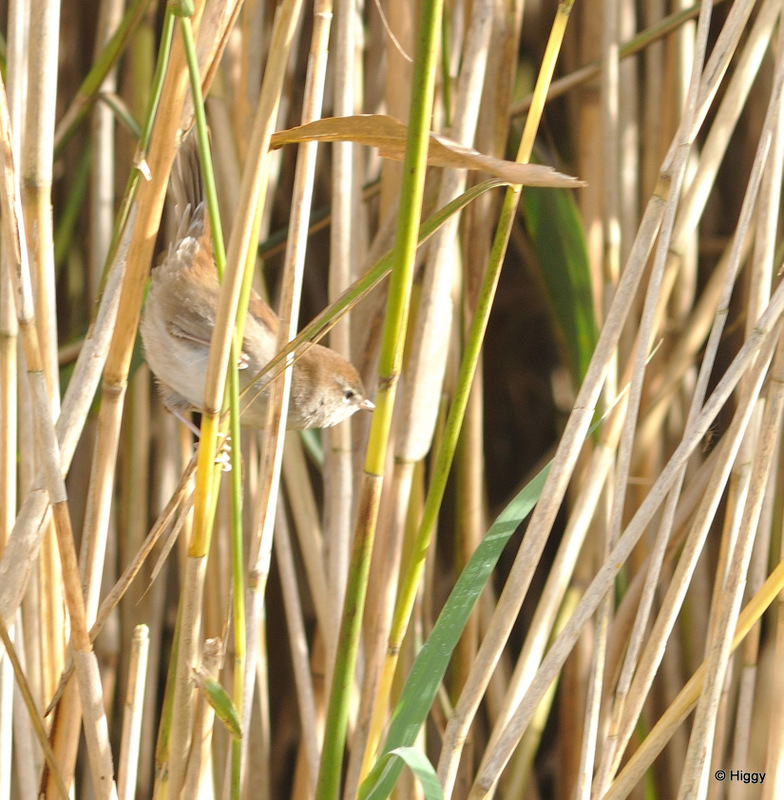
- NAME: Cettis Warbler – Cettia ceti / WINGSPAN: 15-19cm / SOMERSET STATUS: Common and widespread, especially around coastal wetland areas. Expanding its range very quickly. Obvious when around by its loud song that it sounds as if its shouting at the top of its voice! / DIET: Insects and larvae /
-
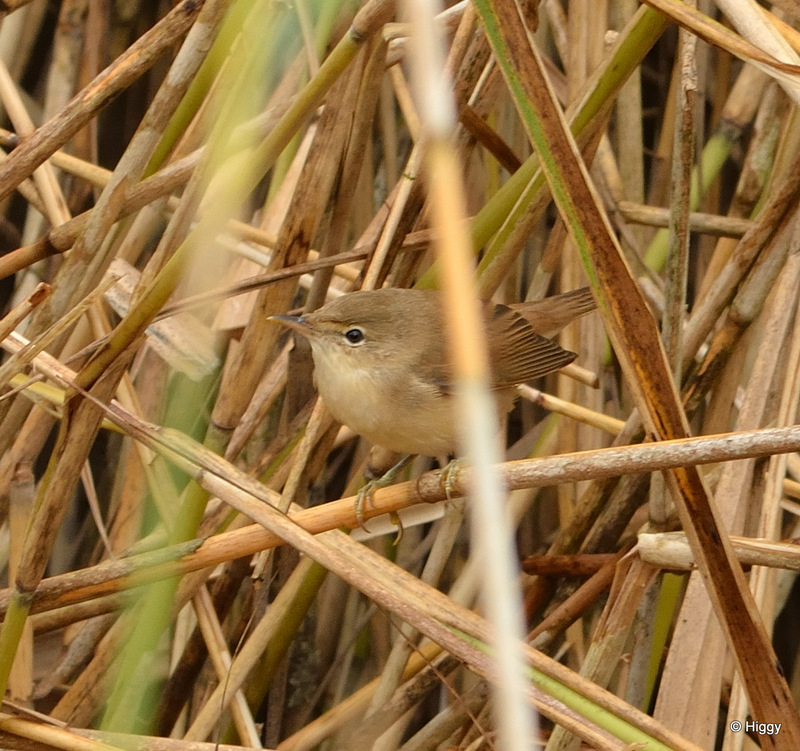
- NAME: Cettis Warbler – Cettia ceti / WINGSPAN: 15-19cm / SOMERSET STATUS: Common and widespread, especially around coastal wetland areas. Expanding its range very quickly. Obvious when around by its loud song that it sounds as if its shouting at the top of its voice! / DIET: Insects and larvae /
-
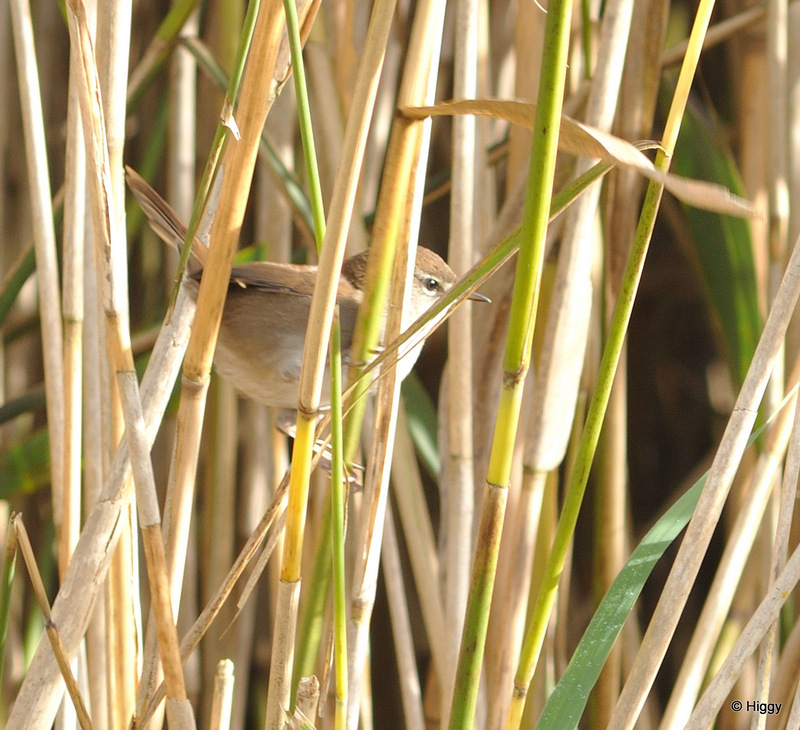
- NAME: Cettis Warbler – Cettia ceti / WINGSPAN: 15-19cm / SOMERSET STATUS: Common and widespread, especially around coastal wetland areas. Expanding its range very quickly. Obvious when around by its loud song that it sounds as if its shouting at the top of its voice! / DIET: Insects and larvae /
-
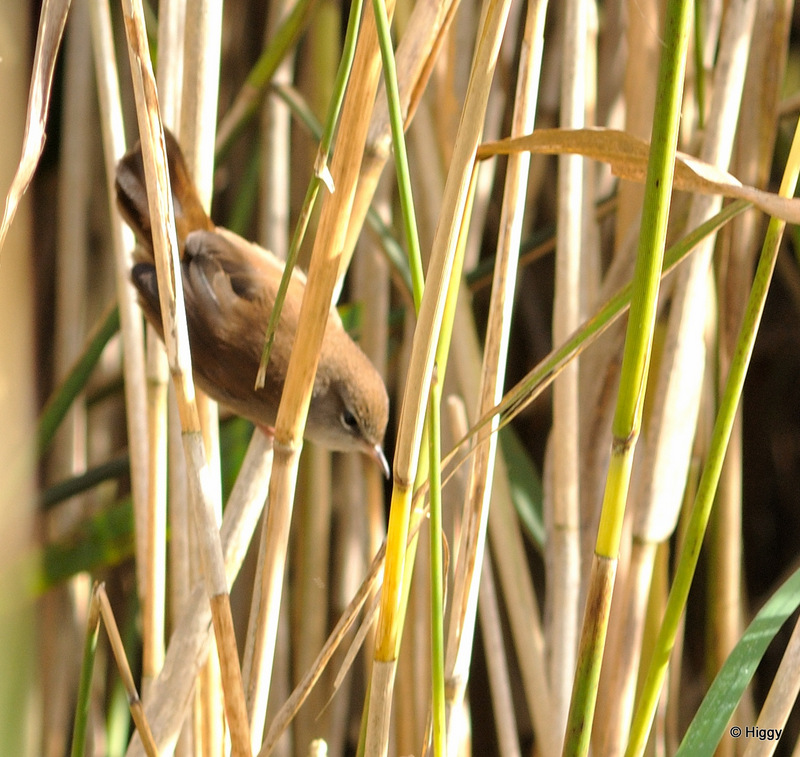
- NAME: Cettis Warbler – Cettia ceti / WINGSPAN: 15-19cm / SOMERSET STATUS: Common and widespread, especially around coastal wetland areas. Expanding its range very quickly. Obvious when around by its loud song that it sounds as if its shouting at the top of its voice! / DIET: Insects and larvae /
-
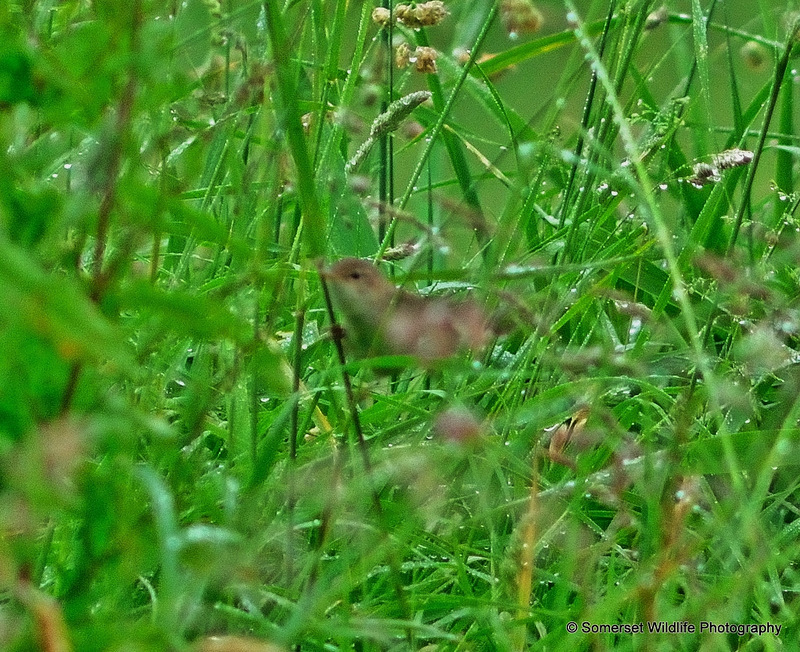
- NAME: Reed Warbler – Acrocephalus scirpaceus / WINGSPAN: 17-21cm / SOMERSET STATUS: Summer visitor to Somerset. Not easy to find but often heard if not seen, Coastal/wetland areas mainly / DIET: Insects; berries in autumn /
-
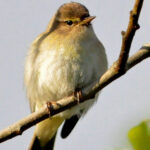
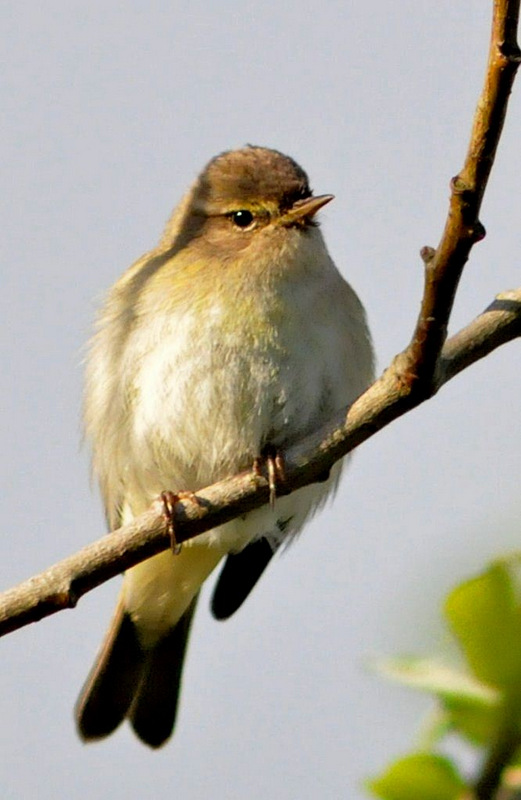
- NAME: Chiff Chaff – Phylloscopus collybita / WINGSPAN: 15-21cm / SOMERSET STATUS: Common and widespread almost everywhere now. Usually spotted by its characteristic ‘chiff chaff’ call before it’s seen / DIET: Insects and spiders /
-
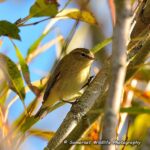
- NAME: Chiff Chaff – Phylloscopus collybita / WINGSPAN: 15-21cm / SOMERSET STATUS: Common and widespread almost everywhere now. Usually spotted by its characteristic ‘chiff chaff’ call before it’s seen / DIET: Insects and spiders /

-
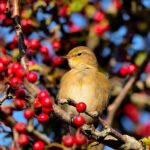
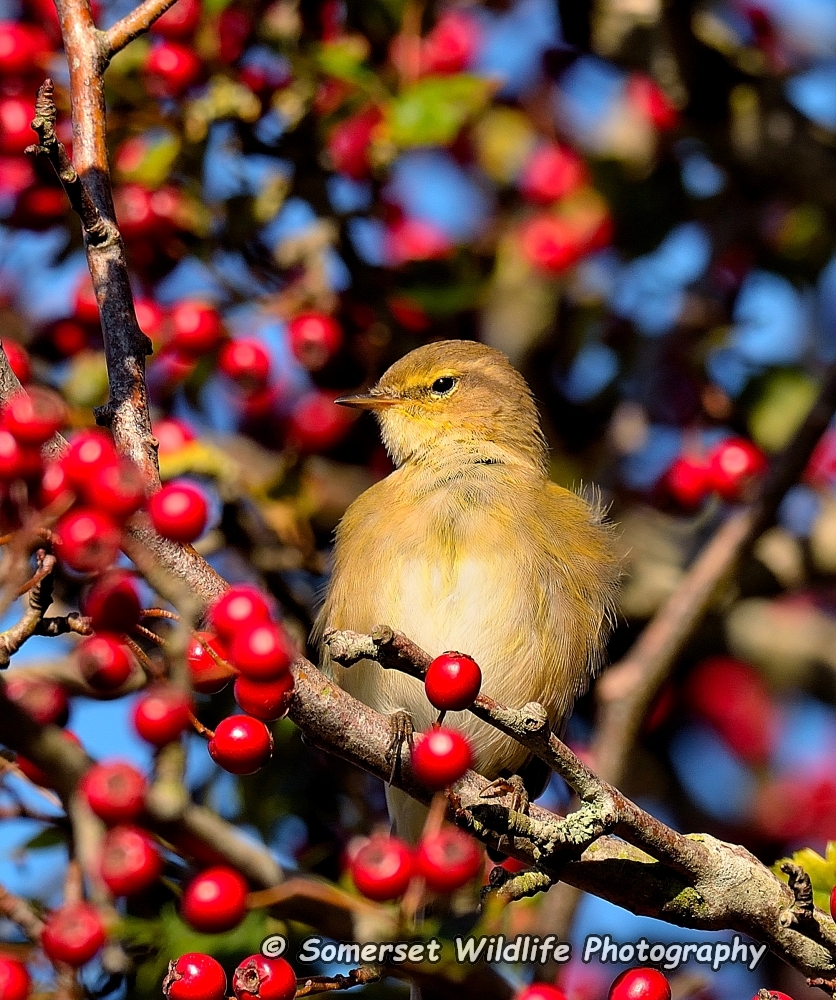
- NAME: Chiff Chaff – Phylloscopus collybita / WINGSPAN: 15-21cm / SOMERSET STATUS: Common and widespread almost everywhere now. Usually spotted by its characteristic ‘chiff chaff’ call before it’s seen / DIET: Insects and spiders /
-
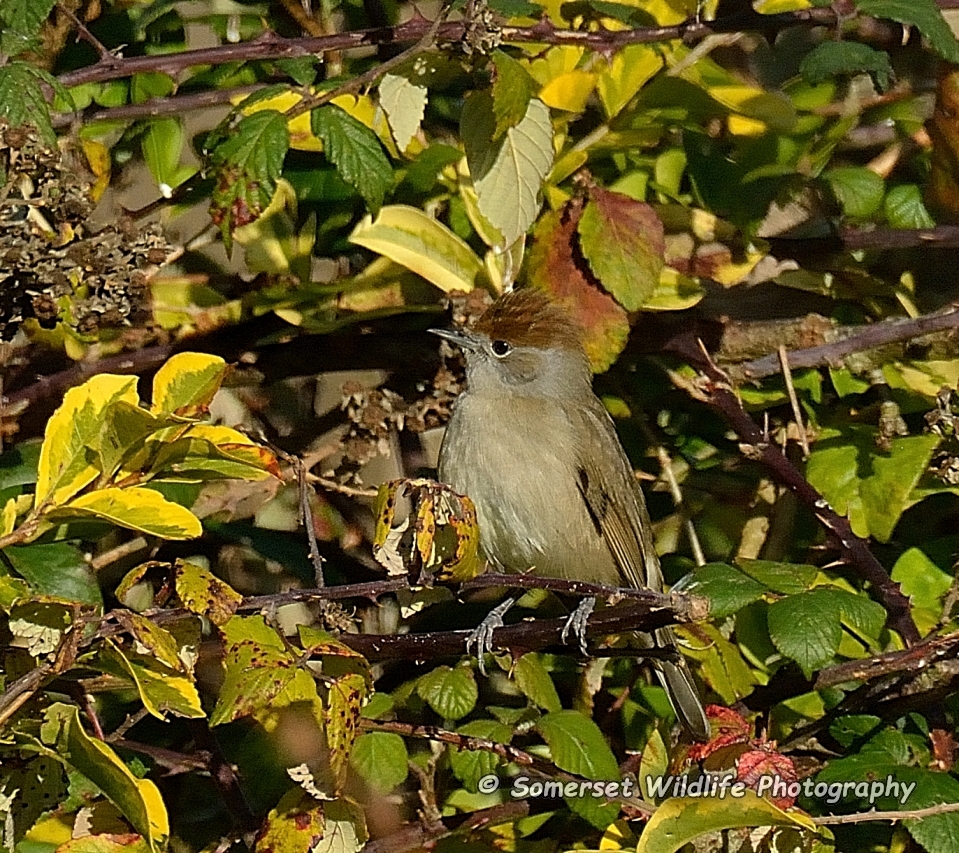
- NAME: Blackcap – Sylvia atricapilla / WINGSPAN: 20-23cm / SOMERSET STATUS: Common and wide spread, often overwinter in gardens / DIET: Insects and berries (privet berries are of particular interest in gardens) /
-
- NAME: Chiff Chaff – Phylloscopus collybita / WINGSPAN: 15-21cm / SOMERSET STATUS: Common and widespread almost everywhere now. Usually spotted by its characteristic ‘chiff chaff’ call before it’s seen / DIET: Insects and spiders /
-
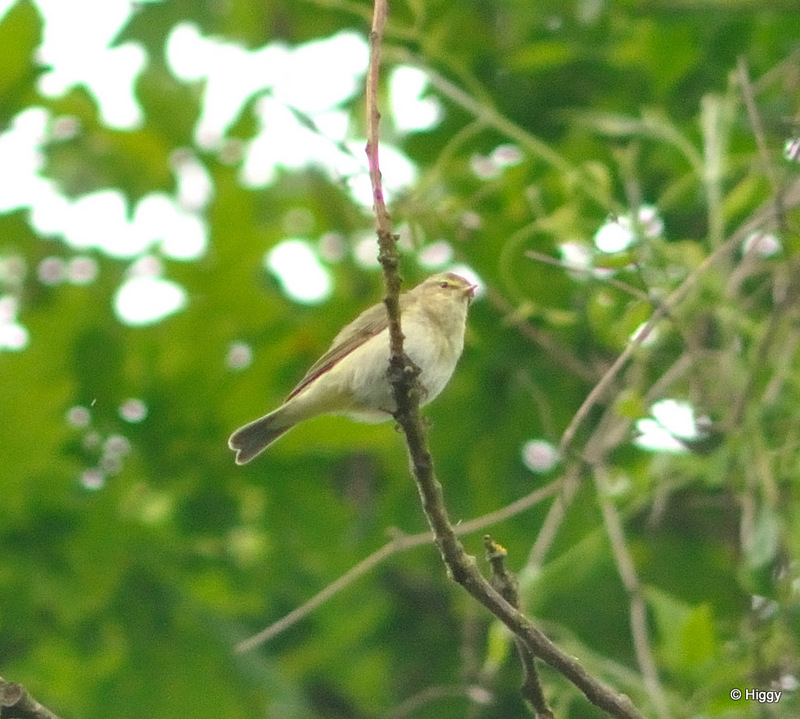
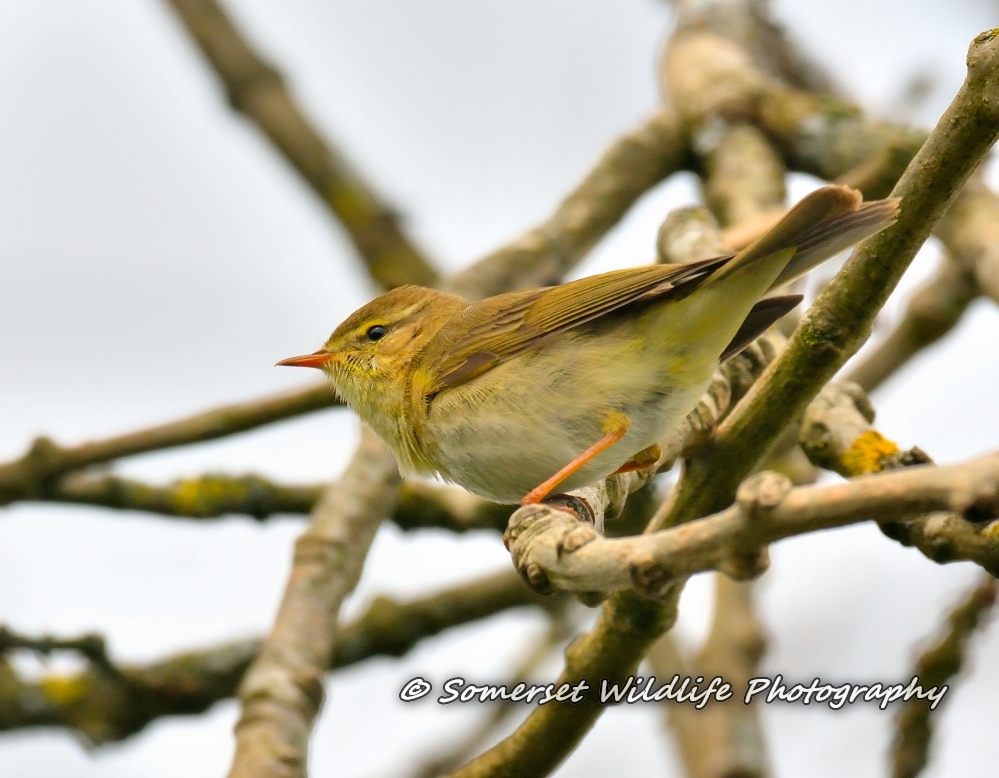
- NAME: Willow Warbler – Phylloscopus trochilus / WINGSPAN: 16-22cm / SOMERSET STATUS: Summer visitor to Somerset. Common and widespread during its time here / DIET: A wide variety of small insects and spiders. Fruit and berries in autumn /
-
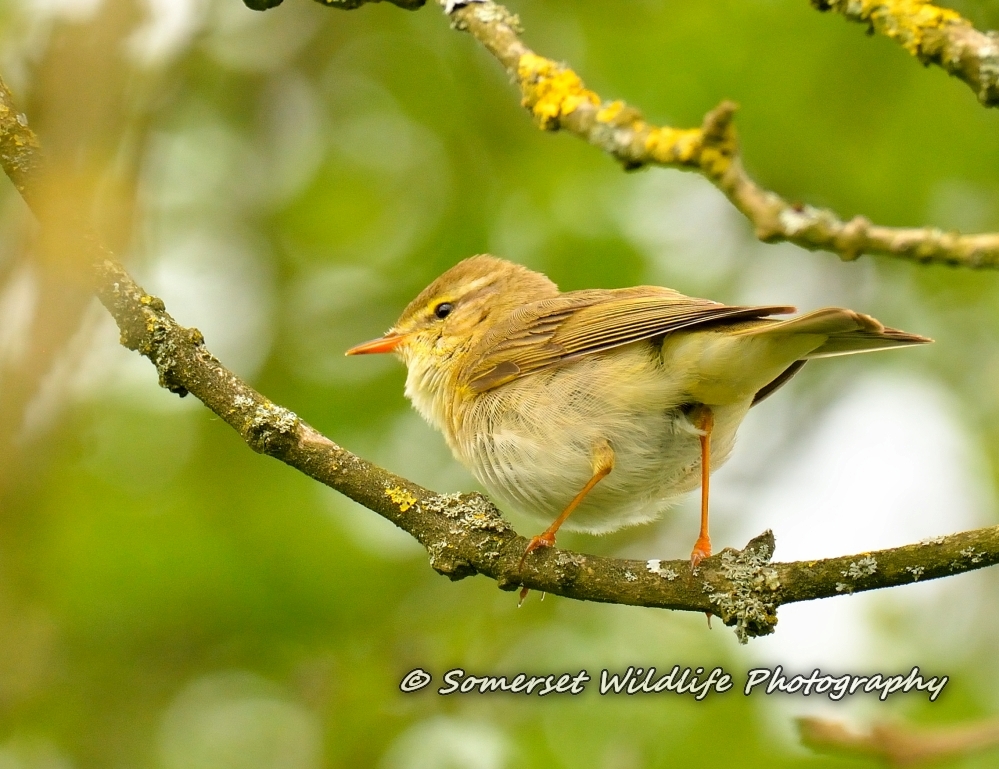
- NAME: Willow Warbler – Phylloscopus trochilus / WINGSPAN: 16-22cm / SOMERSET STATUS: Summer visitor to Somerset. Common and widespread during its time here / DIET: A wide variety of small insects and spiders. Fruit and berries in autumn /
-
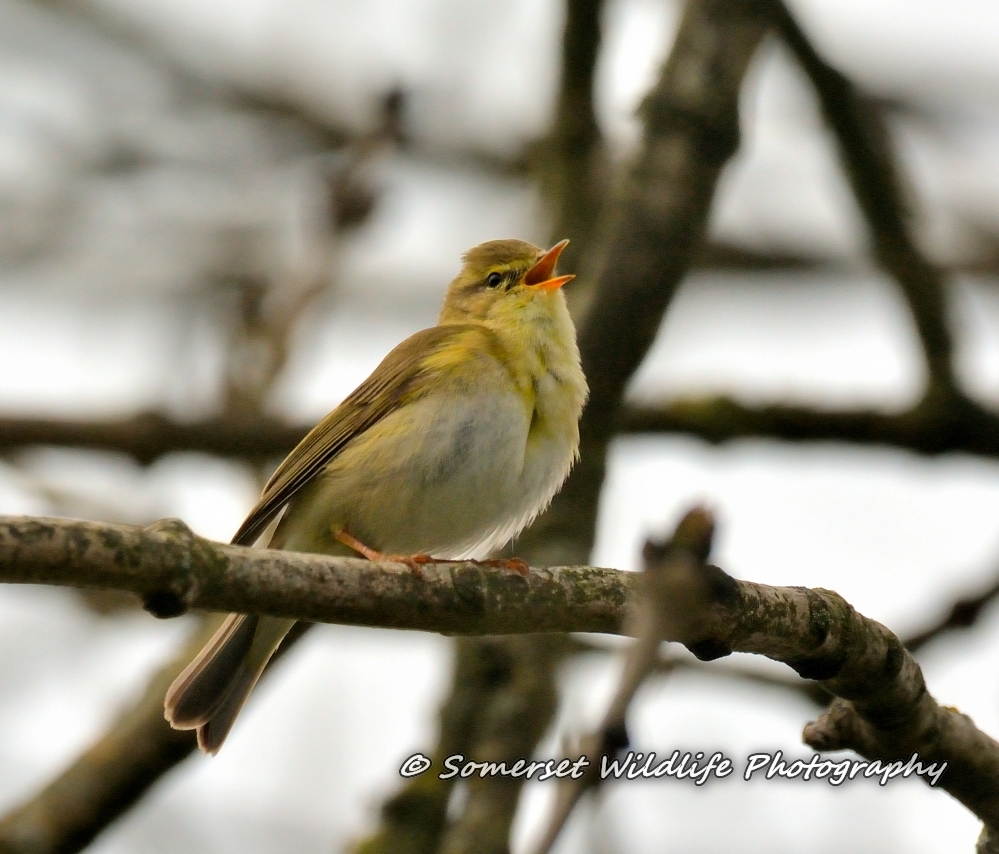
- NAME: Willow Warbler – Phylloscopus trochilus / WINGSPAN: 16-22cm / SOMERSET STATUS: Summer visitor to Somerset. Common and widespread during its time here / DIET: A wide variety of small insects and spiders. Fruit and berries in autumn /
-
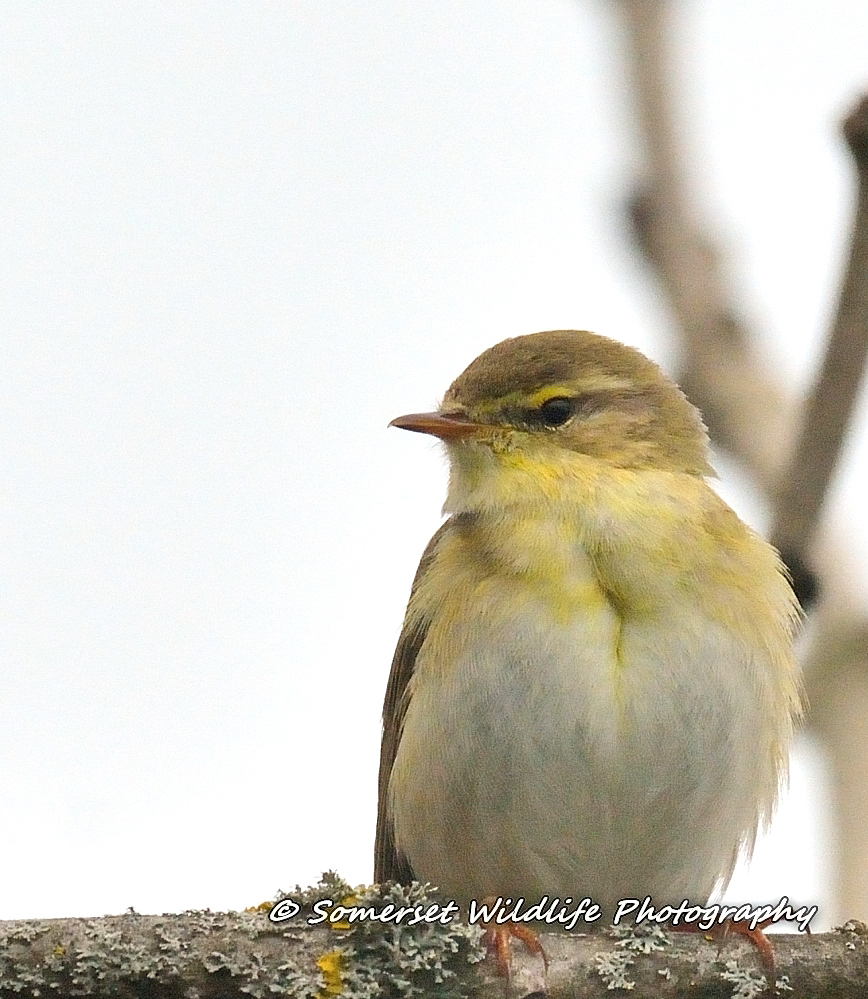
- NAME: Willow Warbler – Phylloscopus trochilus / WINGSPAN: 16-22cm / SOMERSET STATUS: Summer visitor to Somerset. Common and widespread during its time here / DIET: A wide variety of small insects and spiders. Fruit and berries in autumn /
-
- NAME: Willow Warbler – Phylloscopus trochilus / WINGSPAN: 16-22cm / SOMERSET STATUS: Summer visitor to Somerset. Common and widespread during its time here / DIET: A wide variety of small insects and spiders. Fruit and berries in autumn /
-

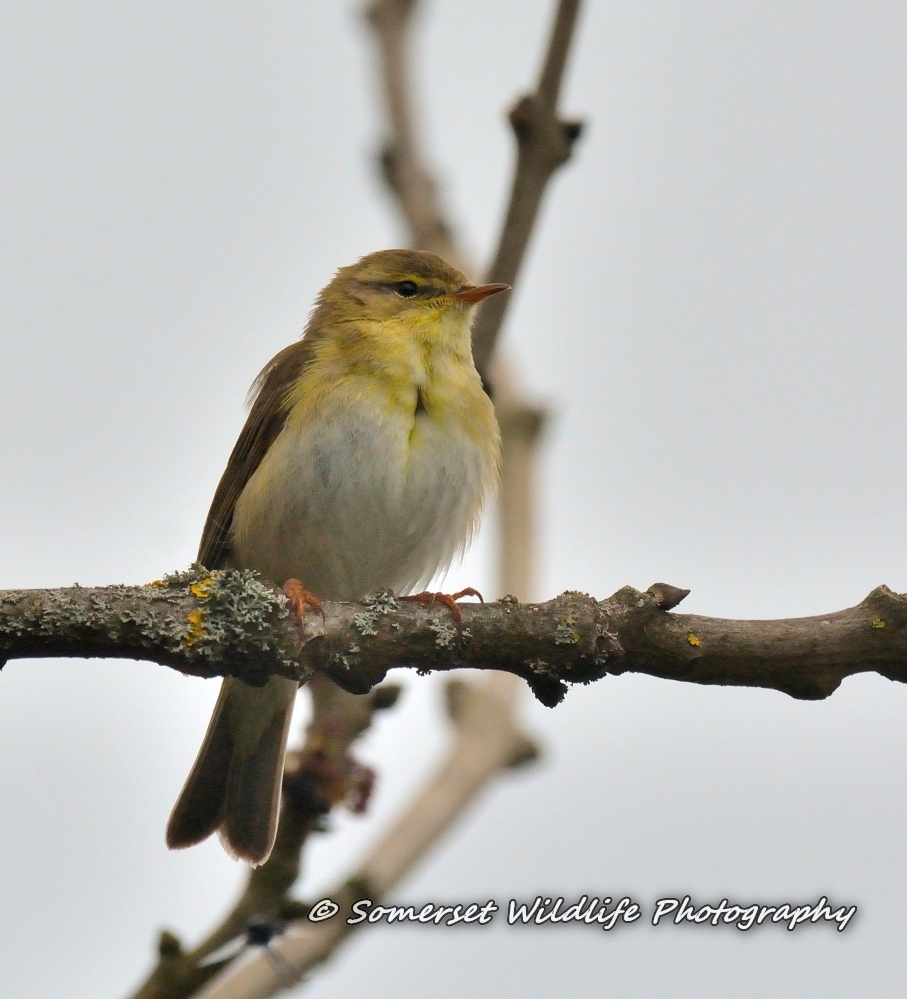
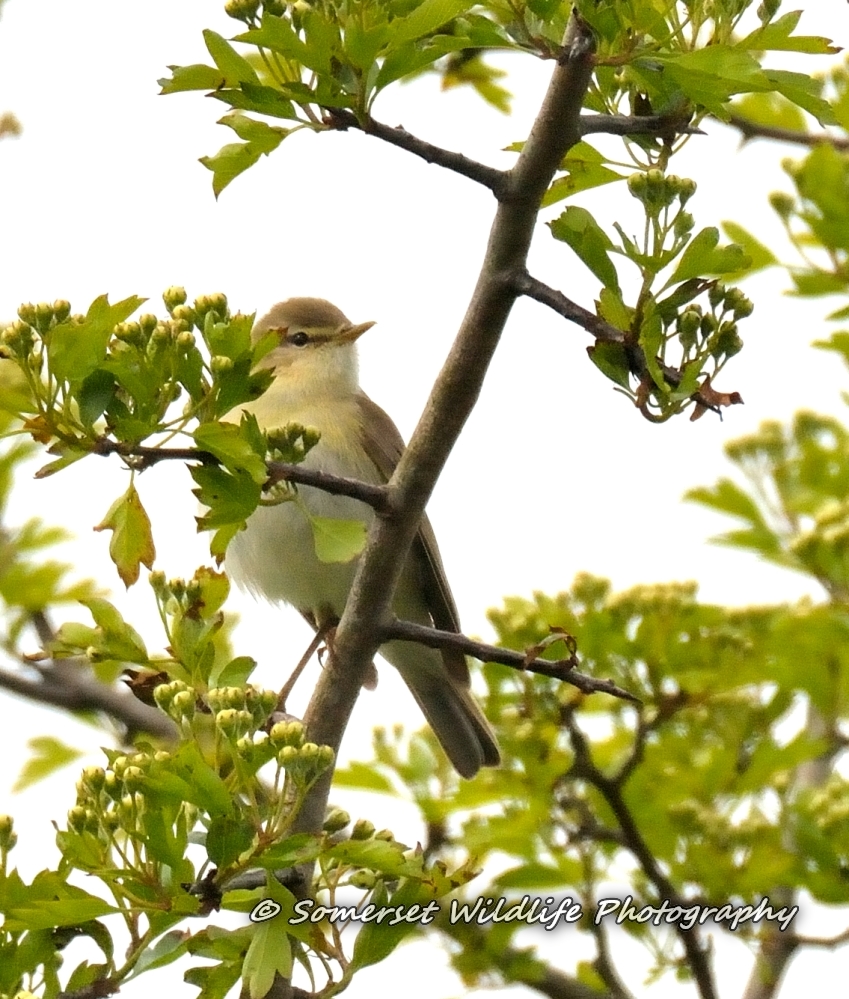
- NAME: Willow Warbler – Phylloscopus trochilus / WINGSPAN: 16-22cm / SOMERSET STATUS: Summer visitor to Somerset. Common and widespread during its time here / DIET: A wide variety of small insects and spiders. Fruit and berries in autumn /
-
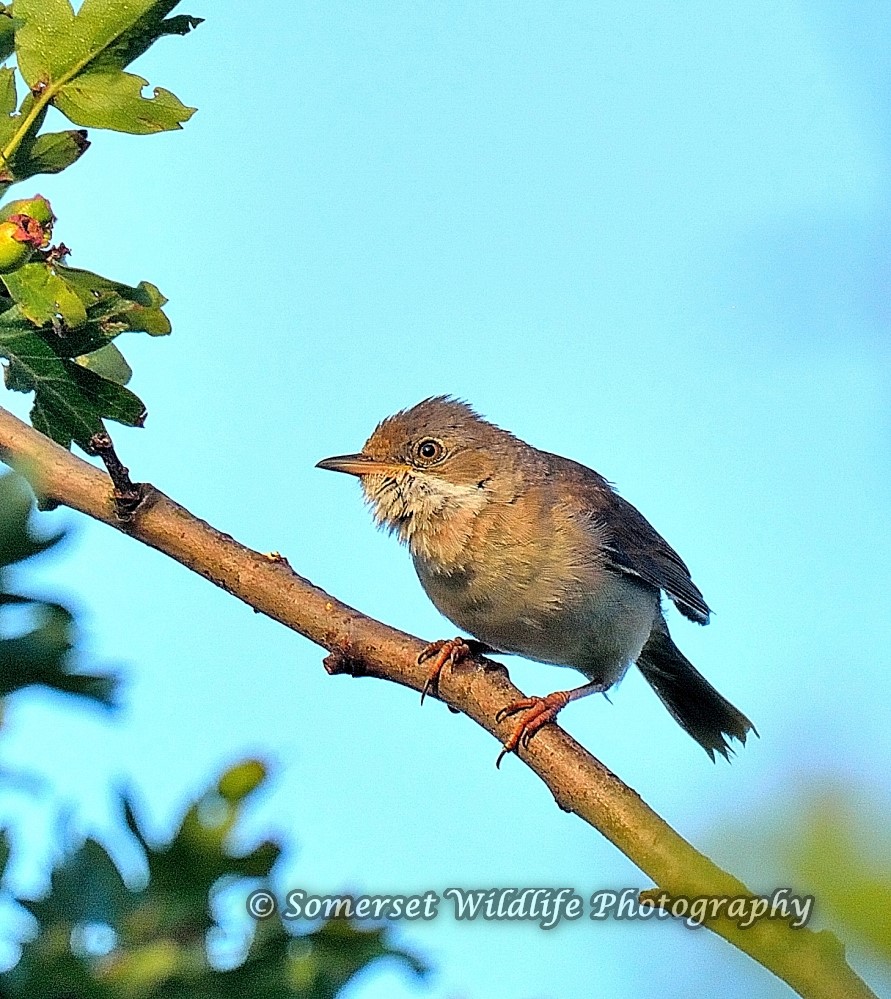
- NAME: Whitethroat – Sylvia communis / WINGSPAN: 18-23cm / SOMERSET STATUS: passage bird and summer visitor to Somerset from Africa. Common and widespread during it’s time here / DIET: Insects, and berries and fruit in autumn /
-
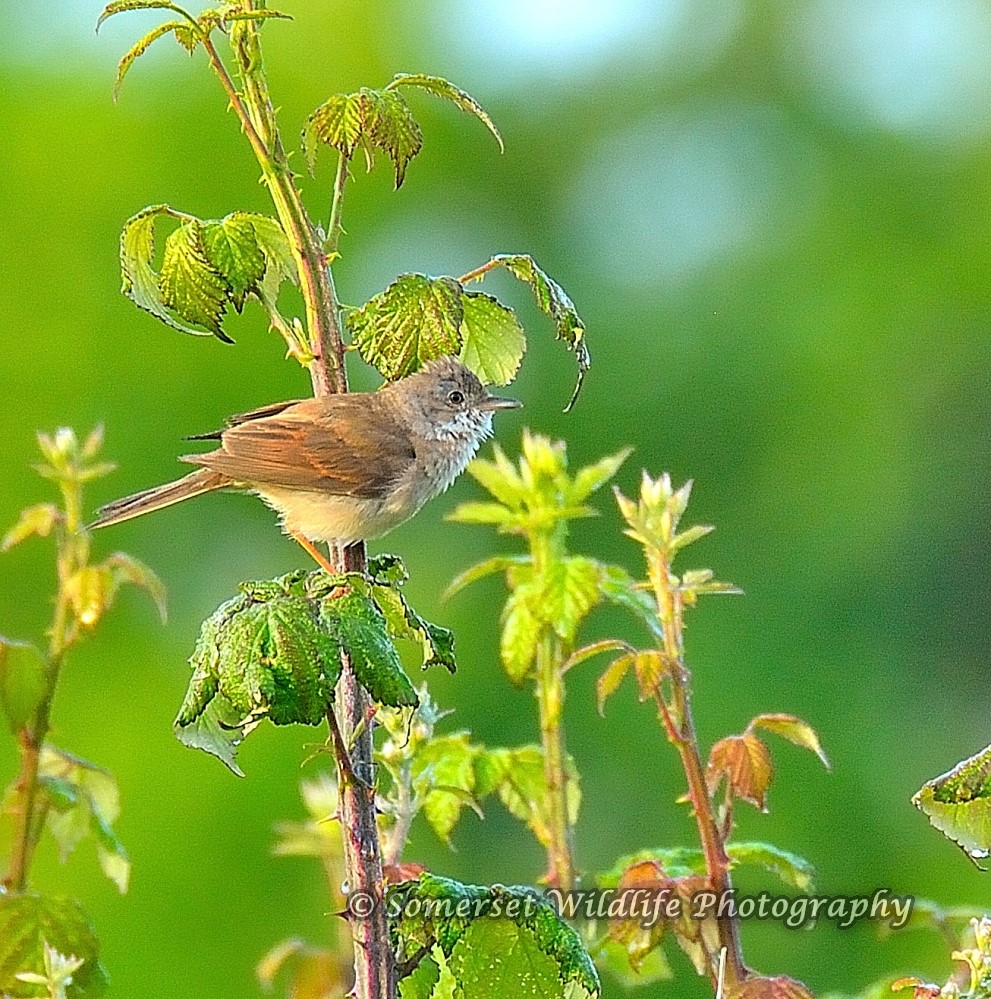
- NAME: Whitethroat – Sylvia communis / WINGSPAN: 18-23cm / SOMERSET STATUS: passage bird and summer visitor to Somerset from Africa. Common and widespread during it’s time here / DIET: Insects, and berries and fruit in autumn /
-

- NAME: Whitethroat – Sylvia communis / WINGSPAN: 18-23cm / SOMERSET STATUS: passage bird and summer visitor to Somerset from Africa. Common and widespread during it’s time here / DIET: Insects, and berries and fruit in autumn /

-
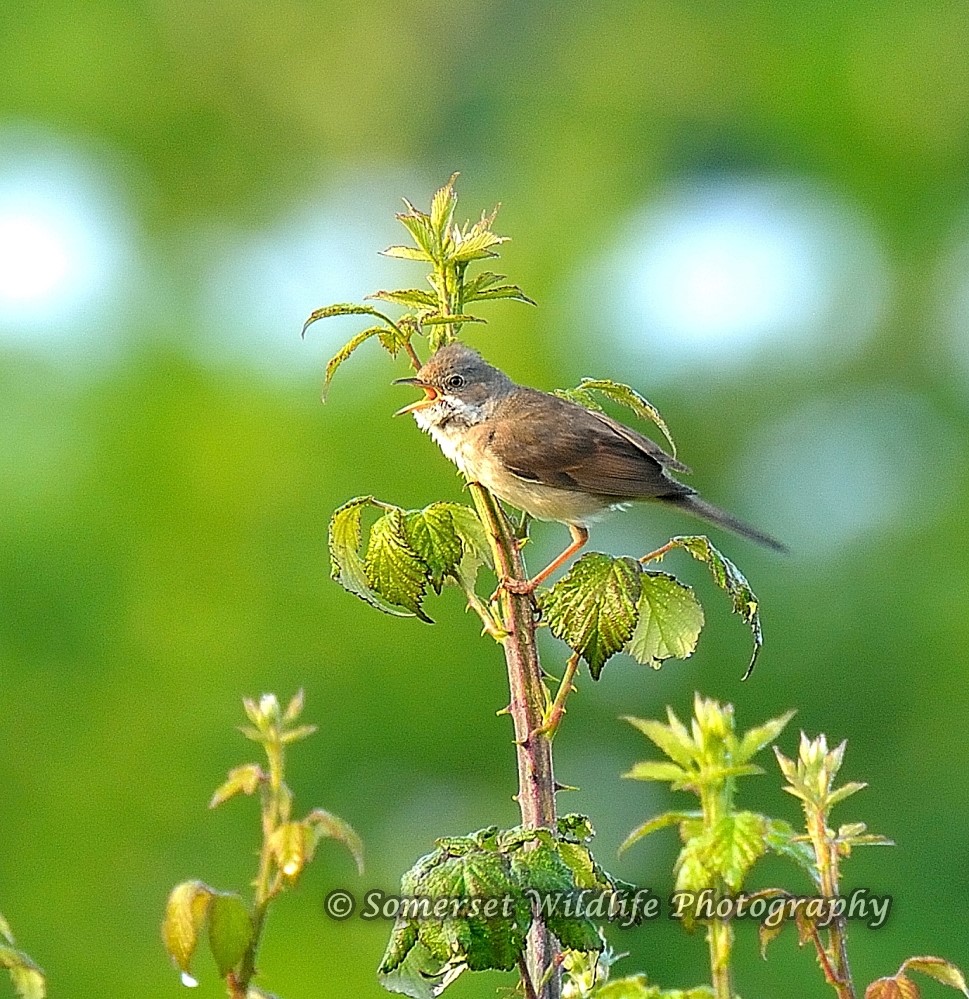
- NAME: Whitethroat – Sylvia communis / WINGSPAN: 18-23cm / SOMERSET STATUS: passage bird and summer visitor to Somerset from Africa. Common and widespread during it’s time here / DIET: Insects, and berries and fruit in autumn /
-
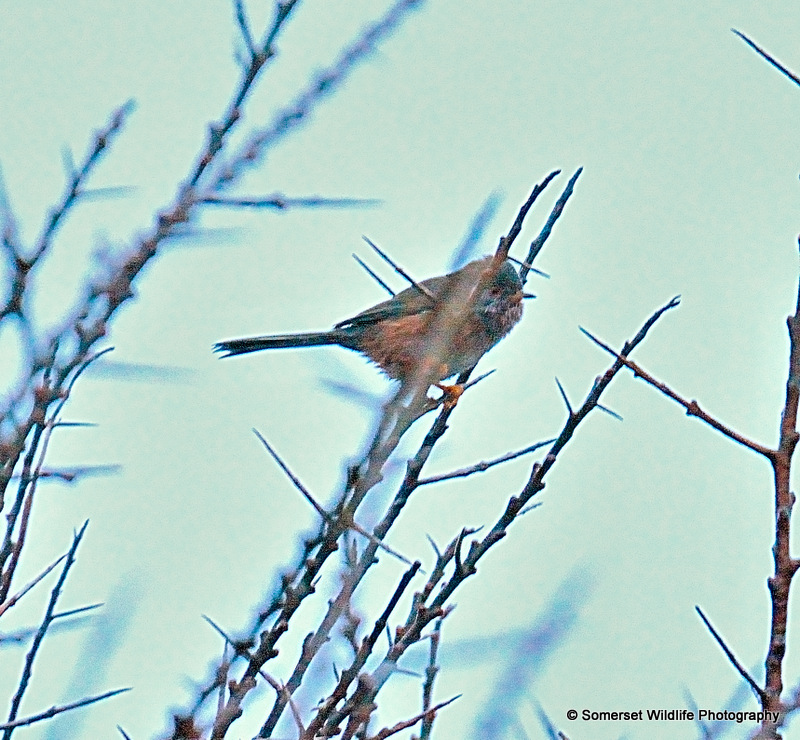
- NAME: Dartford Warbler – Sylvia undata / WINGSPAN: 13-18cm / SOMERSET STATUS: Not common but it can be found in and around coastal areas and on some highland areas where gorse grows. The coastal Blackthorn bushes at Sand bay in Weston-super-Mare is often a good place to look! / DIET: Insects and other invertebrates /
-
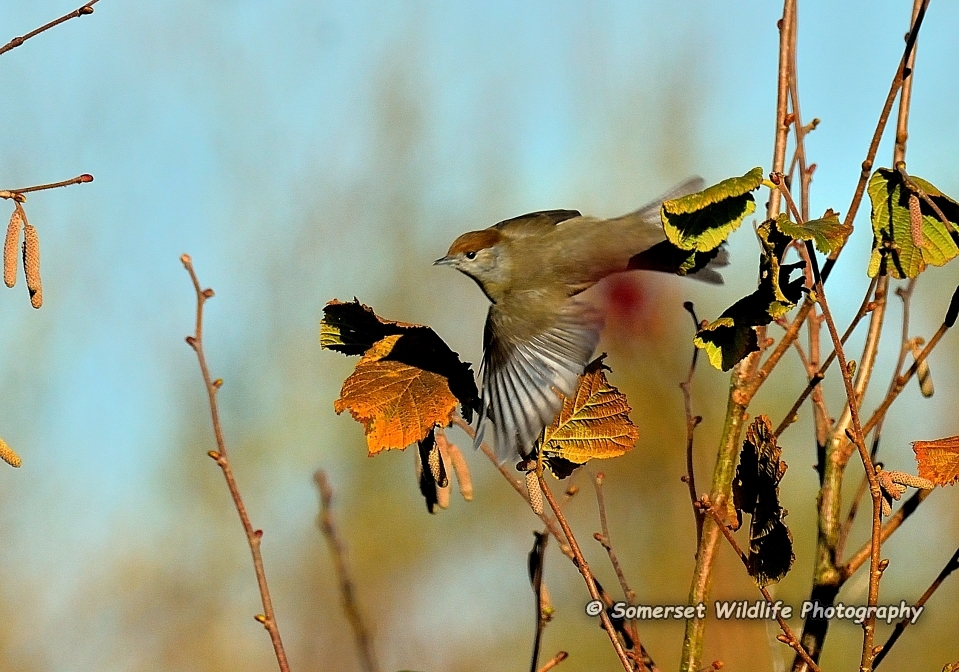
- NAME: Blackcap – Sylvia atricapilla / WINGSPAN: 20-23cm / SOMERSET STATUS: Common and wide spread, often overwinter in gardens / DIET: Insects and berries (privet berries are of particular interest in gardens) /
-
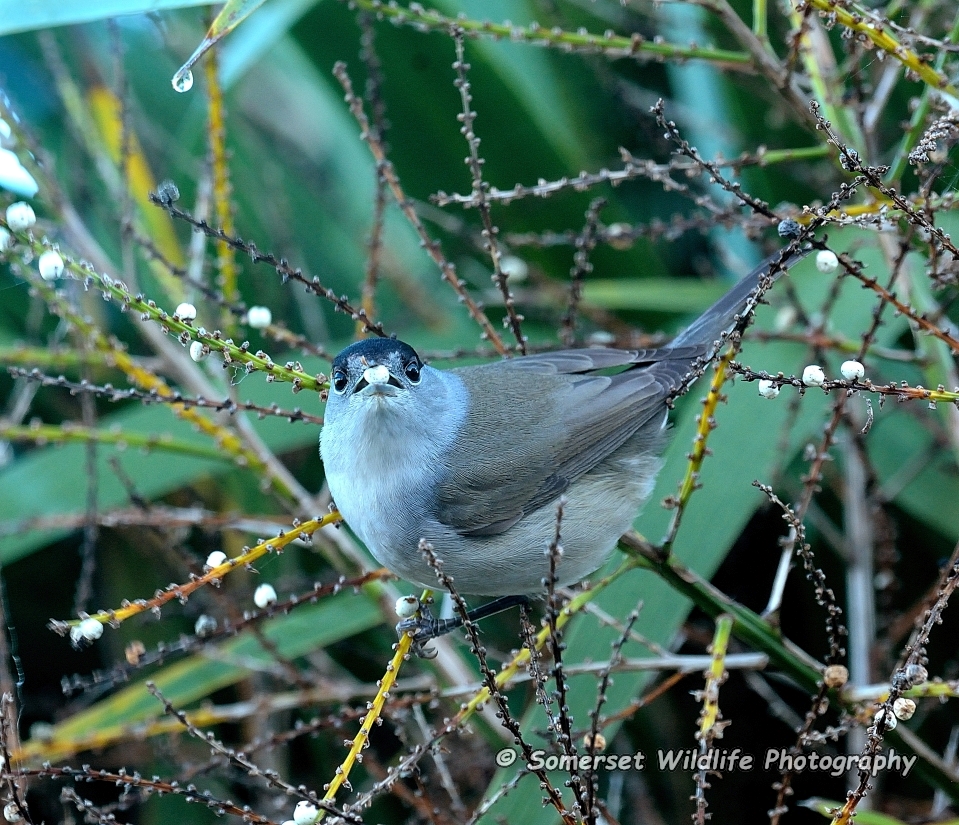
- NAME: Blackcap – Sylvia atricapilla / WINGSPAN: 20-23cm / SOMERSET STATUS: Common and wide spread, often overwinter in gardens / DIET: Insects and berries (privet berries are of particular interest in gardens) /
-
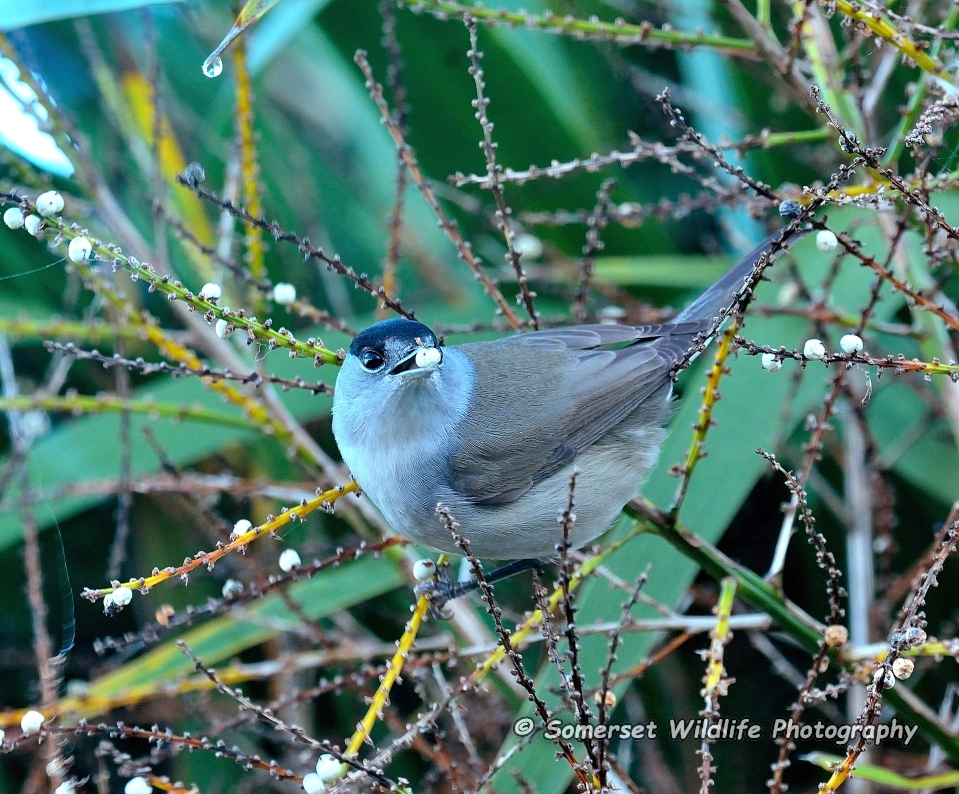
- NAME: Blackcap – Sylvia atricapilla / WINGSPAN: 20-23cm / SOMERSET STATUS: Common and wide spread, often overwinter in gardens / DIET: Insects and berries (privet berries are of particular interest in gardens) /
-
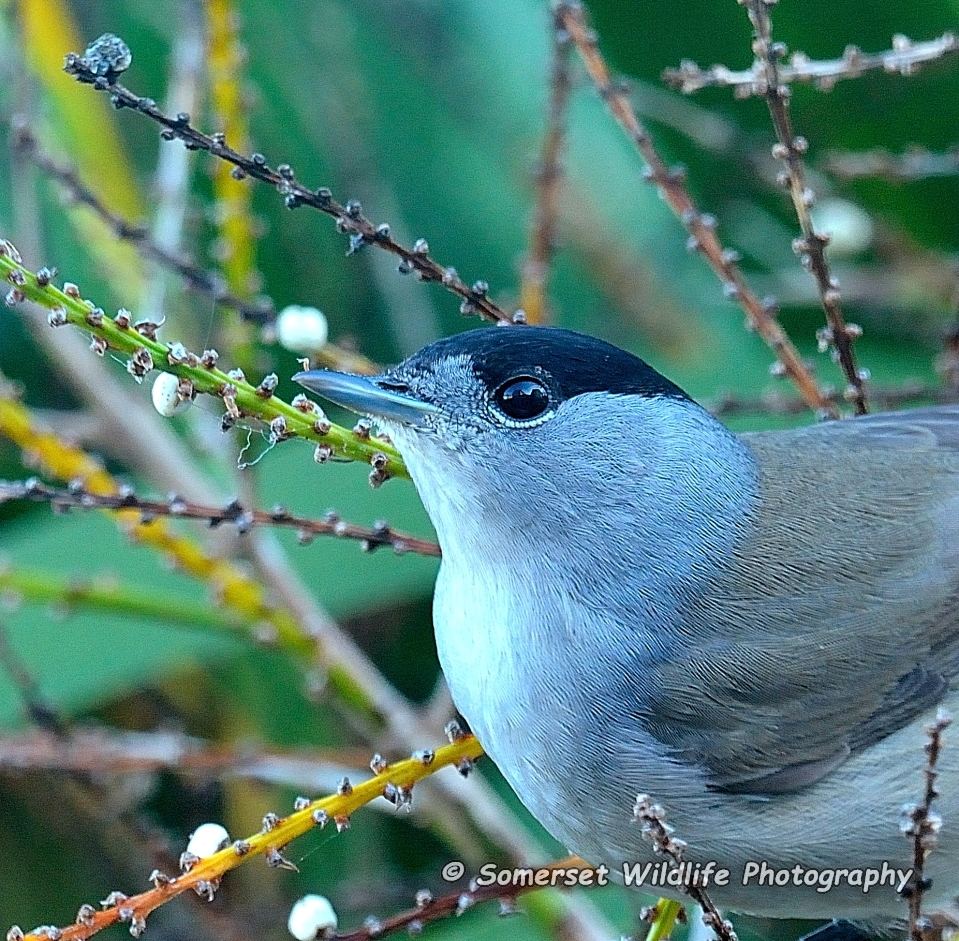
- NAME: Blackcap – Sylvia atricapilla / WINGSPAN: 20-23cm / SOMERSET STATUS: Common and wide spread, often overwinter in gardens / DIET: Insects and berries (privet berries are of particular interest in gardens) /
-
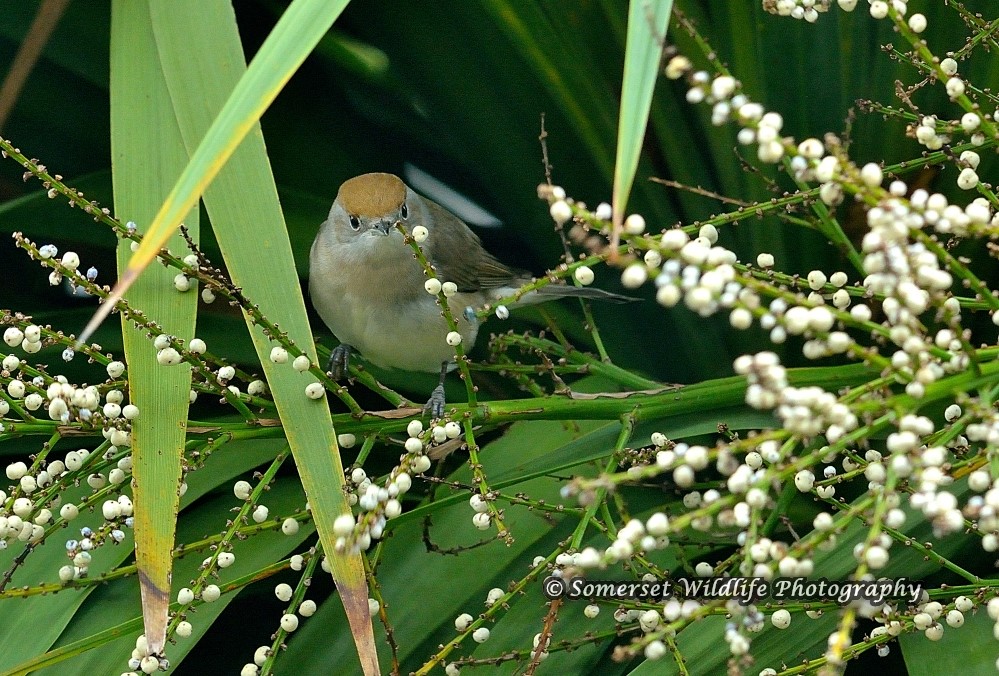
- NAME: Blackcap – Sylvia atricapilla / WINGSPAN: 20-23cm / SOMERSET STATUS: Common and wide spread, often overwinter in gardens / DIET: Insects and berries (privet berries are of particular interest in gardens) /
-
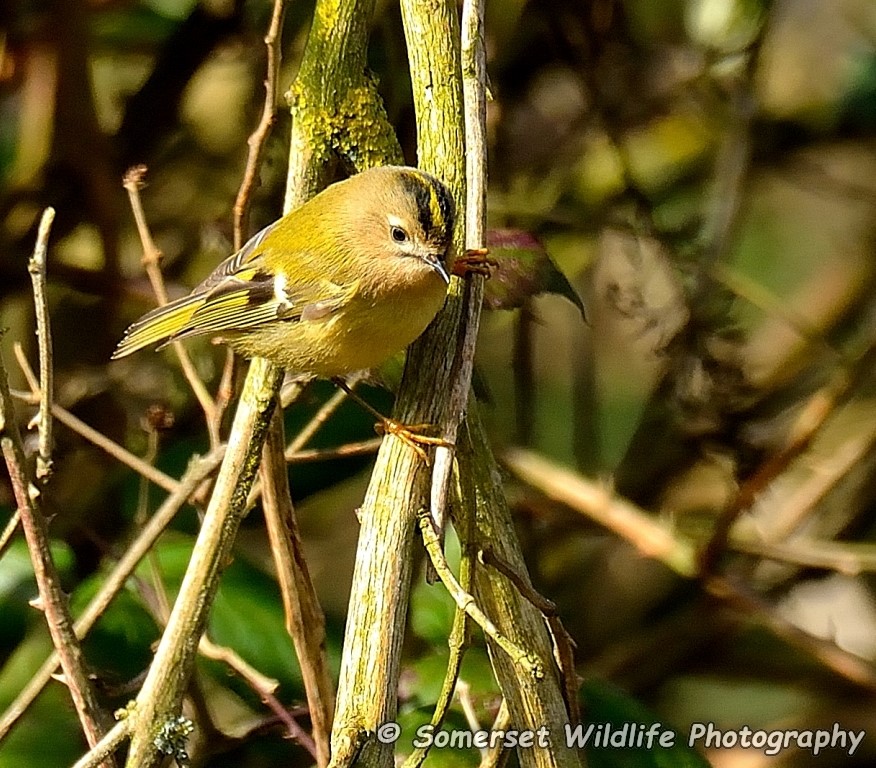
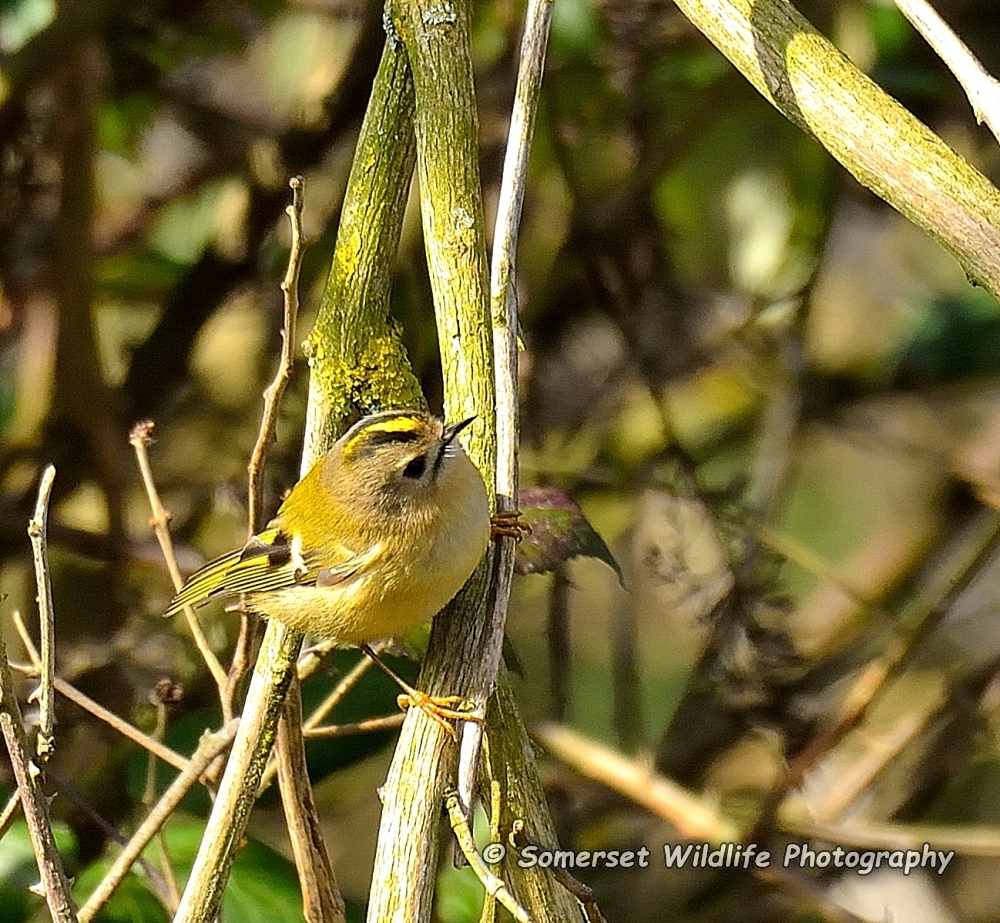
- NAME: Goldcrest – Regulus regulus / WINGSPAN: 14cm / SOMERSET STATUS: Common and widespread and enjoying the milder winters of recent years. Britains smallest bird and found in various habitats where there is enough cover such as wooded areas / DIET: Tiny morsels like spiders, moth eggs and other small insect food /
-

- NAME: Goldcrest – Regulus regulus / WINGSPAN: 14cm / SOMERSET STATUS: Common and widespread and enjoying the milder winters of recent years. Britains smallest bird and found in various habitats where there is enough cover such as wooded areas / DIET: Tiny morsels like spiders, moth eggs and other small insect food /
-
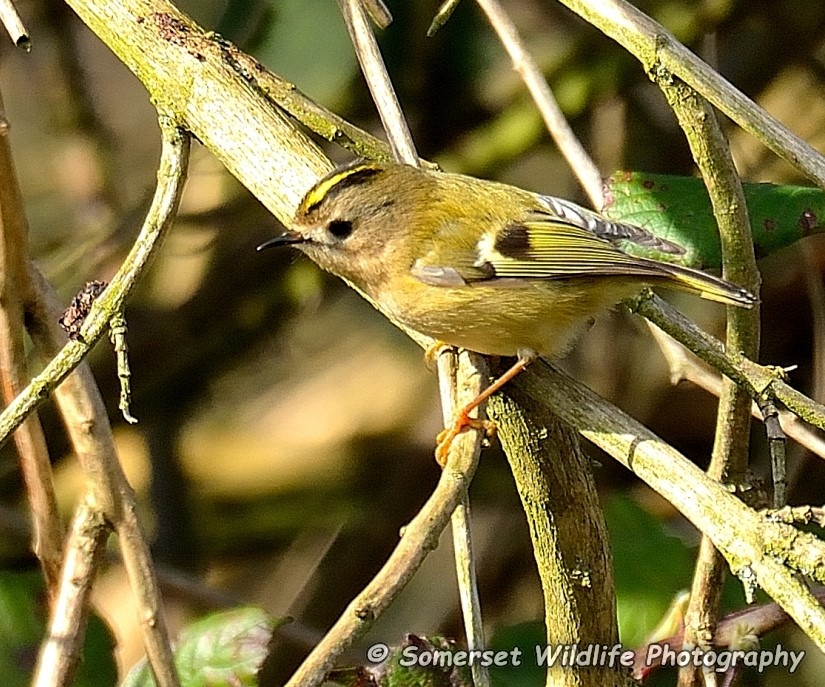
- NAME: Goldcrest – Regulus regulus / WINGSPAN: 14cm / SOMERSET STATUS: Common and widespread and enjoying the milder winters of recent years. Britains smallest bird and found in various habitats where there is enough cover such as wooded areas / DIET: Tiny morsels like spiders, moth eggs and other small insect food /
-

- NAME: Goldcrest – Regulus regulus / WINGSPAN: 14cm / SOMERSET STATUS: Common and widespread and enjoying the milder winters of recent years. Britains smallest bird and found in various habitats where there is enough cover such as wooded areas / DIET: Tiny morsels like spiders, moth eggs and other small insect food /

-
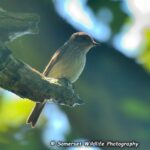
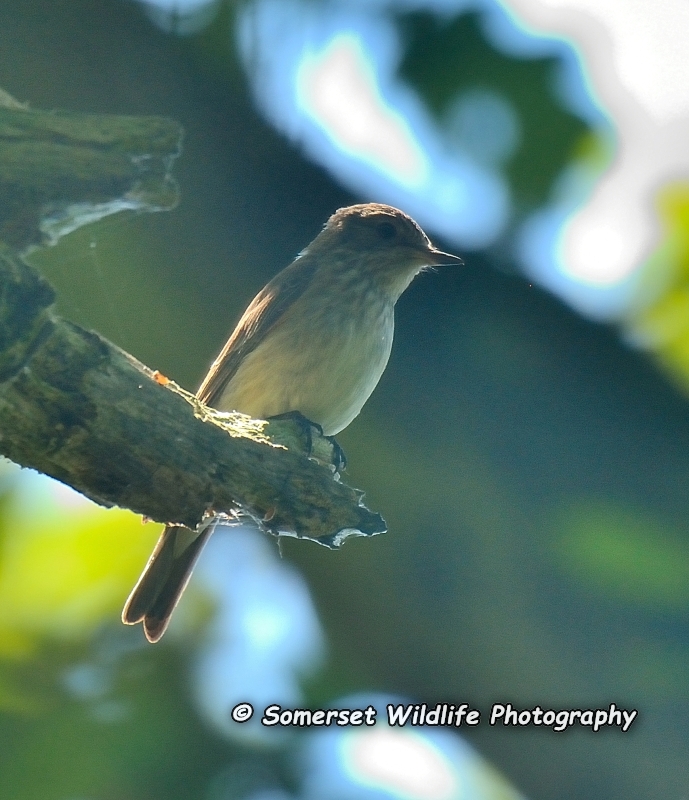
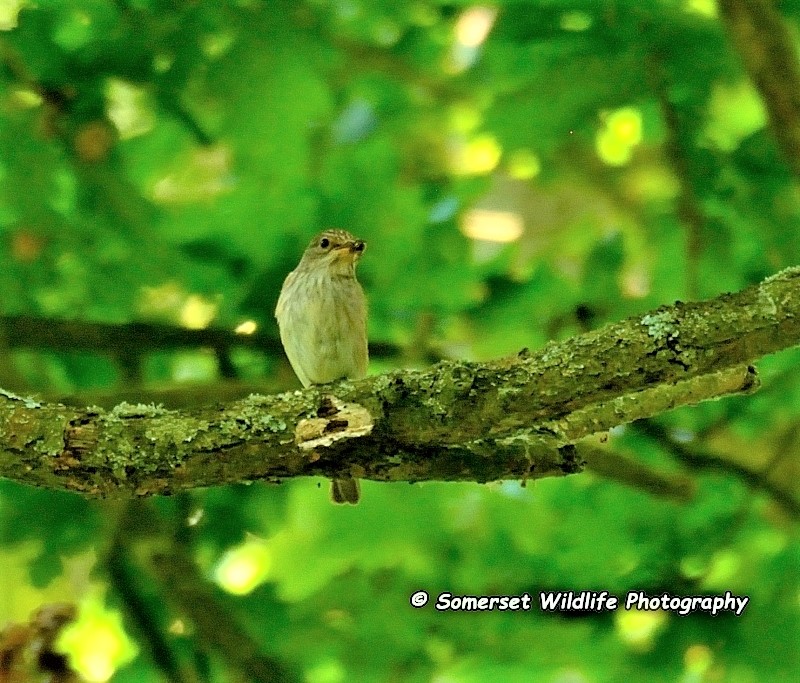
- NAME: Spotted Flycatcher – Muscicapa striata / WINGSPAN: 23-25cm / SOMERSET STATUS: Summer visitor to Somerset and often difficult to find. Open woodland glades where flying insects are a plenty are a good starting point / DIET: Flying insects, such as moths, butterflies, damselflies, craneflies. If the weather is bad, they can search trees and shrubs for other insect food /
-
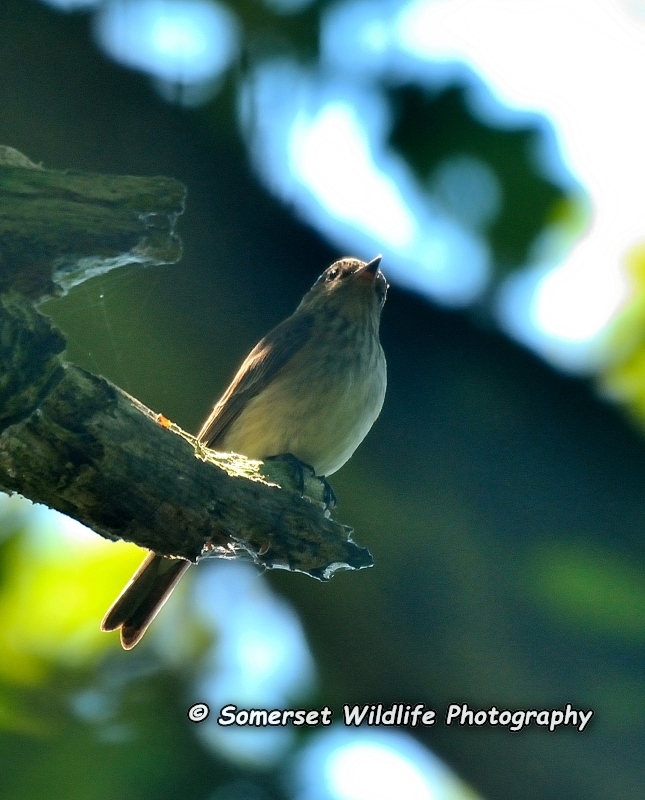
- NAME: Spotted Flycatcher – Muscicapa striata / WINGSPAN: 23-25cm / SOMERSET STATUS: Summer visitor to Somerset and often difficult to find. Open woodland glades where flying insects are a plenty are a good starting point / DIET: Flying insects, such as moths, butterflies, damselflies, craneflies. If the weather is bad, they can search trees and shrubs for other insect food /
-
- NAME: Spotted Flycatcher – Muscicapa striata / WINGSPAN: 23-25cm / SOMERSET STATUS: Summer visitor to Somerset and often difficult to find. Open woodland glades where flying insects are a plenty are a good starting point / DIET: Flying insects, such as moths, butterflies, damselflies, craneflies. If the weather is bad, they can search trees and shrubs for other insect food /
-

- NAME: Spotted Flycatcher – Muscicapa striata / WINGSPAN: 23-25cm / SOMERSET STATUS: Summer visitor to Somerset and often difficult to find. Open woodland glades where flying insects are a plenty are a good starting point / DIET: Flying insects, such as moths, butterflies, damselflies, craneflies. If the weather is bad, they can search trees and shrubs for other insect food /
