Recording Wildlife and Supporting Local Conservation within the Counties of Somerset

-
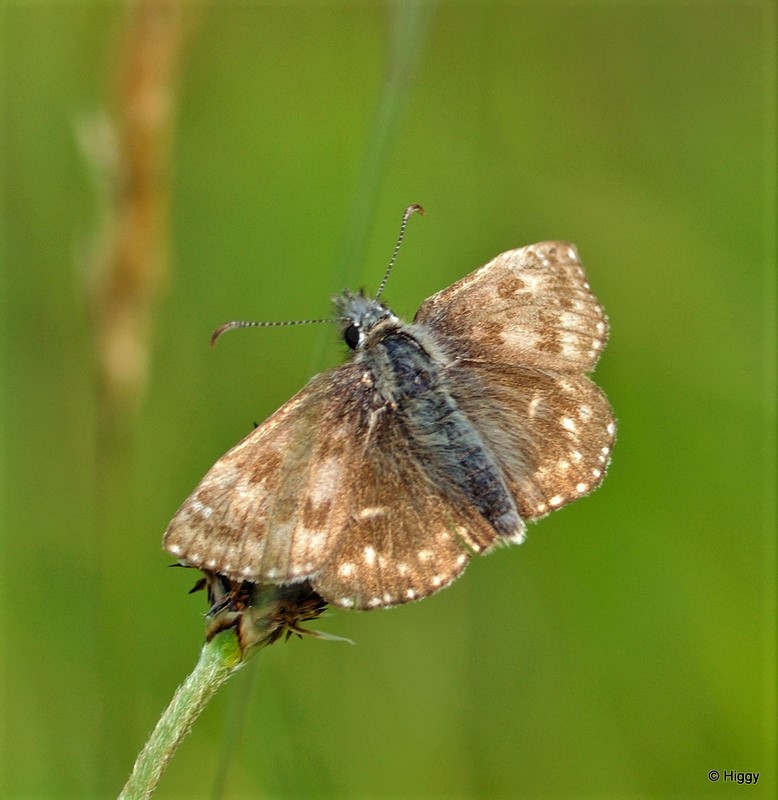
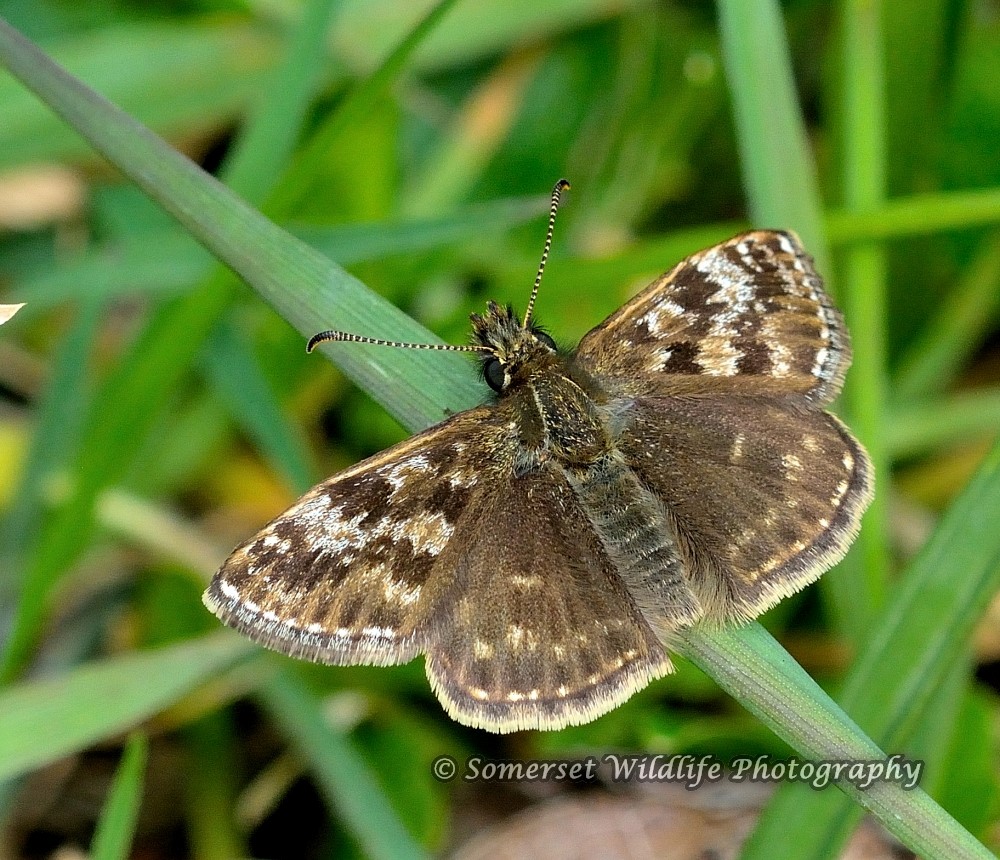
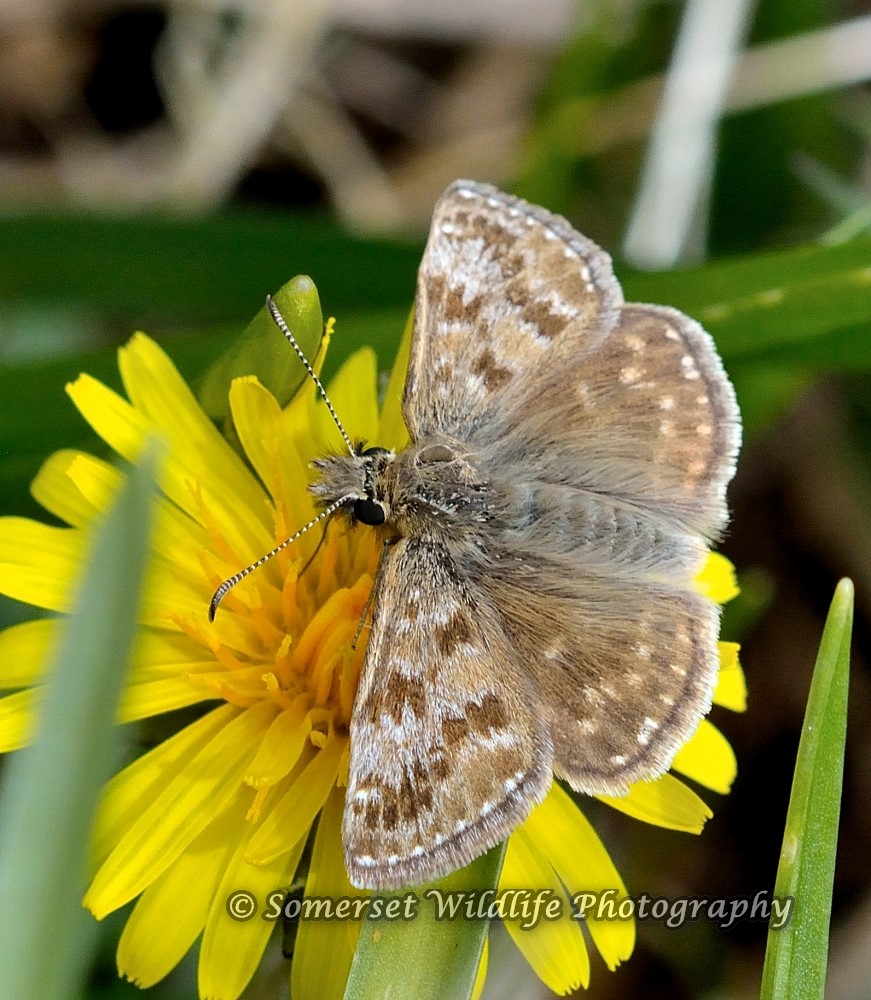
- NAME: Dingy Skipper – Erynnis tages / WINGSPAN: 30mm / FLIGHT TIME: May-June (partial second brood) / HABITAT: warm open areas such as south-facing chalk and limestone downland, open hillsides, railway embankments, dunes, cliffs and abandoned quarries, ends of woodland as well as in woodland clearings and rides / LARVAL FOODPLANT: Common Bird’s-foot-trefoil (Lotus corniculatus). Greater Bird’s-foot-trefoil (Lotus pedunculatus) and Horseshoe Vetch (Hippocrepis comosa)
-
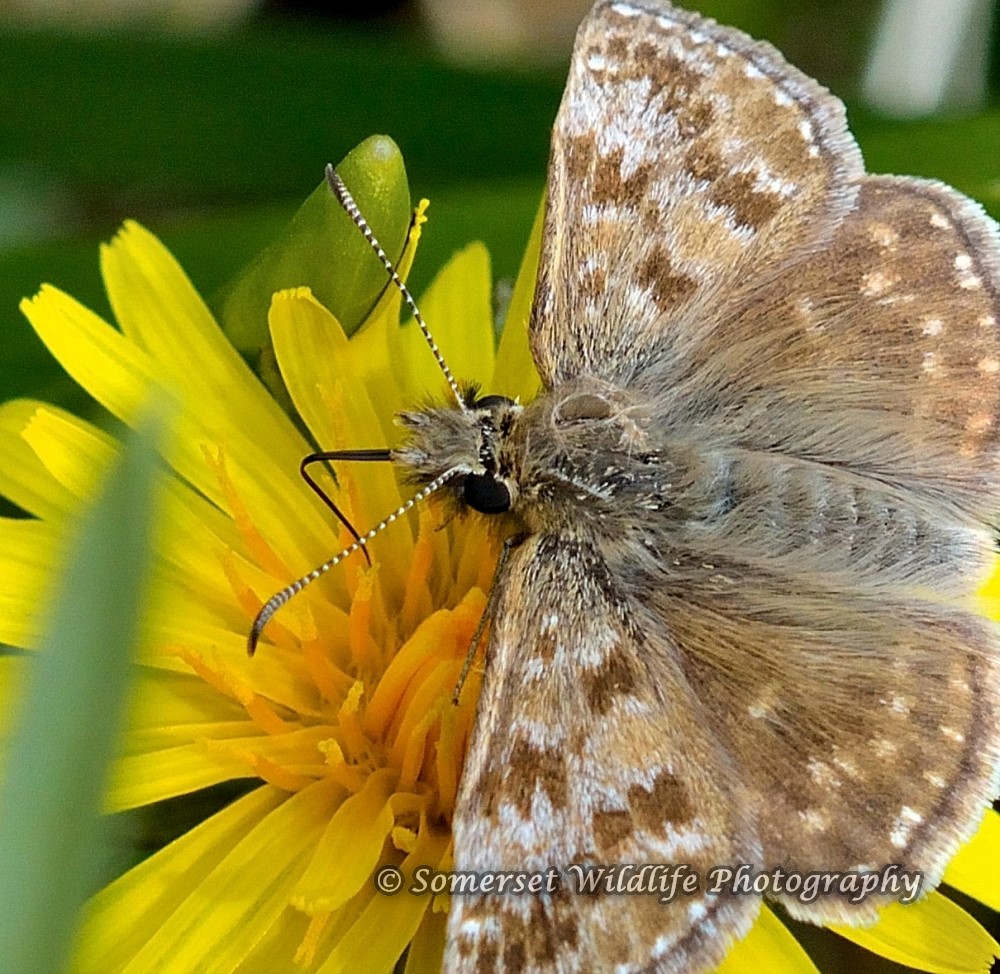
- NAME: Dingy Skipper – Erynnis tages / WINGSPAN: 30mm / FLIGHT TIME: May-June (partial second brood) / HABITAT: warm open areas such as south-facing chalk and limestone downland, open hillsides, railway embankments, dunes, cliffs and abandoned quarries, ends of woodland as well as in woodland clearings and rides / LARVAL FOODPLANT: Common Bird’s-foot-trefoil (Lotus corniculatus). Greater Bird’s-foot-trefoil (Lotus pedunculatus) and Horseshoe Vetch (Hippocrepis comosa)
-
- NAME: Dingy Skipper – Erynnis tages / WINGSPAN: 30mm / FLIGHT TIME: May-June (partial second brood) / HABITAT: warm open areas such as south-facing chalk and limestone downland, open hillsides, railway embankments, dunes, cliffs and abandoned quarries, ends of woodland as well as in woodland clearings and rides / LARVAL FOODPLANT: Common Bird’s-foot-trefoil (Lotus corniculatus). Greater Bird’s-foot-trefoil (Lotus pedunculatus) and Horseshoe Vetch (Hippocrepis comosa)
-
- NAME: Dingy Skipper – Erynnis tages / WINGSPAN: 30mm / FLIGHT TIME: May-June (partial second brood) / HABITAT: warm open areas such as south-facing chalk and limestone downland, open hillsides, railway embankments, dunes, cliffs and abandoned quarries, ends of woodland as well as in woodland clearings and rides / LARVAL FOODPLANT: Common Bird’s-foot-trefoil (Lotus corniculatus). Greater Bird’s-foot-trefoil (Lotus pedunculatus) and Horseshoe Vetch (Hippocrepis comosa)
-
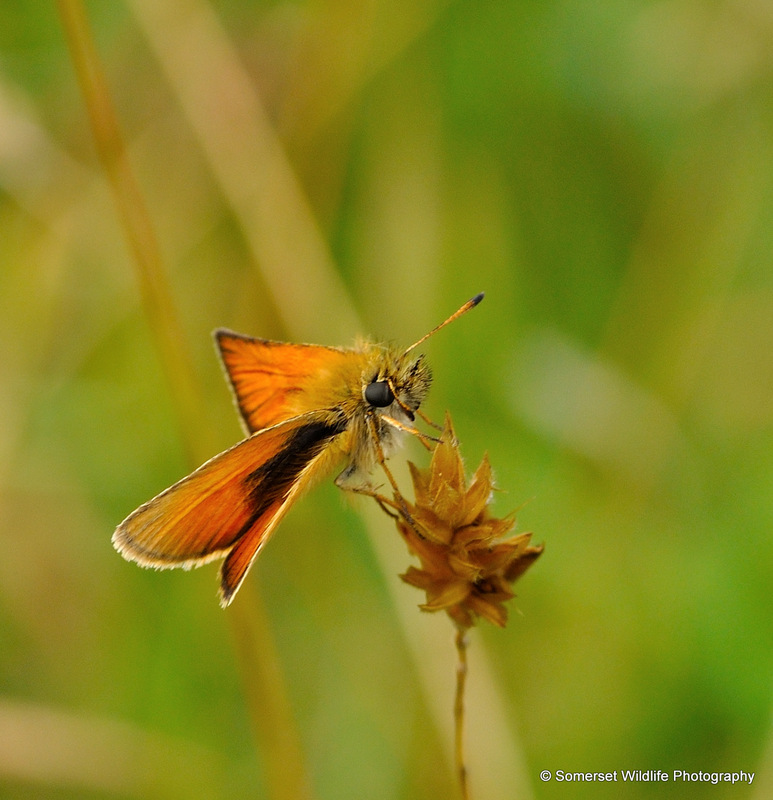
- NAME: Essex Skipper – Thymelicus lineola / WINGSPAN: 28mm / FLIGHT TIME: July-August / HABITAT: rough grassland, including road verges, woodland rides, chalk grassland and embankments / LARVAL FOODPLANT: Grasses such as Couch and Cocks-foot
-
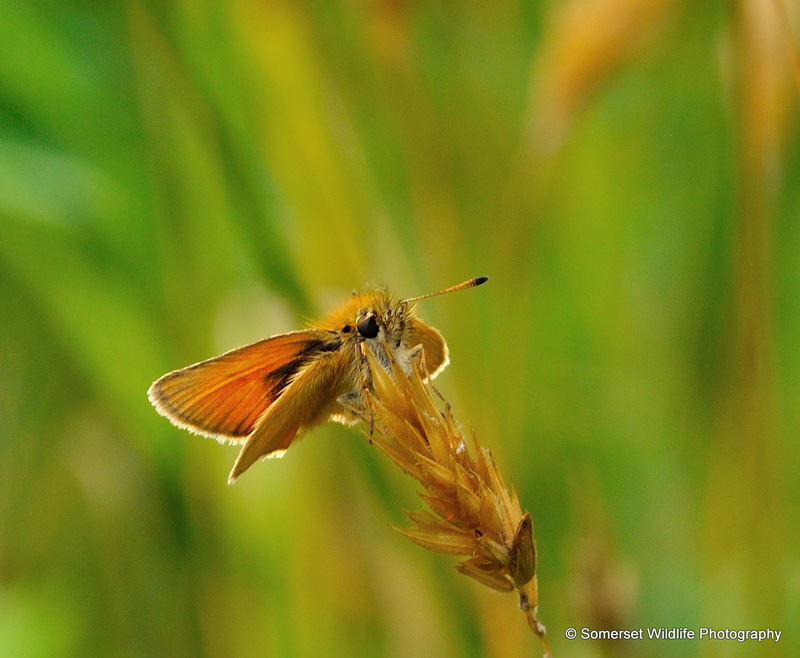
- NAME: Essex Skipper – Thymelicus lineola / WINGSPAN: 28mm / FLIGHT TIME: July-August / HABITAT: rough grassland, including road verges, woodland rides, chalk grassland and embankments / LARVAL FOODPLANT: Grasses such as Couch and Cocks-foot
-
- NAME: Essex Skipper – Thymelicus lineola / WINGSPAN: 28mm / FLIGHT TIME: July-August / HABITAT: rough grassland, including road verges, woodland rides, chalk grassland and embankments / LARVAL FOODPLANT: Grasses such as Couch and Cocks-foot
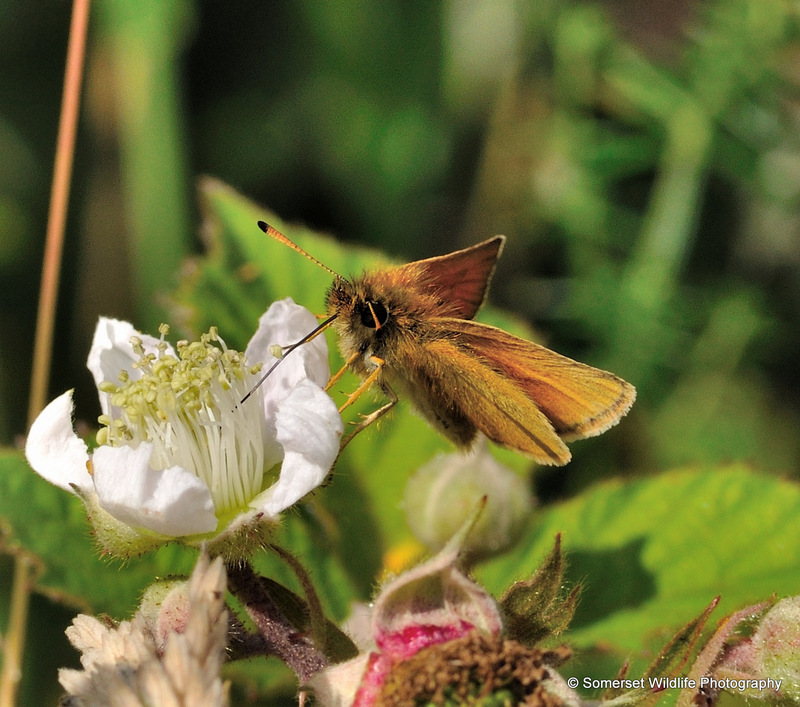
-
- NAME: Essex Skipper – Thymelicus lineola / WINGSPAN: 28mm / FLIGHT TIME: July-August / HABITAT: rough grassland, including road verges, woodland rides, chalk grassland and embankments / LARVAL FOODPLANT: Grasses such as Couch and Cocks-foot
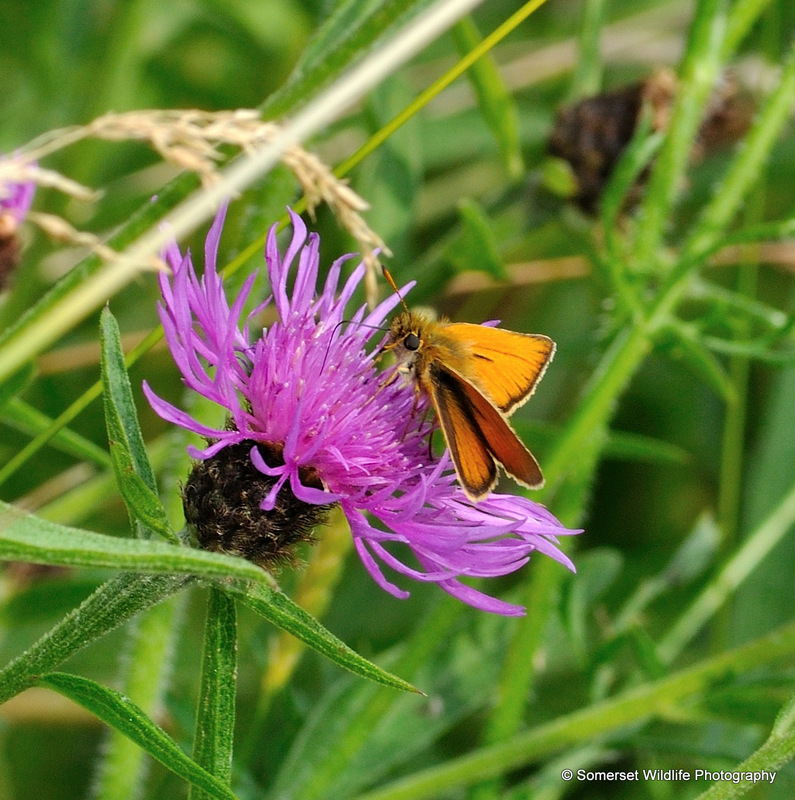
-
- NAME: Grizzled Skipper – Pyrgus malvae / WINGSPAN: 25mm / FLIGHT TIME: April-June (occassional second brood) / HABITAT: warm areas with shelter and sparse vegetation such as chalk downland, woodland edges, woodland clearings, large woodland rides, unimproved grassland, hillsides, valleys and occasionally heathland/ LARVAL FOODPLANT: The main larval foodplants are Agrimony (Agrimonia eupatoria), Creeping Cinquefoil (Potentilla reptans) and Wild Strawberry (Fragaria vesca) but others, such as Bramble, are used

-
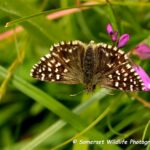
- NAME: Grizzled Skipper – Pyrgus malvae / WINGSPAN: 25mm / FLIGHT TIME: April-June (occassional second brood) / HABITAT: warm areas with shelter and sparse vegetation such as chalk downland, woodland edges, woodland clearings, large woodland rides, unimproved grassland, hillsides, valleys and occasionally heathland/ LARVAL FOODPLANT: The main larval foodplants are Agrimony (Agrimonia eupatoria), Creeping Cinquefoil (Potentilla reptans) and Wild Strawberry (Fragaria vesca) but others, such as Bramble, are used
-
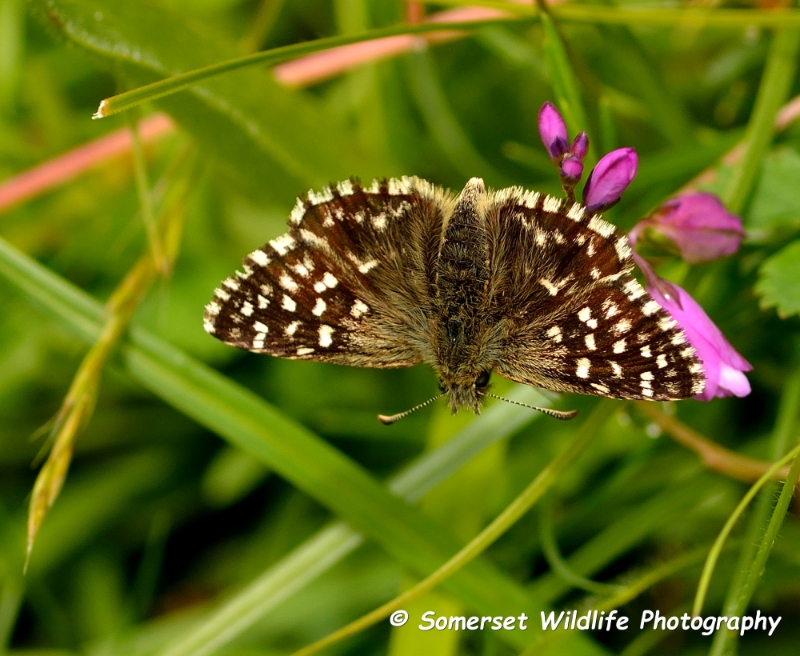
- NAME: Grizzled Skipper – Pyrgus malvae / WINGSPAN: 25mm / FLIGHT TIME: April-June (occassional second brood) / HABITAT: warm areas with shelter and sparse vegetation such as chalk downland, woodland edges, woodland clearings, large woodland rides, unimproved grassland, hillsides, valleys and occasionally heathland/ LARVAL FOODPLANT: The main larval foodplants are Agrimony (Agrimonia eupatoria), Creeping Cinquefoil (Potentilla reptans) and Wild Strawberry (Fragaria vesca) but others, such as Bramble, are used
-
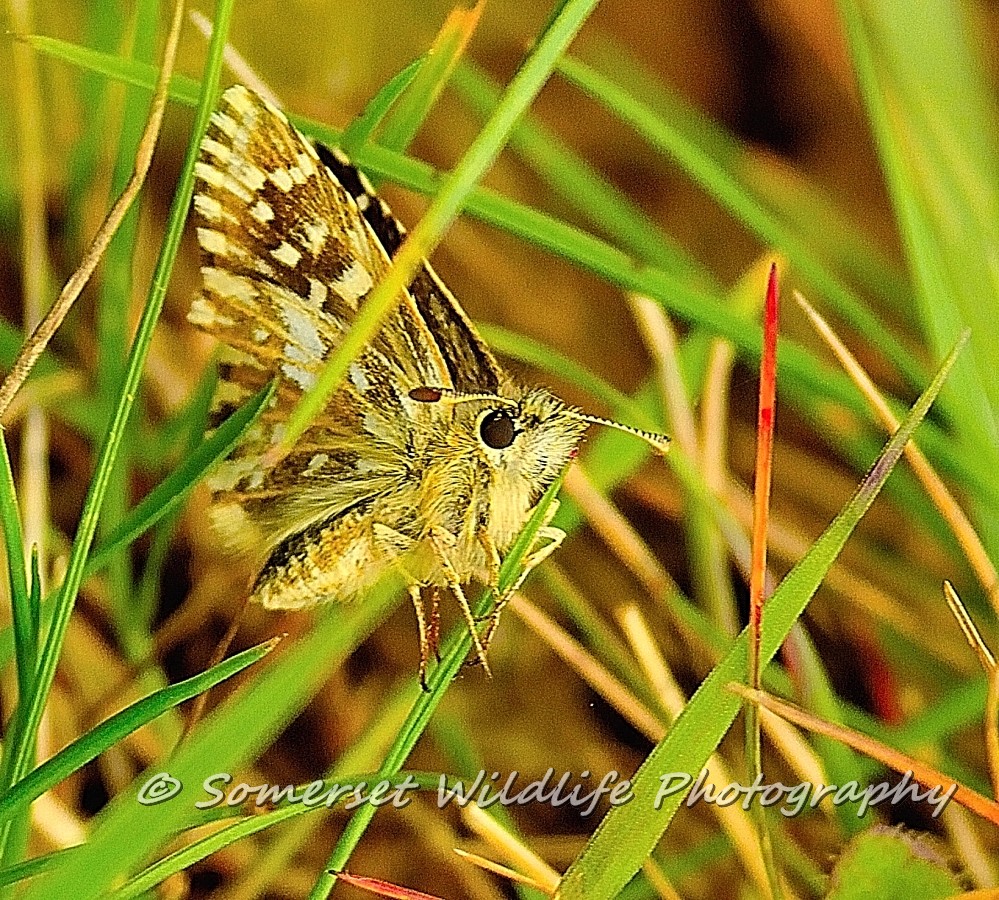
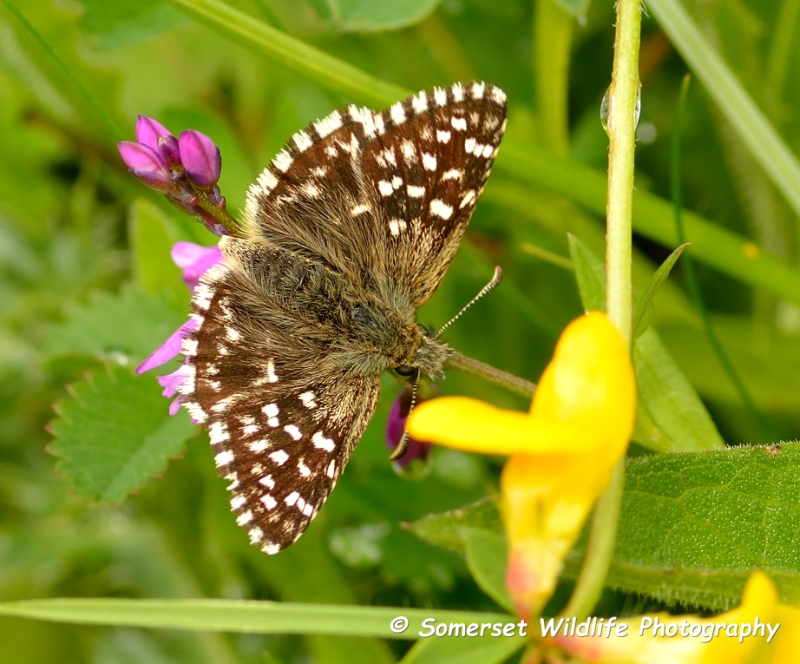
- NAME: Grizzled Skipper – Pyrgus malvae / WINGSPAN: 25mm / FLIGHT TIME: April-June (occassional second brood) / HABITAT: warm areas with shelter and sparse vegetation such as chalk downland, woodland edges, woodland clearings, large woodland rides, unimproved grassland, hillsides, valleys and occasionally heathland/ LARVAL FOODPLANT: The main larval foodplants are Agrimony (Agrimonia eupatoria), Creeping Cinquefoil (Potentilla reptans) and Wild Strawberry (Fragaria vesca) but others, such as Bramble, are used
-
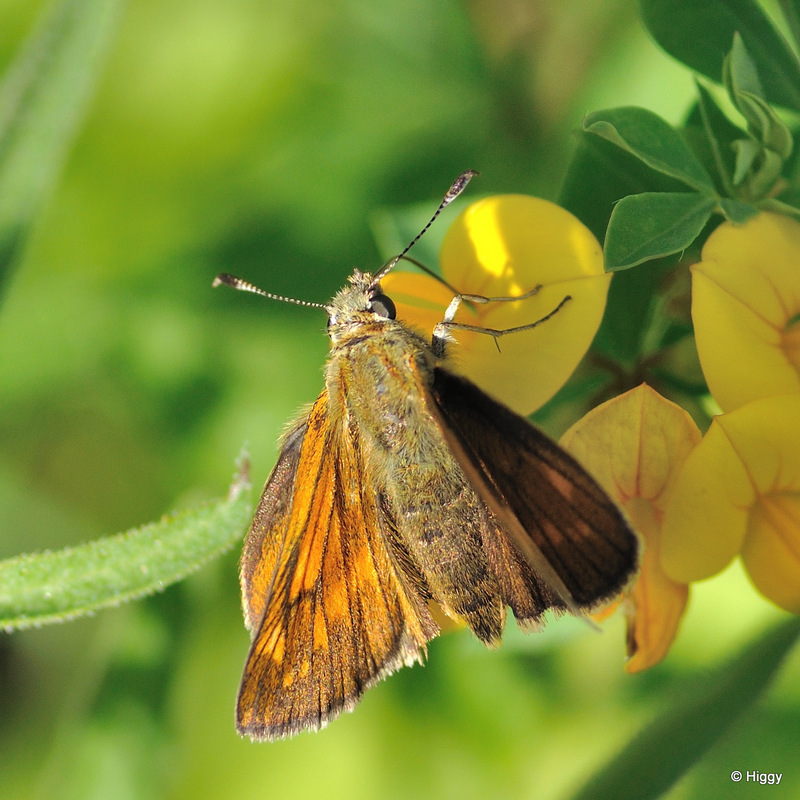
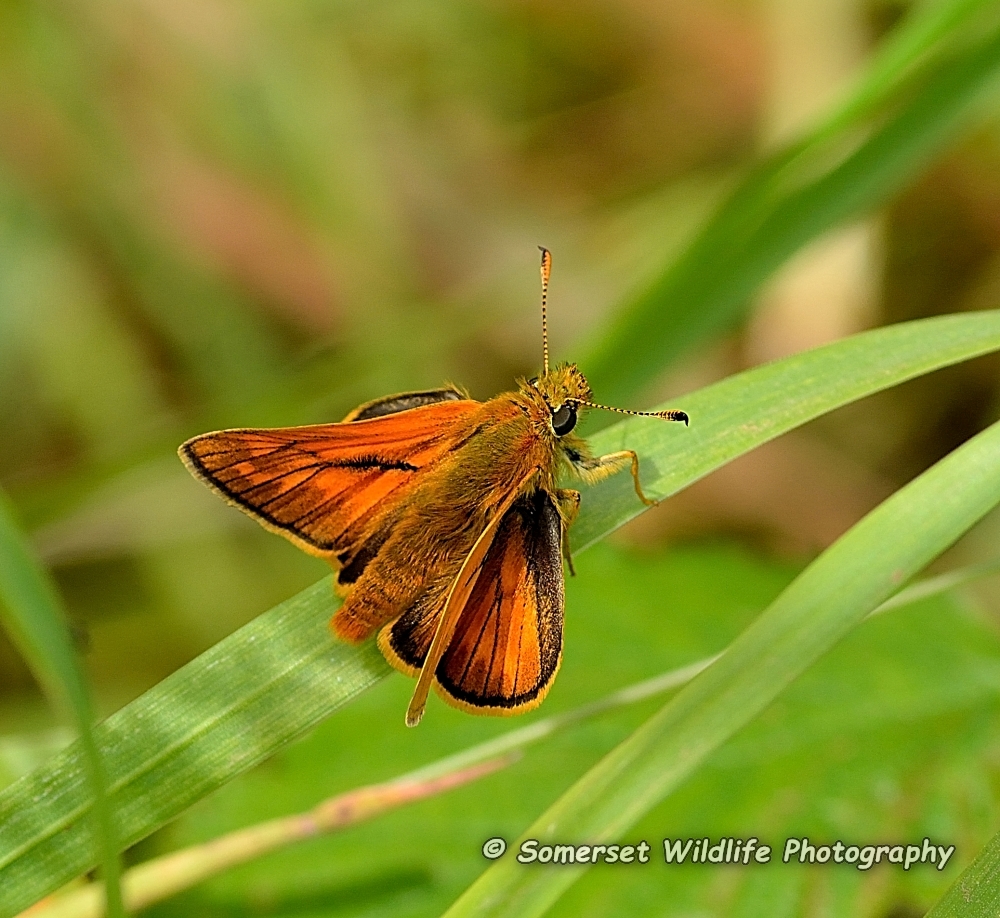
- NAME: Large Skipper – Ochhlode sylvanus / WINGSPAN: 35mm / FLIGHT TIME: June-August / HABITAT: Sheltered areas of grassland, where grasses grow tall. Typical sites include meadows, hedgerows, roadside verges, woodland rides and woodland clearings. It can also be found in urban areas, such as parks and churchyards / LARVAL FOODPLANT: Grass Cock’s-foot (Dactylis glomerata) but other grasses are used.
-

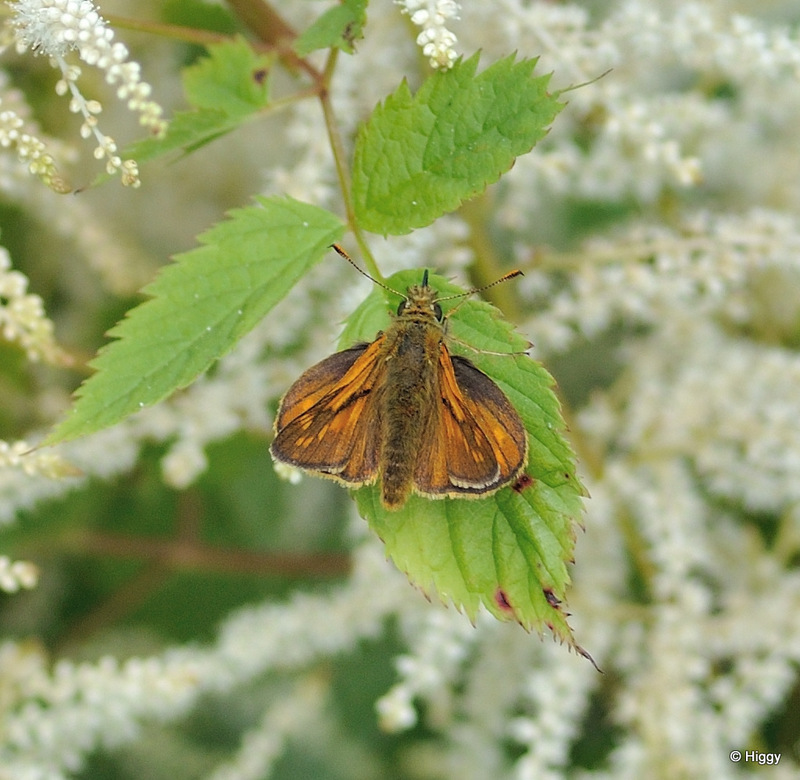
- NAME: Large Skipper – Ochhlode sylvanus / WINGSPAN: 35mm / FLIGHT TIME: June-August / HABITAT: Sheltered areas of grassland, where grasses grow tall. Typical sites include meadows, hedgerows, roadside verges, woodland rides and woodland clearings. It can also be found in urban areas, such as parks and churchyards / LARVAL FOODPLANT: Grass Cock’s-foot (Dactylis glomerata) but other grasses are used.
-

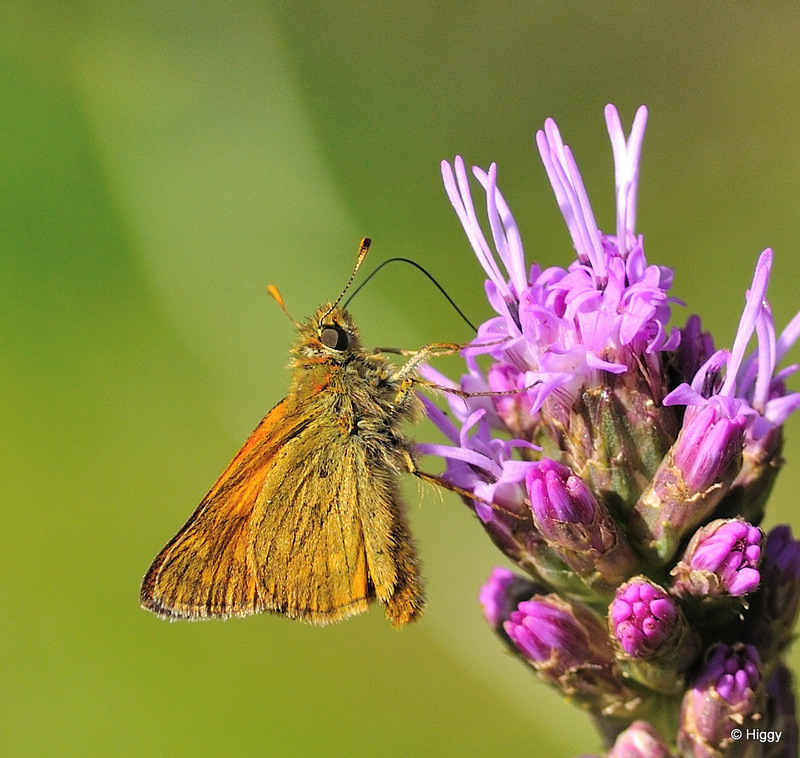
- NAME: Large Skipper – Ochhlode sylvanus / WINGSPAN: 35mm / FLIGHT TIME: June-August / HABITAT: Sheltered areas of grassland, where grasses grow tall. Typical sites include meadows, hedgerows, roadside verges, woodland rides and woodland clearings. It can also be found in urban areas, such as parks and churchyards / LARVAL FOODPLANT: Grass Cock’s-foot (Dactylis glomerata) but other grasses are used.
-
- NAME: Large Skipper – Ochhlode sylvanus / WINGSPAN: 35mm / FLIGHT TIME: June-August / HABITAT: Sheltered areas of grassland, where grasses grow tall. Typical sites include meadows, hedgerows, roadside verges, woodland rides and woodland clearings. It can also be found in urban areas, such as parks and churchyards / LARVAL FOODPLANT: Grass Cock’s-foot (Dactylis glomerata) but other grasses are used.
-
- NAME: Large Skipper – Ochhlode sylvanus / WINGSPAN: 35mm / FLIGHT TIME: June-August / HABITAT: Sheltered areas of grassland, where grasses grow tall. Typical sites include meadows, hedgerows, roadside verges, woodland rides and woodland clearings. It can also be found in urban areas, such as parks and churchyards / LARVAL FOODPLANT: Grass Cock’s-foot (Dactylis glomerata) but other grasses are used.
-

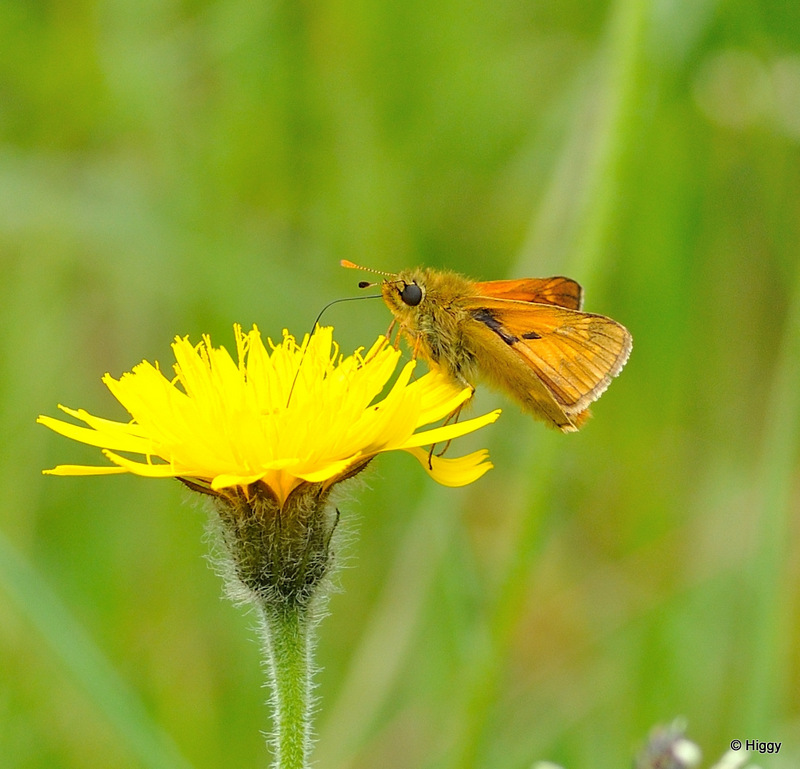
- NAME: Large Skipper – Ochhlode sylvanus / WINGSPAN: 35mm / FLIGHT TIME: June-August / HABITAT: Sheltered areas of grassland, where grasses grow tall. Typical sites include meadows, hedgerows, roadside verges, woodland rides and woodland clearings. It can also be found in urban areas, such as parks and churchyards / LARVAL FOODPLANT: Grass Cock’s-foot (Dactylis glomerata) but other grasses are used.
-
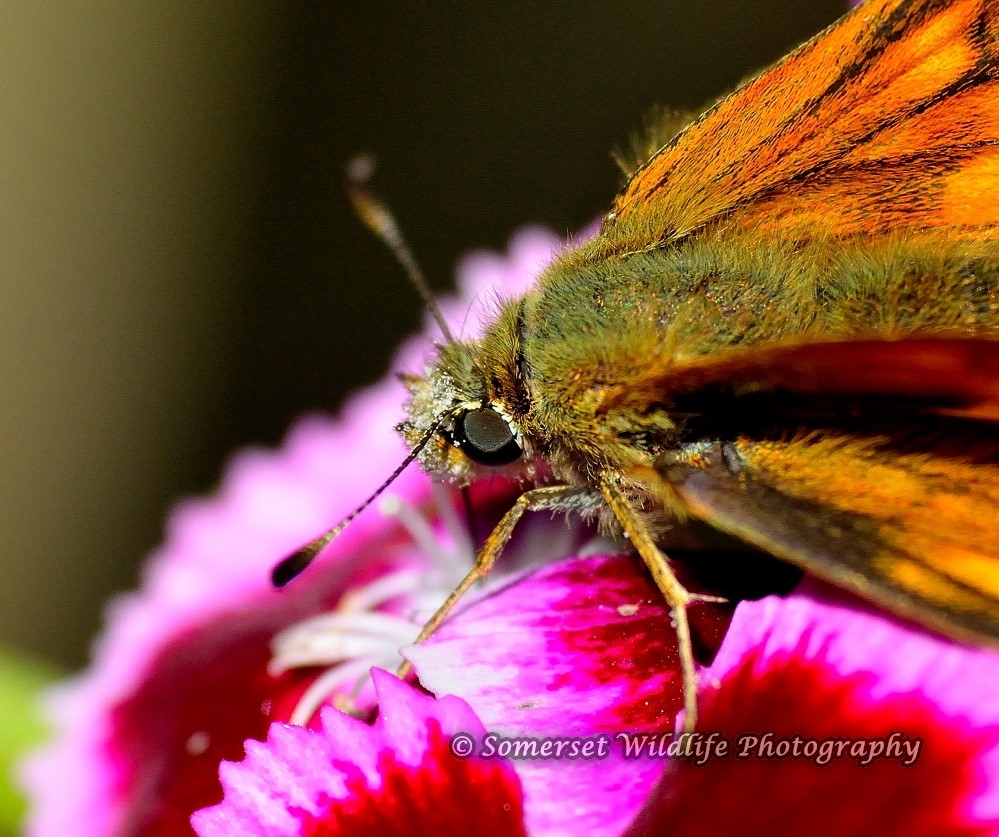
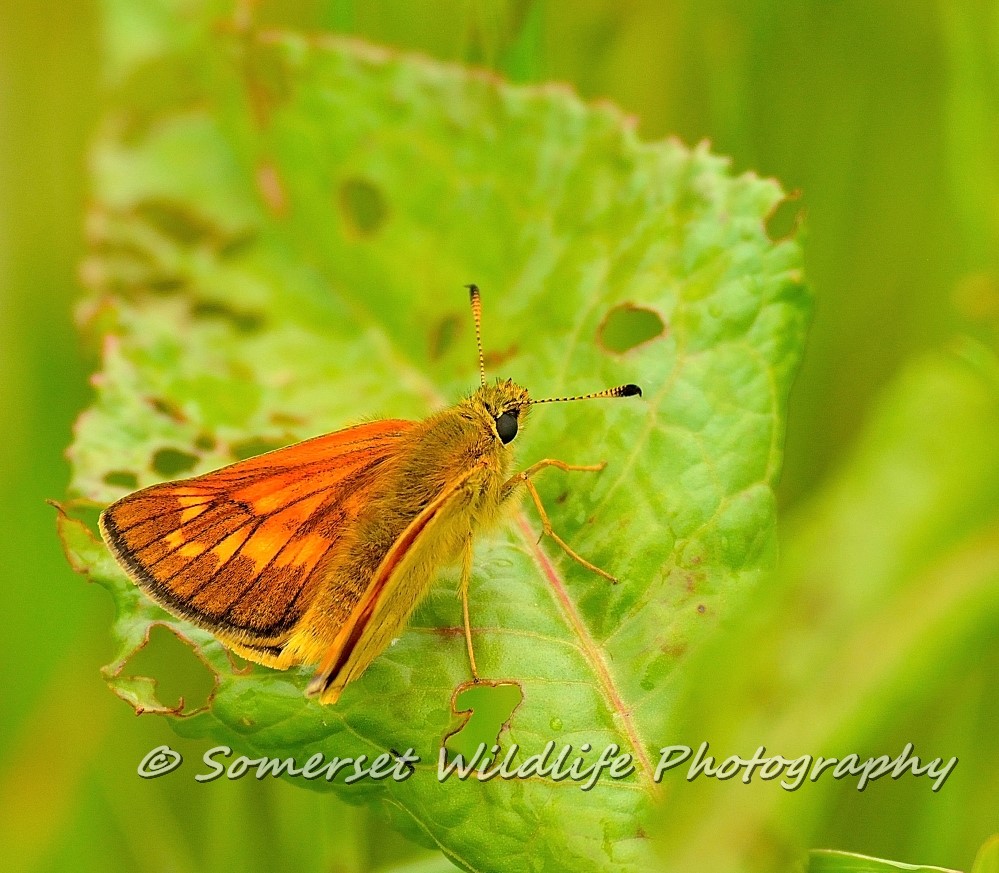
- NAME: Large Skipper – Ochhlode sylvanus / WINGSPAN: 35mm / FLIGHT TIME: June-August / HABITAT: Sheltered areas of grassland, where grasses grow tall. Typical sites include meadows, hedgerows, roadside verges, woodland rides and woodland clearings. It can also be found in urban areas, such as parks and churchyards / LARVAL FOODPLANT: Grass Cock’s-foot (Dactylis glomerata) but other grasses are used.
-

- NAME: Large Skipper – Ochhlode sylvanus / WINGSPAN: 35mm / FLIGHT TIME: June-August / HABITAT: Sheltered areas of grassland, where grasses grow tall. Typical sites include meadows, hedgerows, roadside verges, woodland rides and woodland clearings. It can also be found in urban areas, such as parks and churchyards / LARVAL FOODPLANT: Grass Cock’s-foot (Dactylis glomerata) but other grasses are used.

-

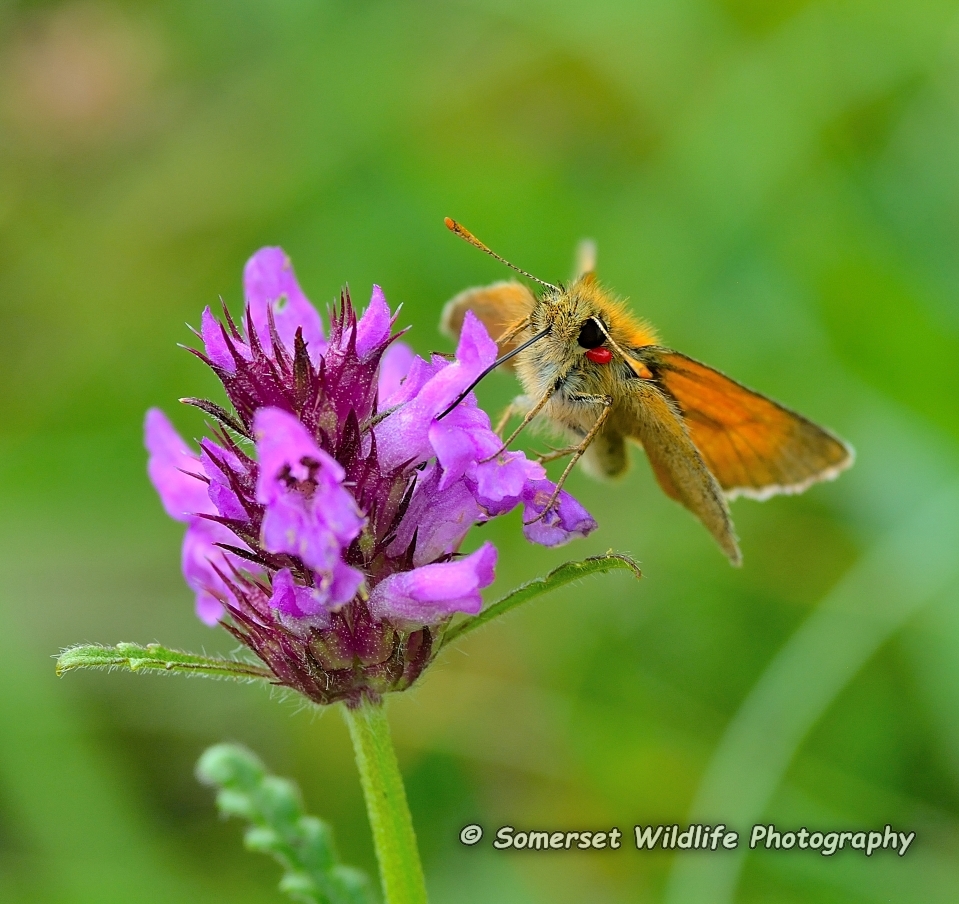
- NAME: Small Skipper – Thymelicus sylvestris / WINGSPAN: 28mm / FLIGHT TIME: June-August / HABITAT: Rough grassland, where tall grasses grow, and may occur on roadside verges, beside hedgerows, on overgrown downland, in woodland clearings and along woodland rides / LARVAL FOODPLANT: Yorkshire-fog, a common grass in the British Isles, although other grasses are also used.

-
- NAME: Small Skipper – Thymelicus sylvestris / WINGSPAN: 28mm / FLIGHT TIME: June-August / HABITAT: Rough grassland, where tall grasses grow, and may occur on roadside verges, beside hedgerows, on overgrown downland, in woodland clearings and along woodland rides / LARVAL FOODPLANT: Yorkshire-fog, a common grass in the British Isles, although other grasses are also used.

-
- NAME: Small Skipper – Thymelicus sylvestris / WINGSPAN: 28mm / FLIGHT TIME: June-August / HABITAT: Rough grassland, where tall grasses grow, and may occur on roadside verges, beside hedgerows, on overgrown downland, in woodland clearings and along woodland rides / LARVAL FOODPLANT: Yorkshire-fog, a common grass in the British Isles, although other grasses are also used.
-
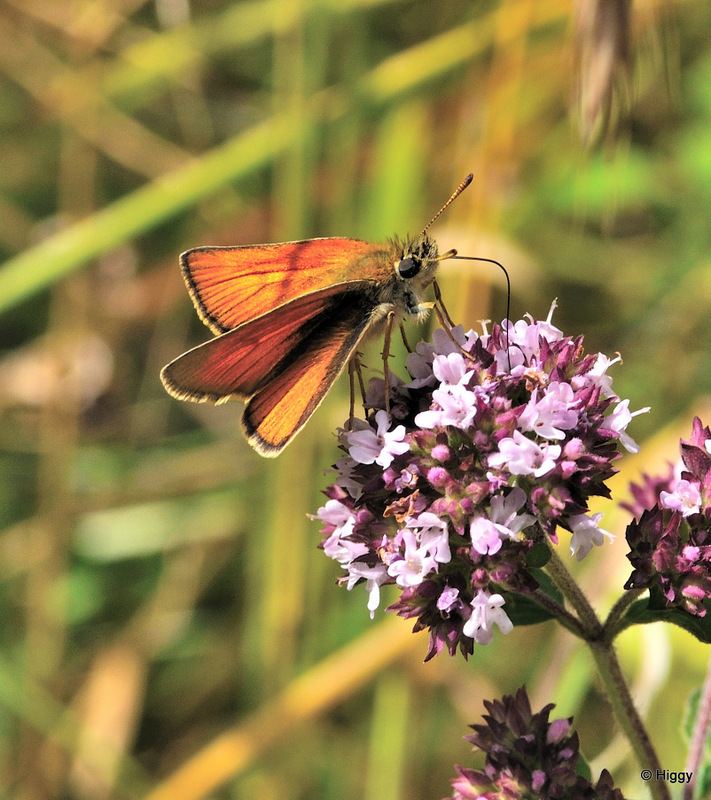
- NAME: Small Skipper – Thymelicus sylvestris / WINGSPAN: 28mm / FLIGHT TIME: June-August / HABITAT: Rough grassland, where tall grasses grow, and may occur on roadside verges, beside hedgerows, on overgrown downland, in woodland clearings and along woodland rides / LARVAL FOODPLANT: Yorkshire-fog, a common grass in the British Isles, although other grasses are also used.
-
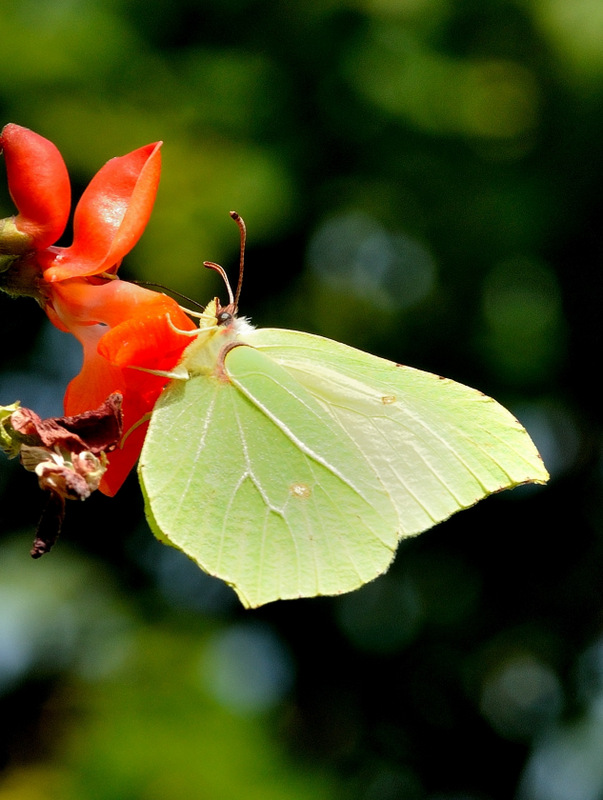
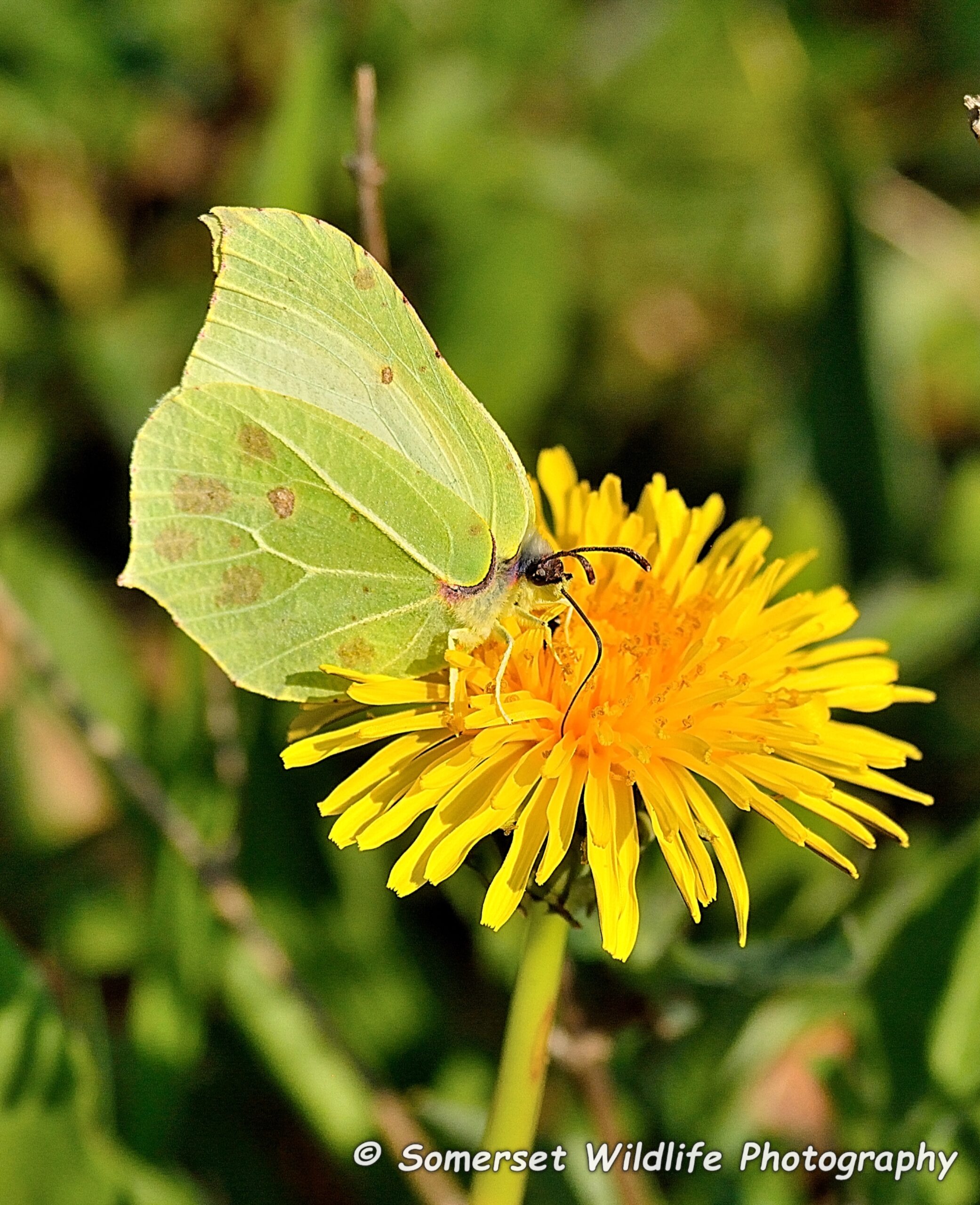
- NAME: Brimstone – Gonepteryx rhamni / WINGSPAN: 60mm / FLIGHT TIME: April-August but all year as overwinters as adult / HABITAT: Any habitat as it wanders good distances / LARVAL FOODPLANT: Buckthorn and Alder Buckthorn
-

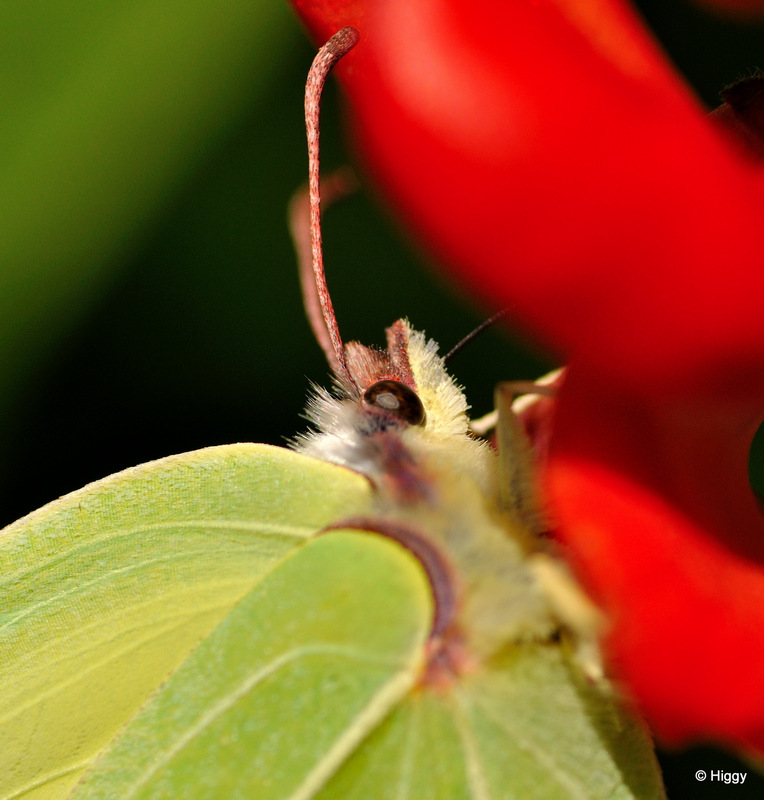
- NAME: Brimstone – Gonepteryx rhamni / WINGSPAN: 60mm / FLIGHT TIME: April-August but all year as overwinters as adult / HABITAT: Any habitat as it wanders good distances / LARVAL FOODPLANT: Buckthorn and Alder Buckthorn
-
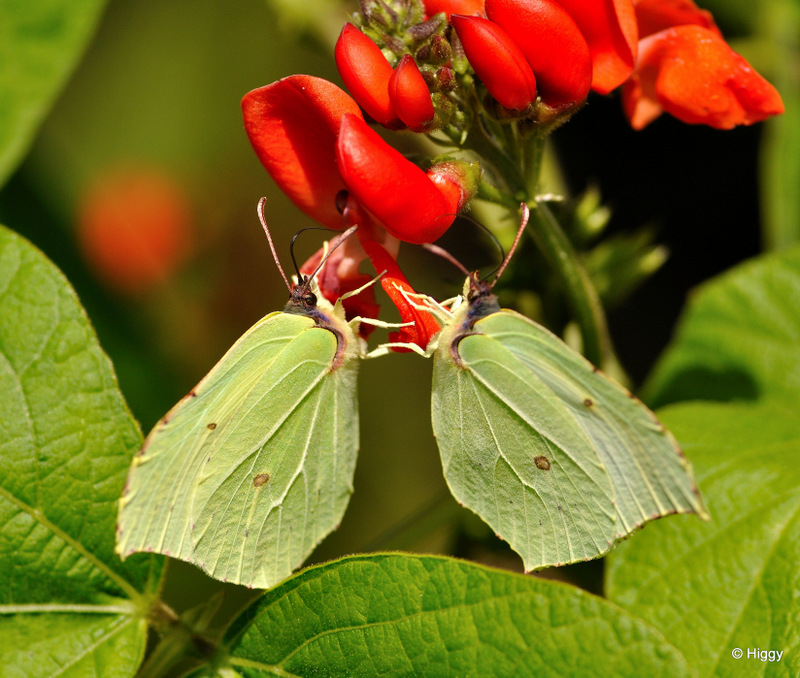
- NAME: Brimstone – Gonepteryx rhamni / WINGSPAN: 60mm / FLIGHT TIME: April-August but all year as overwinters as adult / HABITAT: Any habitat as it wanders good distances / LARVAL FOODPLANT: Buckthorn and Alder Buckthorn
-

- NAME: Brimstone – Gonepteryx rhamni / WINGSPAN: 60mm / FLIGHT TIME: April-August but all year as overwinters as adult / HABITAT: Any habitat as it wanders good distances / LARVAL FOODPLANT: Buckthorn and Alder Buckthorn

-
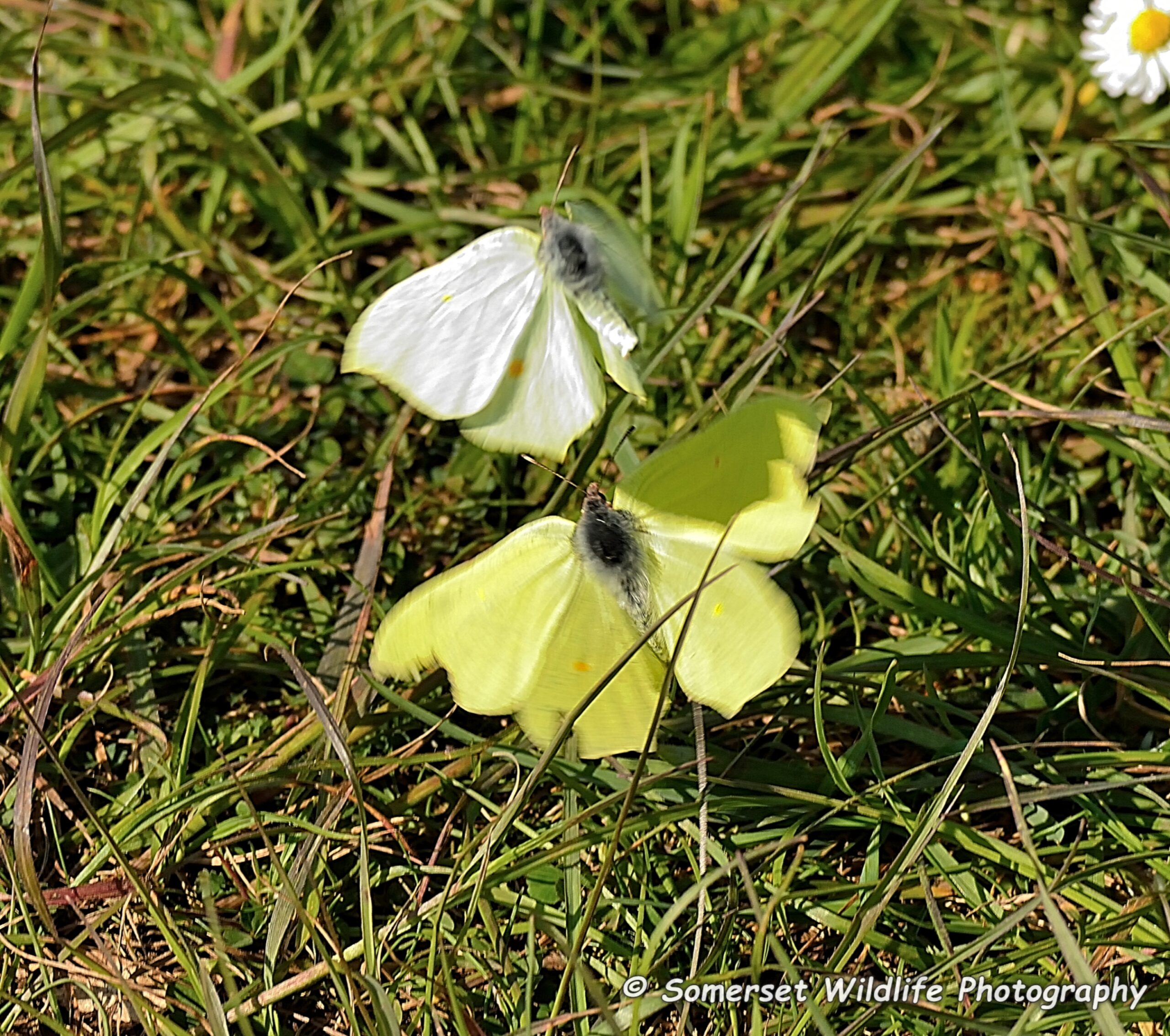
- NAME: Brimstone – Gonepteryx rhamni / WINGSPAN: 60mm / FLIGHT TIME: April-August but all year as overwinters as adult / HABITAT: Any habitat as it wanders good distances / LARVAL FOODPLANT: Buckthorn and Alder Buckthorn
-
- NAME: Brimstone – Gonepteryx rhamni / WINGSPAN: 60mm / FLIGHT TIME: April-August but all year as overwinters as adult / HABITAT: Any habitat as it wanders good distances / LARVAL FOODPLANT: Buckthorn and Alder Buckthorn

-
- NAME: Brimstone – Gonepteryx rhamni / WINGSPAN: 60mm / FLIGHT TIME: April-August but all year as overwinters as adult / HABITAT: Any habitat as it wanders good distances / LARVAL FOODPLANT: Buckthorn and Alder Buckthorn
-
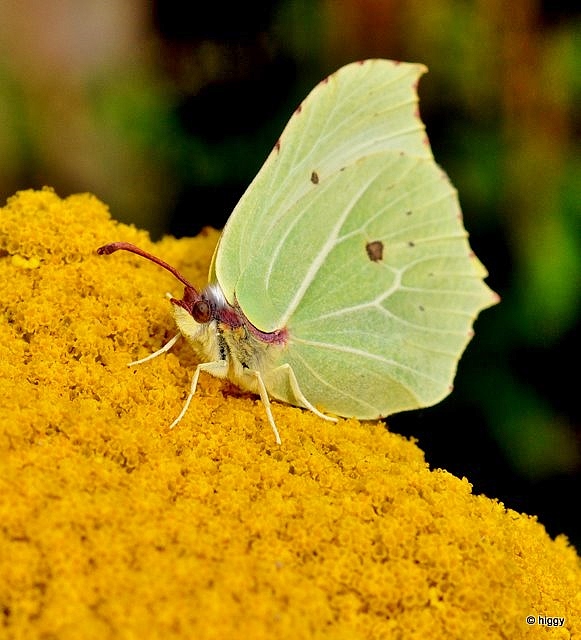
- NAME: Brimstone – Gonepteryx rhamni / WINGSPAN: 60mm / FLIGHT TIME: April-August but all year as overwinters as adult / HABITAT: Any habitat as it wanders good distances / LARVAL FOODPLANT: Buckthorn and Alder Buckthorn
-
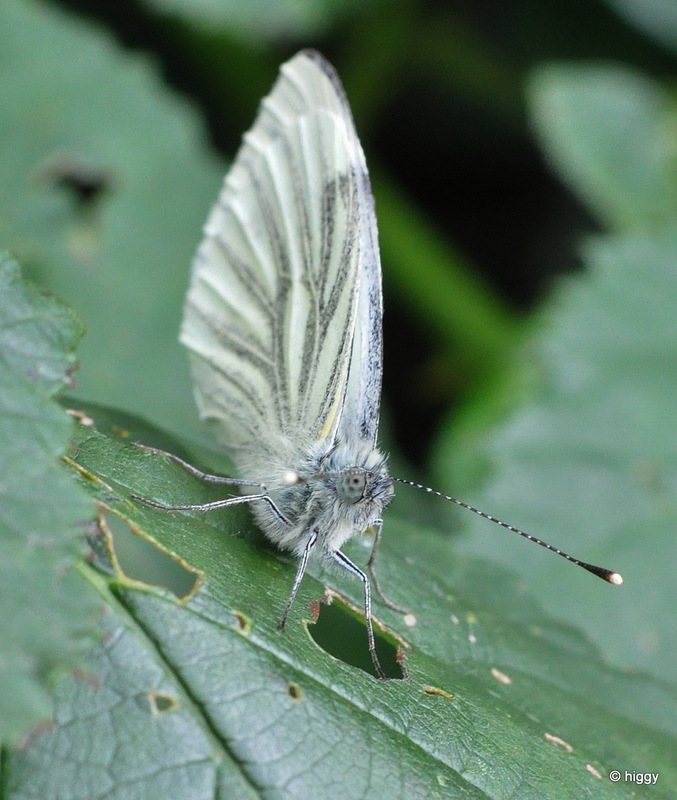
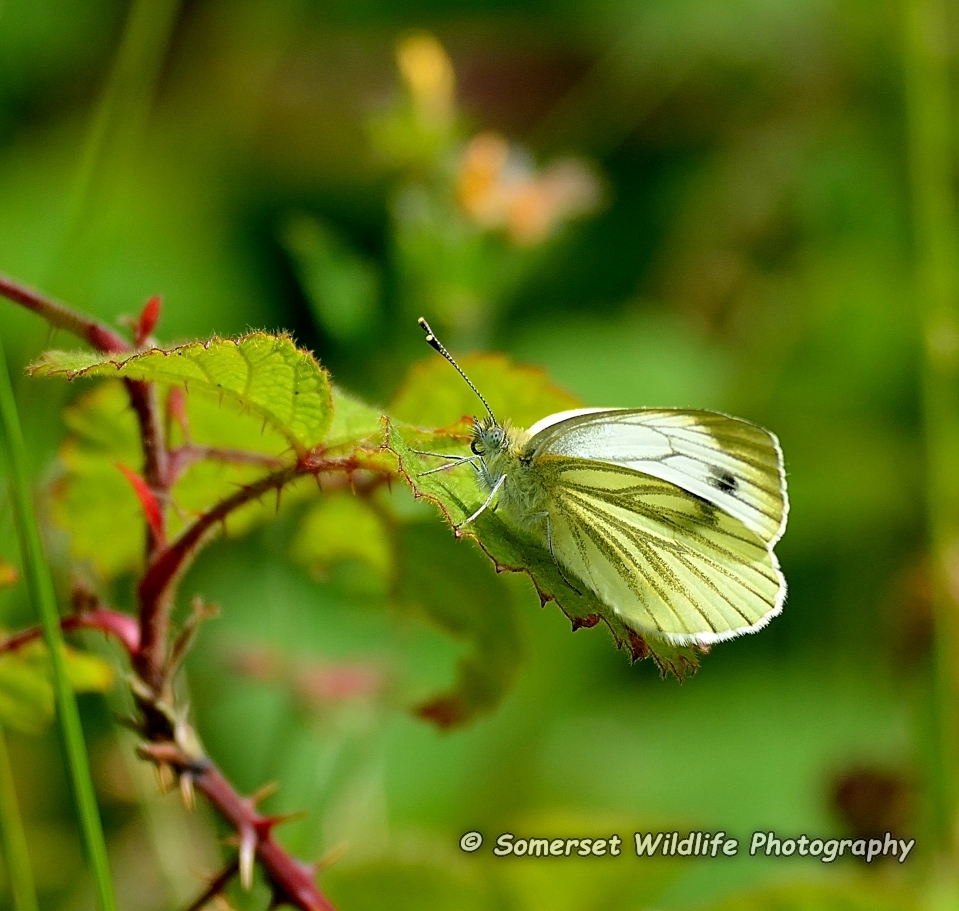
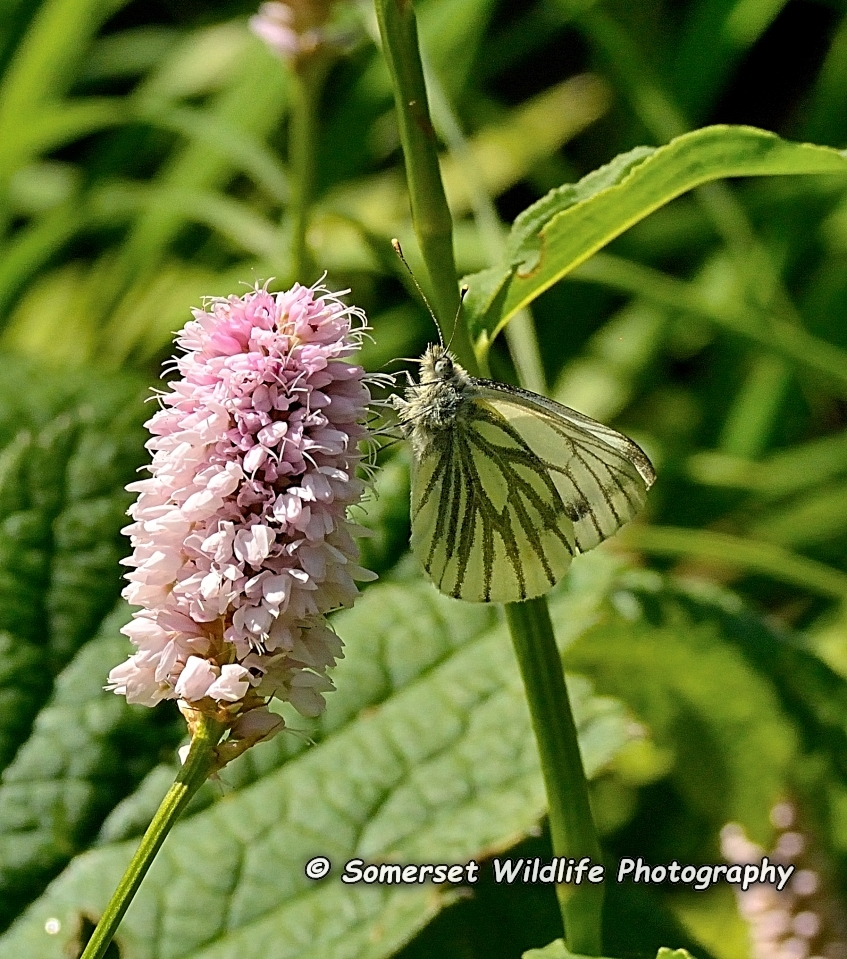
- NAME: Green Veined White – Artogeia rapae / WINGSPAN: 45mm / FLIGHT TIME: April-September / HABITAT: Damp woodland, damp meadows and Moorland / LARVAL FOODPLANT: A range of wild crucifers is used: Garlic Mustard (Alliaria petiolata), Cuckooflower (Cardamine pratensis), Hedge Mustard (Sisymbrium officinale) Water- cress (Rorippa nasturtium-aquaticum), Charlock (Sinapis arvensis), Large Bitter-cress (C. amara), Wild Cabbage (Brassica oleracea), and Wild Radish (Raphanus raphanistrum). Nasturtium (Tropaeolum majus) and cultivated crucifers are used occasionally
-
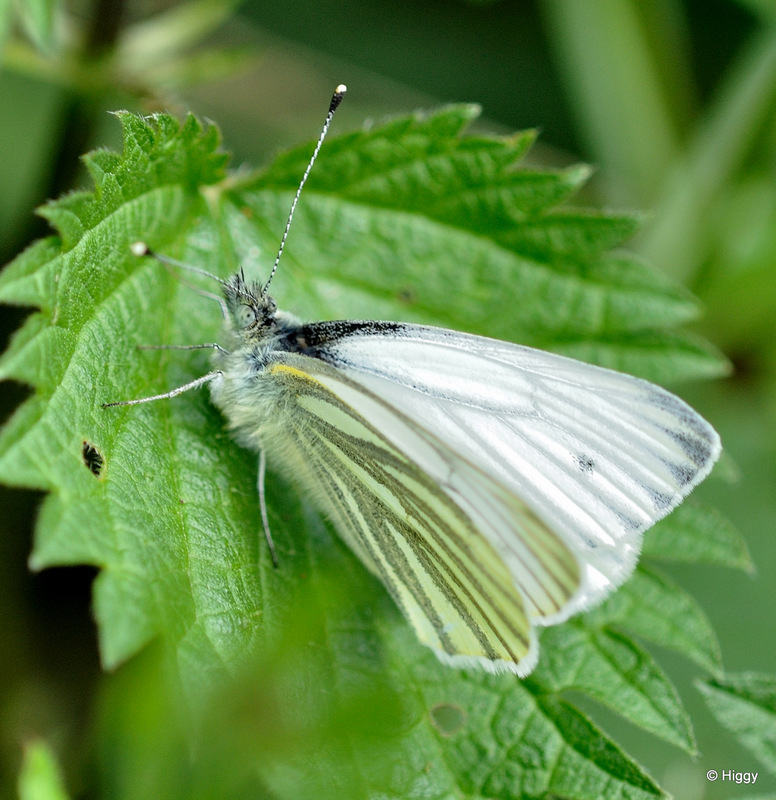
- NAME: Green Veined White – Artogeia rapae / WINGSPAN: 45mm / FLIGHT TIME: April-September / HABITAT: Damp woodland, damp meadows and Moorland / LARVAL FOODPLANT: A range of wild crucifers is used: Garlic Mustard (Alliaria petiolata), Cuckooflower (Cardamine pratensis), Hedge Mustard (Sisymbrium officinale) Water- cress (Rorippa nasturtium-aquaticum), Charlock (Sinapis arvensis), Large Bitter-cress (C. amara), Wild Cabbage (Brassica oleracea), and Wild Radish (Raphanus raphanistrum). Nasturtium (Tropaeolum majus) and cultivated crucifers are used occasionally
-
- NAME: Green Veined White – Artogeia rapae / WINGSPAN: 45mm / FLIGHT TIME: April-September / HABITAT: Damp woodland, damp meadows and Moorland / LARVAL FOODPLANT: A range of wild crucifers is used: Garlic Mustard (Alliaria petiolata), Cuckooflower (Cardamine pratensis), Hedge Mustard (Sisymbrium officinale) Water- cress (Rorippa nasturtium-aquaticum), Charlock (Sinapis arvensis), Large Bitter-cress (C. amara), Wild Cabbage (Brassica oleracea), and Wild Radish (Raphanus raphanistrum). Nasturtium (Tropaeolum majus) and cultivated crucifers are used occasionally
-
- NAME: Green Veined White – Artogeia rapae / WINGSPAN: 45mm / FLIGHT TIME: April-September / HABITAT: Damp woodland, damp meadows and Moorland / LARVAL FOODPLANT: A range of wild crucifers is used: Garlic Mustard (Alliaria petiolata), Cuckooflower (Cardamine pratensis), Hedge Mustard (Sisymbrium officinale) Water- cress (Rorippa nasturtium-aquaticum), Charlock (Sinapis arvensis), Large Bitter-cress (C. amara), Wild Cabbage (Brassica oleracea), and Wild Radish (Raphanus raphanistrum). Nasturtium (Tropaeolum majus) and cultivated crucifers are used occasionally
-

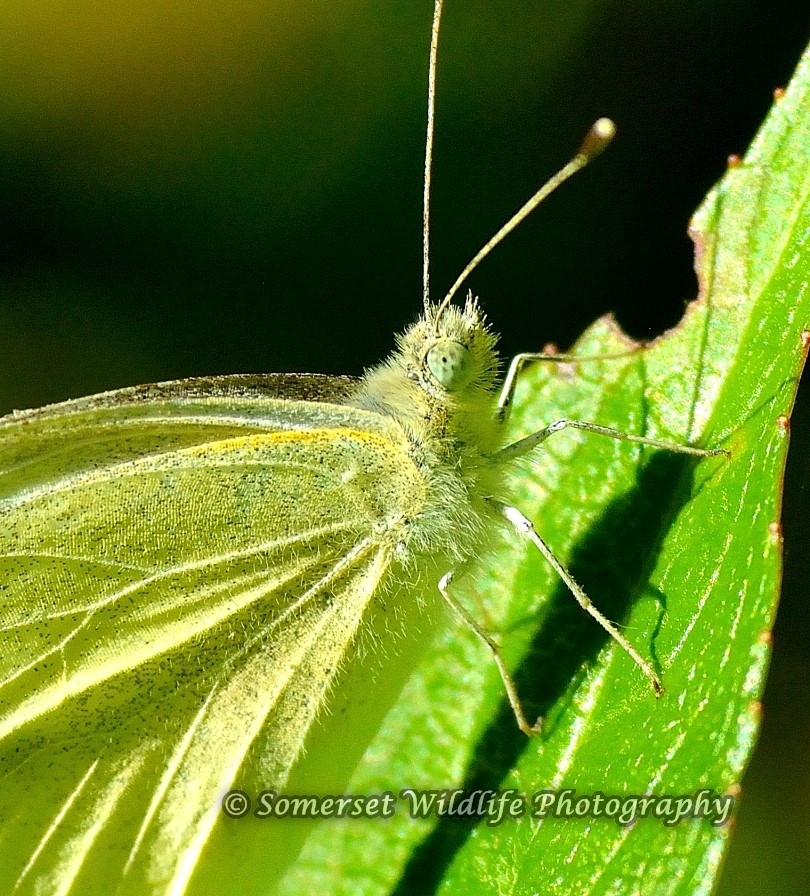
- NAME: Large White – Pieris brassicue / WINGSPAN: 65mm / FLIGHT TIME: April-May second brood July-September / HABITAT: Almost anywhere, including gardens, allotments, parks, meadows, open grassland and hedgerows / LARVAL FOODPLANT: various Crucifers (Cabbage family) but Nasturtium (Tropaeolum majus) may be used

-
- NAME: Large White – Pieris brassicue / WINGSPAN: 65mm / FLIGHT TIME: April-May second brood July-September / HABITAT: Almost anywhere, including gardens, allotments, parks, meadows, open grassland and hedgerows / LARVAL FOODPLANT: various Crucifers (Cabbage family) but Nasturtium (Tropaeolum majus) may be used
-
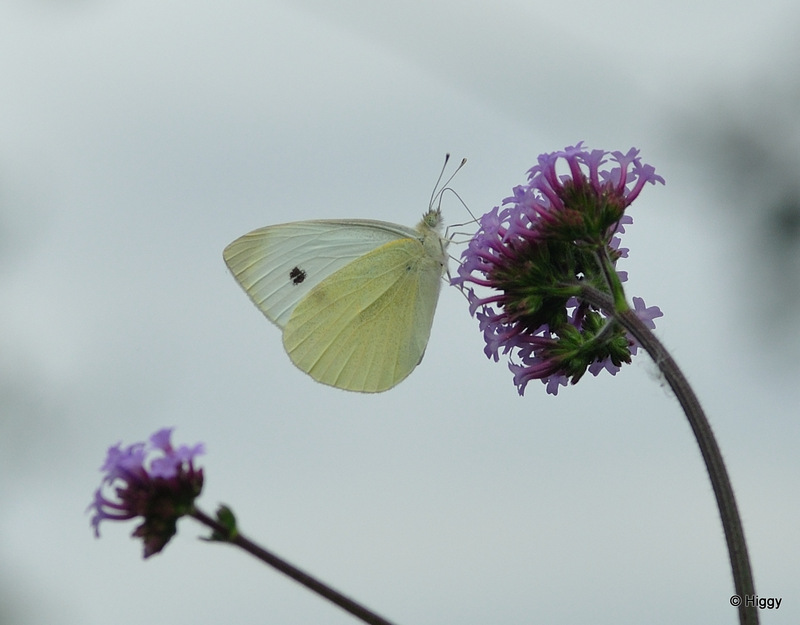
- NAME: Large White – Pieris brassicue / WINGSPAN: 65mm / FLIGHT TIME: April-May second brood July-September / HABITAT: Almost anywhere, including gardens, allotments, parks, meadows, open grassland and hedgerows / LARVAL FOODPLANT: various Crucifers (Cabbage family) but Nasturtium (Tropaeolum majus) may be used
-

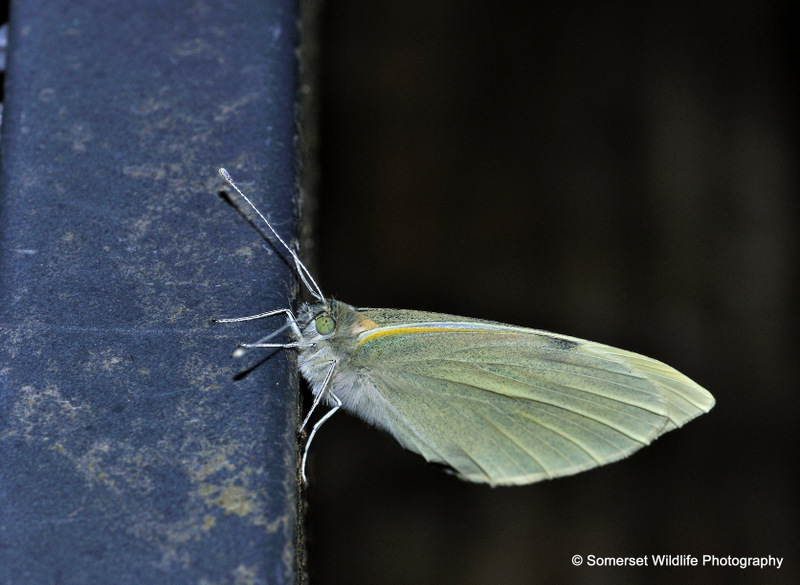
- NAME: Large White – Pieris brassicue / WINGSPAN: 65mm / FLIGHT TIME: April-May second brood July-September / HABITAT: Almost anywhere, including gardens, allotments, parks, meadows, open grassland and hedgerows / LARVAL FOODPLANT: various Crucifers (Cabbage family) but Nasturtium (Tropaeolum majus) may be used
-
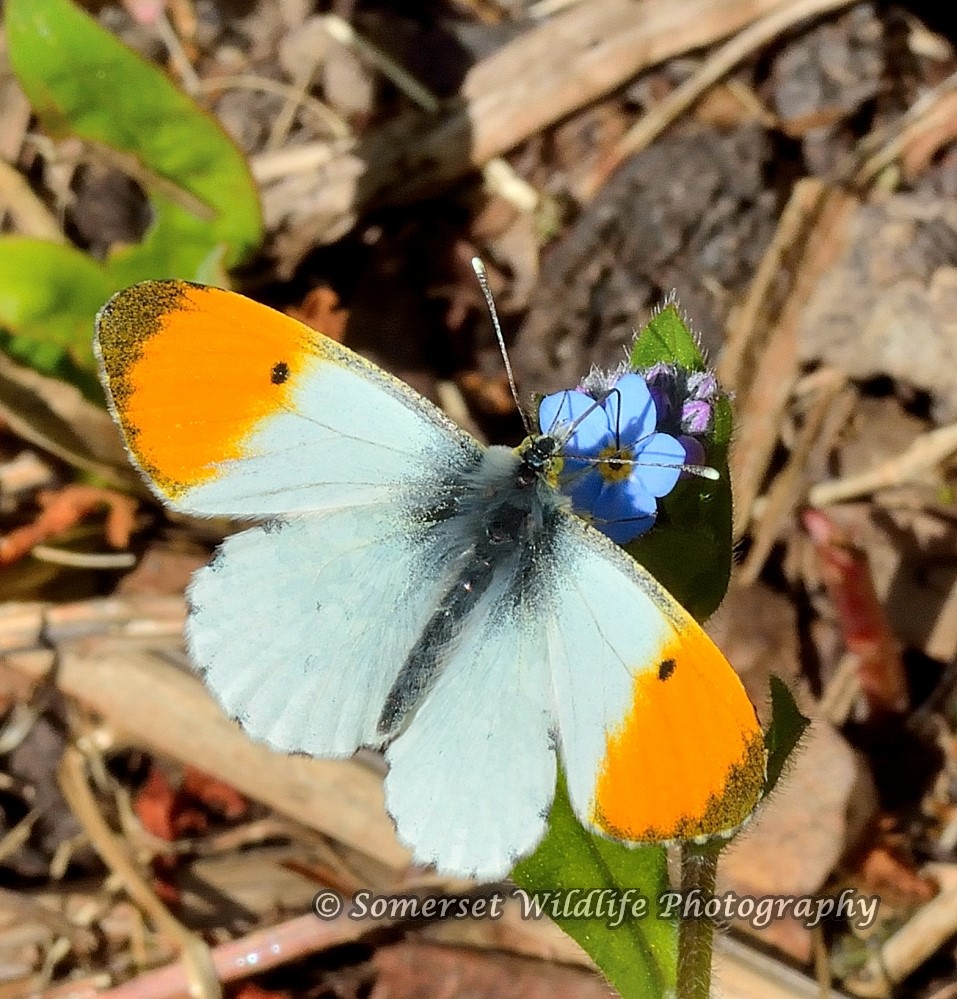
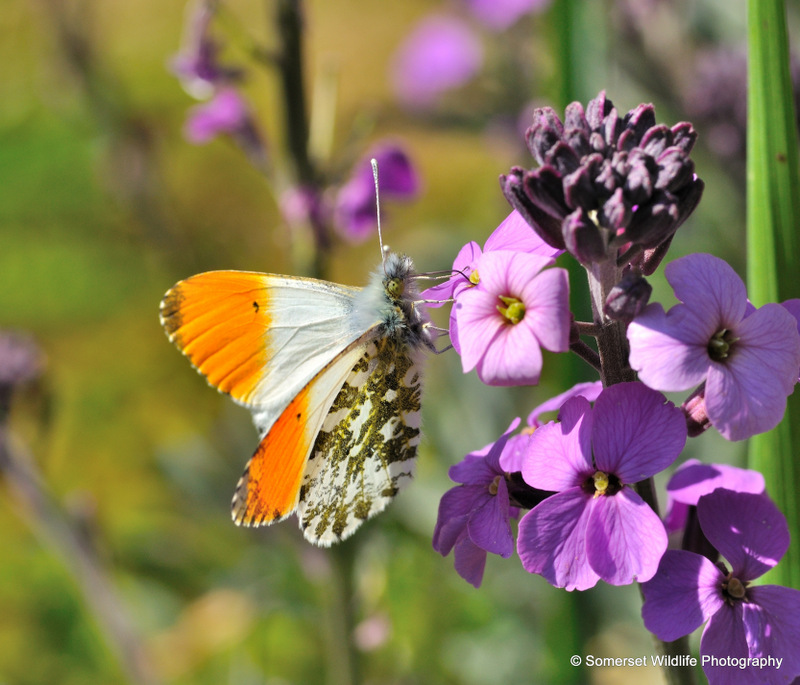
- NAME: Orange-tip – Anthocharis cardamines / WINGSPAN: 45mm / FLIGHT TIME: April-June / HABITAT: Wide range of habitats, which include country lanes, hedgerows, riverbanks, woodland margins and rides and damp meadows and gardens / LARVAL FOODPLANT: Cuckooflower (Cardamine pratensis) and Garlic Mustard (Alliaria petiolata). It overwinters as a pupa.
-
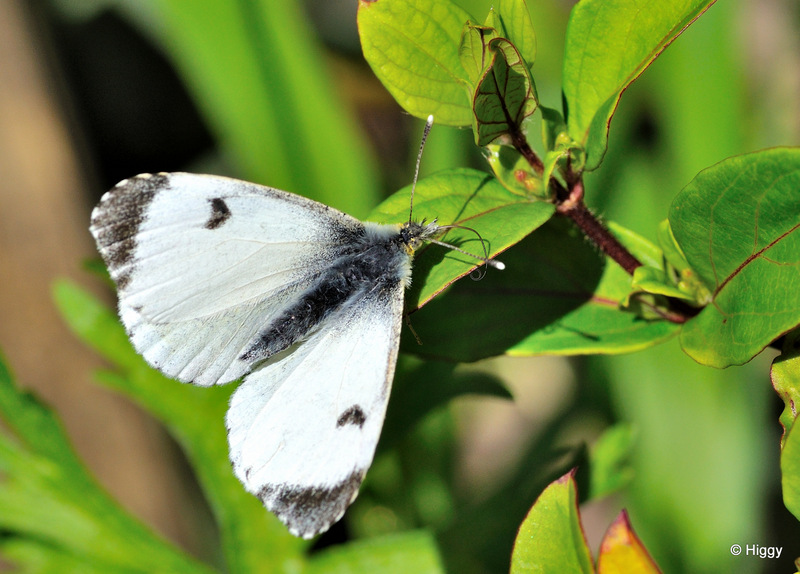
- NAME: Orange-tip – Anthocharis cardamines / WINGSPAN: 45mm / FLIGHT TIME: April-June / HABITAT: Wide range of habitats, which include country lanes, hedgerows, riverbanks, woodland margins and rides and damp meadows and gardens / LARVAL FOODPLANT: Cuckooflower (Cardamine pratensis) and Garlic Mustard (Alliaria petiolata). It overwinters as a pupa.
-

- NAME: Orange-tip – Anthocharis cardamines / WINGSPAN: 45mm / FLIGHT TIME: April-June / HABITAT: Wide range of habitats, which include country lanes, hedgerows, riverbanks, woodland margins and rides and damp meadows and gardens / LARVAL FOODPLANT: Cuckooflower (Cardamine pratensis) and Garlic Mustard (Alliaria petiolata). It overwinters as a pupa.
-
- NAME: Orange-tip – Anthocharis cardamines / WINGSPAN: 45mm / FLIGHT TIME: April-June / HABITAT: Wide range of habitats, which include country lanes, hedgerows, riverbanks, woodland margins and rides and damp meadows and gardens / LARVAL FOODPLANT: Cuckooflower (Cardamine pratensis) and Garlic Mustard (Alliaria petiolata). It overwinters as a pupa.

-

- NAME: Orange-tip – Anthocharis cardamines / WINGSPAN: 45mm / FLIGHT TIME: April-June / HABITAT: Wide range of habitats, which include country lanes, hedgerows, riverbanks, woodland margins and rides and damp meadows and gardens / LARVAL FOODPLANT: Cuckooflower (Cardamine pratensis) and Garlic Mustard (Alliaria petiolata). It overwinters as a pupa.

-

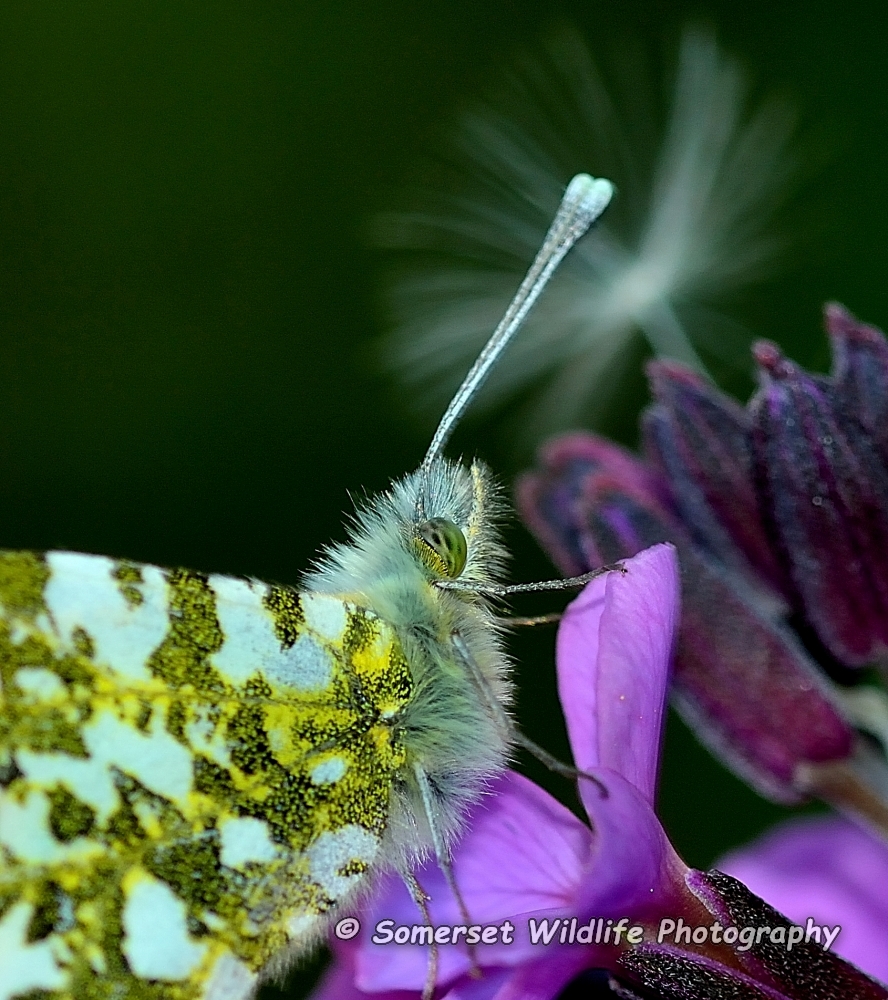
- NAME: Orange-tip – Anthocharis cardamines / WINGSPAN: 45mm / FLIGHT TIME: April-June / HABITAT: Wide range of habitats, which include country lanes, hedgerows, riverbanks, woodland margins and rides and damp meadows and gardens / LARVAL FOODPLANT: Cuckooflower (Cardamine pratensis) and Garlic Mustard (Alliaria petiolata). It overwinters as a pupa.
-
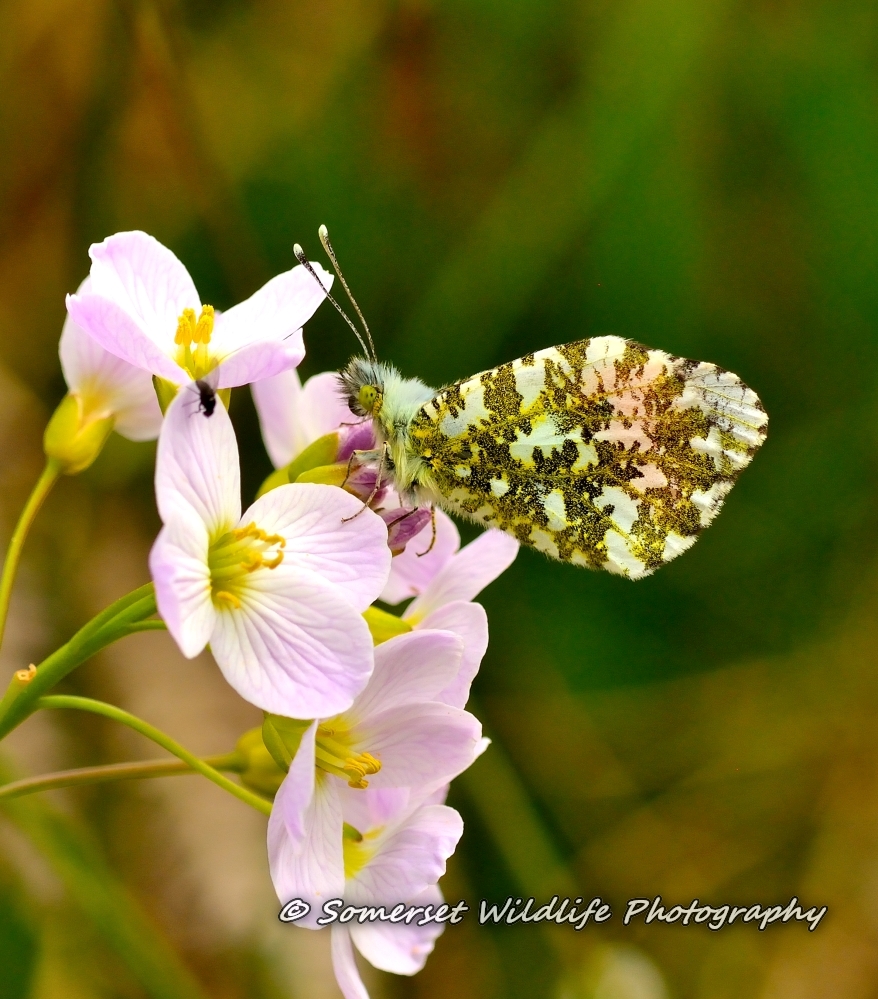
- NAME: Orange-tip – Anthocharis cardamines / WINGSPAN: 45mm / FLIGHT TIME: April-June / HABITAT: Wide range of habitats, which include country lanes, hedgerows, riverbanks, woodland margins and rides and damp meadows and gardens / LARVAL FOODPLANT: Cuckooflower (Cardamine pratensis) and Garlic Mustard (Alliaria petiolata). It overwinters as a pupa.
-
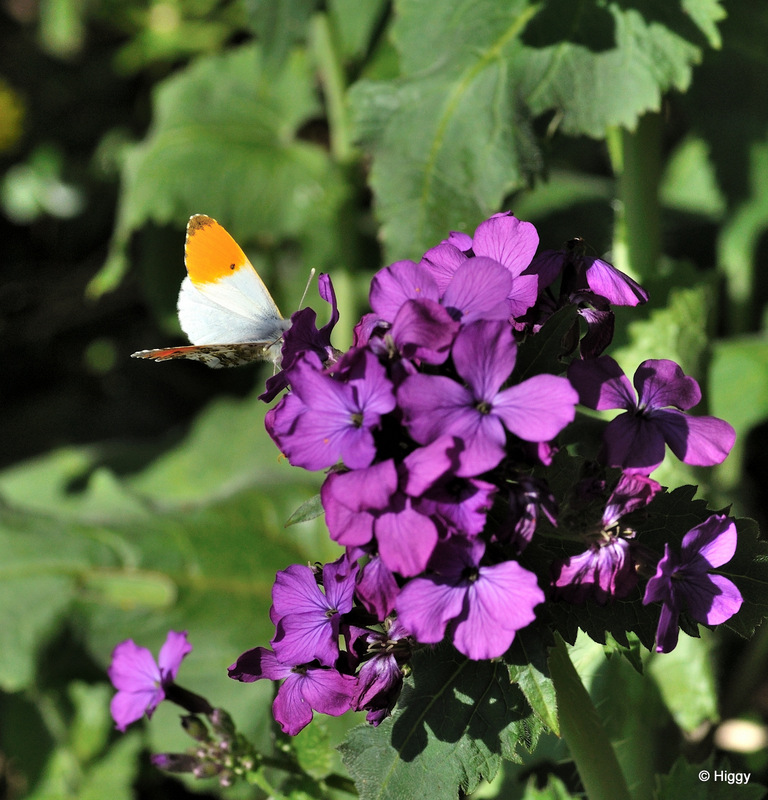
- NAME: Orange-tip – Anthocharis cardamines / WINGSPAN: 45mm / FLIGHT TIME: April-June / HABITAT: Wide range of habitats, which include country lanes, hedgerows, riverbanks, woodland margins and rides and damp meadows and gardens / LARVAL FOODPLANT: Cuckooflower (Cardamine pratensis) and Garlic Mustard (Alliaria petiolata). It overwinters as a pupa.
-

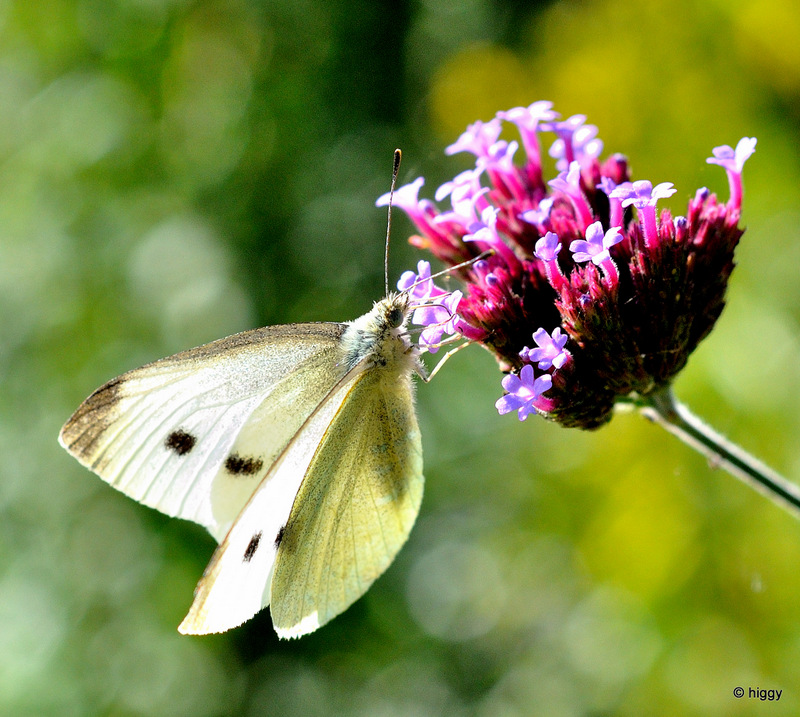
- NAME: Small White – Pieris rapae / WINGSPAN: 50mm / FLIGHT TIME: April-September (two broods) / HABITAT: A wide variety of habitats and can turn up almost anywhere, including gardens, allotments, parks, meadows, open grassland and hedgerows / LARVAL FOODPLANT: The main larval food plants are various crucifers and nasturtium
-

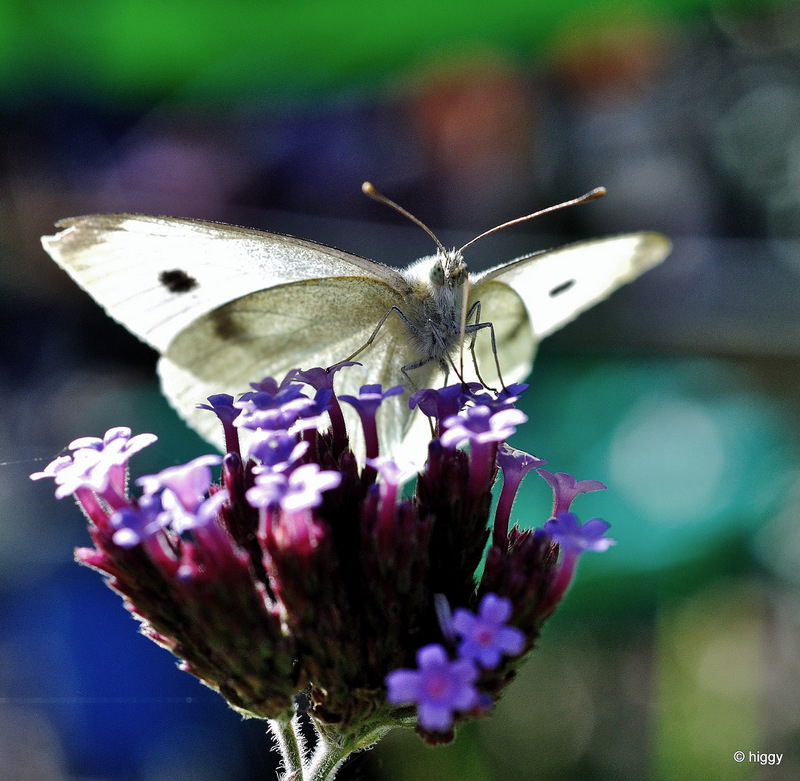
- NAME: Small White – Pieris rapae / WINGSPAN: 50mm / FLIGHT TIME: April-September (two broods) / HABITAT: A wide variety of habitats and can turn up almost anywhere, including gardens, allotments, parks, meadows, open grassland and hedgerows / LARVAL FOODPLANT: The main larval food plants are various crucifers and nasturtium
-
- NAME: Small White – Pieris rapae / WINGSPAN: 50mm / FLIGHT TIME: April-September (two broods) / HABITAT: A wide variety of habitats and can turn up almost anywhere, including gardens, allotments, parks, meadows, open grassland and hedgerows / LARVAL FOODPLANT: The main larval food plants are various crucifers and nasturtium

-
- NAME: Small White – Pieris rapae / WINGSPAN: 50mm / FLIGHT TIME: April-September (two broods) / HABITAT: A wide variety of habitats and can turn up almost anywhere, including gardens, allotments, parks, meadows, open grassland and hedgerows / LARVAL FOODPLANT: The main larval food plants are various crucifers and nasturtium

-

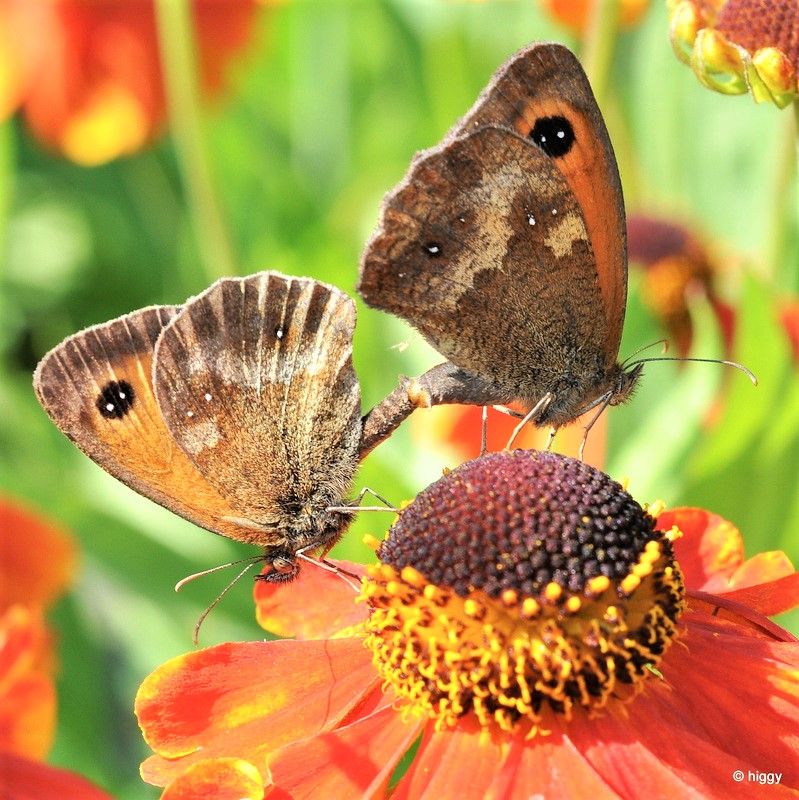
- NAME: Gatekeeper – Pyronia tithonus / WINGSPAN: 45mm / FLIGHT TIME: July-August / HABITAT: Rough grassland, field edges and along hedgerows, scrubby grassland, woodland rides, country lanes, hedgerows and the like anywhere within its range / LARVAL FOODPLANT: A range of different meadow grasses
-
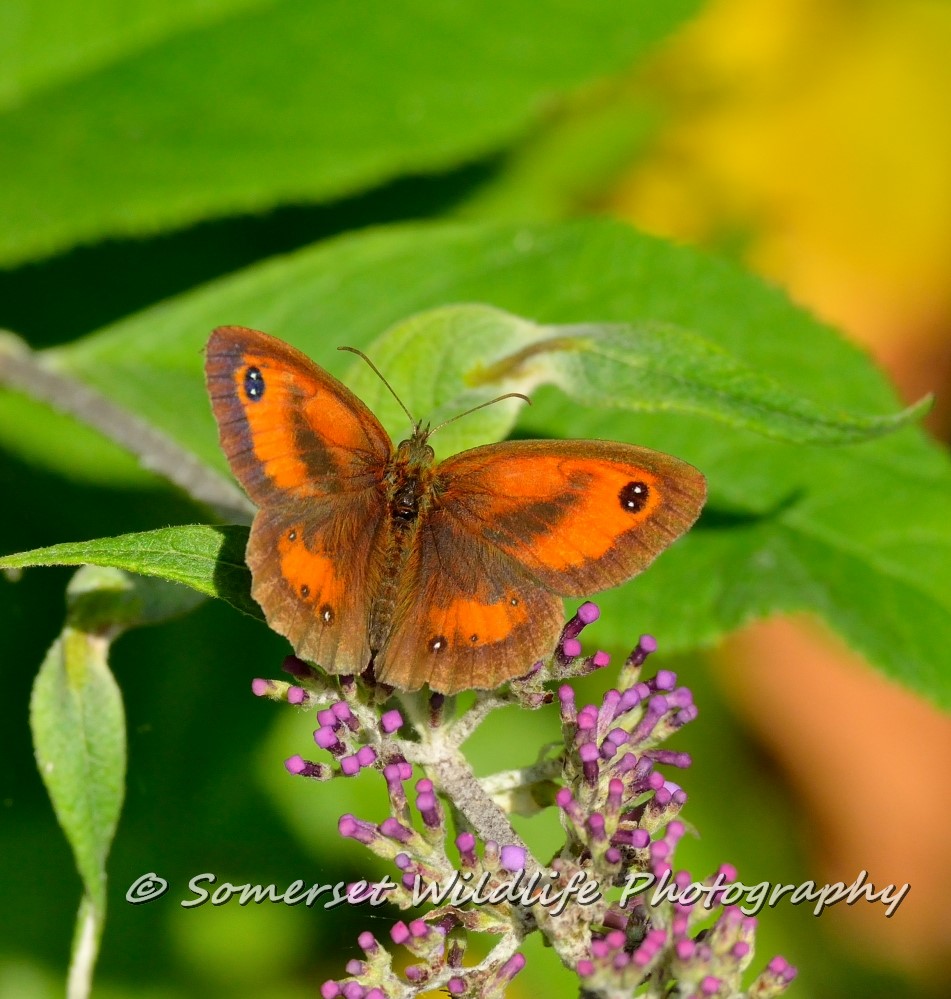
- NAME: Gatekeeper – Pyronia tithonus / WINGSPAN: 45mm / FLIGHT TIME: July-August / HABITAT: Rough grassland, field edges and along hedgerows, scrubby grassland, woodland rides, country lanes, hedgerows and the like anywhere within its range / LARVAL FOODPLANT: A range of different meadow grasses
-
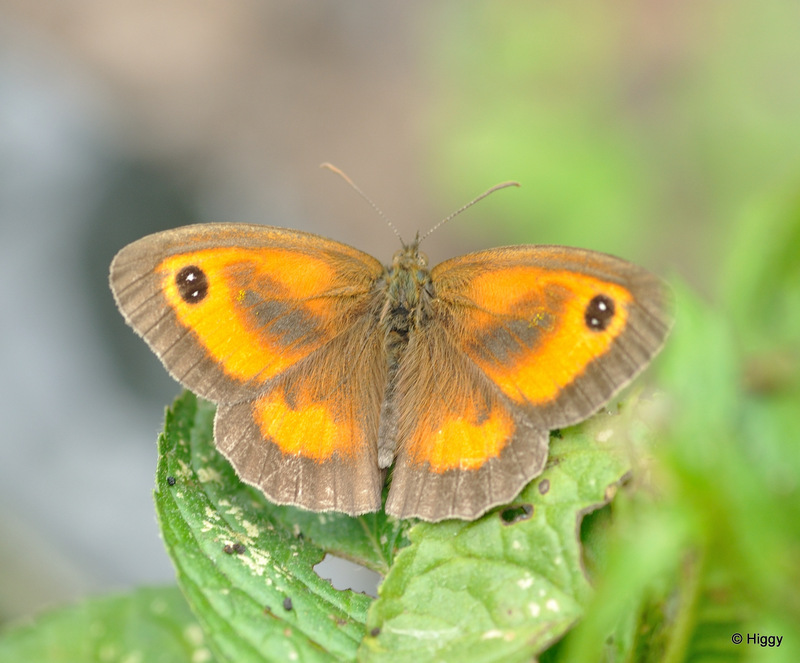
- NAME: Gatekeeper – Pyronia tithonus / WINGSPAN: 45mm / FLIGHT TIME: July-August / HABITAT: Rough grassland, field edges and along hedgerows, scrubby grassland, woodland rides, country lanes, hedgerows and the like anywhere within its range / LARVAL FOODPLANT: A range of different meadow grasses
-
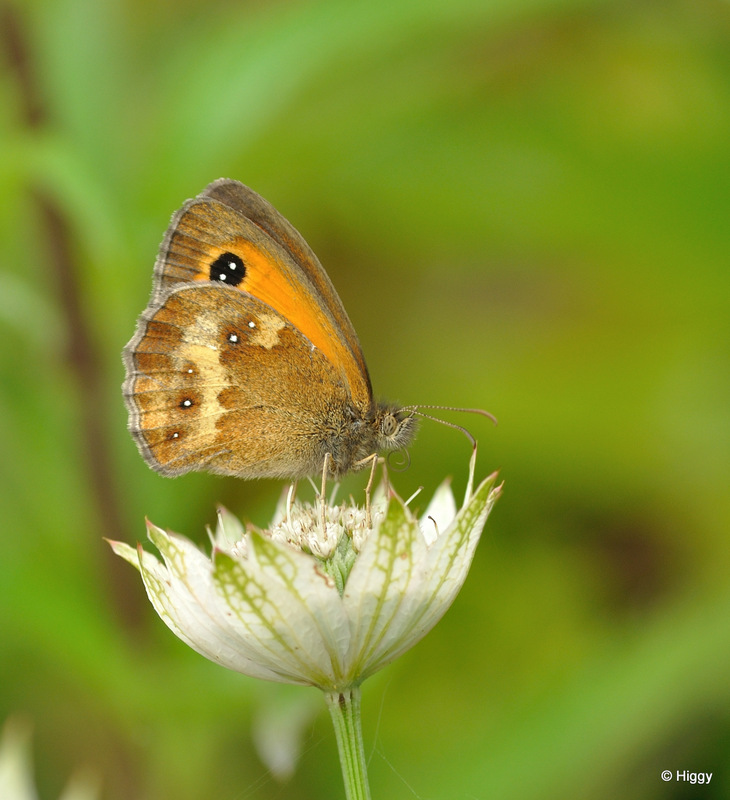
- NAME: Gatekeeper – Pyronia tithonus / WINGSPAN: 45mm / FLIGHT TIME: July-August / HABITAT: Rough grassland, field edges and along hedgerows, scrubby grassland, woodland rides, country lanes, hedgerows and the like anywhere within its range / LARVAL FOODPLANT: A range of different meadow grasses
-

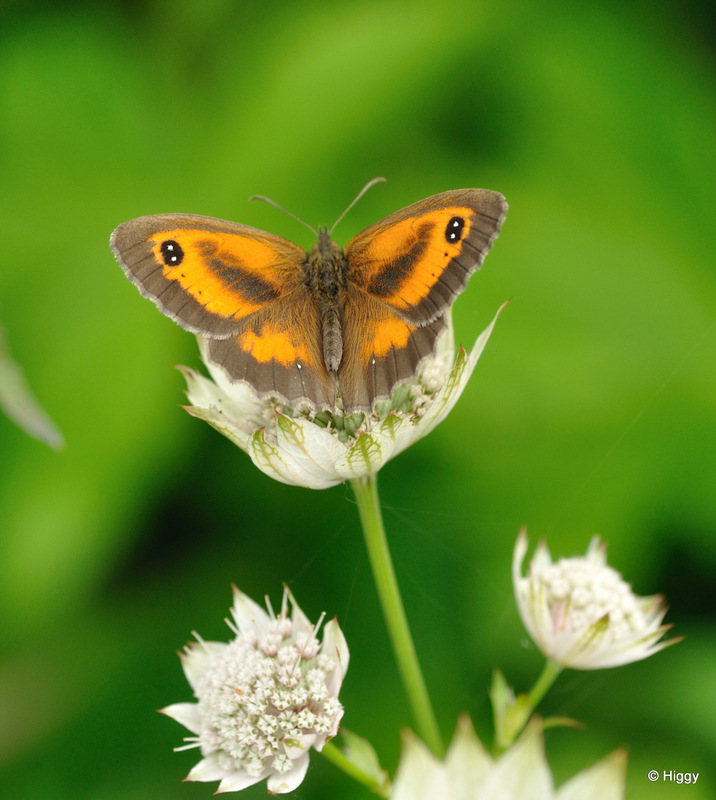
- NAME: Gatekeeper – Pyronia tithonus / WINGSPAN: 45mm / FLIGHT TIME: July-August / HABITAT: Rough grassland, field edges and along hedgerows, scrubby grassland, woodland rides, country lanes, hedgerows and the like anywhere within its range / LARVAL FOODPLANT: A range of different meadow grasses
-
- NAME: Gatekeeper – Pyronia tithonus / WINGSPAN: 45mm / FLIGHT TIME: July-August / HABITAT: Rough grassland, field edges and along hedgerows, scrubby grassland, woodland rides, country lanes, hedgerows and the like anywhere within its range / LARVAL FOODPLANT: A range of different meadow grasses
-

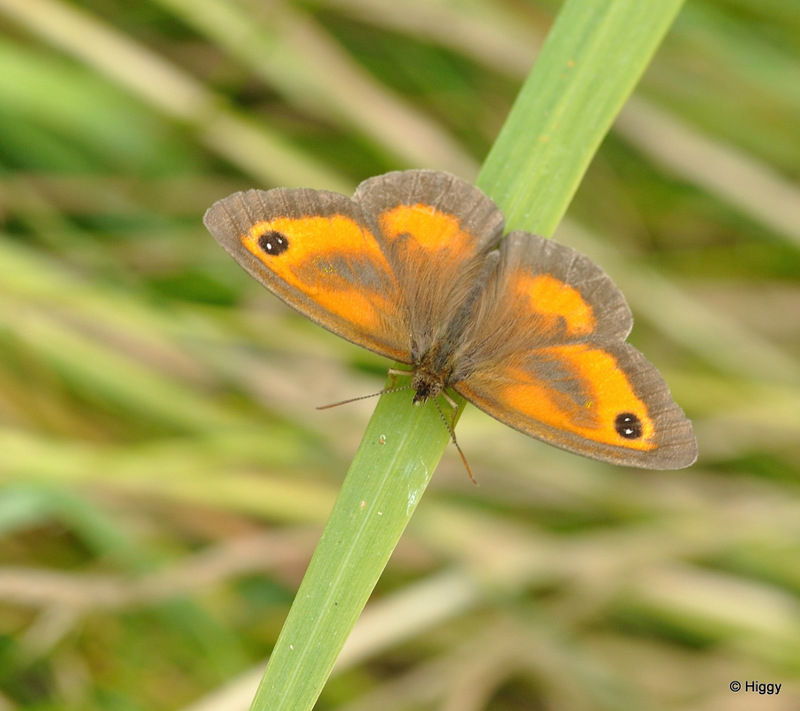
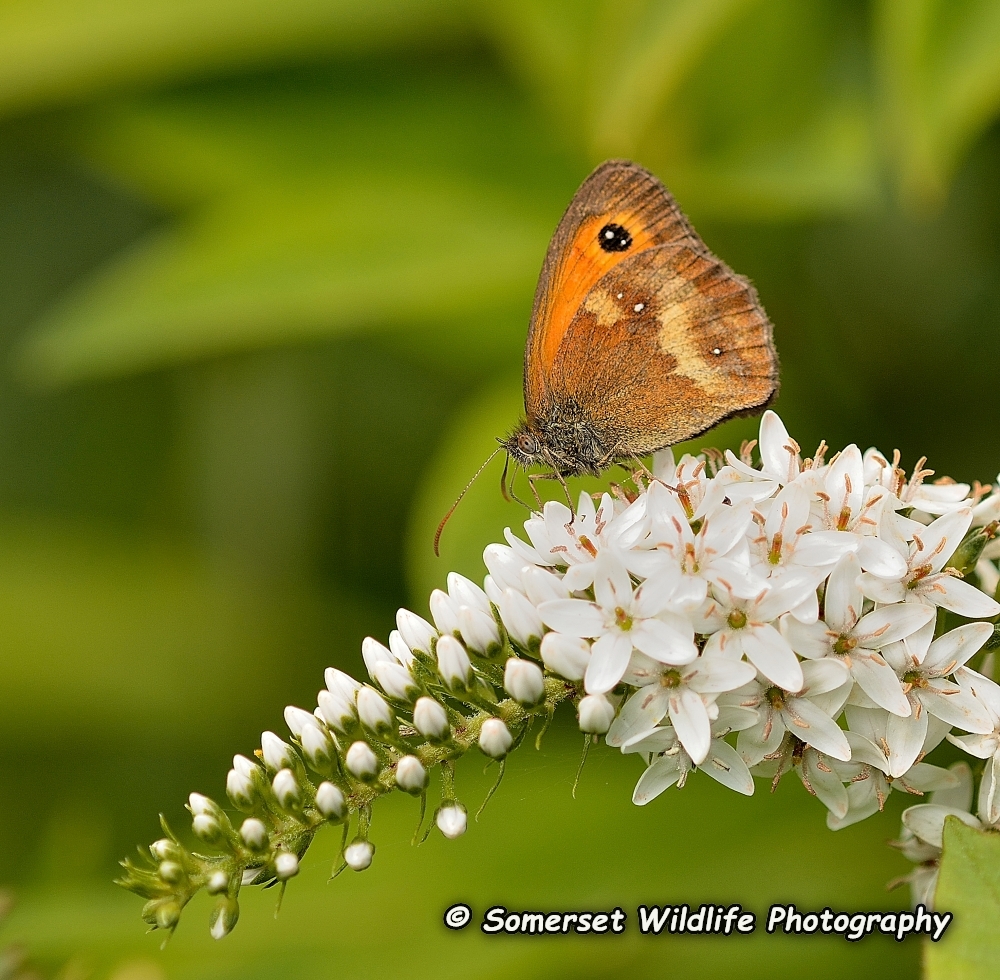
- NAME: Gatekeeper – Pyronia tithonus / WINGSPAN: 45mm / FLIGHT TIME: July-August / HABITAT: Rough grassland, field edges and along hedgerows, scrubby grassland, woodland rides, country lanes, hedgerows and the like anywhere within its range / LARVAL FOODPLANT: A range of different meadow grasses
-
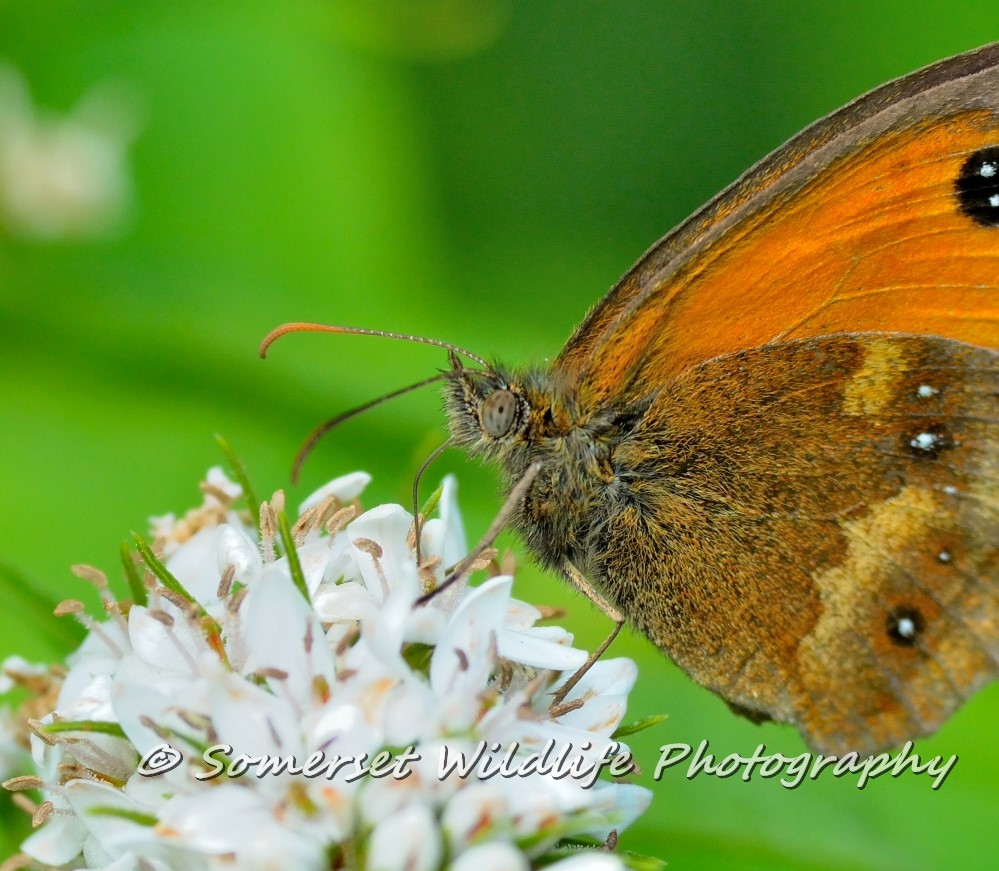
- NAME: Gatekeeper – Pyronia tithonus / WINGSPAN: 45mm / FLIGHT TIME: July-August / HABITAT: Rough grassland, field edges and along hedgerows, scrubby grassland, woodland rides, country lanes, hedgerows and the like anywhere within its range / LARVAL FOODPLANT: A range of different meadow grasses
-

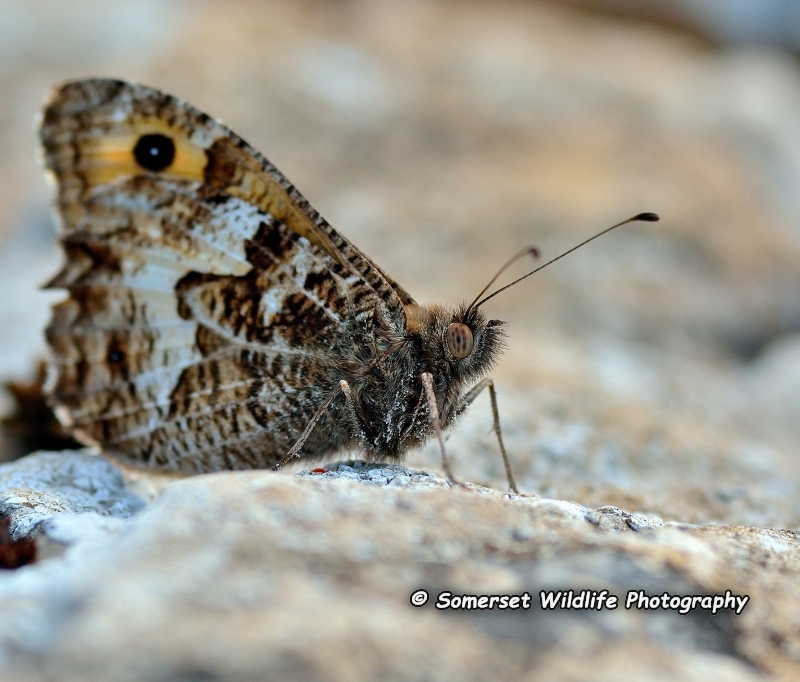
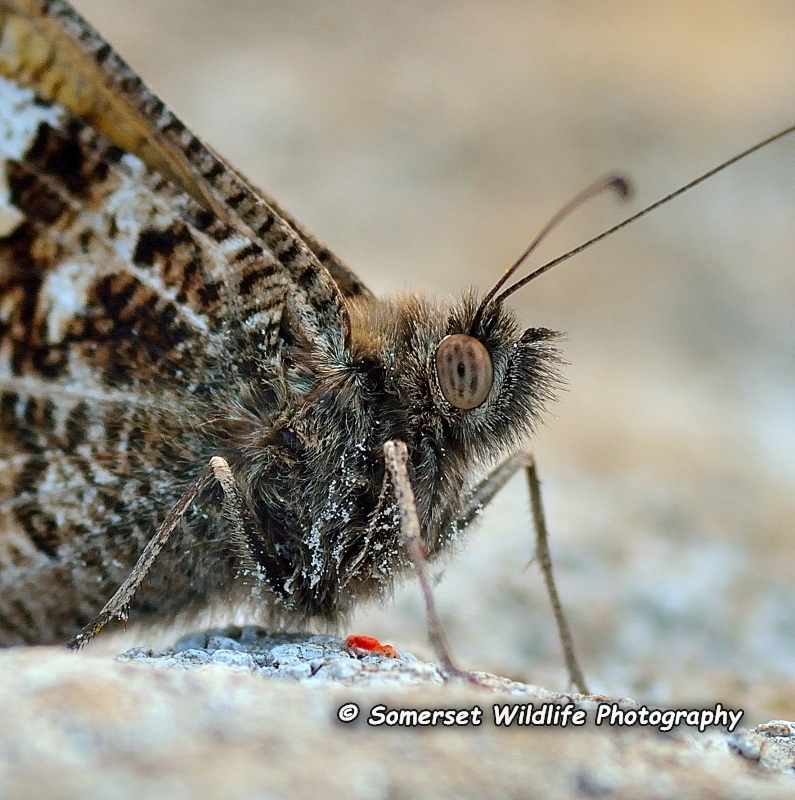
- NAME: Grayling – Hipparchia semele / WINGSPAN: 58mm / FLIGHT TIME: June-Sept / HABITAT: Coastal Cliffs, Rocky High ground / LARVAL FOODPLANT: A variety of grasses including sheep’s fescue, red fescue and marram grass.

-
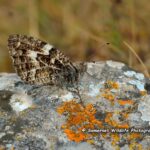
- NAME: Grayling – Hipparchia semele / WINGSPAN: 58mm / FLIGHT TIME: June-Sept / HABITAT: Coastal Cliffs, Rocky High ground / LARVAL FOODPLANT: A variety of grasses including sheep’s fescue, red fescue and marram grass.

-
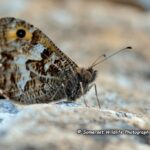
- NAME: Grayling – Hipparchia semele / WINGSPAN: 58mm / FLIGHT TIME: June-Sept / HABITAT: Coastal Cliffs, Rocky High ground / LARVAL FOODPLANT: A variety of grasses including sheep’s fescue, red fescue and marram grass.
-
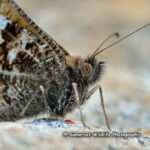
- NAME: Grayling – Hipparchia semele / WINGSPAN: 58mm / FLIGHT TIME: June-Sept / HABITAT: Coastal Cliffs, Rocky High ground / LARVAL FOODPLANT: A variety of grasses including sheep’s fescue, red fescue and marram grass.
-

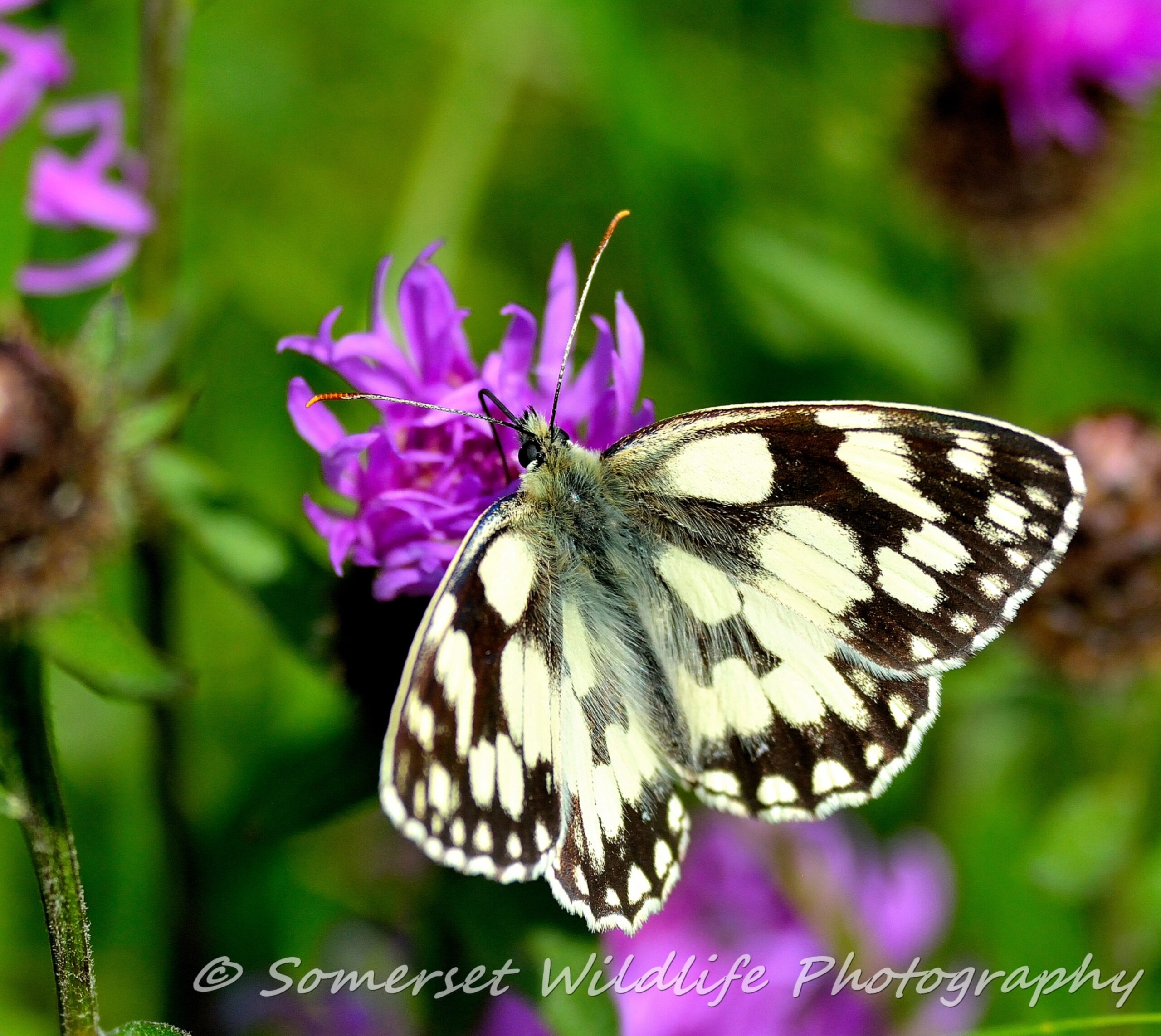
- NAME: Marbled White – Melanargia galathea / WINGSPAN: 55mm / FLIGHT TIME: June-July / HABITAT: Unimproved grassland where the grass may grow up to 0.5m tall. The largest colonies are found on downland but even small strips of grassland, such as a road verge, field margins, woodland clearings and disused railway lines can contain smaller colonies / LARVAL FOODPLANT: A variety of grasses
-
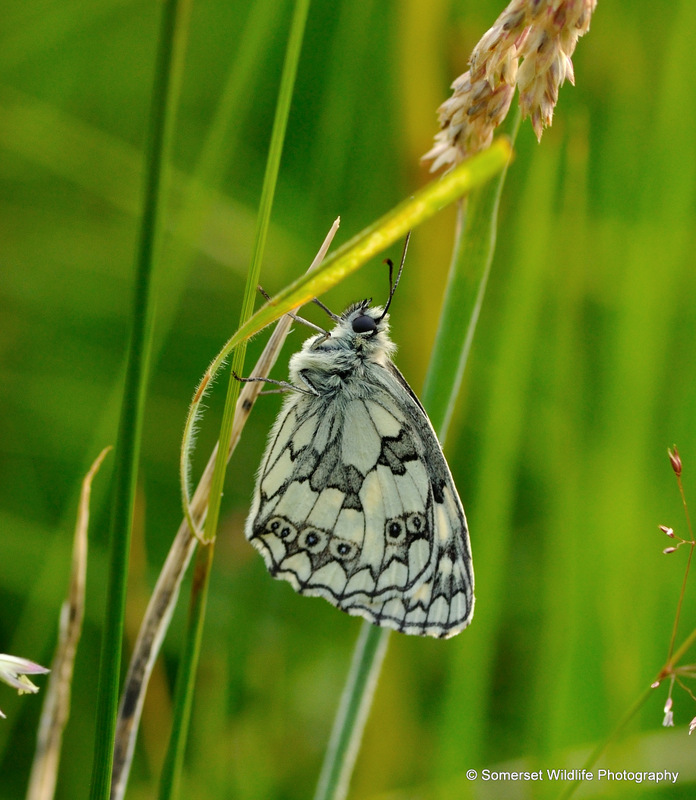
- NAME: Marbled White – Melanargia galathea / WINGSPAN: 55mm / FLIGHT TIME: June-July / HABITAT: Unimproved grassland where the grass may grow up to 0.5m tall. The largest colonies are found on downland but even small strips of grassland, such as a road verge, field margins, woodland clearings and disused railway lines can contain smaller colonies / LARVAL FOODPLANT: A variety of grasses
-
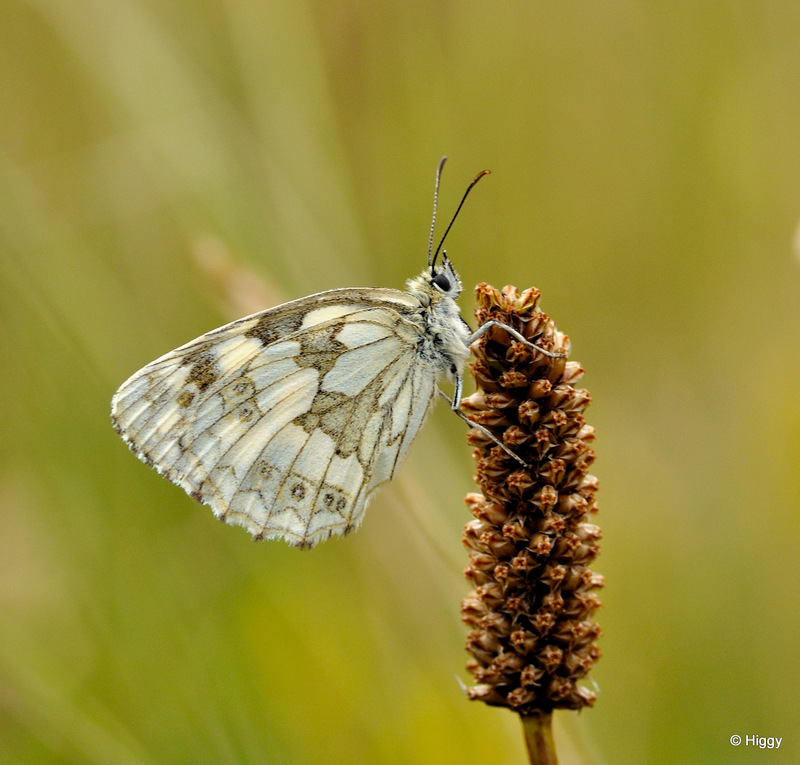
- NAME: Marbled White – Melanargia galathea / WINGSPAN: 55mm / FLIGHT TIME: June-July / HABITAT: Unimproved grassland where the grass may grow up to 0.5m tall. The largest colonies are found on downland but even small strips of grassland, such as a road verge, field margins, woodland clearings and disused railway lines can contain smaller colonies / LARVAL FOODPLANT: A variety of grasses
-
- NAME: Marbled White – Melanargia galathea / WINGSPAN: 55mm / FLIGHT TIME: June-July / HABITAT: Unimproved grassland where the grass may grow up to 0.5m tall. The largest colonies are found on downland but even small strips of grassland, such as a road verge, field margins, woodland clearings and disused railway lines can contain smaller colonies / LARVAL FOODPLANT: A variety of grasses

-

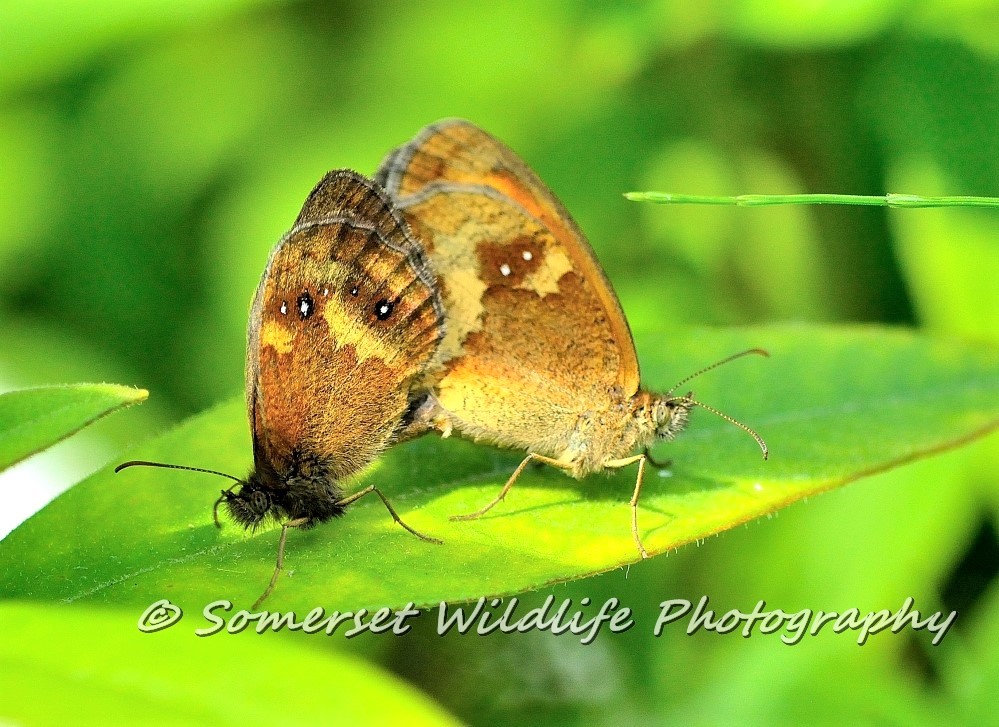
- NAME: Meadow Brown – Maniola jurtina / WINGSPAN: 55mm / FLIGHT TIME: June-September / HABITAT: Grassy habitat, especially grasslands where the sward is of a medium height, where populations can reach thousands. Even in heavily grazed meadows, the butterfly can usually be found around the field margins. Typical habitats include grassland, woodland rides, field margins, hedgerows, road verges and even overgrown gardens / LARVAL FOODPLANT: A variety of grasses

-

- NAME: Meadow Brown – Maniola jurtina / WINGSPAN: 55mm / FLIGHT TIME: June-September / HABITAT: Grassy habitat, especially grasslands where the sward is of a medium height, where populations can reach thousands. Even in heavily grazed meadows, the butterfly can usually be found around the field margins. Typical habitats include grassland, woodland rides, field margins, hedgerows, road verges and even overgrown gardens / LARVAL FOODPLANT: A variety of grasses

-
- NAME: Meadow Brown – Maniola jurtina / WINGSPAN: 55mm / FLIGHT TIME: June-September / HABITAT: Grassy habitat, especially grasslands where the sward is of a medium height, where populations can reach thousands. Even in heavily grazed meadows, the butterfly can usually be found around the field margins. Typical habitats include grassland, woodland rides, field margins, hedgerows, road verges and even overgrown gardens / LARVAL FOODPLANT: A variety of grasses
-
- NAME: Meadow Brown – Maniola jurtina / WINGSPAN: 55mm / FLIGHT TIME: June-September / HABITAT: Grassy habitat, especially grasslands where the sward is of a medium height, where populations can reach thousands. Even in heavily grazed meadows, the butterfly can usually be found around the field margins. Typical habitats include grassland, woodland rides, field margins, hedgerows, road verges and even overgrown gardens / LARVAL FOODPLANT: A variety of grasses
-
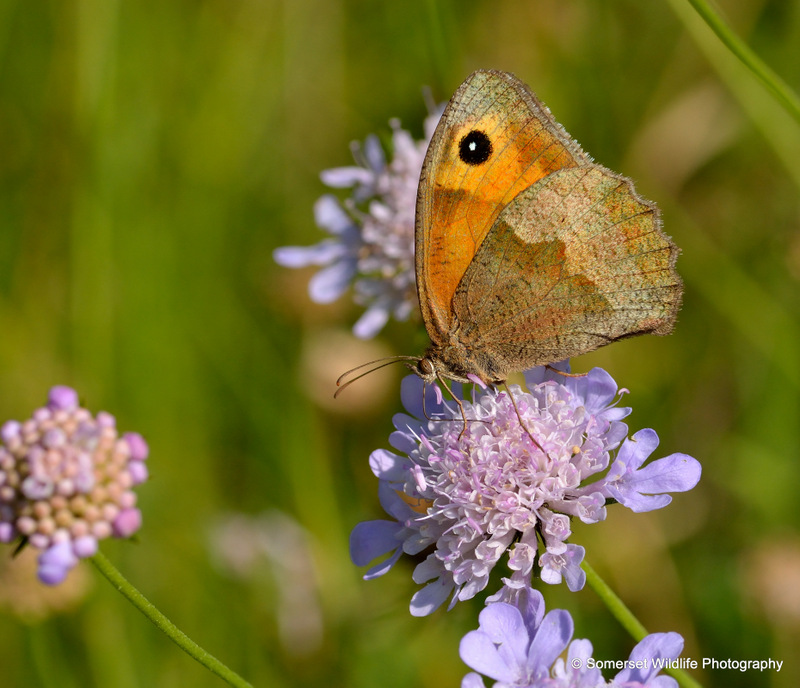
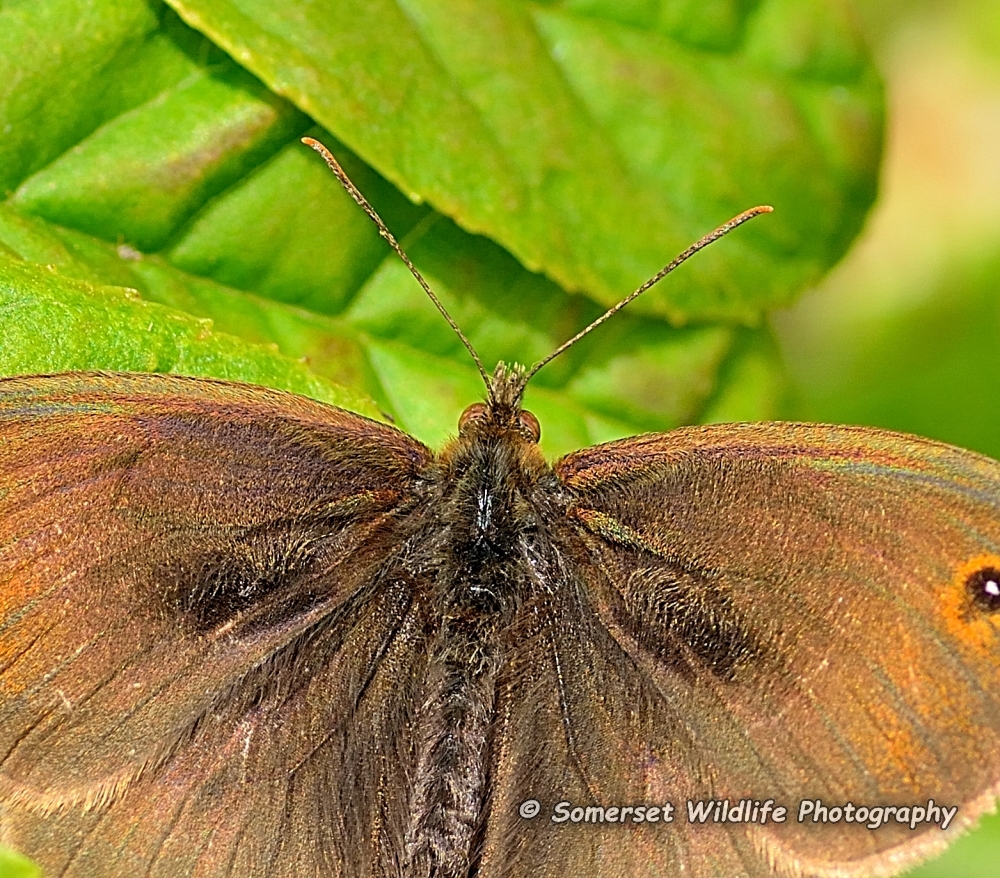
- NAME: Meadow Brown – Maniola jurtina / WINGSPAN: 55mm / FLIGHT TIME: June-September / HABITAT: Grassy habitat, especially grasslands where the sward is of a medium height, where populations can reach thousands. Even in heavily grazed meadows, the butterfly can usually be found around the field margins. Typical habitats include grassland, woodland rides, field margins, hedgerows, road verges and even overgrown gardens / LARVAL FOODPLANT: A variety of grasses
-

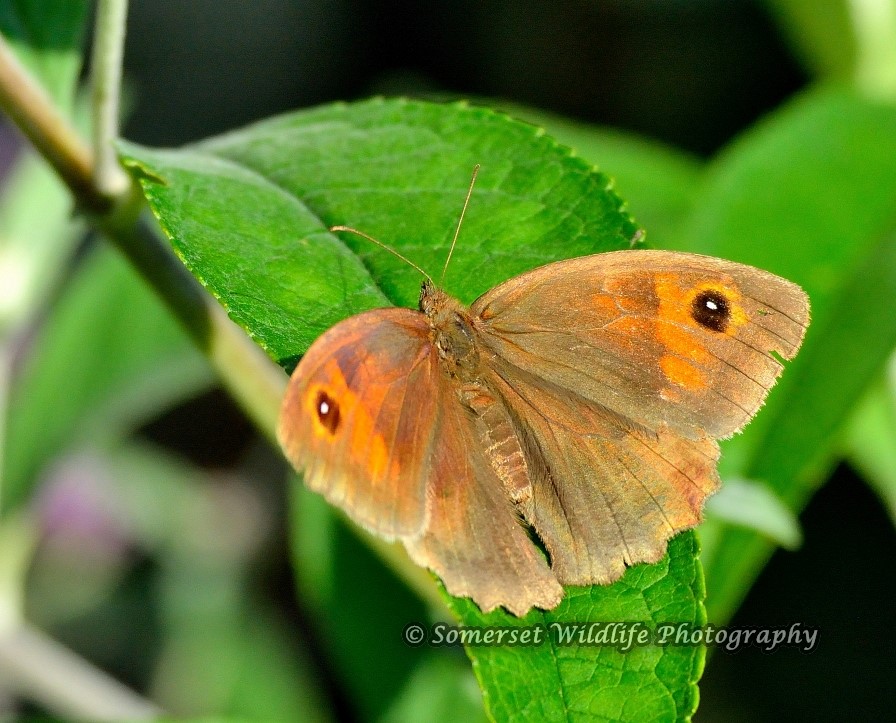
- NAME: Meadow Brown – Maniola jurtina / WINGSPAN: 55mm / FLIGHT TIME: June-September / HABITAT: Grassy habitat, especially grasslands where the sward is of a medium height, where populations can reach thousands. Even in heavily grazed meadows, the butterfly can usually be found around the field margins. Typical habitats include grassland, woodland rides, field margins, hedgerows, road verges and even overgrown gardens / LARVAL FOODPLANT: A variety of grasses
-

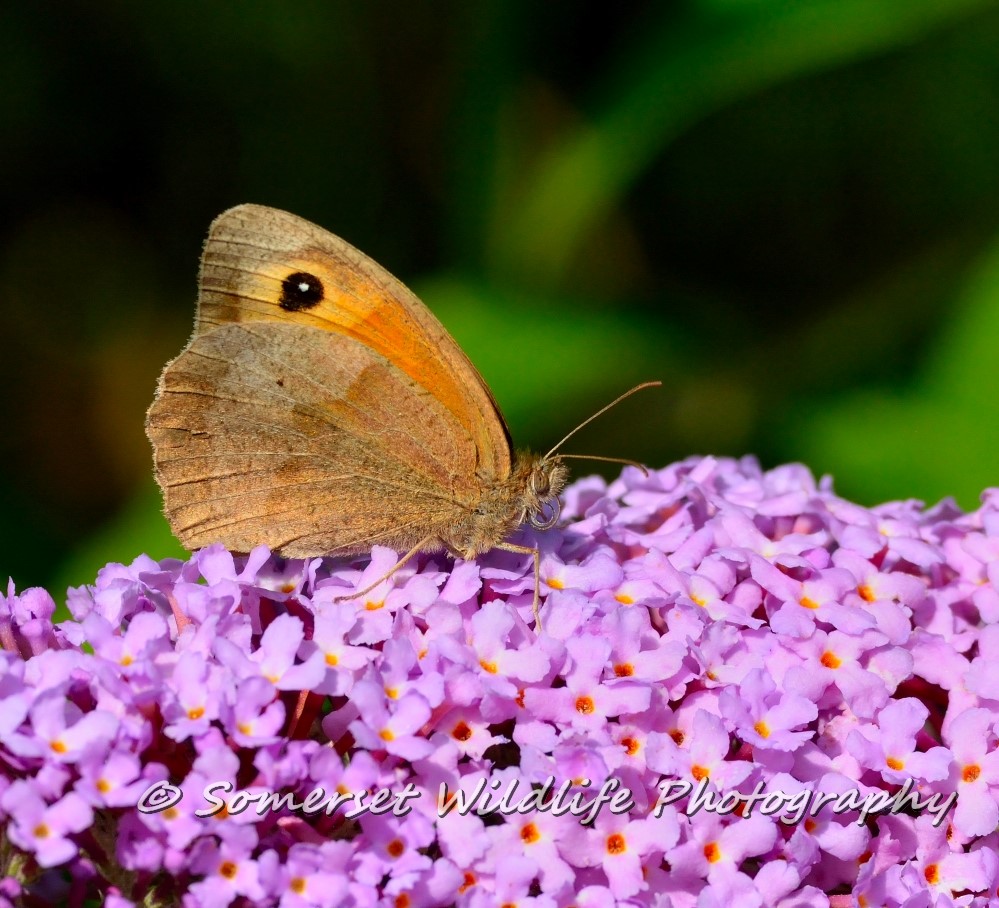
- NAME: Meadow Brown – Maniola jurtina / WINGSPAN: 55mm / FLIGHT TIME: June-September / HABITAT: Grassy habitat, especially grasslands where the sward is of a medium height, where populations can reach thousands. Even in heavily grazed meadows, the butterfly can usually be found around the field margins. Typical habitats include grassland, woodland rides, field margins, hedgerows, road verges and even overgrown gardens / LARVAL FOODPLANT: A variety of grasses
-
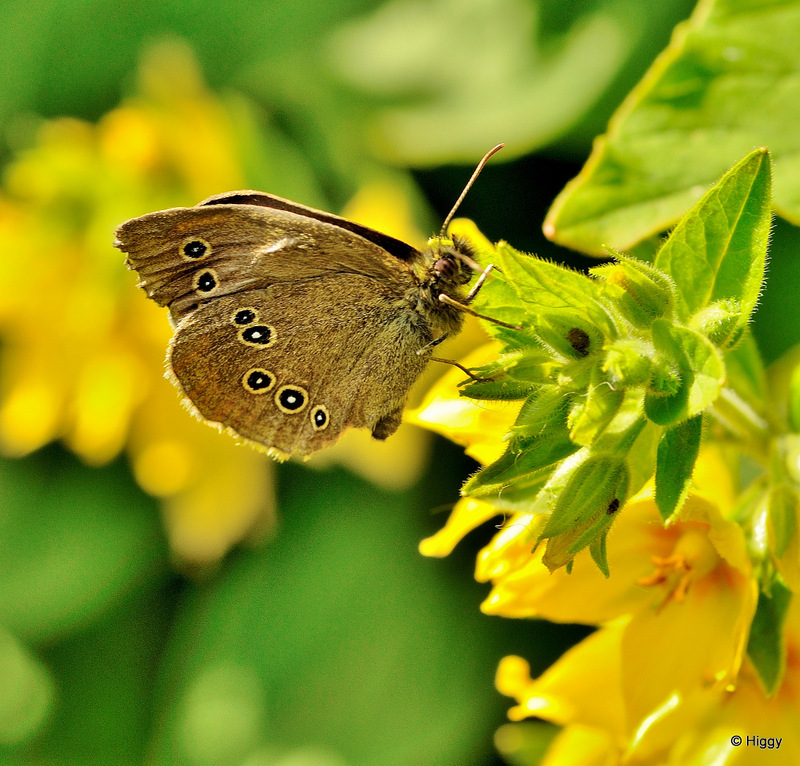
- NAME: Ringlet – Aphantopus hyperantus/ WINGSPAN: 50mm / FLIGHT TIME: June-August / HABITAT: sheltered and damp are preferred, such as woodland clearings, woodland edges and rides, meadows, hedgerows, road verges and country lanes, where the full heat from the summer sun can be avoided and where the food plant is lush. The butterfly is not typically found in open areas, such as grassland or heathland / LARVAL FOODPLANT: A variety of grasses

-
- NAME: Ringlet – Aphantopus hyperantus/ WINGSPAN: 50mm / FLIGHT TIME: June-August / HABITAT: sheltered and damp are preferred, such as woodland clearings, woodland edges and rides, meadows, hedgerows, road verges and country lanes, where the full heat from the summer sun can be avoided and where the food plant is lush. The butterfly is not typically found in open areas, such as grassland or heathland / LARVAL FOODPLANT: A variety of grasses
-

- NAME: Ringlet – Aphantopus hyperantus/ WINGSPAN: 50mm / FLIGHT TIME: June-August / HABITAT: sheltered and damp are preferred, such as woodland clearings, woodland edges and rides, meadows, hedgerows, road verges and country lanes, where the full heat from the summer sun can be avoided and where the food plant is lush. The butterfly is not typically found in open areas, such as grassland or heathland / LARVAL FOODPLANT: A variety of grasses

-
- NAME: Ringlet – Aphantopus hyperantus/ WINGSPAN: 50mm / FLIGHT TIME: June-August / HABITAT: sheltered and damp are preferred, such as woodland clearings, woodland edges and rides, meadows, hedgerows, road verges and country lanes, where the full heat from the summer sun can be avoided and where the food plant is lush. The butterfly is not typically found in open areas, such as grassland or heathland / LARVAL FOODPLANT: A variety of grasses

-

- NAME: Ringlet – Aphantopus hyperantus/ WINGSPAN: 50mm / FLIGHT TIME: June-August / HABITAT: sheltered and damp are preferred, such as woodland clearings, woodland edges and rides, meadows, hedgerows, road verges and country lanes, where the full heat from the summer sun can be avoided and where the food plant is lush. The butterfly is not typically found in open areas, such as grassland or heathland / LARVAL FOODPLANT: A variety of grasses

-
- NAME: Ringlet – Aphantopus hyperantus/ WINGSPAN: 50mm / FLIGHT TIME: June-August / HABITAT: sheltered and damp are preferred, such as woodland clearings, woodland edges and rides, meadows, hedgerows, road verges and country lanes, where the full heat from the summer sun can be avoided and where the food plant is lush. The butterfly is not typically found in open areas, such as grassland or heathland / LARVAL FOODPLANT: A variety of grasses

-
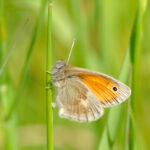
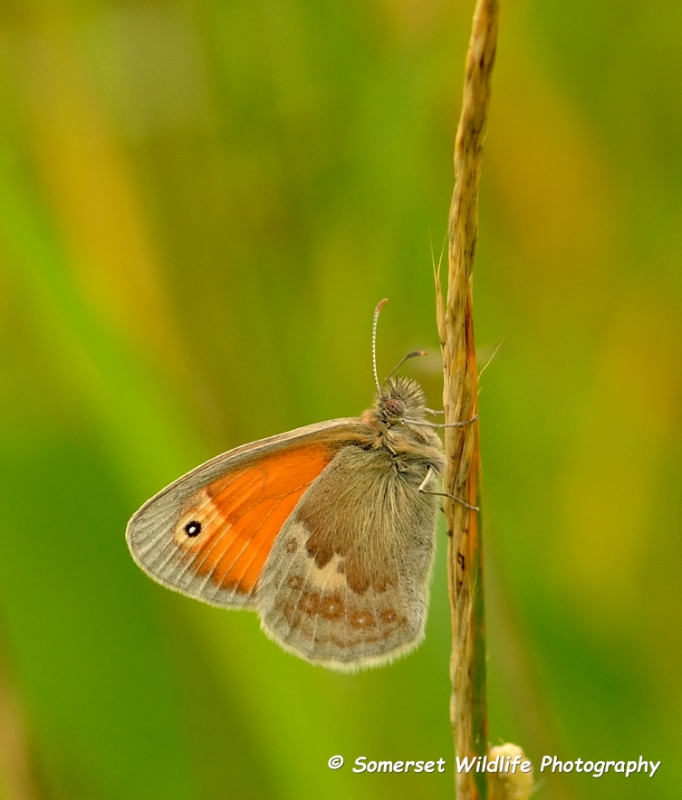
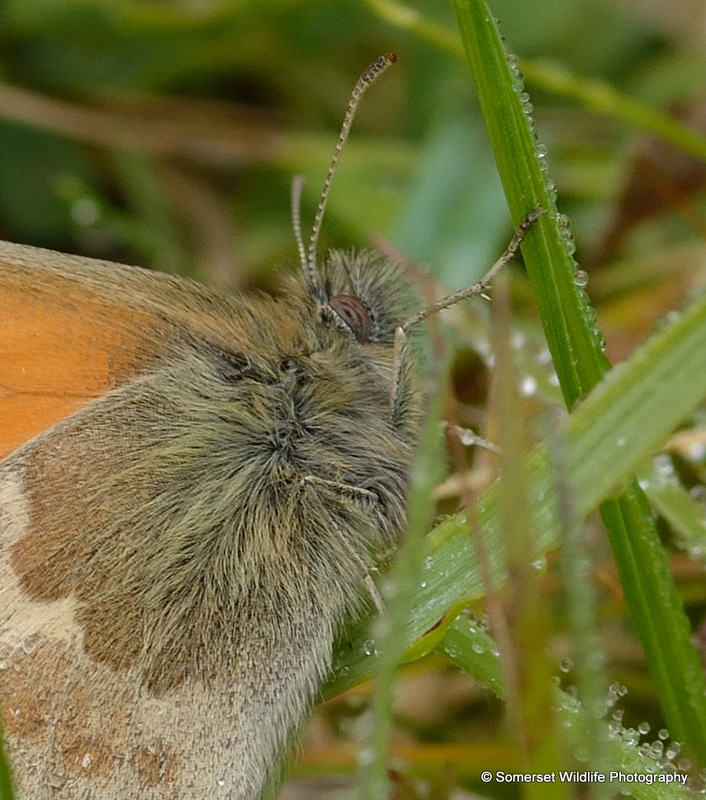
- NAME: Small Heath – Coenonympha pamphilus / WINGSPAN: 35mm / FLIGHT TIME: May-September / HABITAT: A wide variety of habitats especially those that are more open, such as grassland, heathland, railway embankments, disused quarries, meadows and sand dunes. It occurs only sparingly in woodland where it can be found in ones and twos along wide woodland rides. Wherever it occurs, the adults prefer a shorter grass sward than closely related species / LARVAL FOODPLANT: Fescue, Bent and Meadow grasses

-
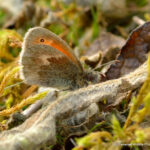
- NAME: Small Heath – Coenonympha pamphilus / WINGSPAN: 35mm / FLIGHT TIME: May-September / HABITAT: A wide variety of habitats especially those that are more open, such as grassland, heathland, railway embankments, disused quarries, meadows and sand dunes. It occurs only sparingly in woodland where it can be found in ones and twos along wide woodland rides. Wherever it occurs, the adults prefer a shorter grass sward than closely related species / LARVAL FOODPLANT: Fescue, Bent and Meadow grasses
-
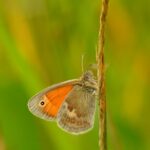
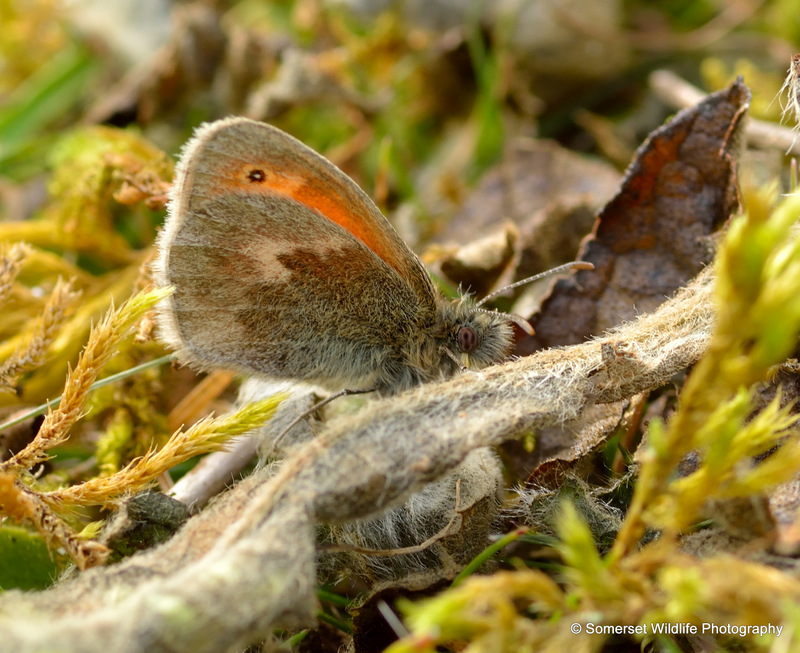
- NAME: Small Heath – Coenonympha pamphilus / WINGSPAN: 35mm / FLIGHT TIME: May-September / HABITAT: A wide variety of habitats especially those that are more open, such as grassland, heathland, railway embankments, disused quarries, meadows and sand dunes. It occurs only sparingly in woodland where it can be found in ones and twos along wide woodland rides. Wherever it occurs, the adults prefer a shorter grass sward than closely related species / LARVAL FOODPLANT: Fescue, Bent and Meadow grasses
-
- NAME: Small Heath – Coenonympha pamphilus / WINGSPAN: 35mm / FLIGHT TIME: May-September / HABITAT: A wide variety of habitats especially those that are more open, such as grassland, heathland, railway embankments, disused quarries, meadows and sand dunes. It occurs only sparingly in woodland where it can be found in ones and twos along wide woodland rides. Wherever it occurs, the adults prefer a shorter grass sward than closely related species / LARVAL FOODPLANT: Fescue, Bent and Meadow grasses
-
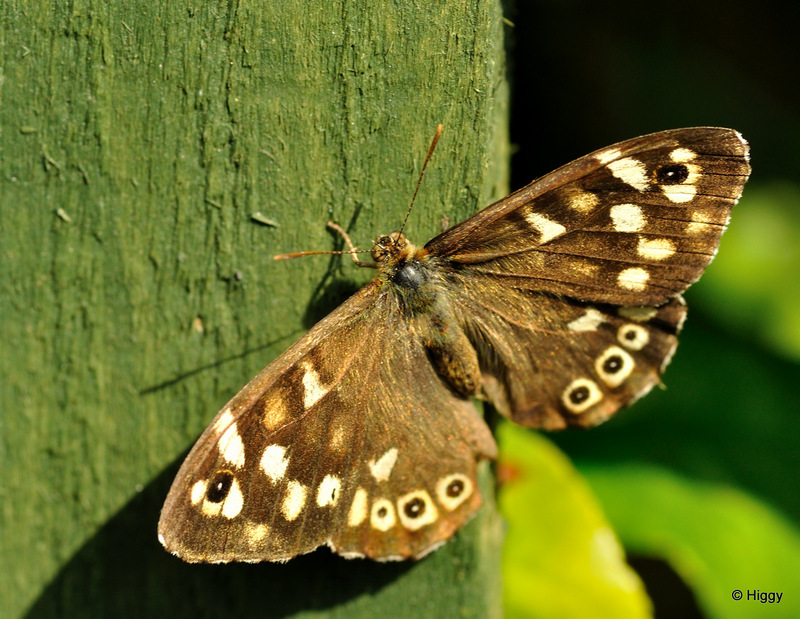
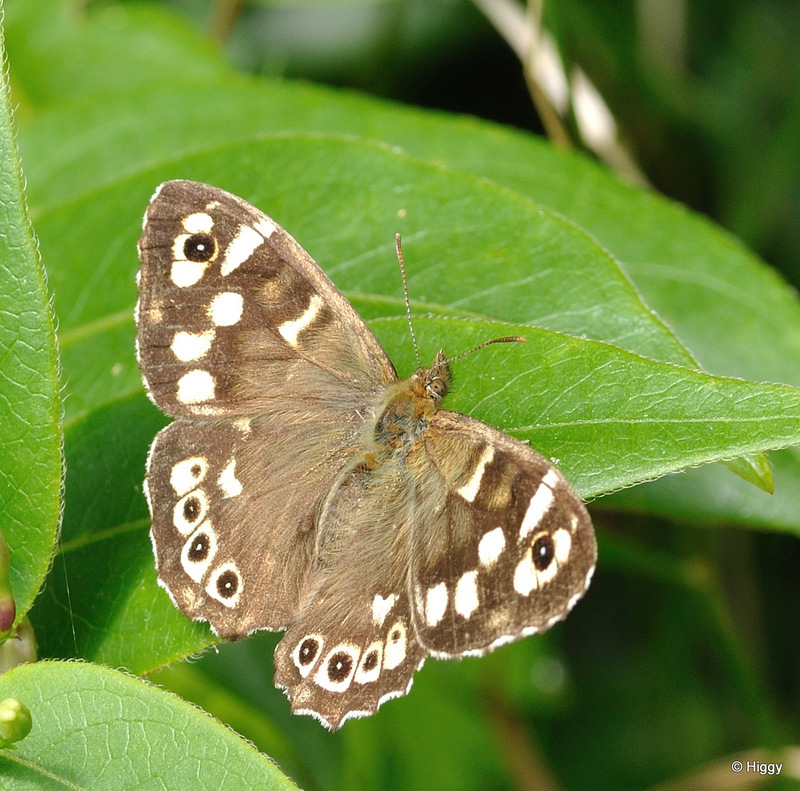
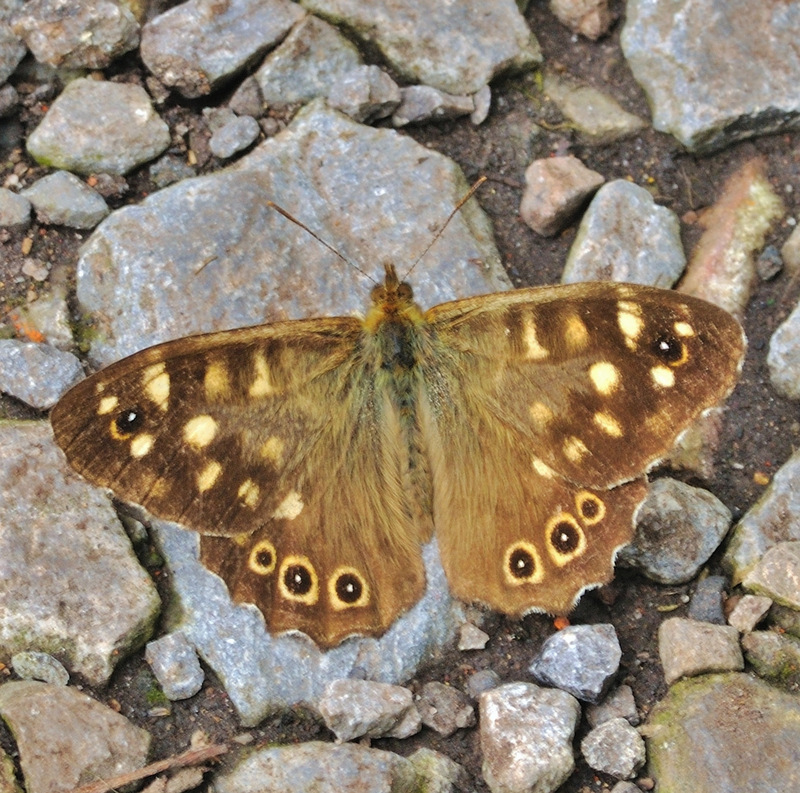
- NAME: Speckled Wood – Pararge aegeria / WINGSPAN: 48mm / FLIGHT TIME: April-October / HABITAT: woodland but can be found anywhere there is sufficient scrub to provide the shaded conditions that this butterfly favours and this includes habitats such as gardens and hedgerows / LARVAL FOODPLANT: Grasses
-
- NAME: Speckled Wood – Pararge aegeria / WINGSPAN: 48mm / FLIGHT TIME: April-October / HABITAT: woodland but can be found anywhere there is sufficient scrub to provide the shaded conditions that this butterfly favours and this includes habitats such as gardens and hedgerows / LARVAL FOODPLANT: Grasses
-
- NAME: Speckled Wood – Pararge aegeria / WINGSPAN: 48mm / FLIGHT TIME: April-October / HABITAT: woodland but can be found anywhere there is sufficient scrub to provide the shaded conditions that this butterfly favours and this includes habitats such as gardens and hedgerows / LARVAL FOODPLANT: Grasses
-

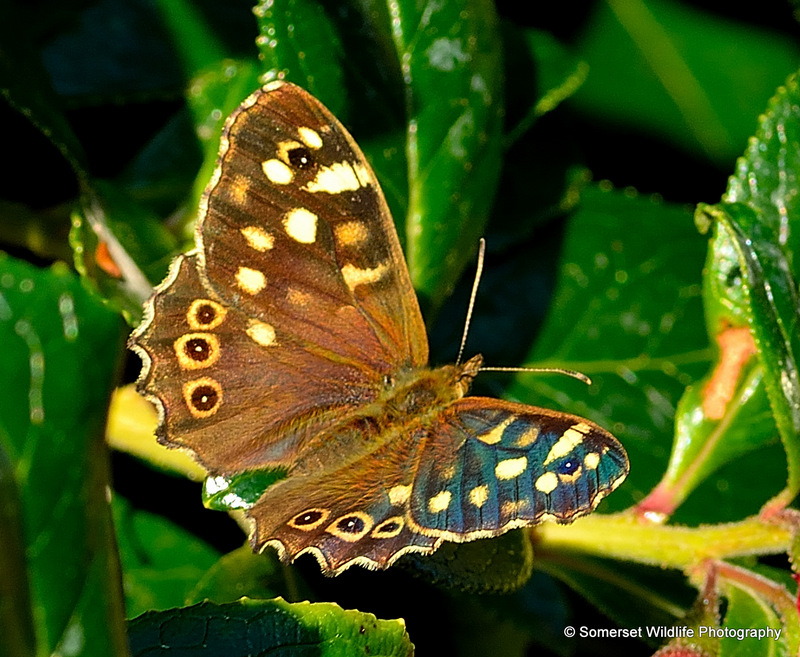
- NAME: Speckled Wood – Pararge aegeria / WINGSPAN: 48mm / FLIGHT TIME: April-October / HABITAT: woodland but can be found anywhere there is sufficient scrub to provide the shaded conditions that this butterfly favours and this includes habitats such as gardens and hedgerows / LARVAL FOODPLANT: Grasses
-
- NAME: Speckled Wood – Pararge aegeria / WINGSPAN: 48mm / FLIGHT TIME: April-October / HABITAT: woodland but can be found anywhere there is sufficient scrub to provide the shaded conditions that this butterfly favours and this includes habitats such as gardens and hedgerows / LARVAL FOODPLANT: Grasses
-
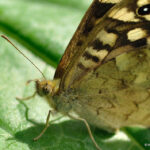
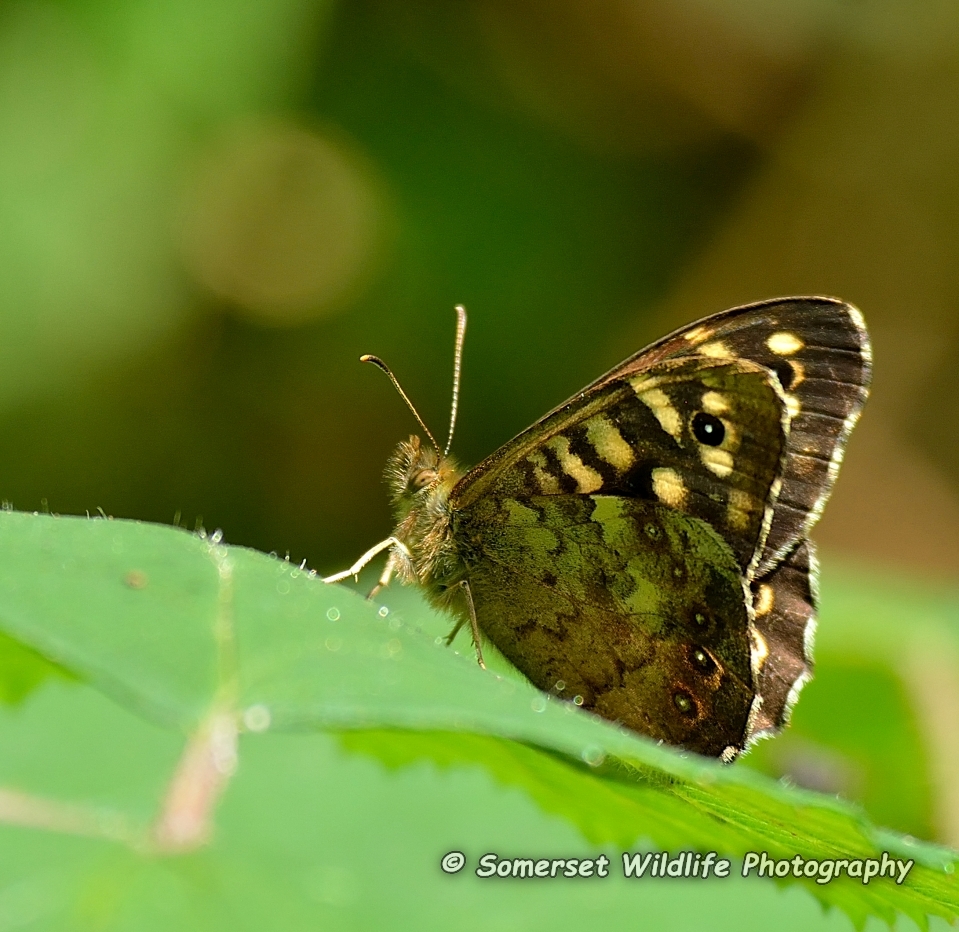
- NAME: Speckled Wood – Pararge aegeria / WINGSPAN: 48mm / FLIGHT TIME: April-October / HABITAT: woodland but can be found anywhere there is sufficient scrub to provide the shaded conditions that this butterfly favours and this includes habitats such as gardens and hedgerows / LARVAL FOODPLANT: Grasses

-
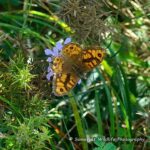
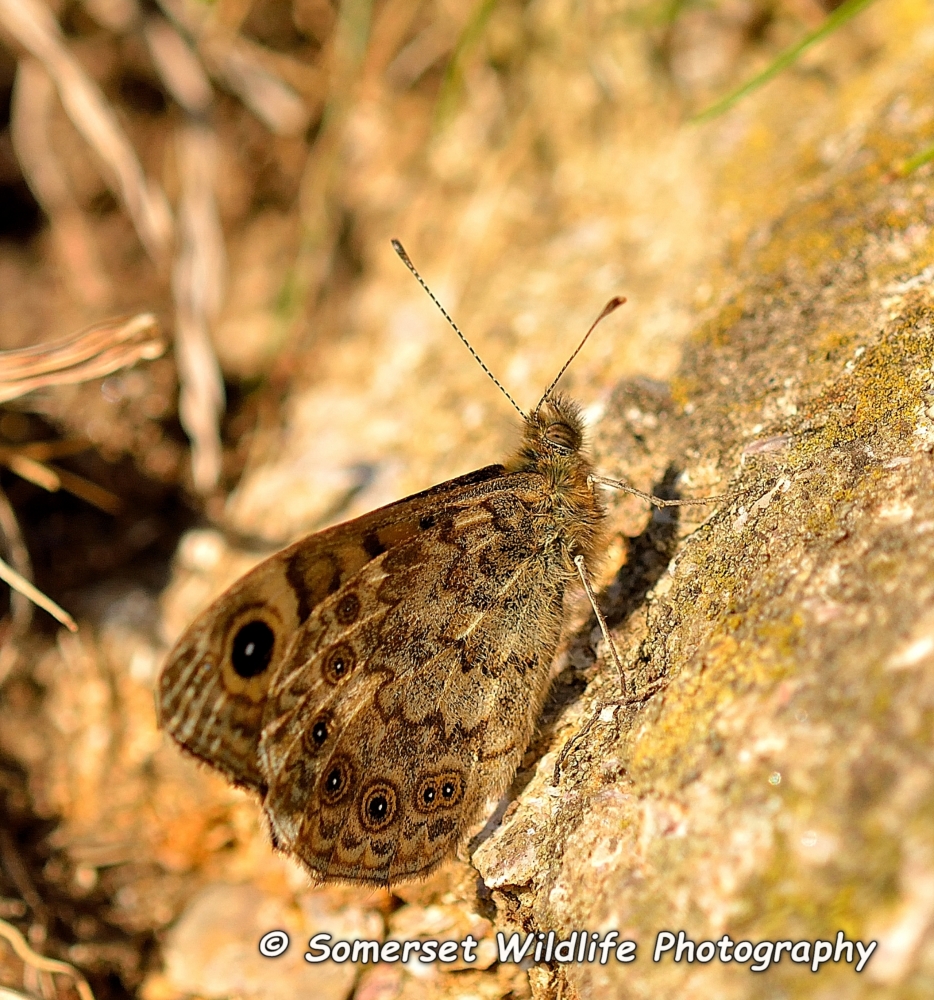
- NAME: Wall – Lasiommata megera / WINGSPAN: 45mm / FLIGHT TIME: May-June & July-Sept second generation / HABITAT: Resting with wings two-thirds open on any bare surface, including bare ground and, of course, walls! Many people will have come across this butterfly on footpaths, especially in coastal areas, where the butterfly flies up when disturbed, before setting again a few metres ahead / LARVAL FOODPLANT: Grasses

-
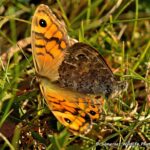
- NAME: Wall – Lasiommata megera / WINGSPAN: 45mm / FLIGHT TIME: May-June & July-Sept second generation / HABITAT: Resting with wings two-thirds open on any bare surface, including bare ground and, of course, walls! Many people will have come across this butterfly on footpaths, especially in coastal areas, where the butterfly flies up when disturbed, before setting again a few metres ahead / LARVAL FOODPLANT: Grasses

-
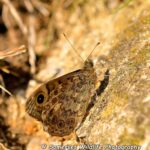
- NAME: Wall – Lasiommata megera / WINGSPAN: 45mm / FLIGHT TIME: May-June & July-Sept second generation / HABITAT: Resting with wings two-thirds open on any bare surface, including bare ground and, of course, walls! Many people will have come across this butterfly on footpaths, especially in coastal areas, where the butterfly flies up when disturbed, before setting again a few metres ahead / LARVAL FOODPLANT: Grasses
-
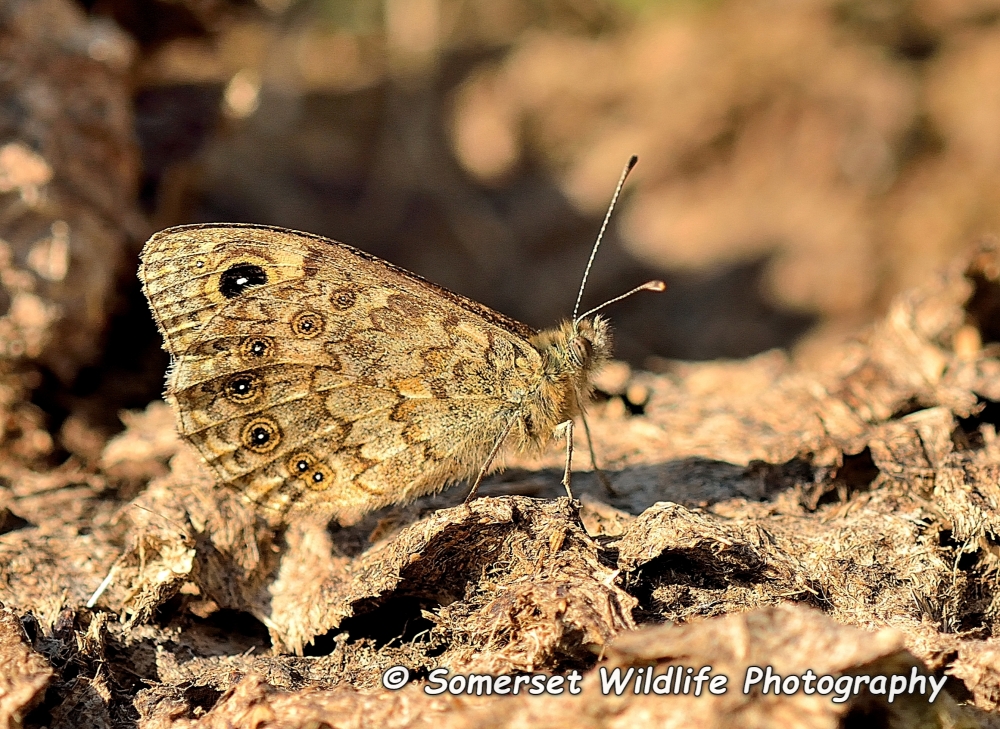
- NAME: Wall – Lasiommata megera / WINGSPAN: 45mm / FLIGHT TIME: May-June & July-Sept second generation / HABITAT: Resting with wings two-thirds open on any bare surface, including bare ground and, of course, walls! Many people will have come across this butterfly on footpaths, especially in coastal areas, where the butterfly flies up when disturbed, before setting again a few metres ahead / LARVAL FOODPLANT: Grasses
-
- NAME: Small White – Pieris rapae / WINGSPAN: 50mm / FLIGHT TIME: April-September (two broods) / HABITAT: A wide variety of habitats and can turn up almost anywhere, including gardens, allotments, parks, meadows, open grassland and hedgerows / LARVAL FOODPLANT: The main larval food plants are various crucifers and nasturtium