Recording Wildlife and Supporting Local Conservation within the Counties of Somerset

-
- NAME: Cormorant – Phalacrocoracidae / WING SPAN: 130-160cm / SOMERSET STATUS: Common in any bodies of water where there are enough fish to support them / DIET: Fish /
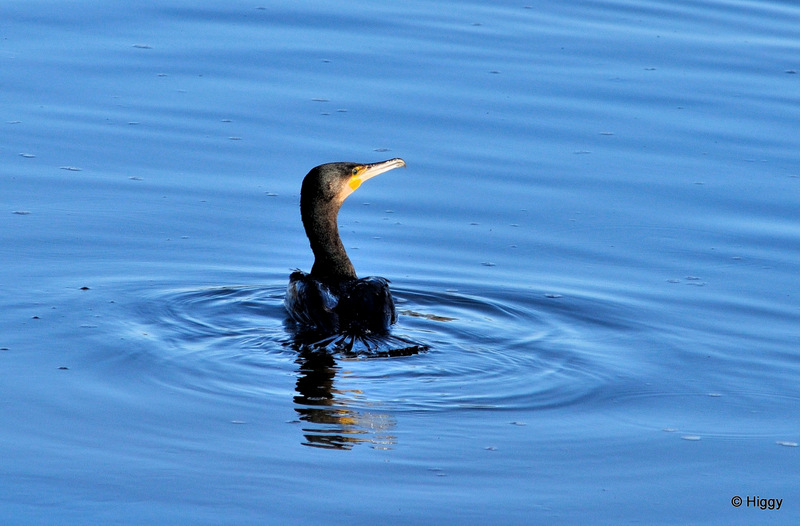
-
- NAME: Cormorant – Phalacrocoracidae / WING SPAN: 130-160cm / SOMERSET STATUS: Common in any bodies of water where there are enough fish to support them / DIET: Fish /
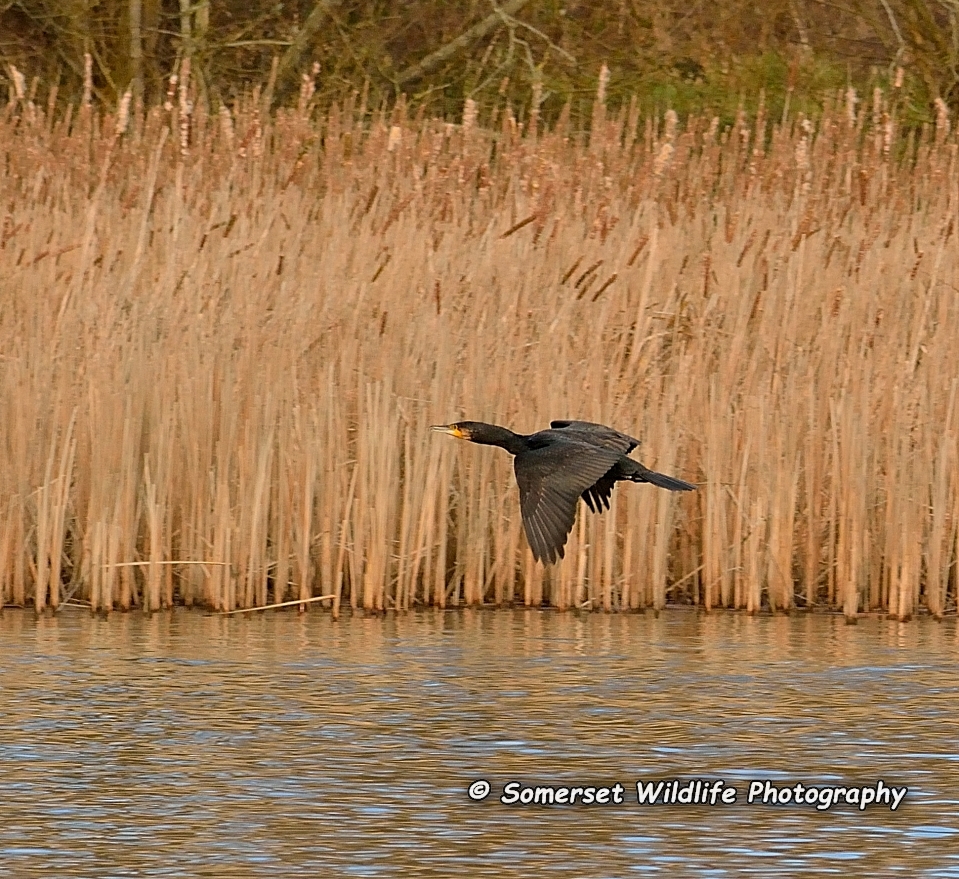
-
- NAME: Cormorant – Phalacrocoracidae / WING SPAN: 130-160cm / SOMERSET STATUS: Common in any bodies of water where there are enough fish to support them / DIET: Fish /
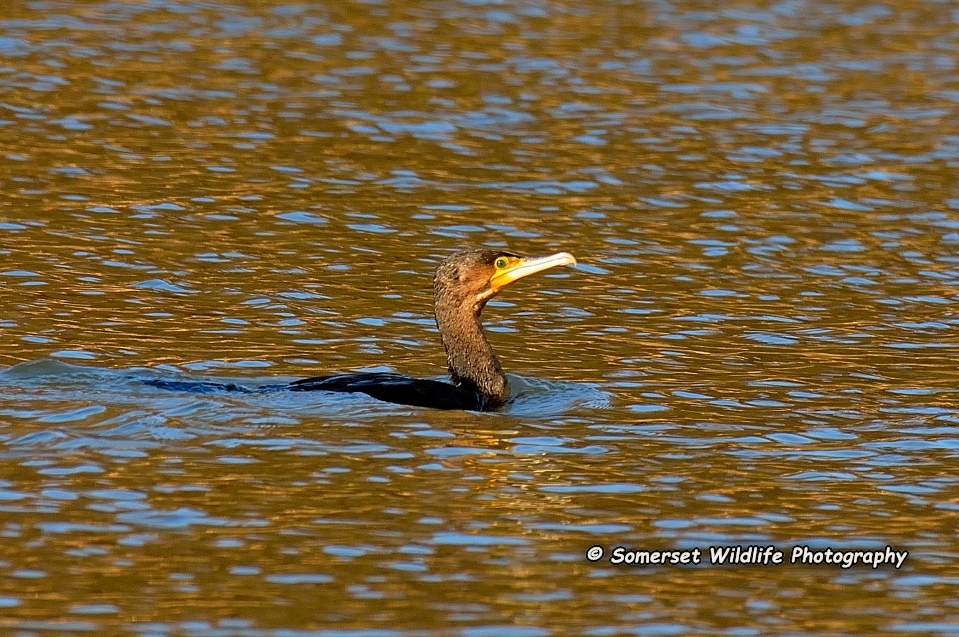
-

- NAME: Cormorant – Phalacrocoracidae / WING SPAN: 130-160cm / SOMERSET STATUS: Common in any bodies of water where there are enough fish to support them / DIET: Fish /
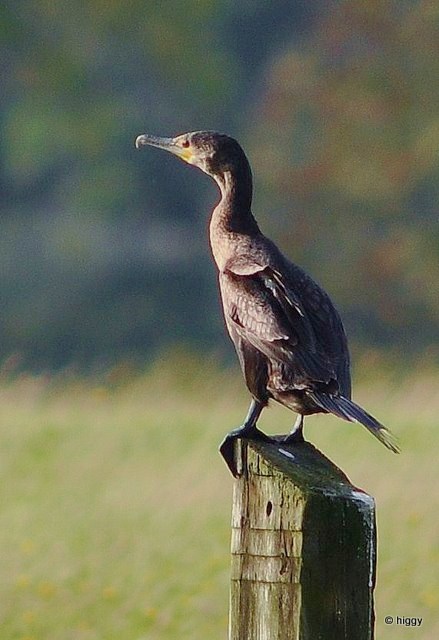
-
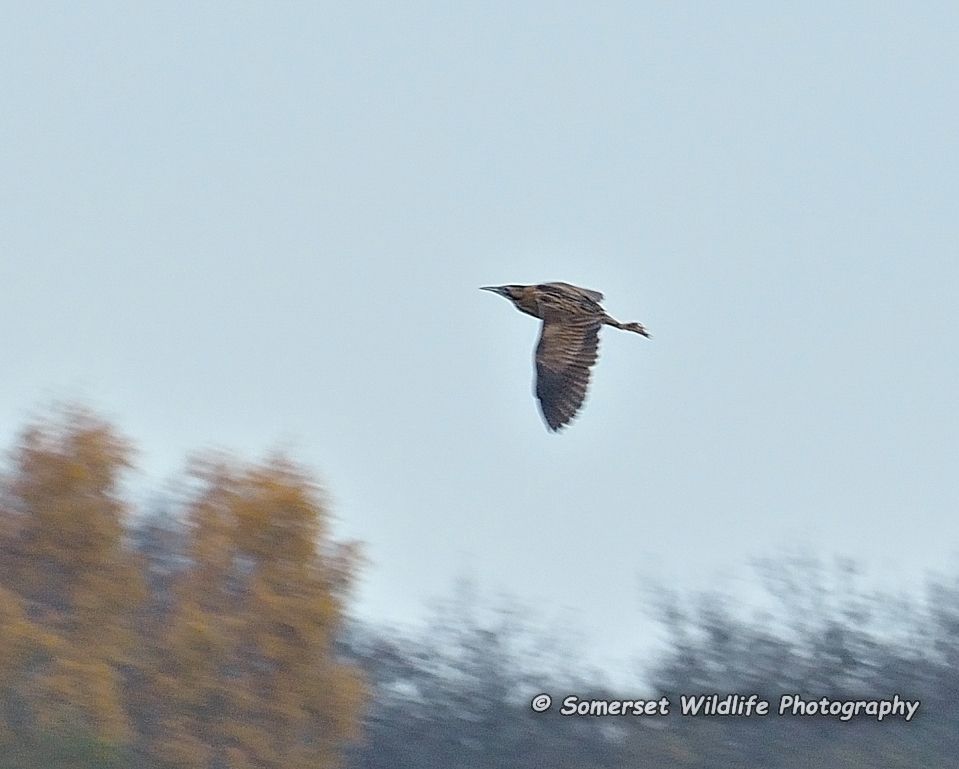
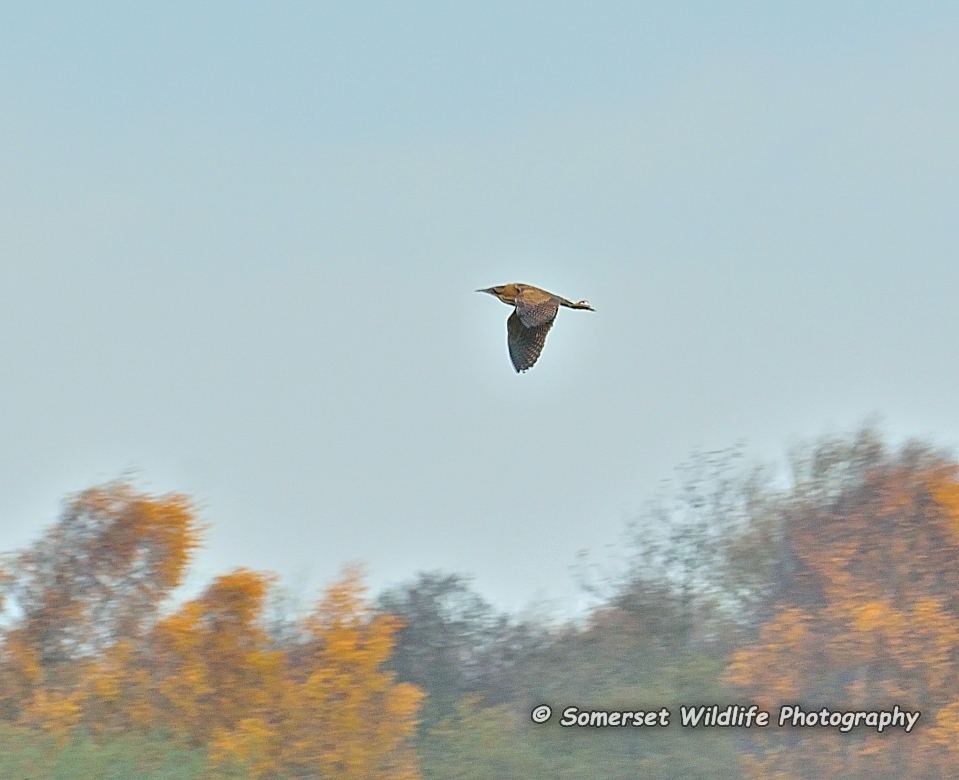
- NAME: Bittern – Botaurus stellaris / WING SPAN: 100-130cm / SOMERSET STATUS: Resident on The Somerset Levels, occasional elsewhere / DIET: Fish, amphibians and insects /
-
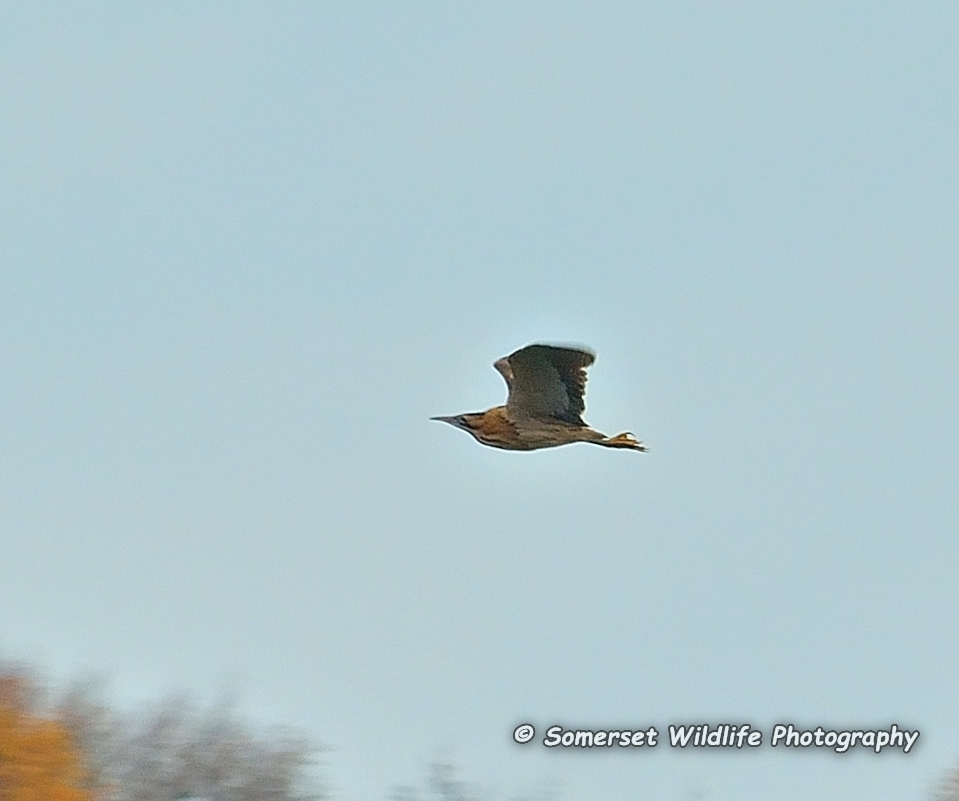
- NAME: Bittern – Botaurus stellaris / WING SPAN: 100-130cm / SOMERSET STATUS: Resident on The Somerset Levels, occasional elsewhere / DIET: Fish, amphibians and insects /
-
- NAME: Bittern – Botaurus stellaris / WING SPAN: 100-130cm / SOMERSET STATUS: Resident on The Somerset Levels, occasional elsewhere / DIET: Fish, amphibians and insects /
-
- NAME: Bittern – Botaurus stellaris / WING SPAN: 100-130cm / SOMERSET STATUS: Resident on The Somerset Levels, occasional elsewhere / DIET: Fish, amphibians and insects /

-
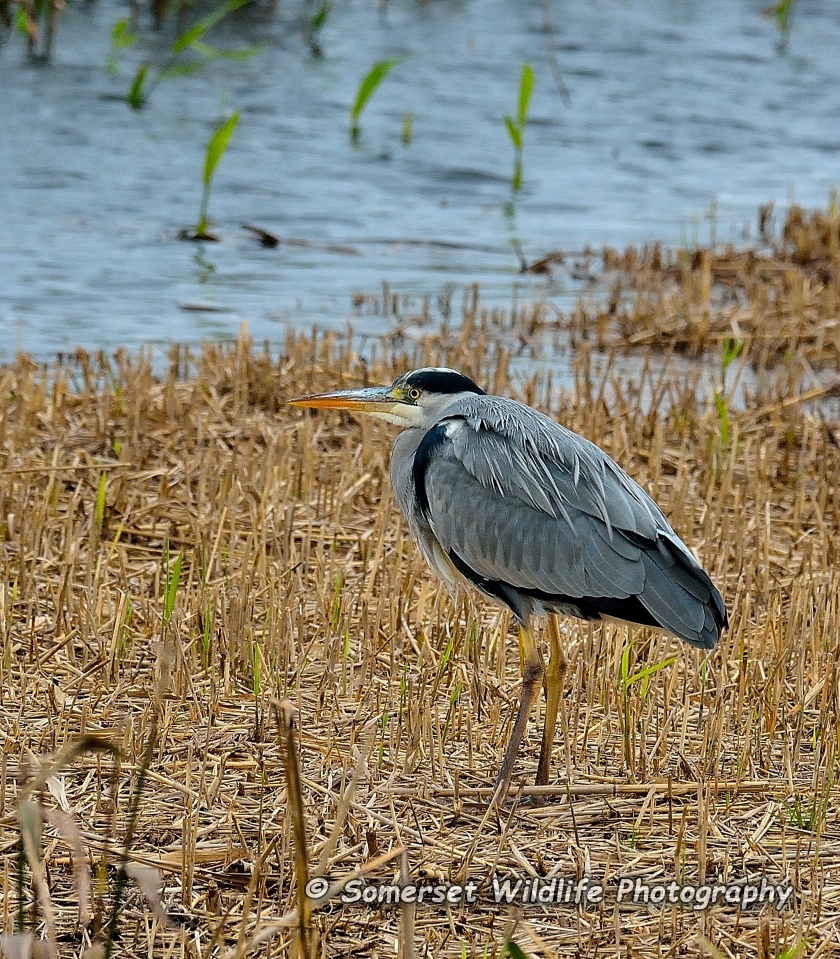
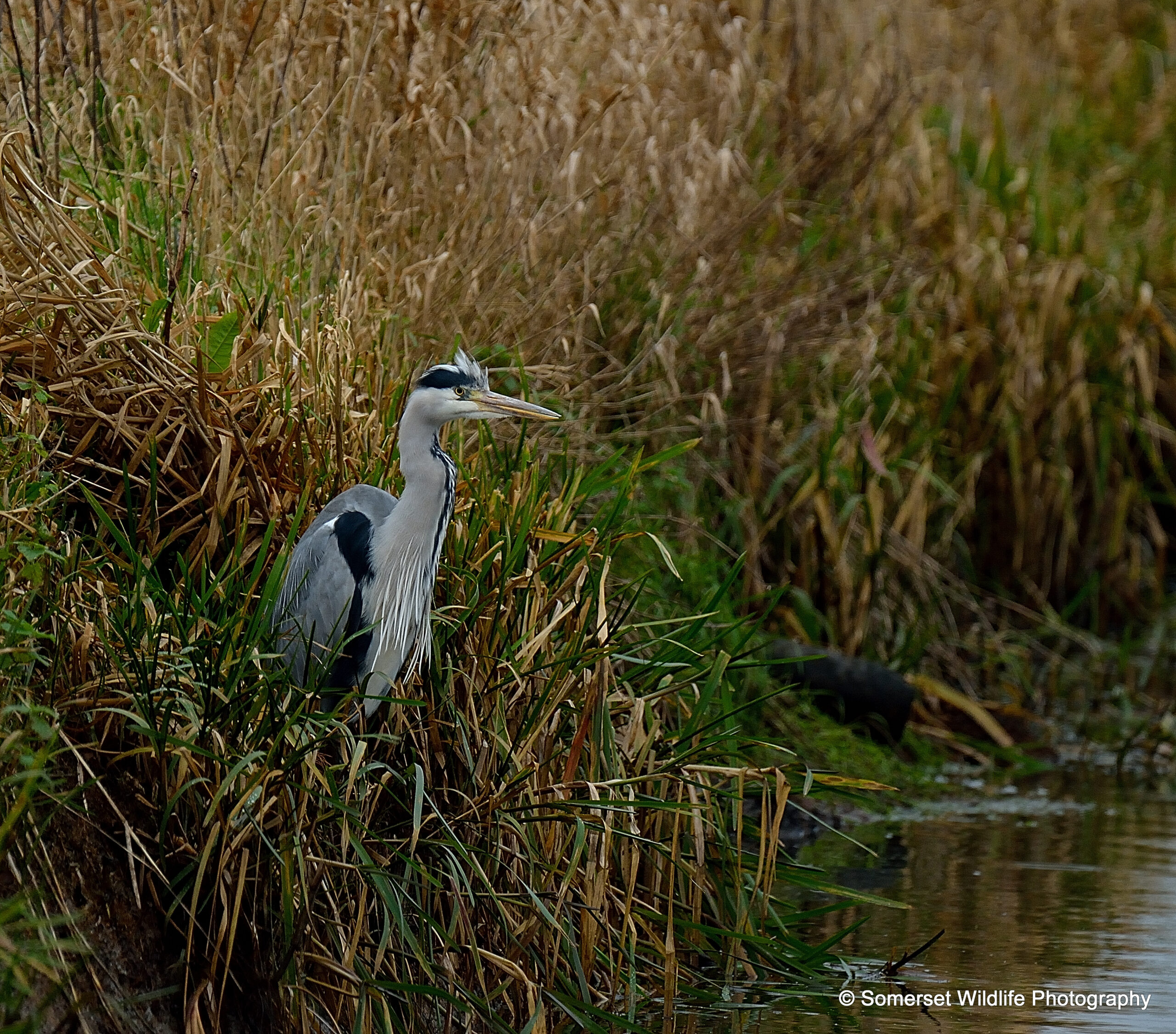
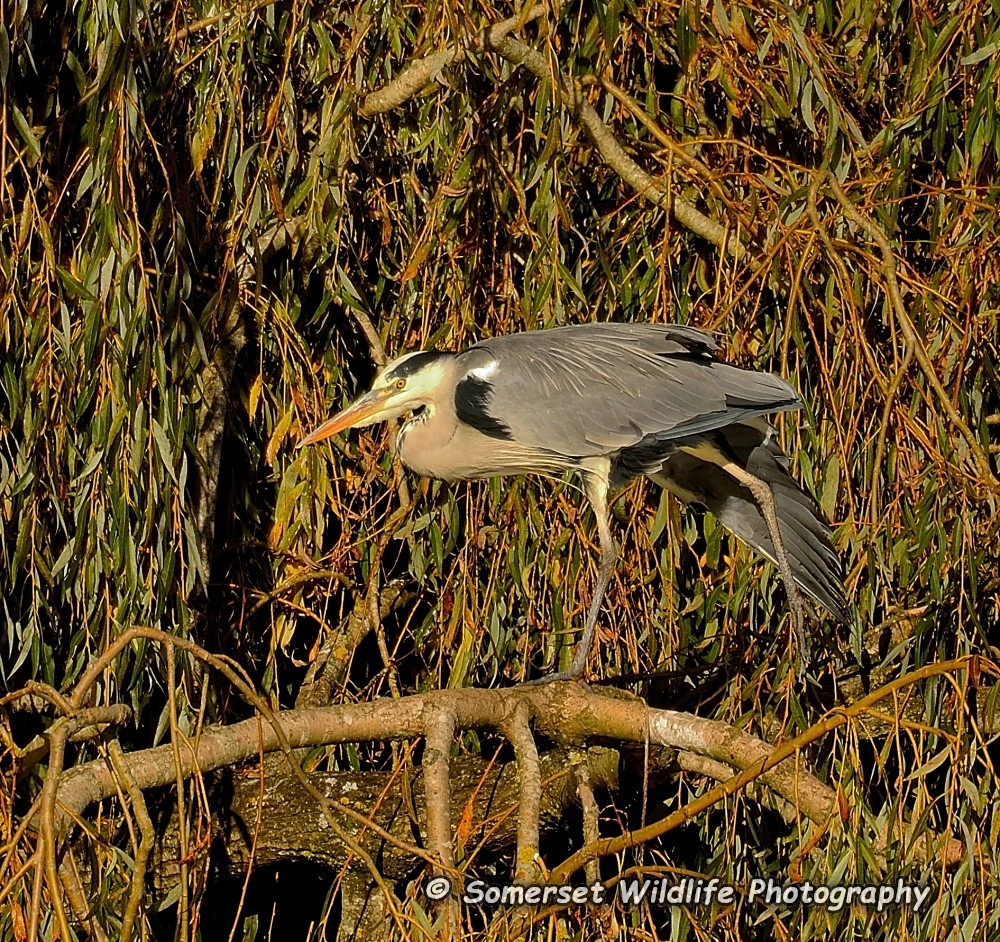
- NAME: Grey Heron – Ardea cinerea / WING SPAN: 170-195cm / SOMERSET STATUS: Common and numerous anytime of the year / DIET: Lots of fish, but also small birds such as ducklings, small mammals like voles and amphibians. After harvesting, grey herons can sometimes be seen in fields, looking for rodents /
-
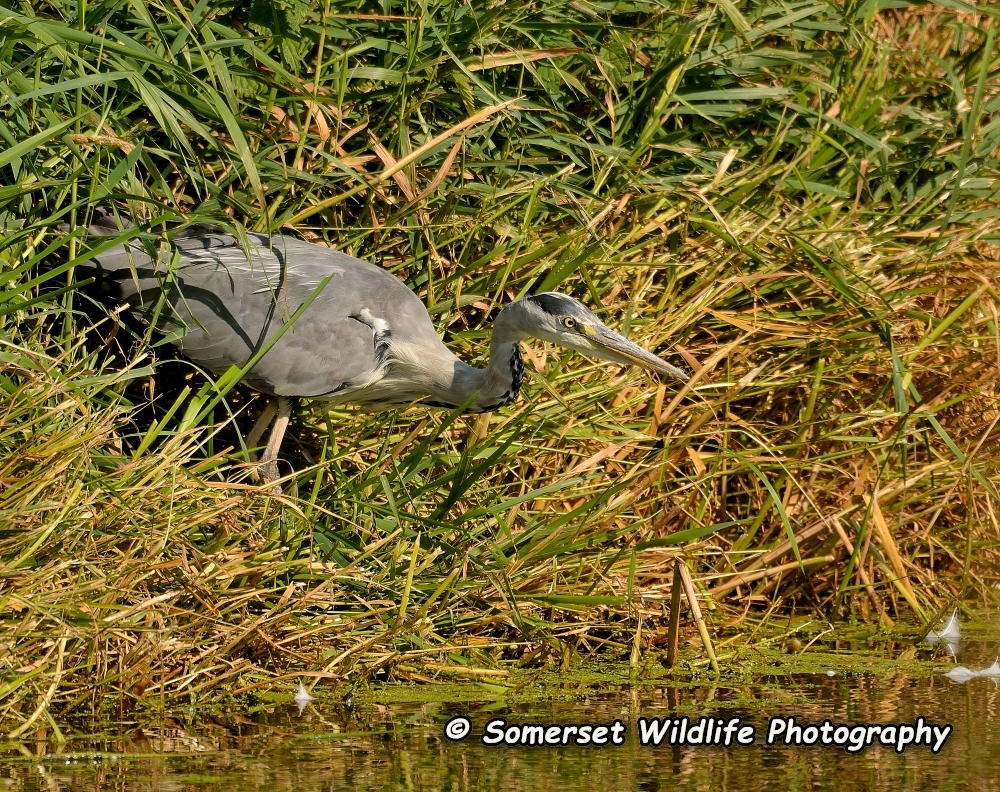
- NAME: Grey Heron – Ardea cinerea / WING SPAN: 170-195cm / SOMERSET STATUS: Common and numerous anytime of the year / DIET: Lots of fish, but also small birds such as ducklings, small mammals like voles and amphibians. After harvesting, grey herons can sometimes be seen in fields, looking for rodents /
-
- NAME: Grey Heron – Ardea cinerea / WING SPAN: 170-195cm / SOMERSET STATUS: Common and numerous anytime of the year / DIET: Lots of fish, but also small birds such as ducklings, small mammals like voles and amphibians. After harvesting, grey herons can sometimes be seen in fields, looking for rodents /

-
- NAME: Grey Heron – Ardea cinerea / WING SPAN: 170-195cm / SOMERSET STATUS: Common and numerous anytime of the year / DIET: Lots of fish, but also small birds such as ducklings, small mammals like voles and amphibians. After harvesting, grey herons can sometimes be seen in fields, looking for rodents /
-
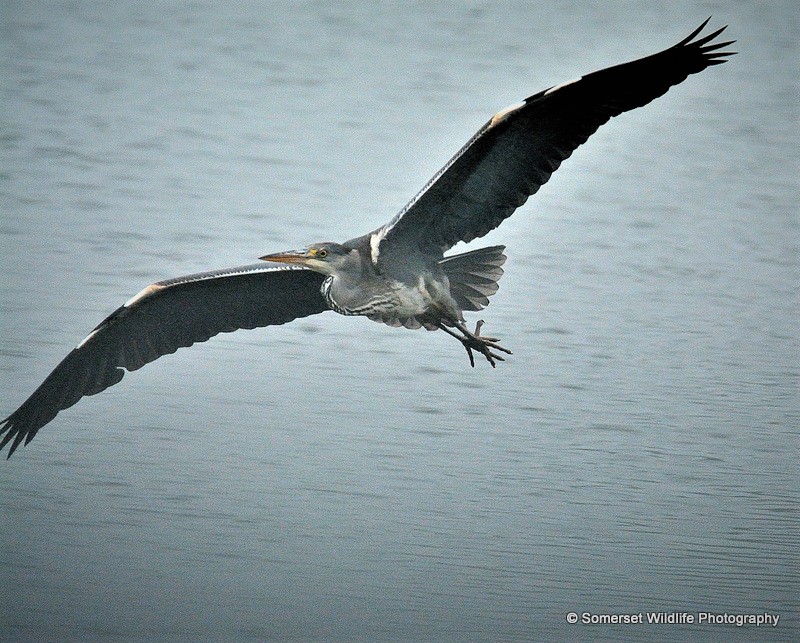
- NAME: Grey Heron – Ardea cinerea / WING SPAN: 170-195cm / SOMERSET STATUS: Common and numerous anytime of the year / DIET: Lots of fish, but also small birds such as ducklings, small mammals like voles and amphibians. After harvesting, grey herons can sometimes be seen in fields, looking for rodents /
-
- NAME: Grey Heron – Ardea cinerea / WING SPAN: 170-195cm / SOMERSET STATUS: Common and numerous anytime of the year / DIET: Lots of fish, but also small birds such as ducklings, small mammals like voles and amphibians. After harvesting, grey herons can sometimes be seen in fields, looking for rodents /
-

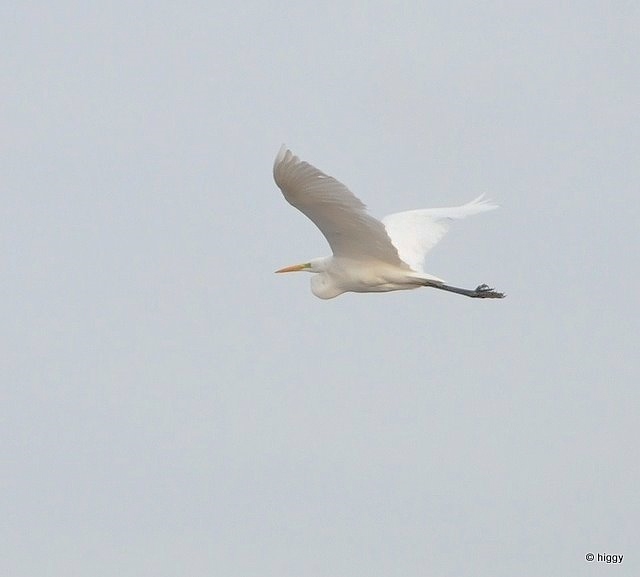
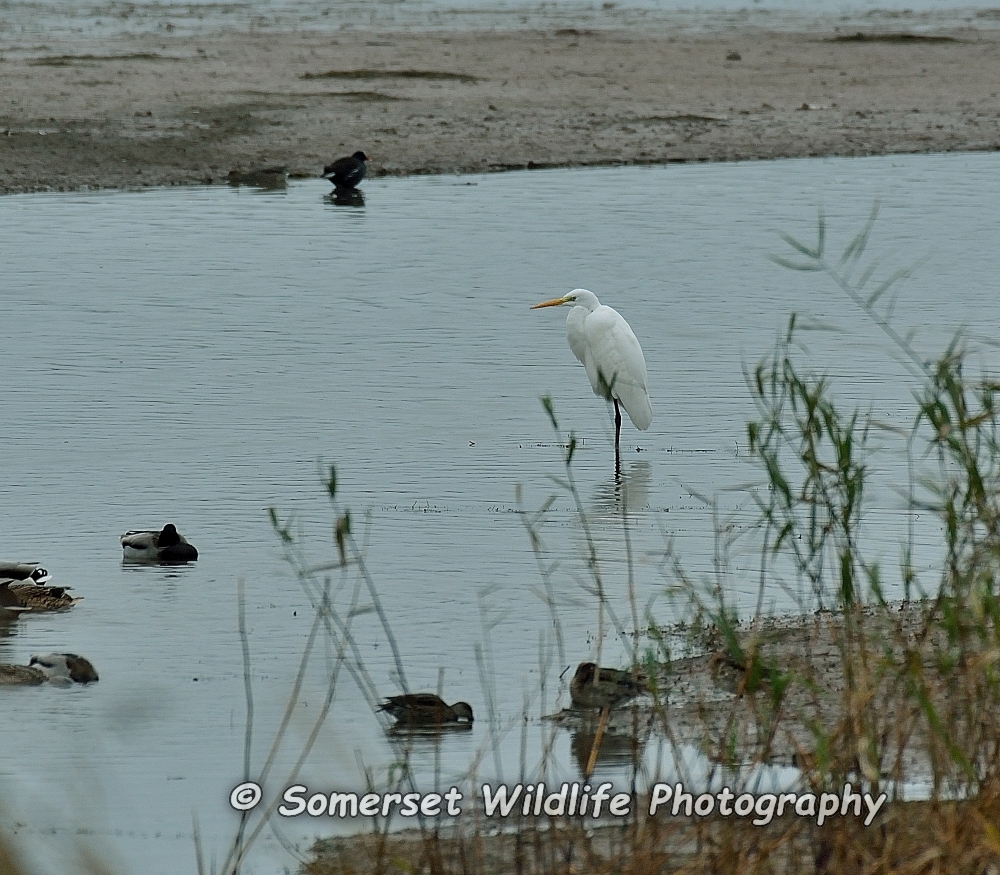
- NAME: Great White Egret – Ardea alba / WING SPAN: 130-170cm / SOMERSET STATUS: Mainly winter but anytime on The Somerset levels where they now breed and are resident / DIET: Insects, worms, reptiles, frogs and mice /

-
- NAME: Great White Egret – Ardea alba / WING SPAN: 130-170cm / SOMERSET STATUS: Mainly winter but anytime on The Somerset levels where they now breed and are resident / DIET: Insects, worms, reptiles, frogs and mice /
-
- NAME: Great White Egret – Ardea alba / WING SPAN: 130-170cm / SOMERSET STATUS: Mainly winter but anytime on The Somerset levels where they now breed and are resident / DIET: Insects, worms, reptiles, frogs and mice /
-
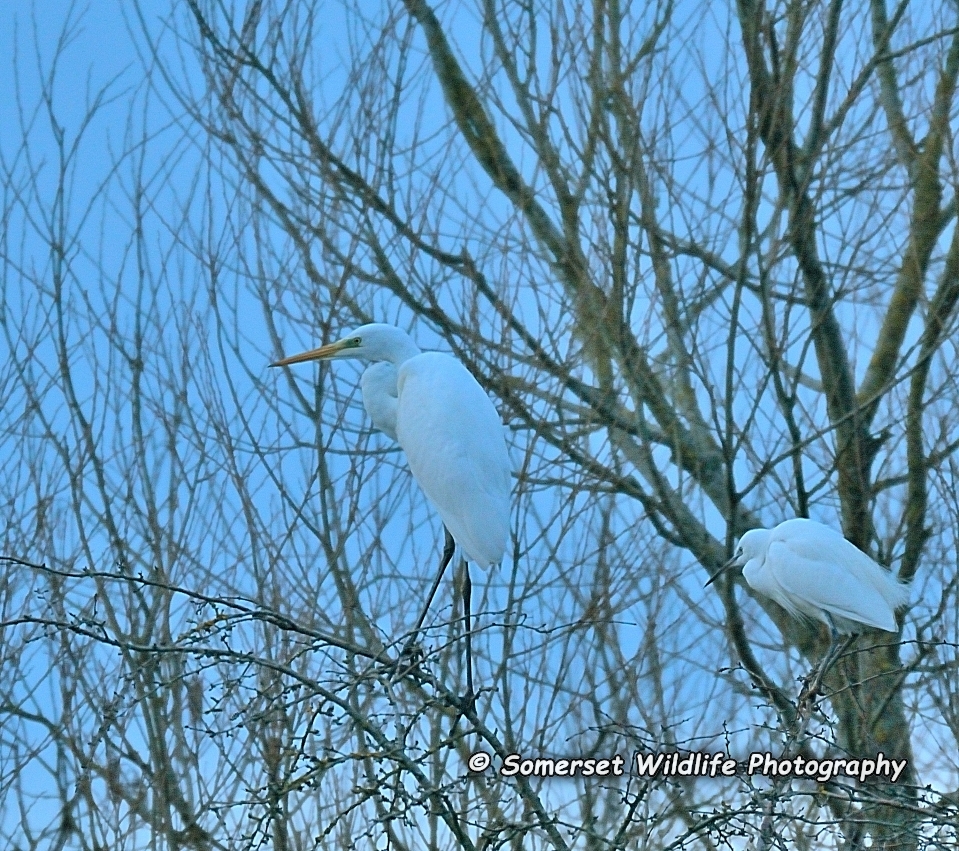
- NAME: Great White Egret – Ardea alba / WING SPAN: 130-170cm / SOMERSET STATUS: Mainly winter but anytime on The Somerset levels where they now breed and are resident / DIET: Insects, worms, reptiles, frogs and mice /
-
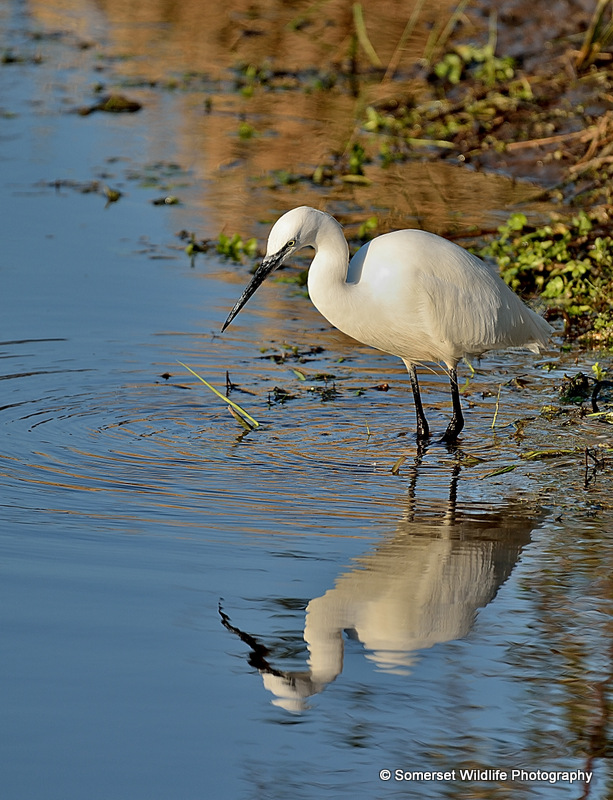
- NAME: Little Egret – Egretta garzetta / WING SPAN: 88-95cm / SOMERSET STATUS: Common and numerous anytime of the year / DIET: Fish, worms, eels /
-
- NAME: Little Egret – Egretta garzetta / WING SPAN: 88-95cm / SOMERSET STATUS: Common and numerous anytime of the year / DIET: Fish, worms, eels /

-
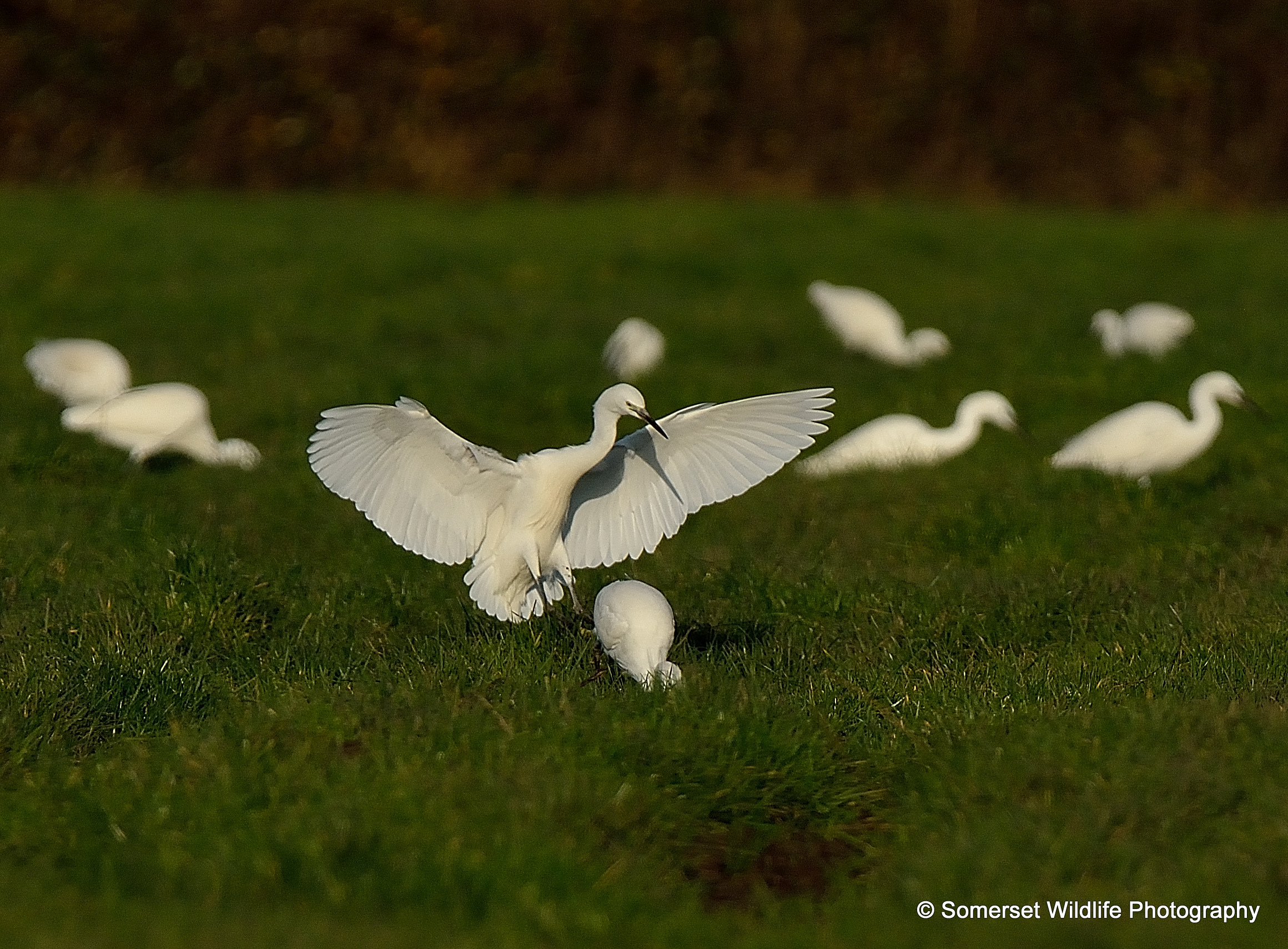
- NAME: Little Egret – Egretta garzetta / WING SPAN: 88-95cm / SOMERSET STATUS: Common and numerous anytime of the year / DIET: Fish, worms, eels /
-
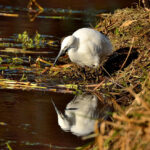
- NAME: Little Egret – Egretta garzetta / WING SPAN: 88-95cm / SOMERSET STATUS: Common and numerous anytime of the year / DIET: Fish, worms, eels /

-
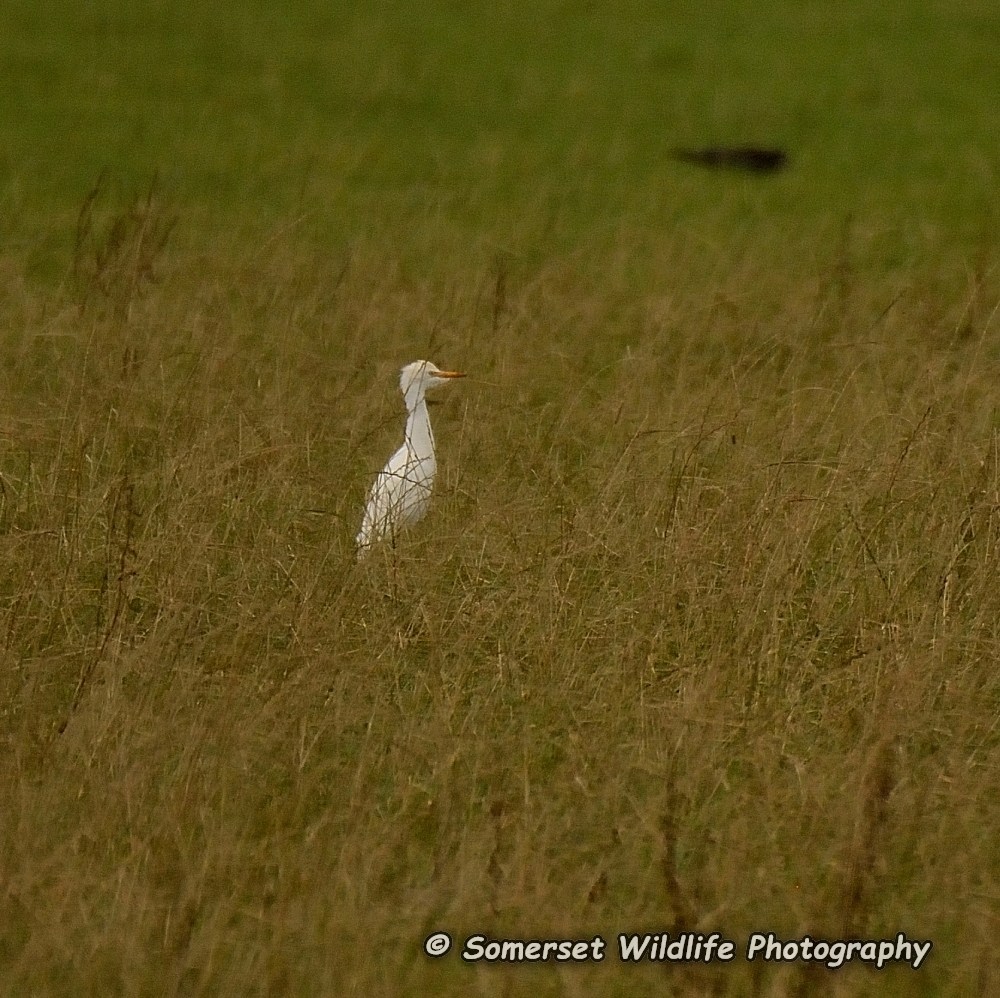
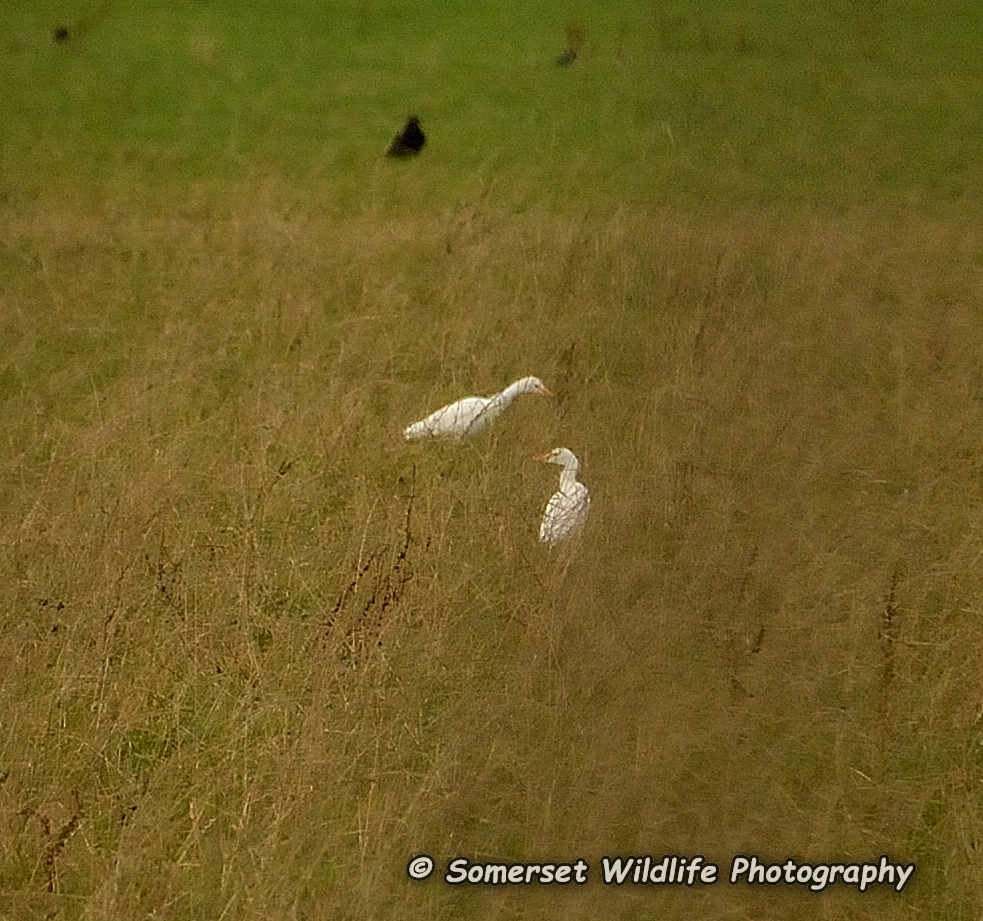
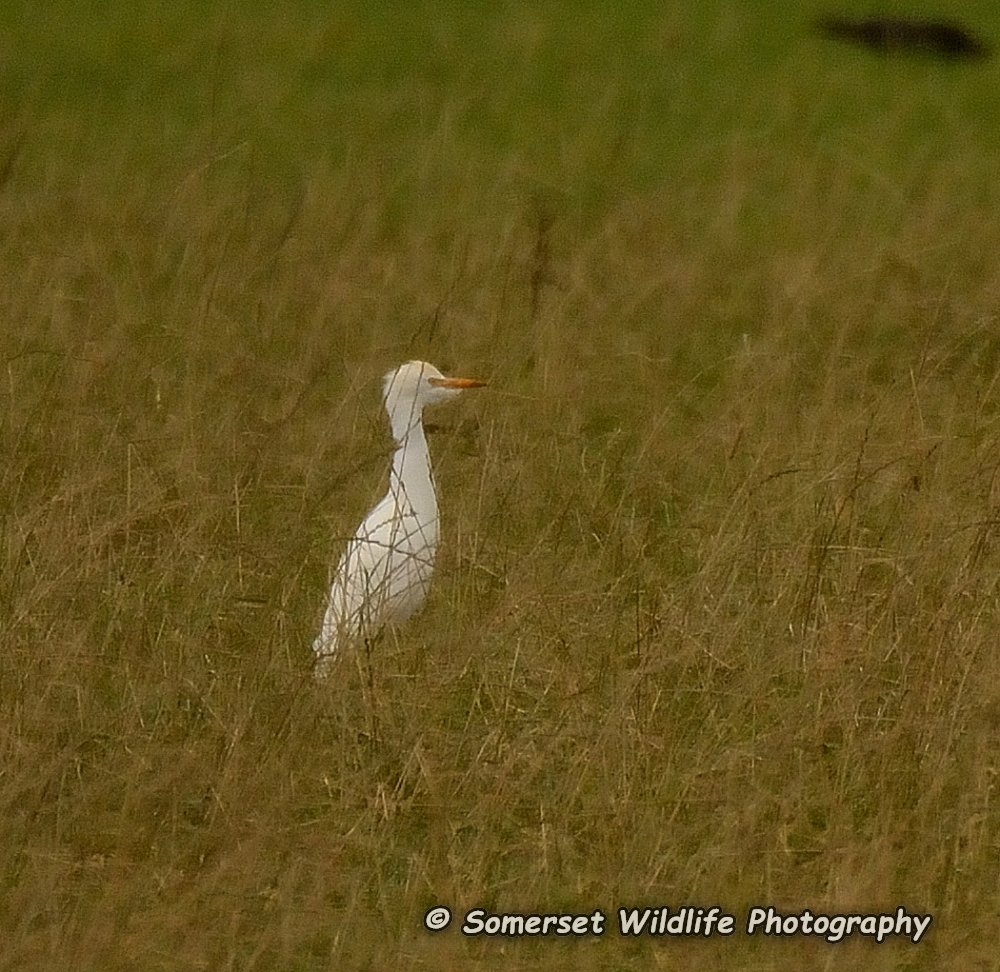
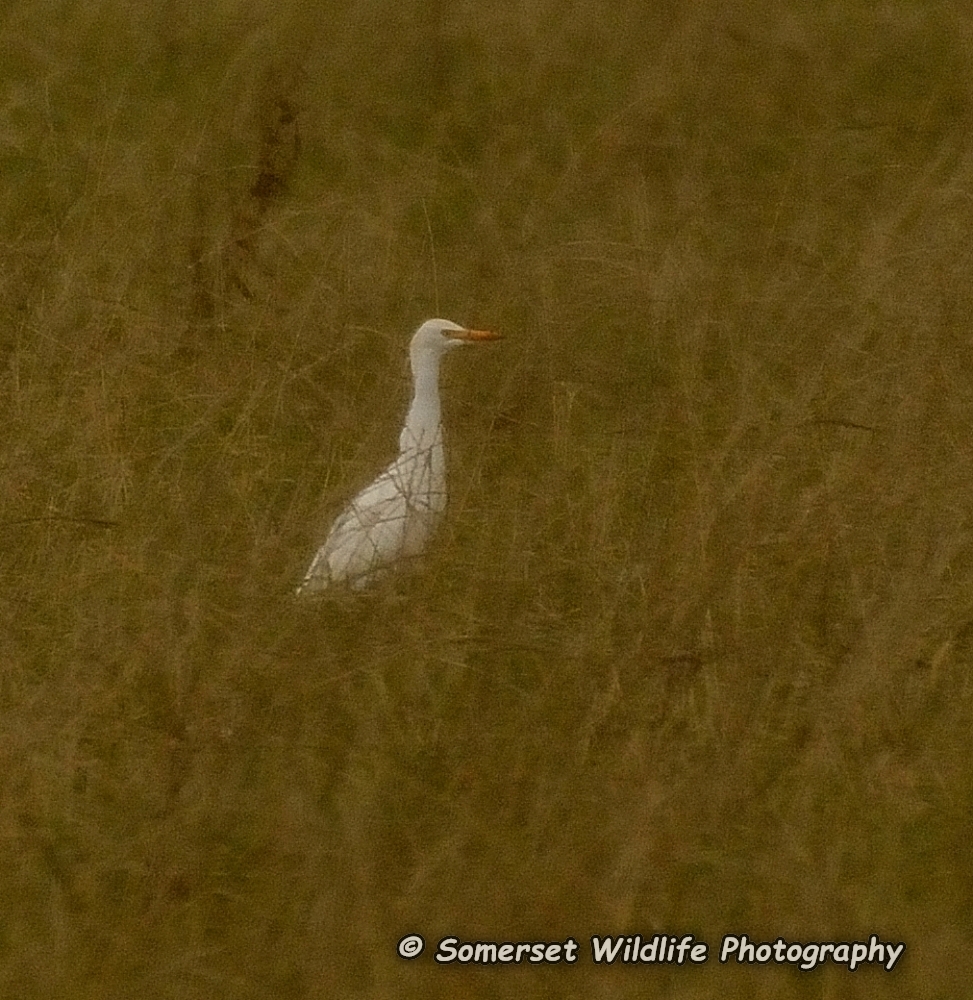
- NAME: Cattle Egret – Bubulcus ibis / WING SPAN: 82-95cm / SOMERSET STATUS: Mainly winter but anytime on The Somerset levels where they look to be starting to breed / DIET: Insects, worms, reptiles, frogs and mice /
-
- NAME: Cattle Egret – Bubulcus ibis / WING SPAN: 82-95cm / SOMERSET STATUS: Mainly winter but anytime on The Somerset levels where they look to be starting to breed / DIET: Insects, worms, reptiles, frogs and mice /
-
- NAME: Cattle Egret – Bubulcus ibis / WING SPAN: 82-95cm / SOMERSET STATUS: Mainly winter but anytime on The Somerset levels where they look to be starting to breed / DIET: Insects, worms, reptiles, frogs and mice /
-
- NAME: Cattle Egret – Bubulcus ibis / WING SPAN: 82-95cm / SOMERSET STATUS: Mainly winter but anytime on The Somerset levels where they look to be starting to breed / DIET: Insects, worms, reptiles, frogs and mice /
-
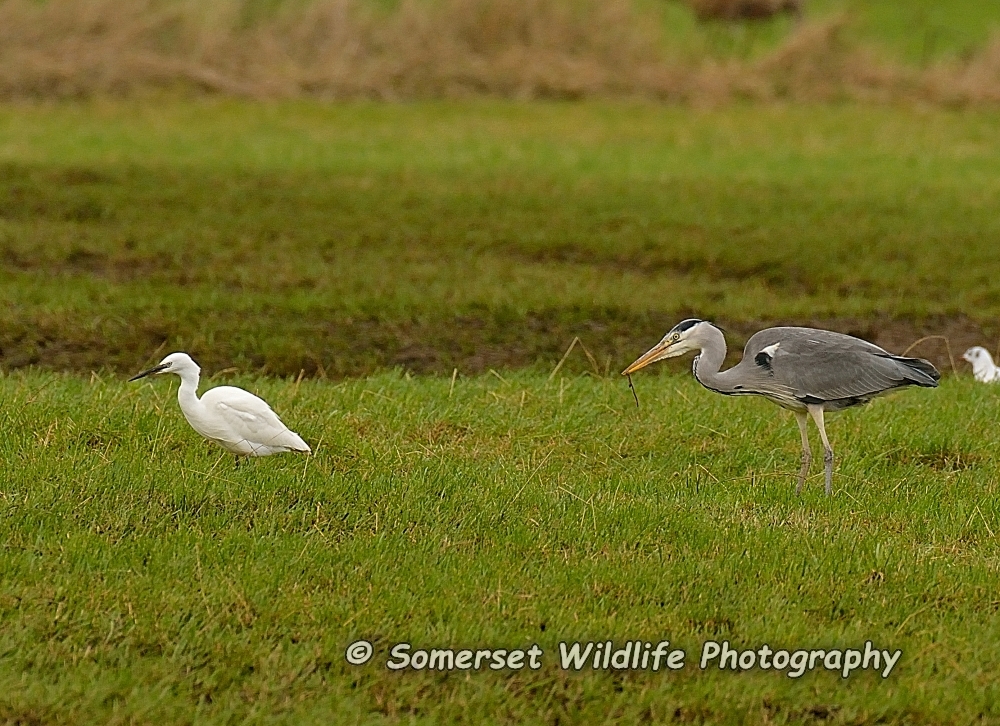
- Little Egret – Egretta garzetta and Grey Heron – Ardea cinerea for size comparison. They can often be found ‘worming’ on the soft wetland fields
-
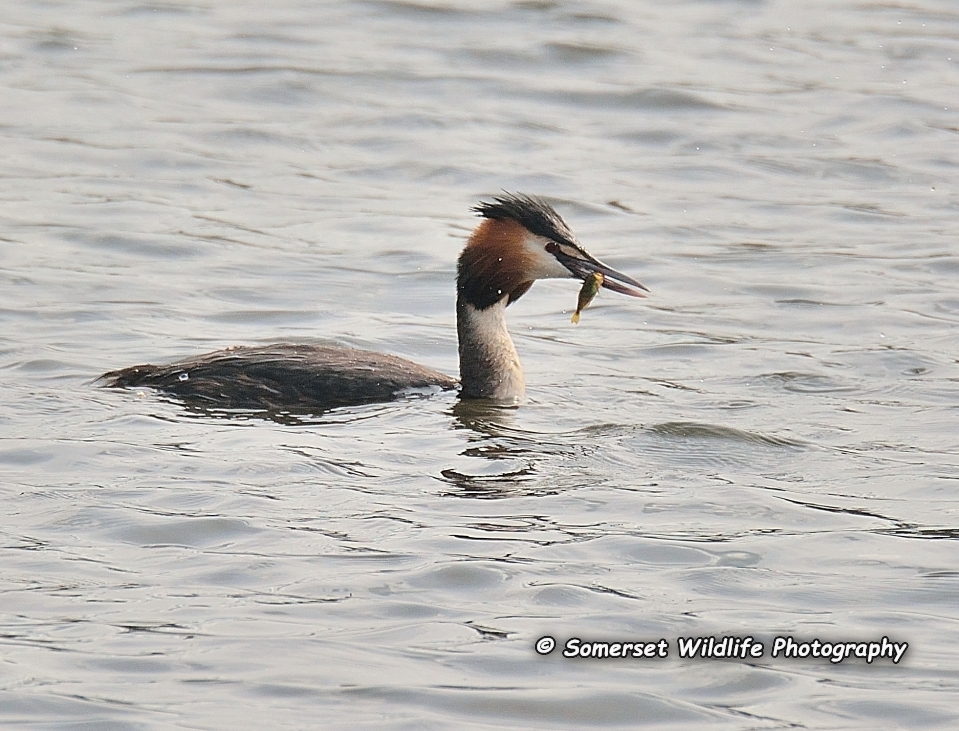
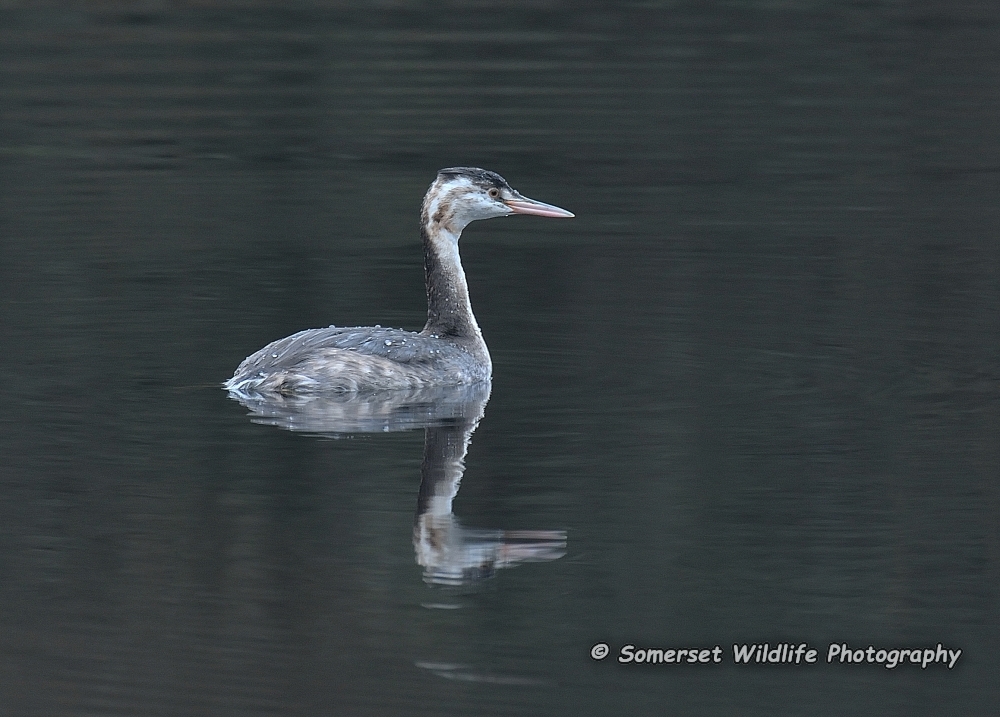
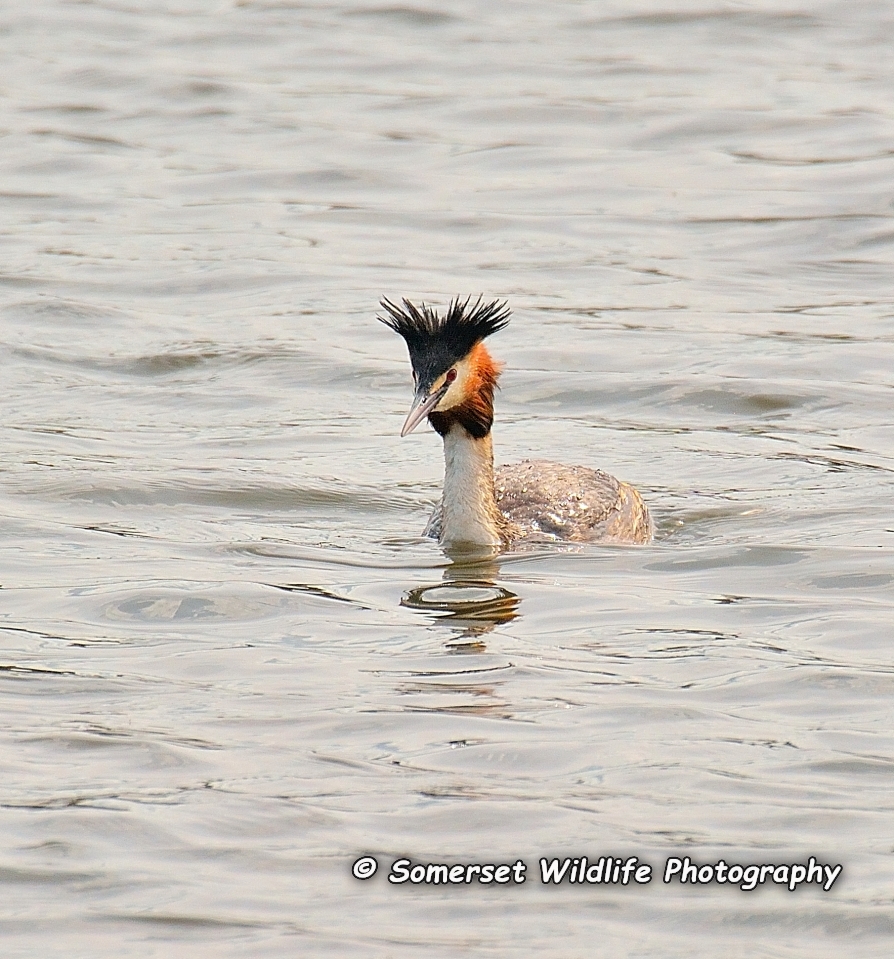
- NAME: Great Crested Grebe – Podiceps cristatus / WING SPAN: 85-90cm / SOMERSET STATUS: Common and numerous anytime of the year on inland bodies of water such as large ponds, lakes and reservoirs / DIET: Mainly fish /
-
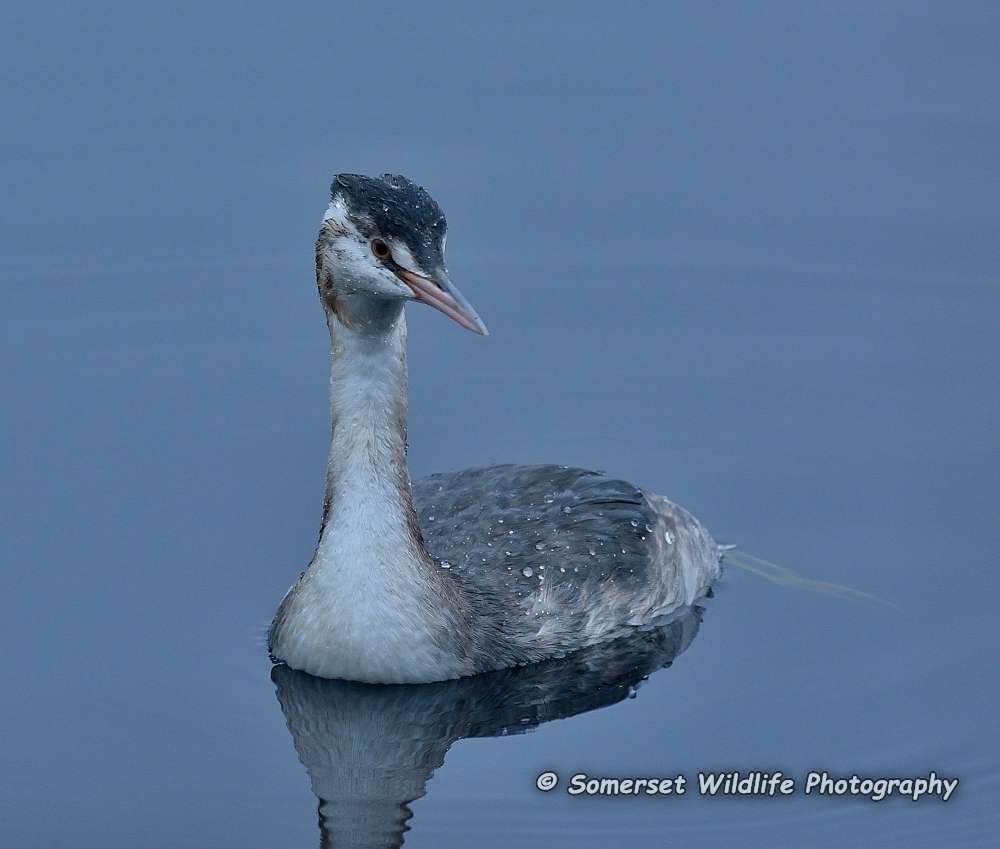
- NAME: Great Crested Grebe – Podiceps cristatus / WING SPAN: 85-90cm / SOMERSET STATUS: Common and numerous anytime of the year on inland bodies of water such as large ponds, lakes and reservoirs / DIET: Mainly fish /
-
- NAME: Great Crested Grebe – Podiceps cristatus / WING SPAN: 85-90cm / SOMERSET STATUS: Common and numerous anytime of the year on inland bodies of water such as large ponds, lakes and reservoirs / DIET: Mainly fish /
-
- NAME: Great Crested Grebe – Podiceps cristatus / WING SPAN: 85-90cm / SOMERSET STATUS: Common and numerous anytime of the year on inland bodies of water such as large ponds, lakes and reservoirs / DIET: Mainly fish /
-
- NAME: Great Crested Grebe – Podiceps cristatus / WING SPAN: 85-90cm / SOMERSET STATUS: Common and numerous anytime of the year on inland bodies of water such as large ponds, lakes and reservoirs / DIET: Mainly fish /

-
- NAME: Great Crested Grebe – Podiceps cristatus / WING SPAN: 85-90cm / SOMERSET STATUS: Common and numerous anytime of the year on inland bodies of water such as large ponds, lakes and reservoirs / DIET: Mainly fish /

-
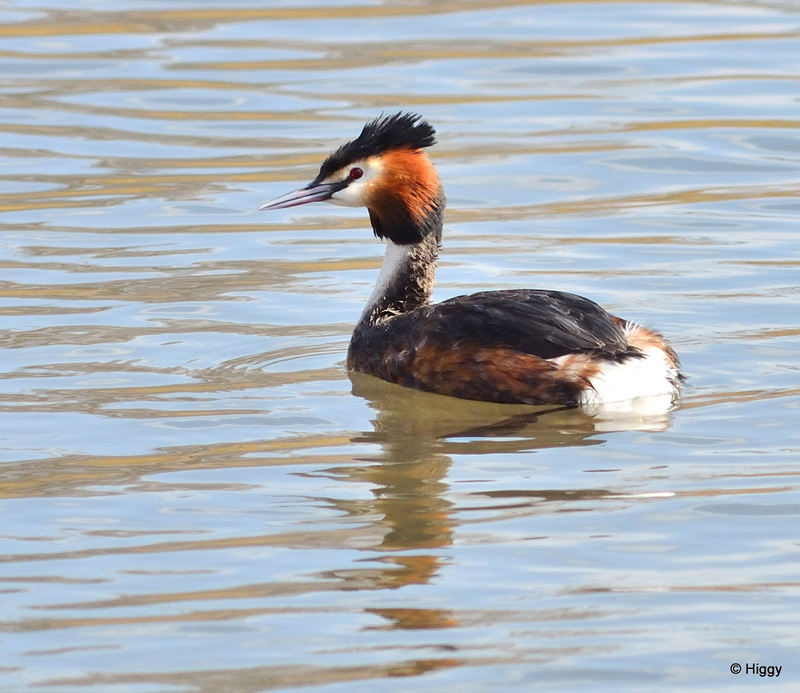
- NAME: Great Crested Grebe – Podiceps cristatus / WING SPAN: 85-90cm / SOMERSET STATUS: Common and numerous anytime of the year on inland bodies of water such as large ponds, lakes and reservoirs / DIET: Mainly fish /
-
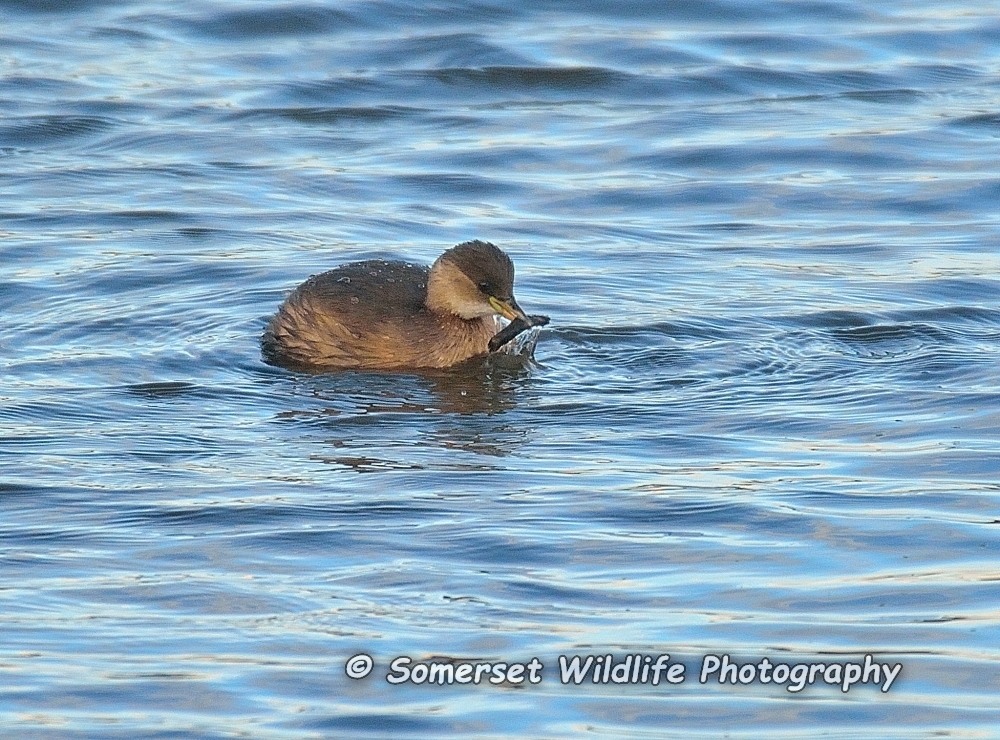
- NAME: Little Grebe – Tachybaptus ruficollis / WING SPAN: 40-45cm / SOMERSET STATUS: Common and numerous anytime of the year on inland bodies of water such as large ponds, rivers, Rhyenes lakes and reservoirs. They tend to like deep water / DIET: Insects, larvae and small fish /
-
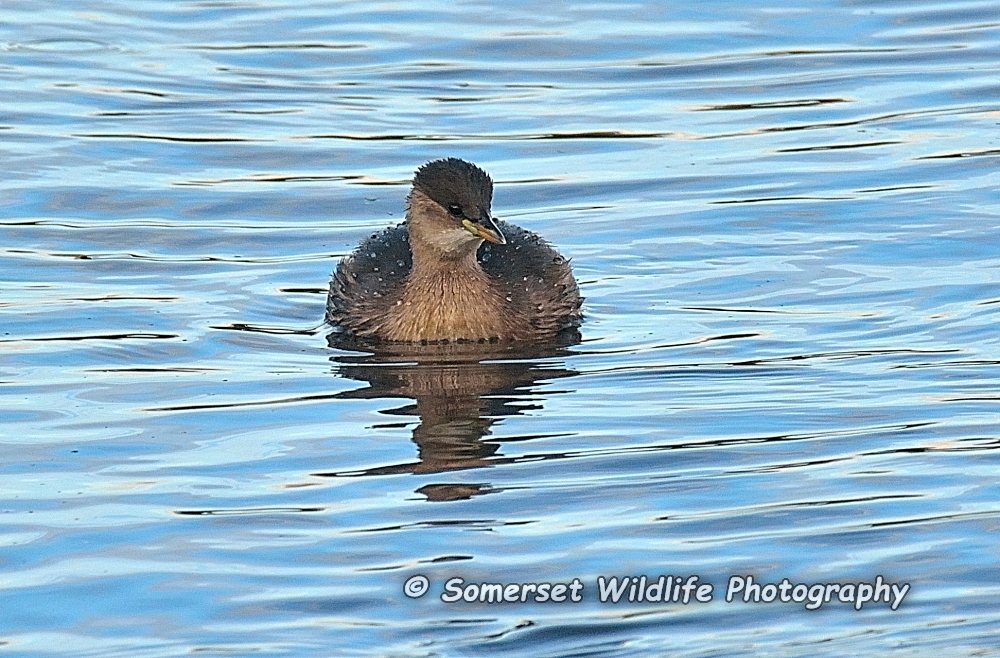
- NAME: Little Grebe – Tachybaptus ruficollis / WING SPAN: 40-45cm / SOMERSET STATUS: Common and numerous anytime of the year on inland bodies of water such as large ponds, rivers, Rhyenes lakes and reservoirs. They tend to like deep water / DIET: Insects, larvae and small fish /
-
- NAME: Little Grebe – Tachybaptus ruficollis / WING SPAN: 40-45cm / SOMERSET STATUS: Common and numerous anytime of the year on inland bodies of water such as large ponds, rivers, Rhyenes lakes and reservoirs. They tend to like deep water / DIET: Insects, larvae and small fish /

-
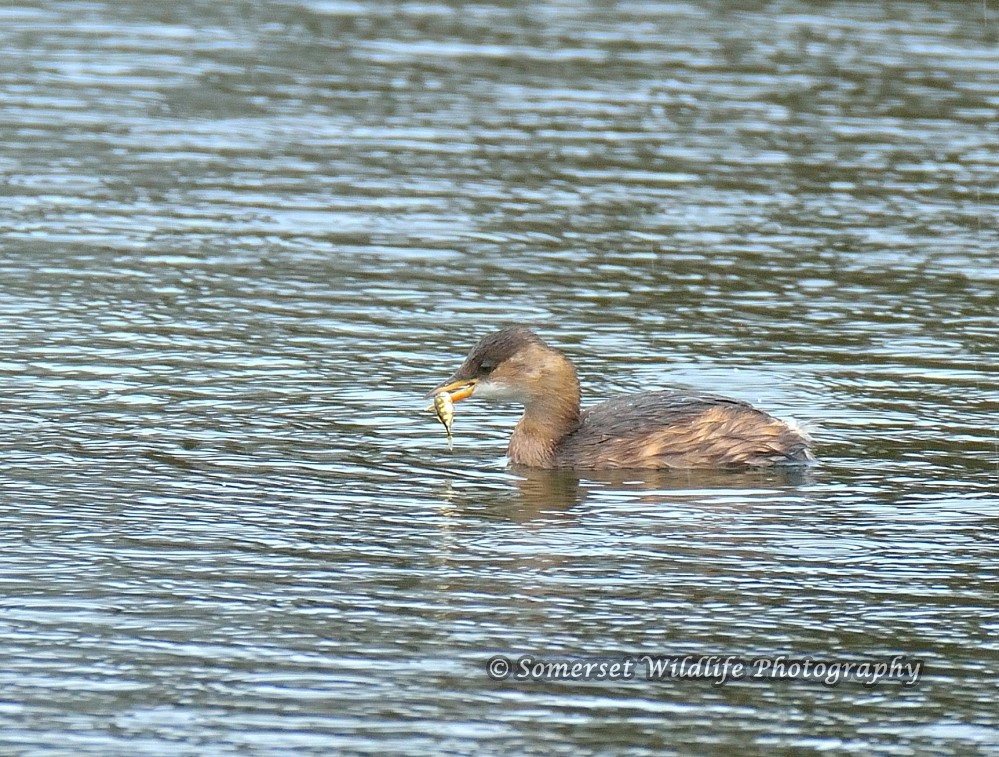
- NAME: Little Grebe – Tachybaptus ruficollis / WING SPAN: 40-45cm / SOMERSET STATUS: Common and numerous anytime of the year on inland bodies of water such as large ponds, rivers, Rhyenes lakes and reservoirs. They tend to like deep water / DIET: Insects, larvae and small fish /
-

- NAME: Little Grebe – Tachybaptus ruficollis / WING SPAN: 40-45cm / SOMERSET STATUS: Common and numerous anytime of the year on inland bodies of water such as large ponds, rivers, Rhyenes lakes and reservoirs. They tend to like deep water / DIET: Insects, larvae and small fish /

-
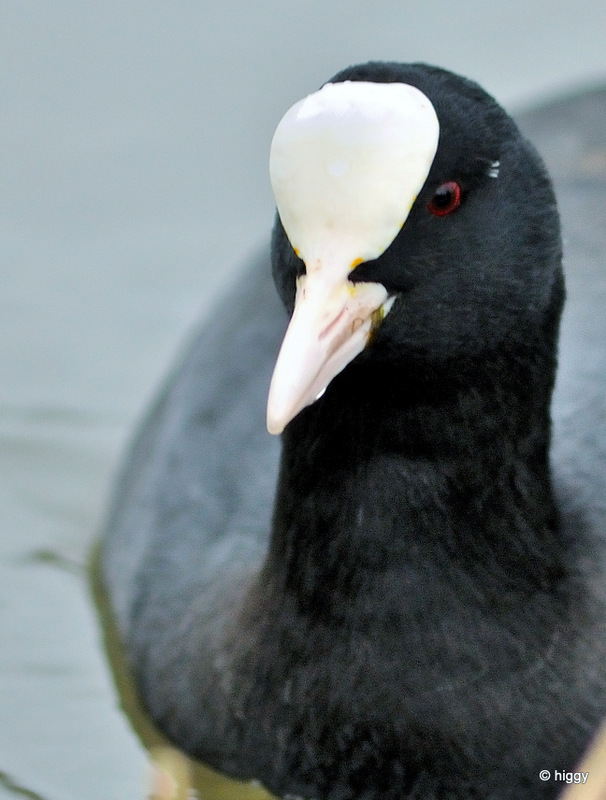
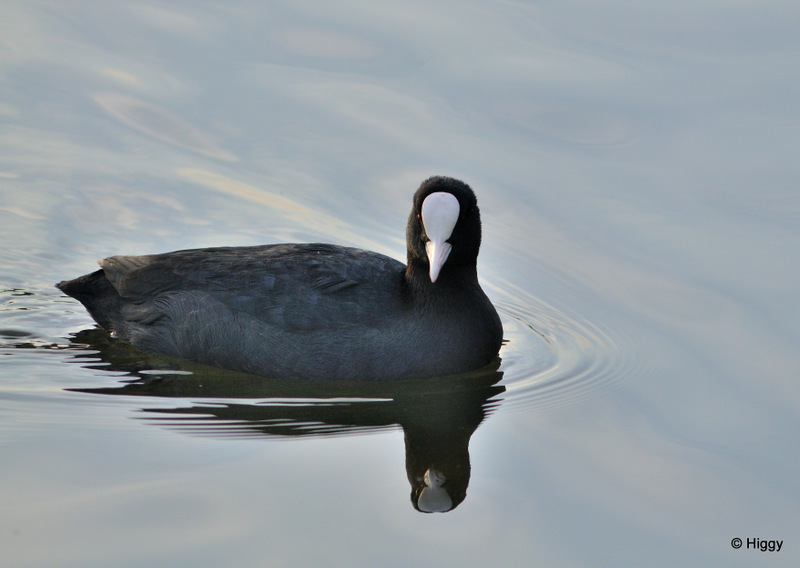
- NAME: Coot – Fulica atra / WING SPAN: 70-80cm / SOMERSET STATUS: Common and numerous anytime of the year on inland bodies of water such as large ponds, rivers, lakes and reservoirs / DIET: Vegetation, seeds, snails and insect larvae /
-
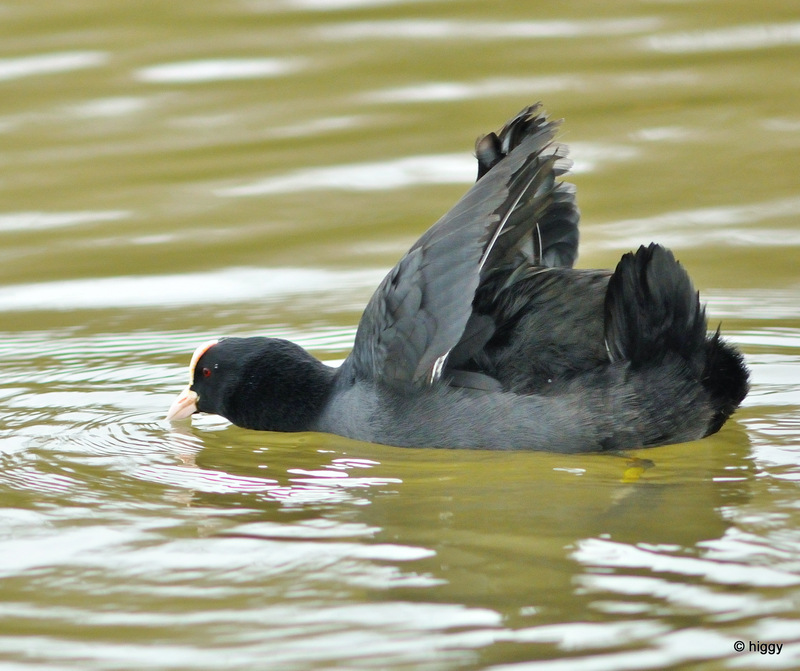
- NAME: Coot – Fulica atra / WING SPAN: 70-80cm / SOMERSET STATUS: Common and numerous anytime of the year on inland bodies of water such as large ponds, rivers, lakes and reservoirs / DIET: Vegetation, seeds, snails and insect larvae /
-

- NAME: Coot – Fulica atra / WING SPAN: 70-80cm / SOMERSET STATUS: Common and numerous anytime of the year on inland bodies of water such as large ponds, rivers, lakes and reservoirs / DIET: Vegetation, seeds, snails and insect larvae /
-
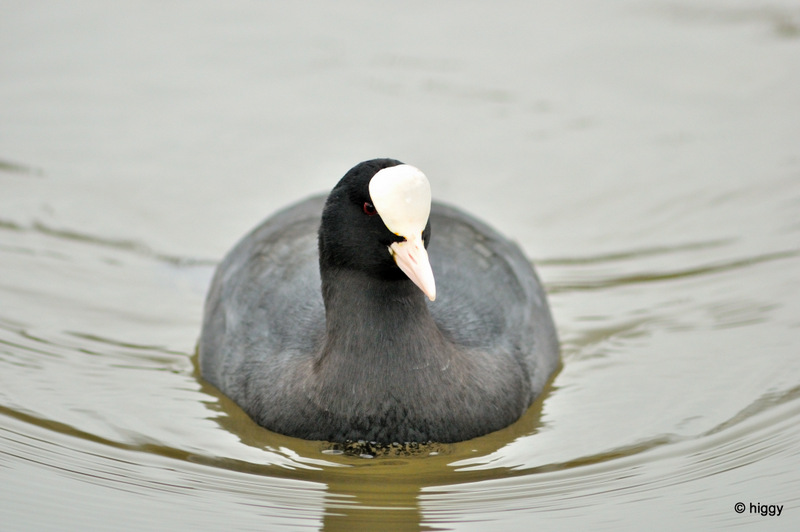
- NAME: Coot – Fulica atra / WING SPAN: 70-80cm / SOMERSET STATUS: Common and numerous anytime of the year on inland bodies of water such as large ponds, rivers, lakes and reservoirs / DIET: Vegetation, seeds, snails and insect larvae /
-
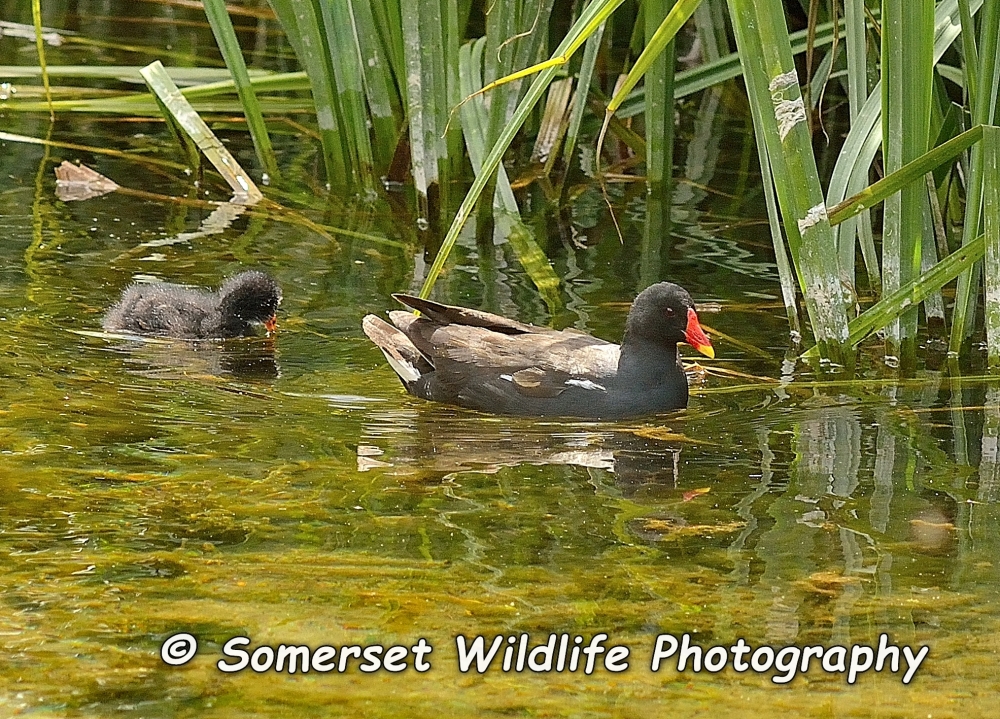
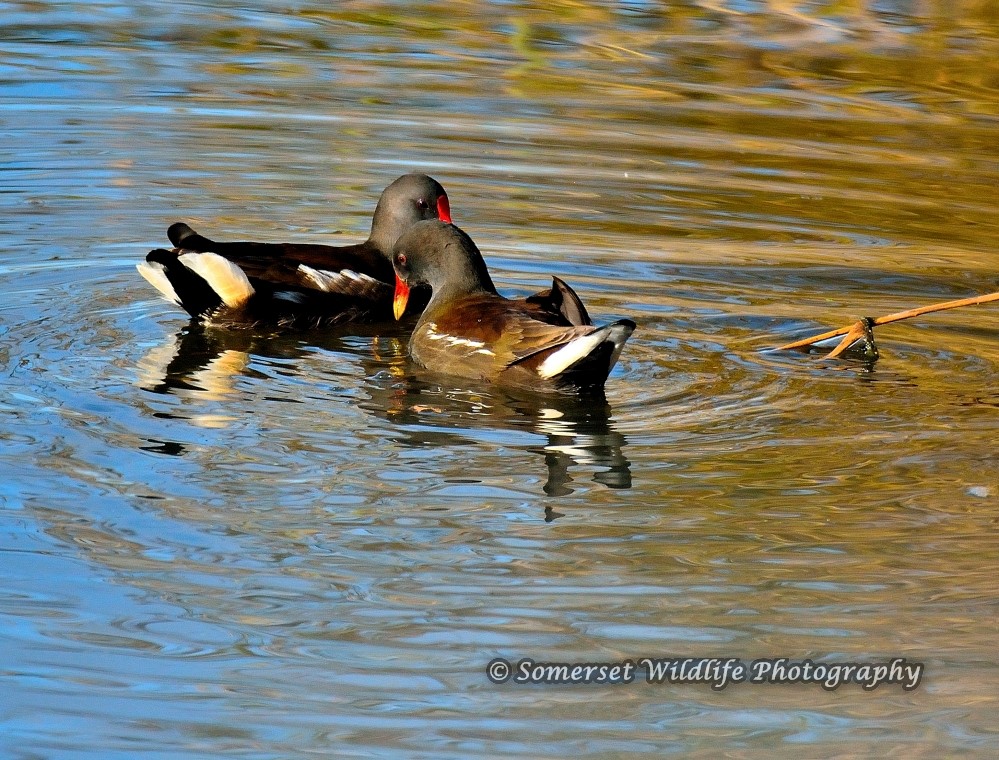
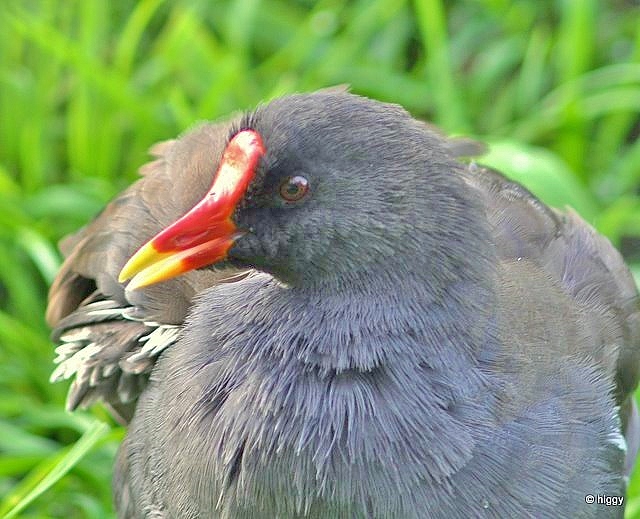
- NAME: Moorhen – Gallinula chloropus / WING SPAN: 50-55cm / SOMERSET STATUS: Common and numerous anytime of the year on inland bodies of water such as large ponds, rivers, lakes and reservoirs / DIET: Water plants, seeds, fruit, grasses, insects, snails, worms and small fish /
-
- NAME: Moorhen – Gallinula chloropus / WING SPAN: 50-55cm / SOMERSET STATUS: Common and numerous anytime of the year on inland bodies of water such as large ponds, rivers, lakes and reservoirs / DIET: Water plants, seeds, fruit, grasses, insects, snails, worms and small fish /
-
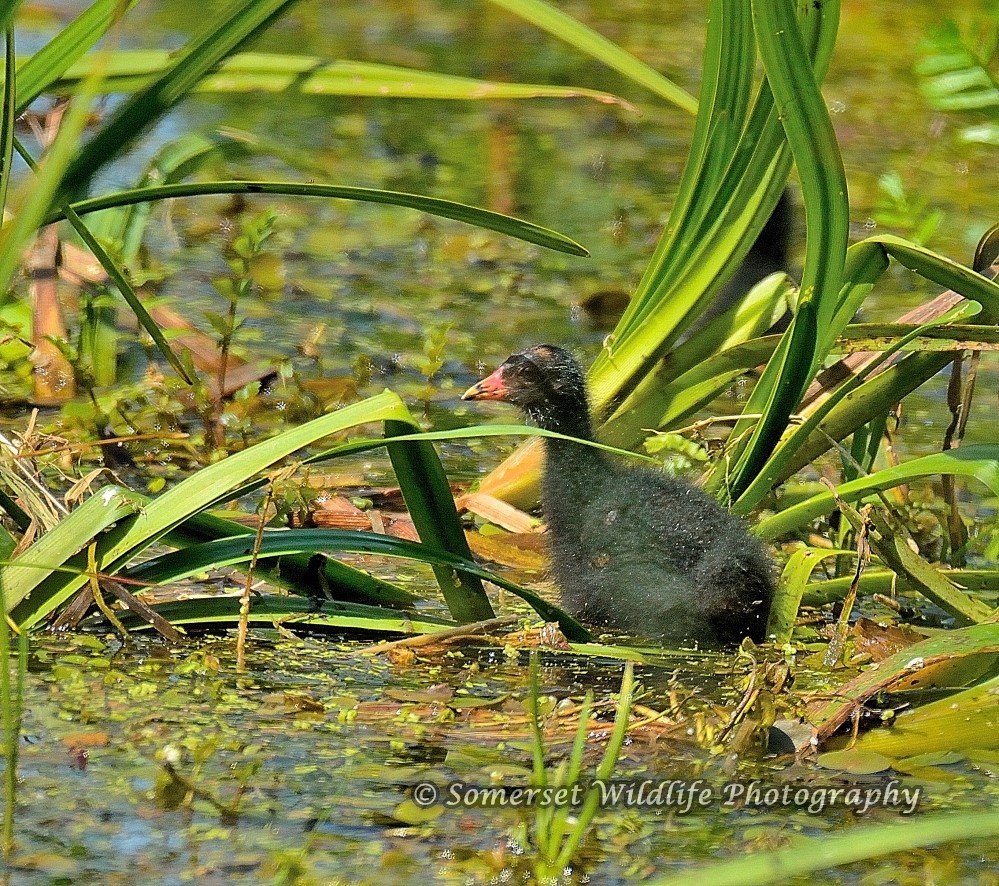
- NAME: Moorhen – Gallinula chloropus / WING SPAN: 50-55cm / SOMERSET STATUS: Common and numerous anytime of the year on inland bodies of water such as large ponds, rivers, lakes and reservoirs / DIET: Water plants, seeds, fruit, grasses, insects, snails, worms and small fish /
-
- NAME: Moorhen – Gallinula chloropus / WING SPAN: 50-55cm / SOMERSET STATUS: Common and numerous anytime of the year on inland bodies of water such as large ponds, rivers, lakes and reservoirs / DIET: Water plants, seeds, fruit, grasses, insects, snails, worms and small fish /
-
- NAME: Moorhen – Gallinula chloropus / WING SPAN: 50-55cm / SOMERSET STATUS: Common and numerous anytime of the year on inland bodies of water such as large ponds, rivers, lakes and reservoirs / DIET: Water plants, seeds, fruit, grasses, insects, snails, worms and small fish /

-
- NAME: Water rail – Rallus aquaticus / WING SPAN: 38-45cm / SOMERSET STATUS: Anytime of the year on inland bodies of water such as large ponds, rivers, lakes and reservoirs and small drains. They are very secretive and often difficult to find. / DIET: Omnivorous – mainly small fish, snails and insects /
-
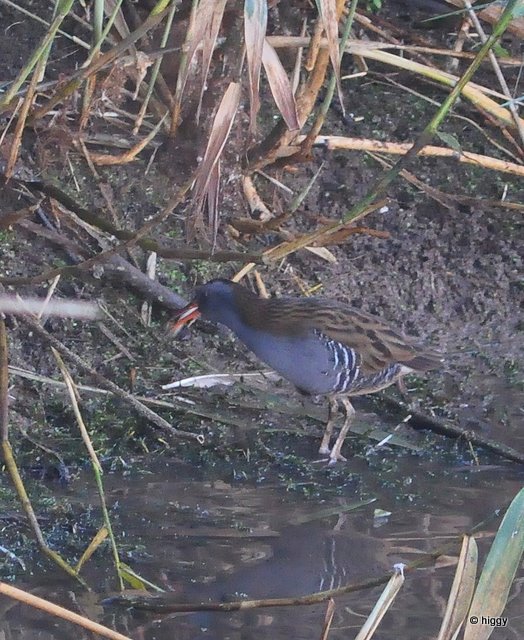
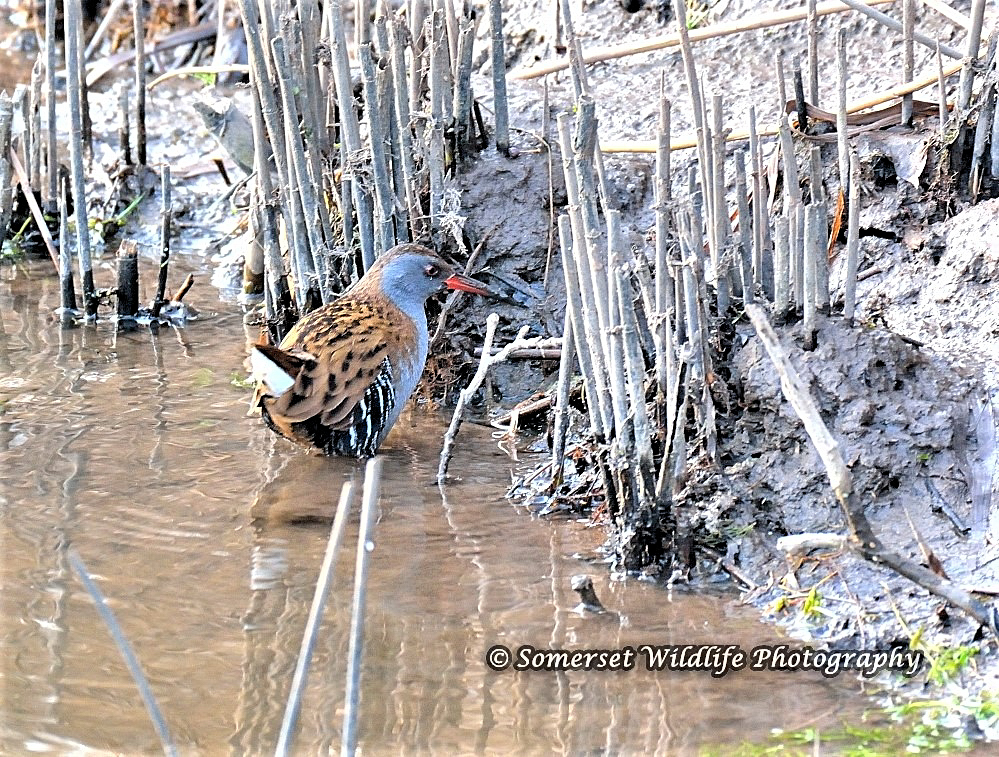
- NAME: Water rail – Rallus aquaticus / WING SPAN: 38-45cm / SOMERSET STATUS: Anytime of the year on inland bodies of water such as large ponds, rivers, lakes and reservoirs and small drains. They are very secretive and often difficult to find. / DIET: Omnivorous – mainly small fish, snails and insects /
-
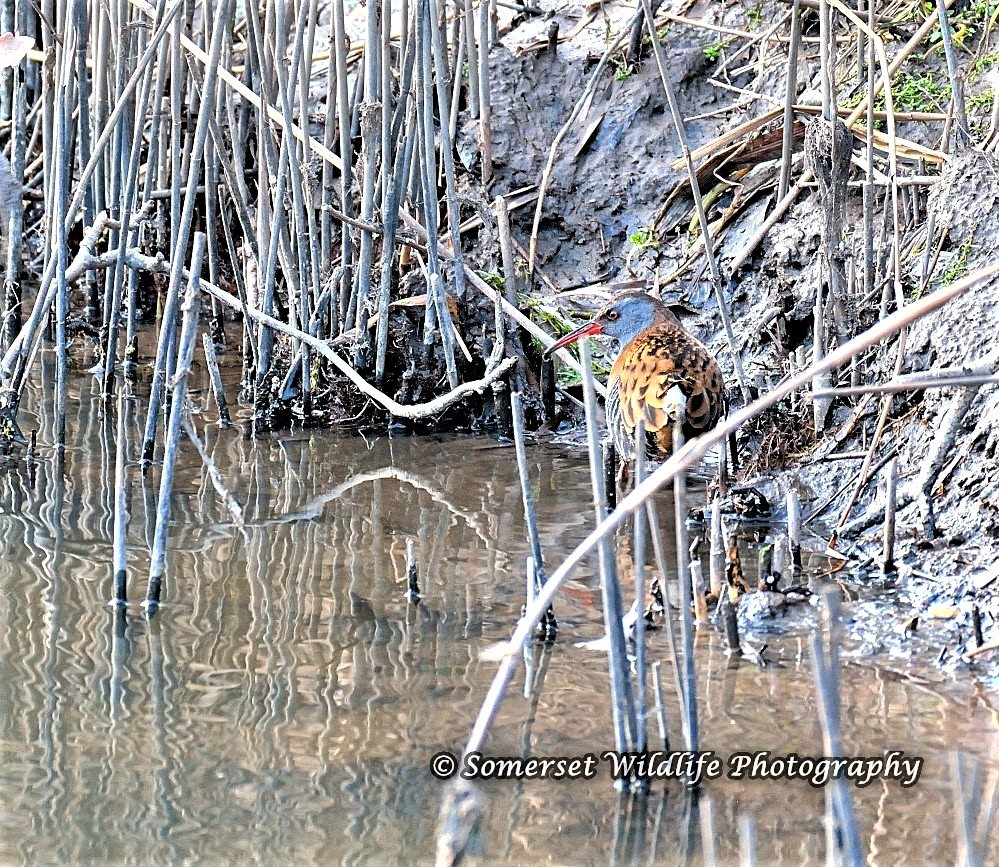
- NAME: Water rail – Rallus aquaticus / WING SPAN: 38-45cm / SOMERSET STATUS: Anytime of the year on inland bodies of water such as large ponds, rivers, lakes and reservoirs and small drains. They are very secretive and often difficult to find. / DIET: Omnivorous – mainly small fish, snails and insects /
-
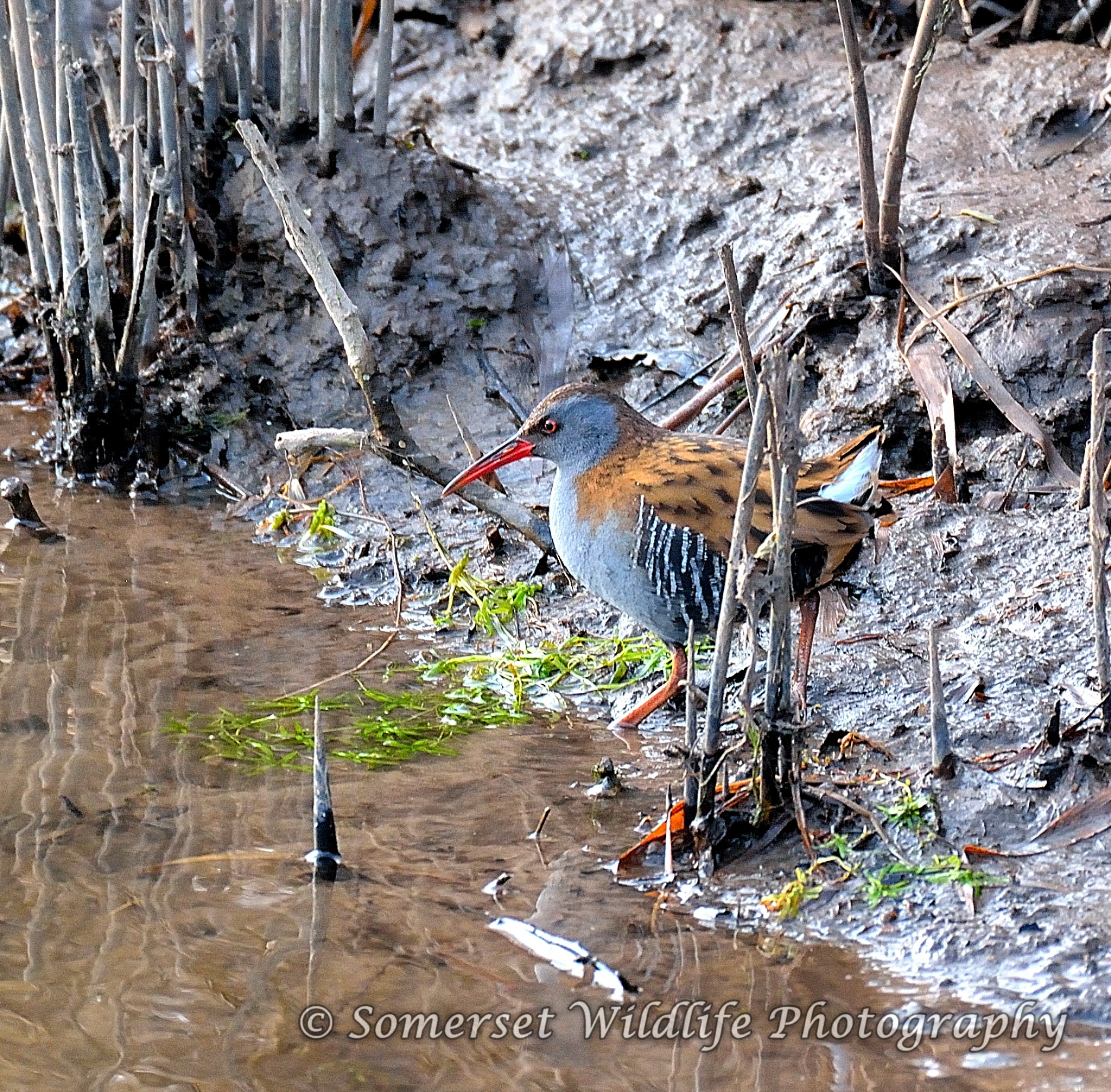
- NAME: Water rail – Rallus aquaticus / WING SPAN: 38-45cm / SOMERSET STATUS: Anytime of the year on inland bodies of water such as large ponds, rivers, lakes and reservoirs and small drains. They are very secretive and often difficult to find. / DIET: Omnivorous – mainly small fish, snails and insects /
-
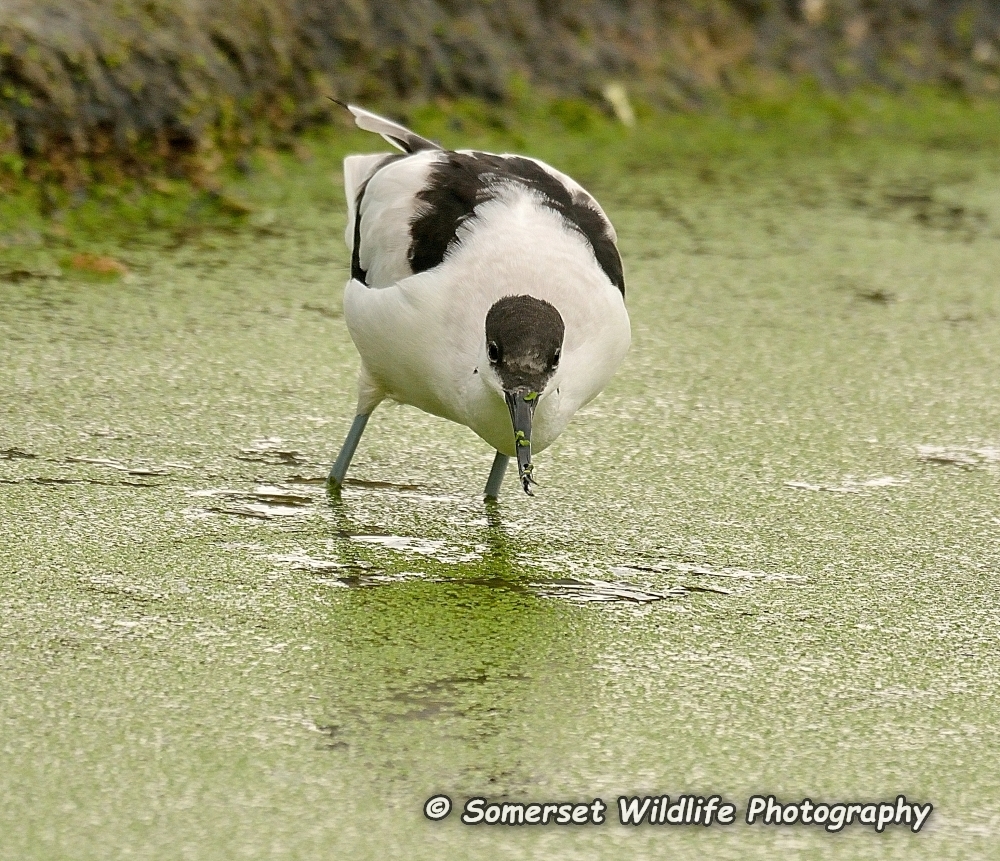
- NAME: Avocet – Recurvirostra avosetta / WING SPAN: 77-80cm / SOMERSET STATUS: Winter passage occasionally found in the Bristol Channel / DIET: Aquatic insects and their larvae, crustaceans and worms /
-
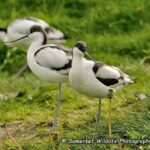
- NAME: Avocet – Recurvirostra avosetta / WING SPAN: 77-80cm / SOMERSET STATUS: Winter passage occasionally found in the Bristol Channel / DIET: Aquatic insects and their larvae, crustaceans and worms /

-
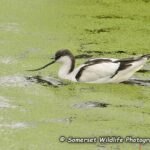
- NAME: Avocet – Recurvirostra avosetta / WING SPAN: 77-80cm / SOMERSET STATUS: Winter passage occasionally found in the Bristol Channel / DIET: Aquatic insects and their larvae, crustaceans and worms /

-
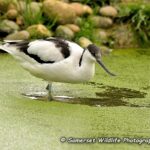
- NAME: Avocet – Recurvirostra avosetta / WING SPAN: 77-80cm / SOMERSET STATUS: Winter passage occasionally found in the Bristol Channel / DIET: Aquatic insects and their larvae, crustaceans and worms /

-
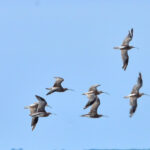
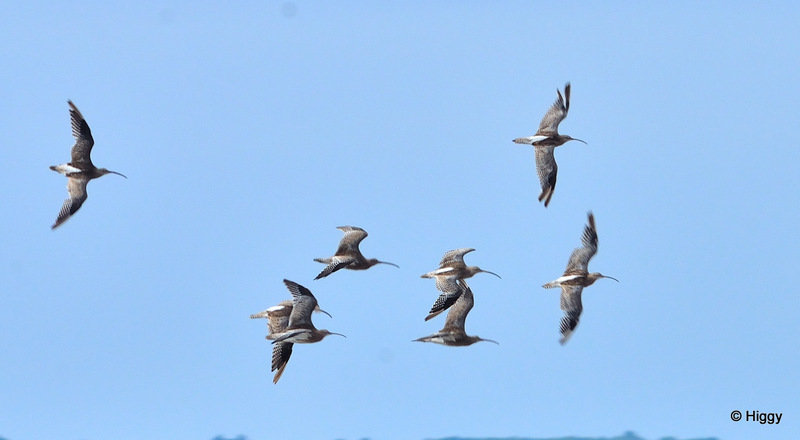
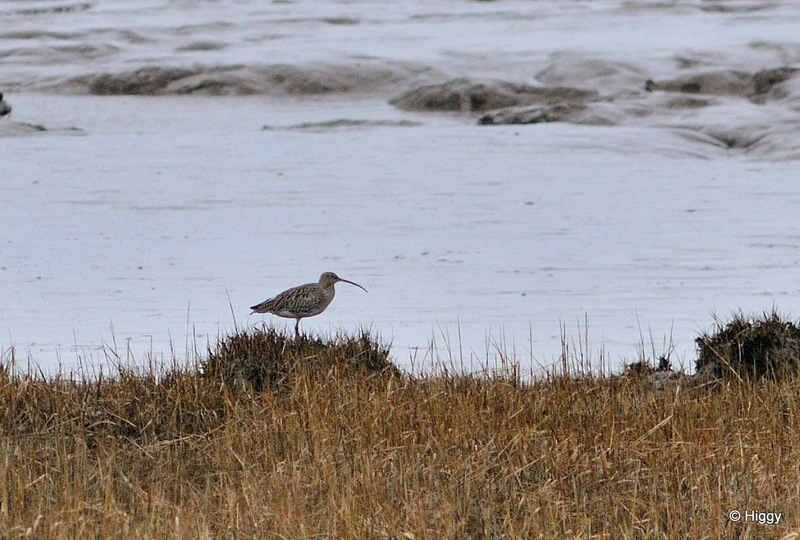
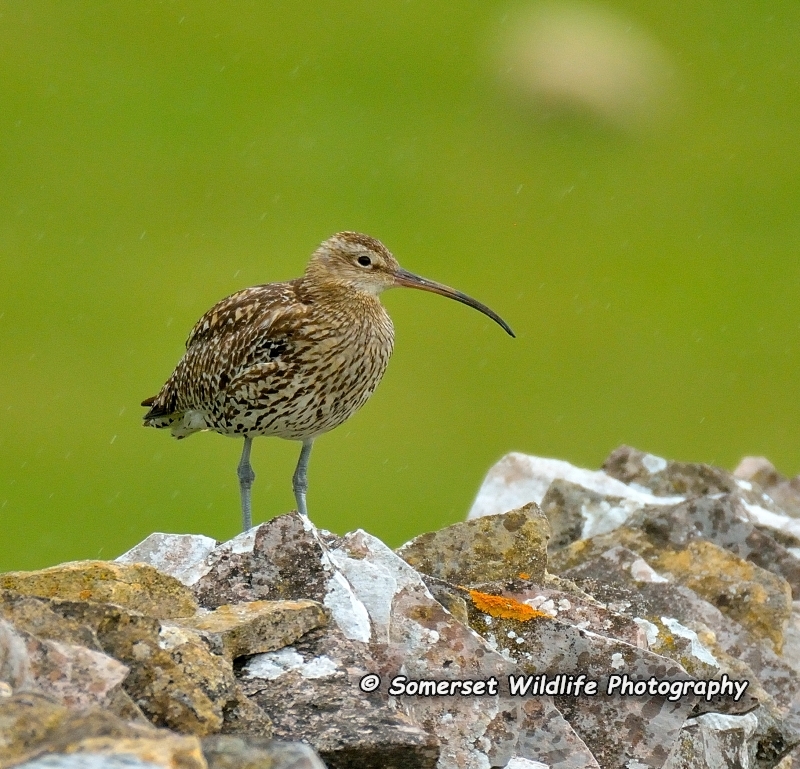
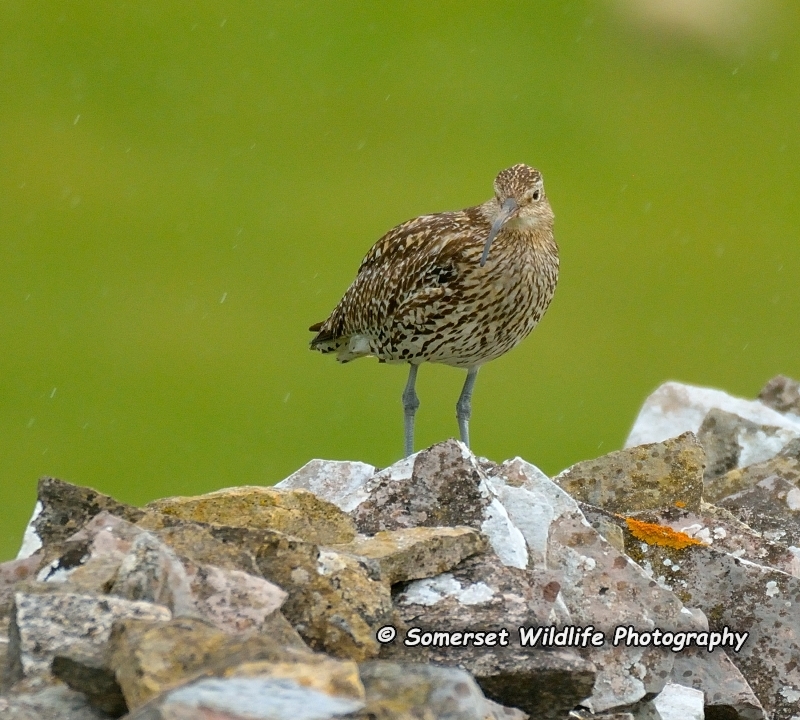
- NAME: Curlew – Numenius arquata / WING SPAN: 80-100cm / SOMERSET STATUS: Winter passage found in the Bristol Channel, sometimes in large numbers on the salt marsh mud flats. UK red species / DIET: Worms, shellfish and shrimps /
-
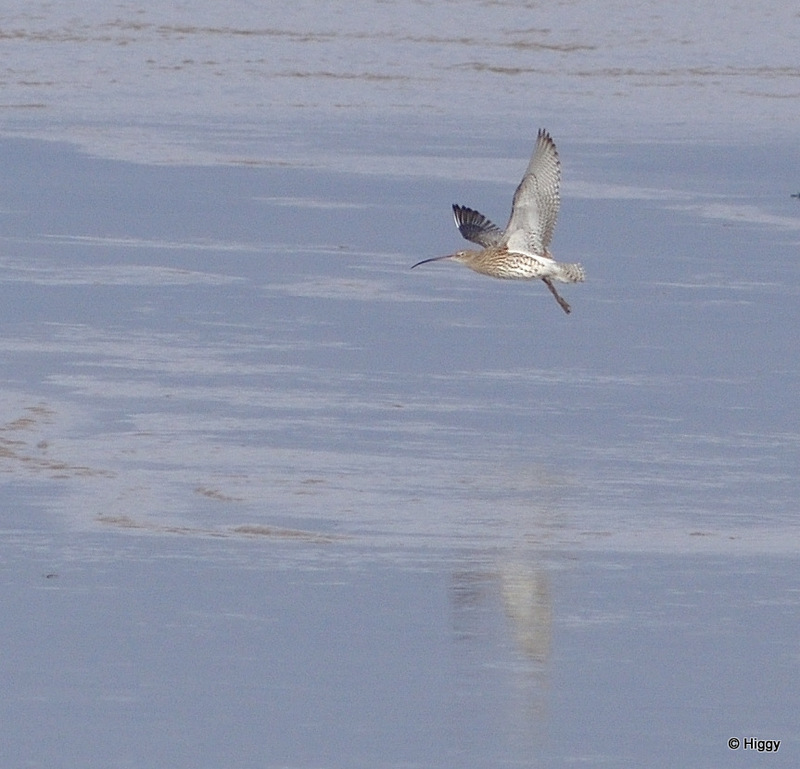
- NAME: Curlew – Numenius arquata / WING SPAN: 80-100cm / SOMERSET STATUS: Winter passage found in the Bristol Channel, sometimes in large numbers on the salt marsh mud flats. UK red species / DIET: Worms, shellfish and shrimps /
-
- NAME: Curlew – Numenius arquata / WING SPAN: 80-100cm / SOMERSET STATUS: Winter passage found in the Bristol Channel, sometimes in large numbers on the salt marsh mud flats. UK red species / DIET: Worms, shellfish and shrimps /
-
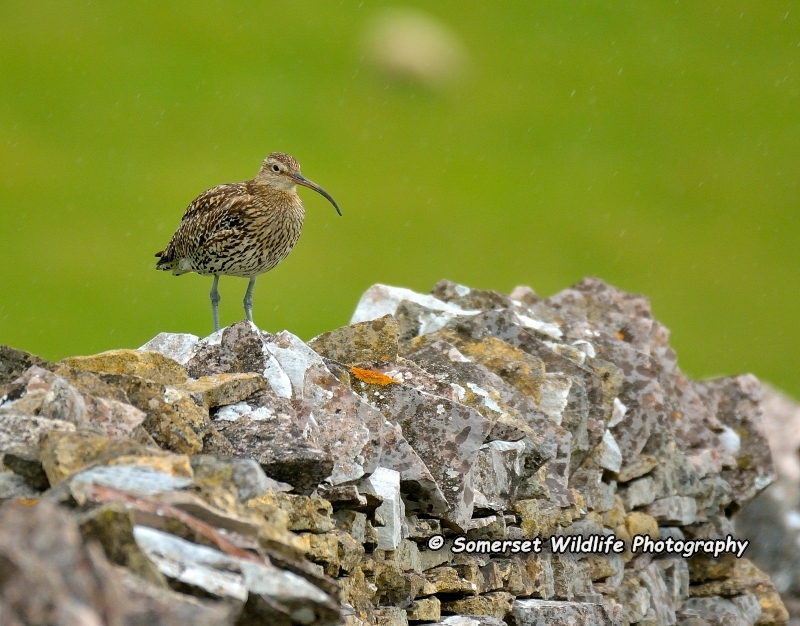
- NAME: Curlew – Numenius arquata / WING SPAN: 80-100cm / SOMERSET STATUS: Winter passage found in the Bristol Channel, sometimes in large numbers on the salt marsh mud flats. UK red species / DIET: Worms, shellfish and shrimps /
-
- NAME: Curlew – Numenius arquata / WING SPAN: 80-100cm / SOMERSET STATUS: Winter passage found in the Bristol Channel, sometimes in large numbers on the salt marsh mud flats. UK red species / DIET: Worms, shellfish and shrimps /
-
- NAME: Curlew – Numenius arquata / WING SPAN: 80-100cm / SOMERSET STATUS: Winter passage found in the Bristol Channel, sometimes in large numbers on the salt marsh mud flats. UK red species / DIET: Worms, shellfish and shrimps /
-
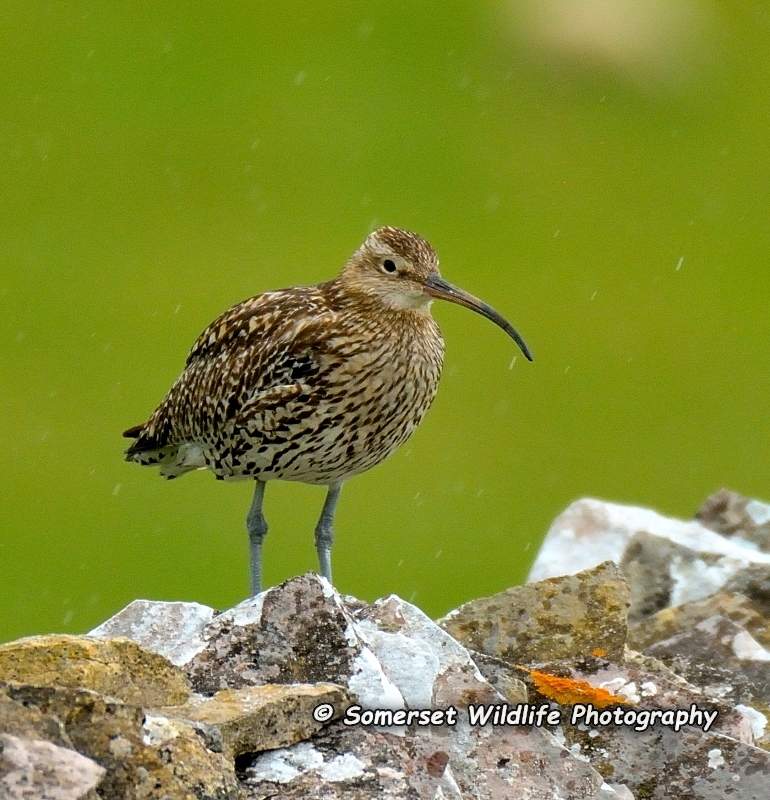
- NAME: Curlew – Numenius arquata / WING SPAN: 80-100cm / SOMERSET STATUS: Winter passage found in the Bristol Channel, sometimes in large numbers on the salt marsh mud flats. UK red species / DIET: Worms, shellfish and shrimps /
-

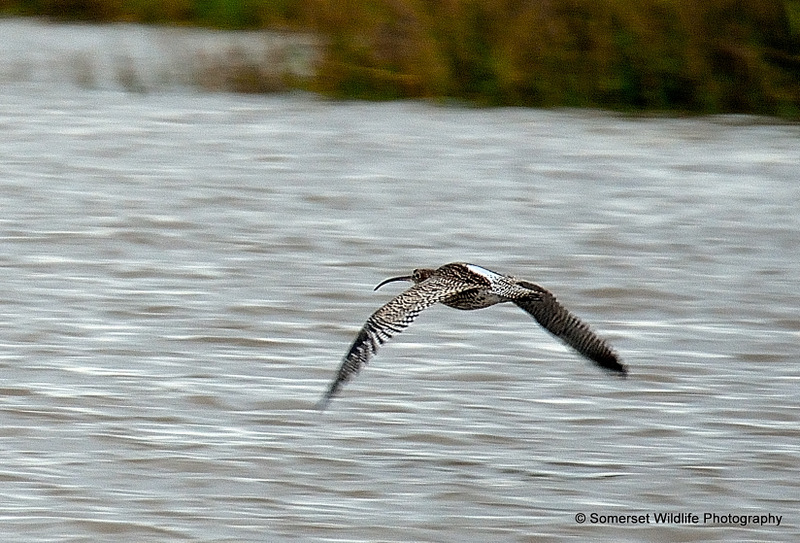
- NAME: Curlew – Numenius arquata / WING SPAN: 80-100cm / SOMERSET STATUS: Winter passage found in the Bristol Channel, sometimes in large numbers on the salt marsh mud flats. UK red species / DIET: Worms, shellfish and shrimps /
-
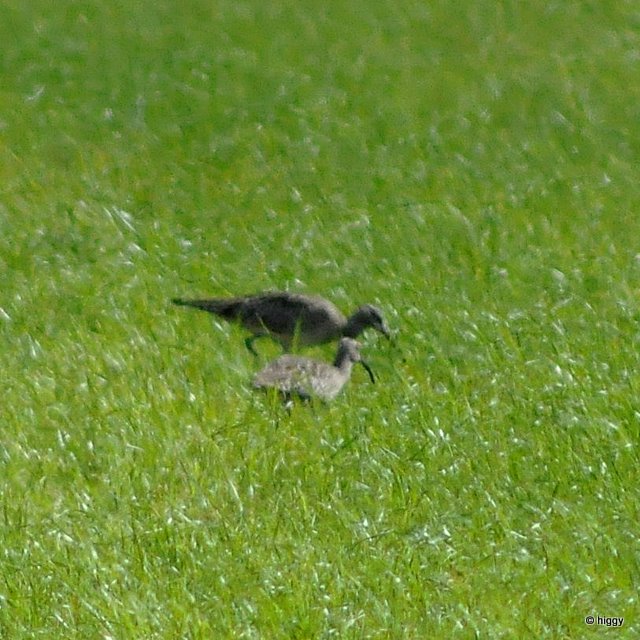
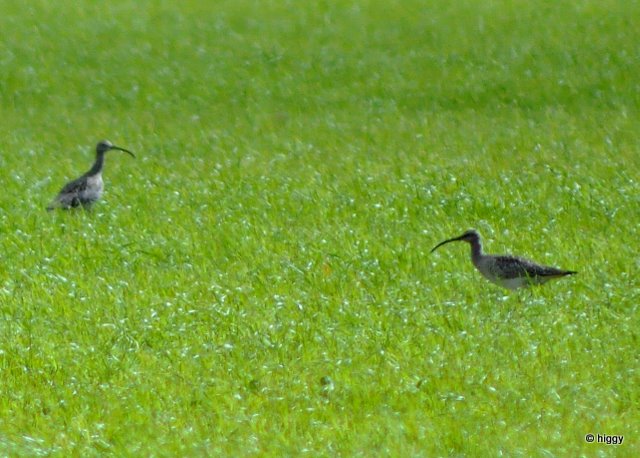
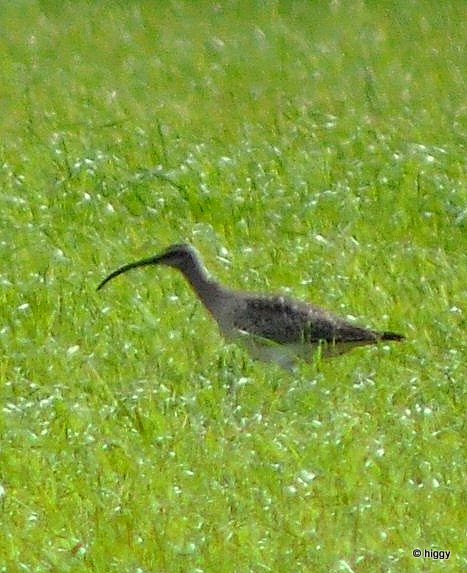
- NAME: Whimbrel – Numenius phaeopus / WING SPAN: 71-81cm / SOMERSET STATUS: Passage migrant, sometimes found on Bristol Channel or surrounding fields as passing through / DIET: On breeding grounds insects, snails and slugs; on passage, crabs, shrimps, molluscs, worms /
-
- NAME: Whimbrel – Numenius phaeopus / WING SPAN: 71-81cm / SOMERSET STATUS: Passage migrant, sometimes found on Bristol Channel or surrounding fields as passing through / DIET: On breeding grounds insects, snails and slugs; on passage, crabs, shrimps, molluscs, worms /
-
- NAME: Whimbrel – Numenius phaeopus / WING SPAN: 71-81cm / SOMERSET STATUS: Passage migrant, sometimes found on Bristol Channel or surrounding fields as passing through / DIET: On breeding grounds insects, snails and slugs; on passage, crabs, shrimps, molluscs, worms /
-
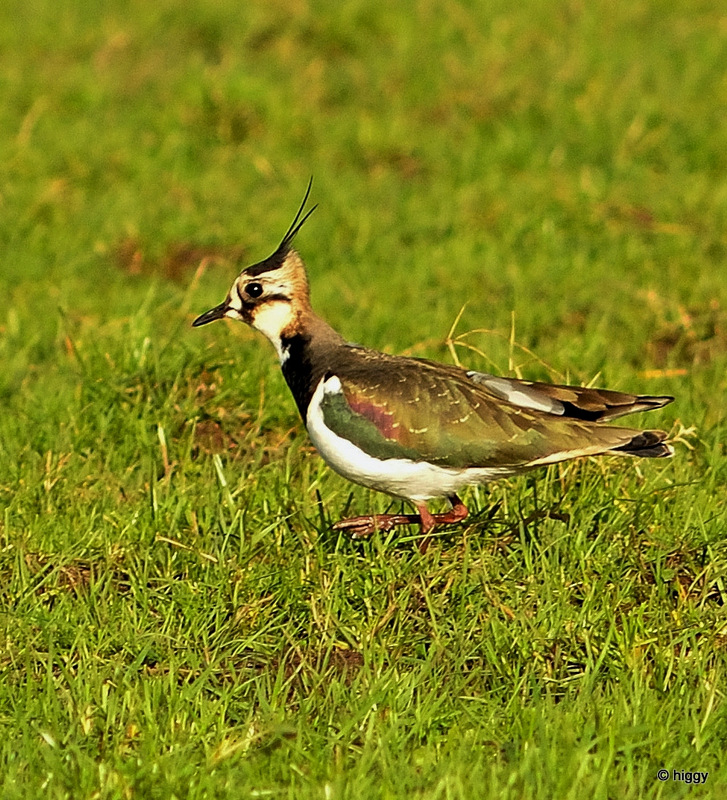
- NAME: Lapwing – Vanellus vanellu / WING SPAN: 82-87cm / SOMERSET STATUS: Once prolific on the lowland salt marshes but becoming a very rare sight these days. The north somerset levels have lost their breeding lapwings within the last ten years which is very sad. A UK Red Status Bird. / DIET: Insects, worms and snails /
-
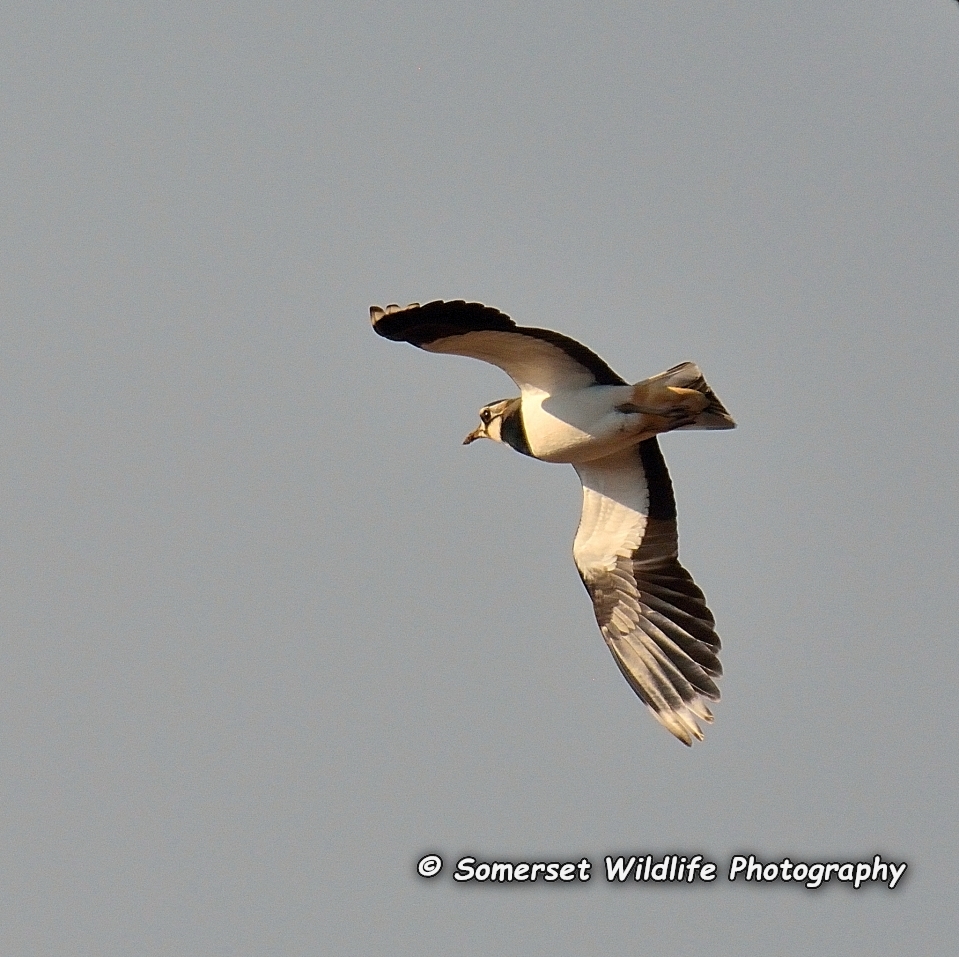
- NAME: Lapwing – Vanellus vanellu / WING SPAN: 82-87cm / SOMERSET STATUS: Once prolific on the lowland salt marshes but becoming a very rare sight these days. The north somerset levels have lost their breeding lapwings within the last ten years which is very sad. A UK Red Status Bird. / DIET: Insects, worms and snails /
-
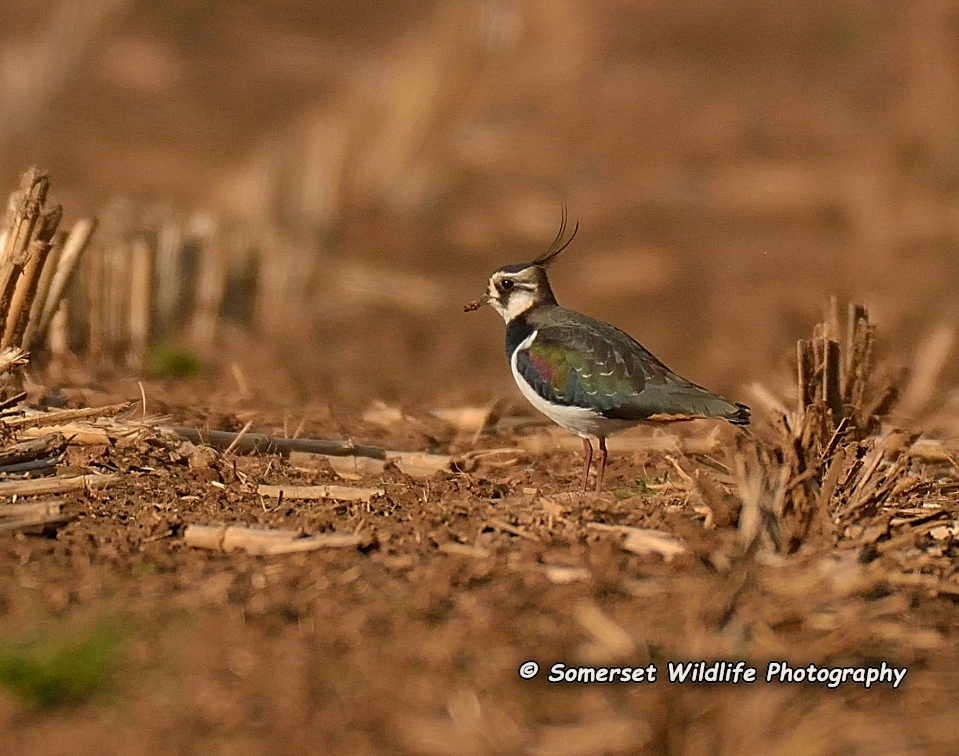
- NAME: Lapwing – Vanellus vanellu / WING SPAN: 82-87cm / SOMERSET STATUS: Once prolific on the lowland salt marshes but becoming a very rare sight these days. The north somerset levels have lost their breeding lapwings within the last ten years which is very sad. A UK Red Status Bird. / DIET: Insects, worms and snails /
-
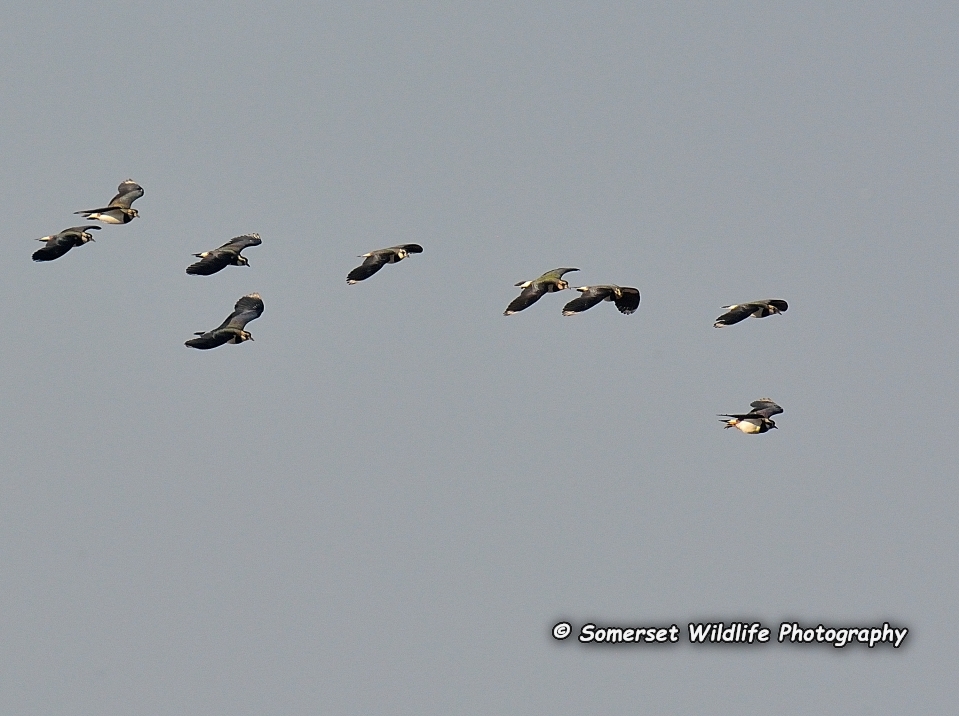
- NAME: Lapwing – Vanellus vanellu / WING SPAN: 82-87cm / SOMERSET STATUS: Once prolific on the lowland salt marshes but becoming a very rare sight these days. The north somerset levels have lost their breeding lapwings within the last ten years which is very sad. A UK Red Status Bird. / DIET: Insects, worms and snails /
-
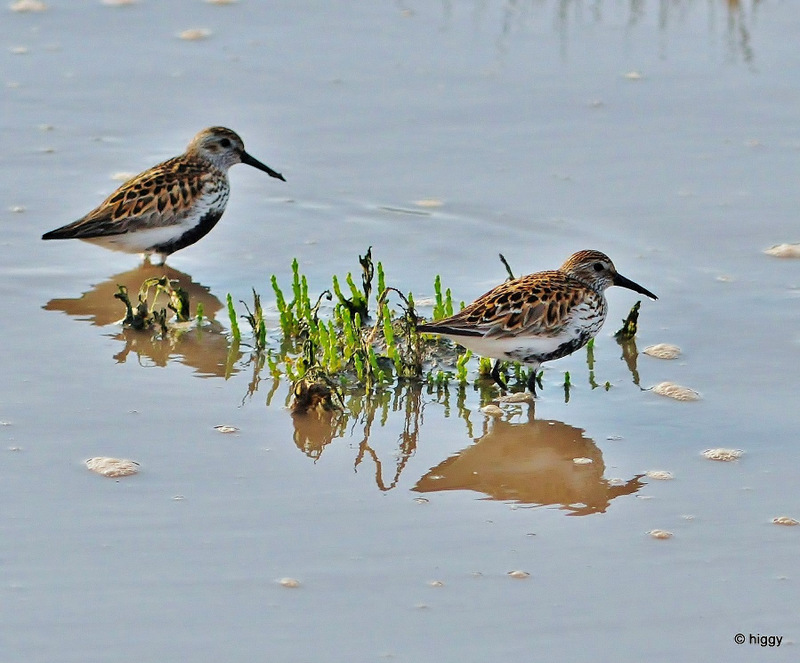
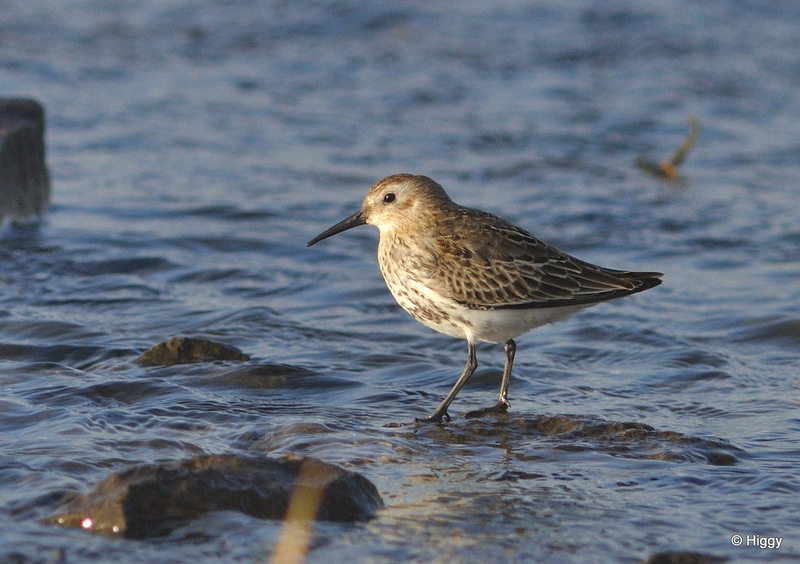
- NAME: Dunlin – Calidris alpine / WING SPAN: 35-40cm / SOMERSET STATUS: Winter visitor found in the Bristol Channel, in large numbers on the salt marsh mud flats. Often 3000+ birds in a flock with several flocks along the channel. The Bristol Channel is now of international importance to Dunlin! / DIET: Insects, snails and worms/
-
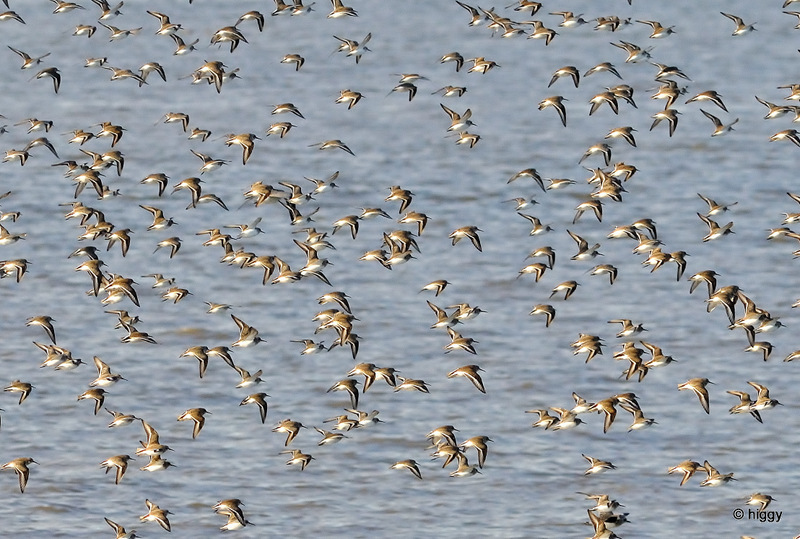
- NAME: Dunlin – Calidris alpine / WING SPAN: 35-40cm / SOMERSET STATUS: Winter visitor found in the Bristol Channel, in large numbers on the salt marsh mud flats. Often 3000+ birds in a flock with several flocks along the channel. The Bristol Channel is now of international importance to Dunlin! / DIET: Insects, snails and worms/
-
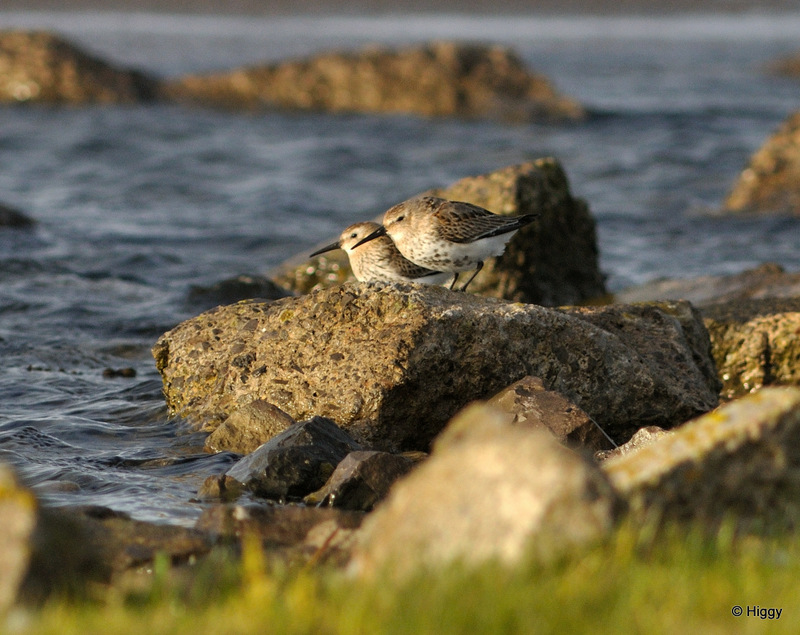
- NAME: Dunlin – Calidris alpine / WING SPAN: 35-40cm / SOMERSET STATUS: Winter visitor found in the Bristol Channel, in large numbers on the salt marsh mud flats. Often 3000+ birds in a flock with several flocks along the channel. The Bristol Channel is now of international importance to Dunlin! / DIET: Insects, snails and worms/
-

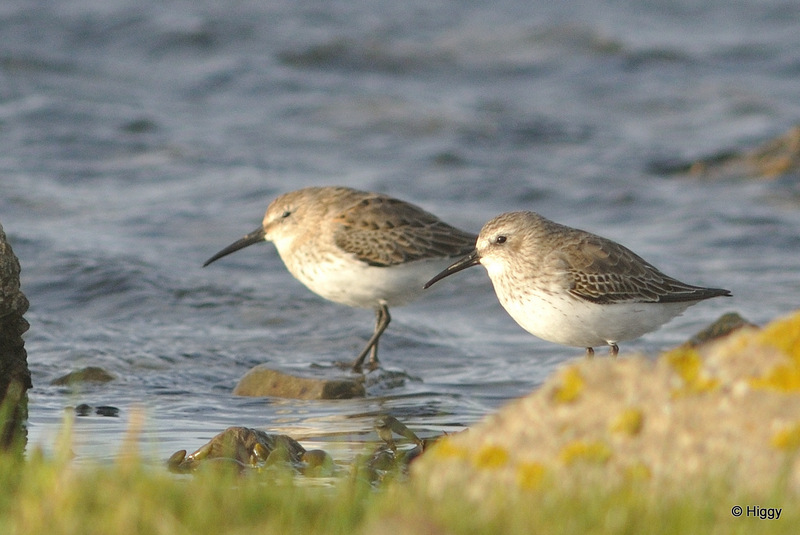
- NAME: Dunlin – Calidris alpine / WING SPAN: 35-40cm / SOMERSET STATUS: Winter visitor found in the Bristol Channel, in large numbers on the salt marsh mud flats. Often 3000+ birds in a flock with several flocks along the channel. The Bristol Channel is now of international importance to Dunlin! / DIET: Insects, snails and worms/
-
- NAME: Dunlin – Calidris alpine / WING SPAN: 35-40cm / SOMERSET STATUS: Winter visitor found in the Bristol Channel, in large numbers on the salt marsh mud flats. Often 3000+ birds in a flock with several flocks along the channel. The Bristol Channel is now of international importance to Dunlin! / DIET: Insects, snails and worms/
-
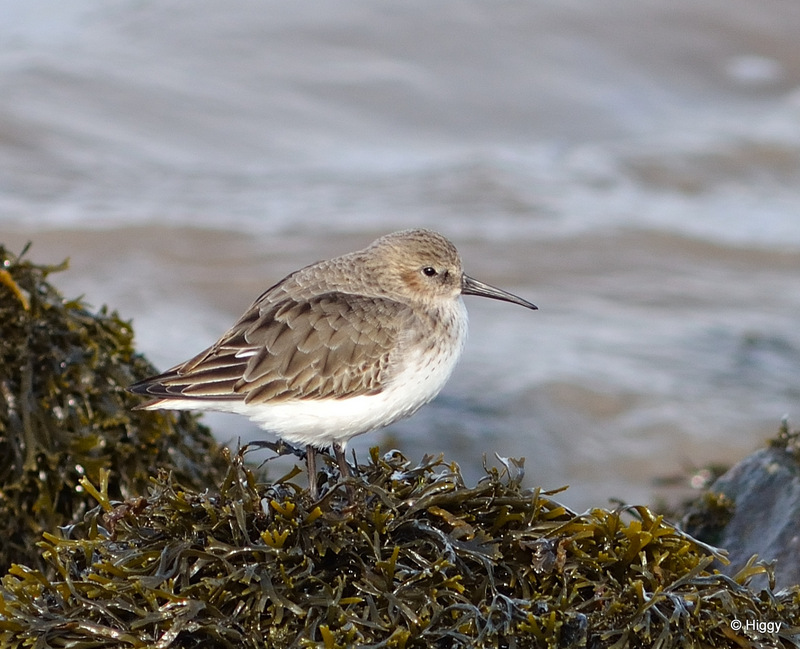
- NAME: Dunlin – Calidris alpine / WING SPAN: 35-40cm / SOMERSET STATUS: Winter visitor found in the Bristol Channel, in large numbers on the salt marsh mud flats. Often 3000+ birds in a flock with several flocks along the channel. The Bristol Channel is now of international importance to Dunlin! / DIET: Insects, snails and worms/
-
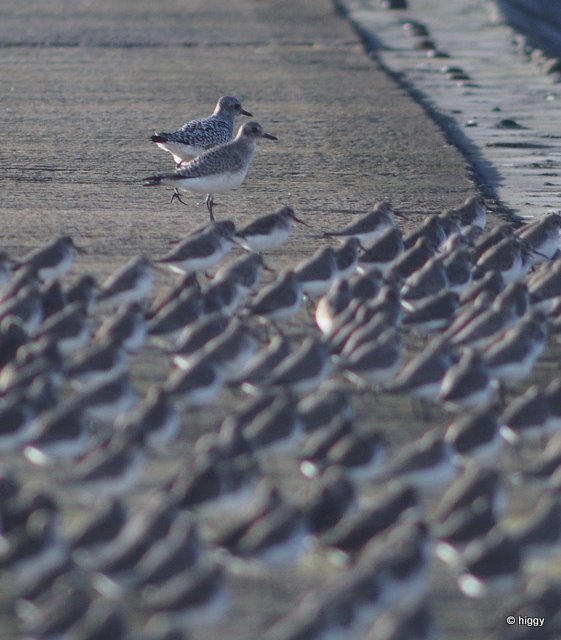
- NAME: Grey Plover – Pluvialis squatarola / WING SPAN: 77cm / SOMERSET STATUS: Mainla winter visitor but can be found in the Bristol Channel in the summer months also, Often mixed into flocks with other waders including the large flocks of Dunlin! / DIET: Shellfish and worms /
-
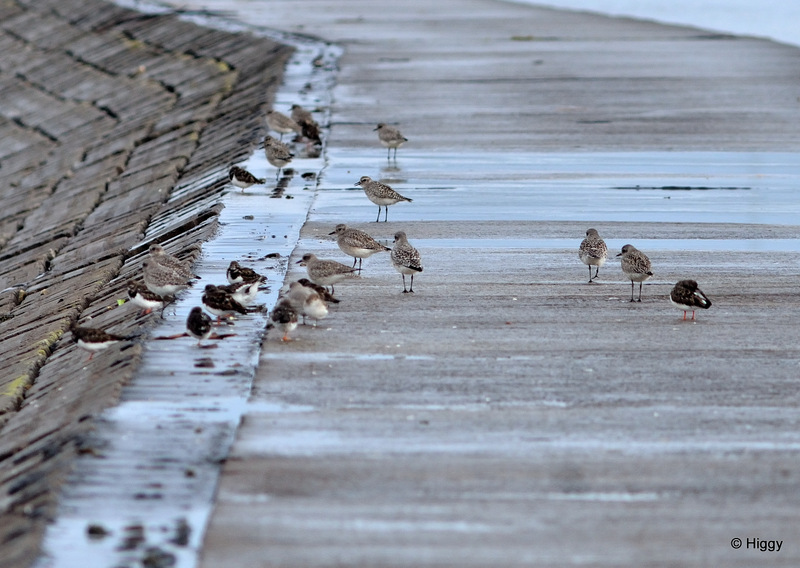
- NAME: Grey Plover – Pluvialis squatarola / WING SPAN: 77cm / SOMERSET STATUS: Mainla winter visitor but can be found in the Bristol Channel in the summer months also, Often mixed into flocks with other waders including the large flocks of Dunlin! / DIET: Shellfish and worms /
-

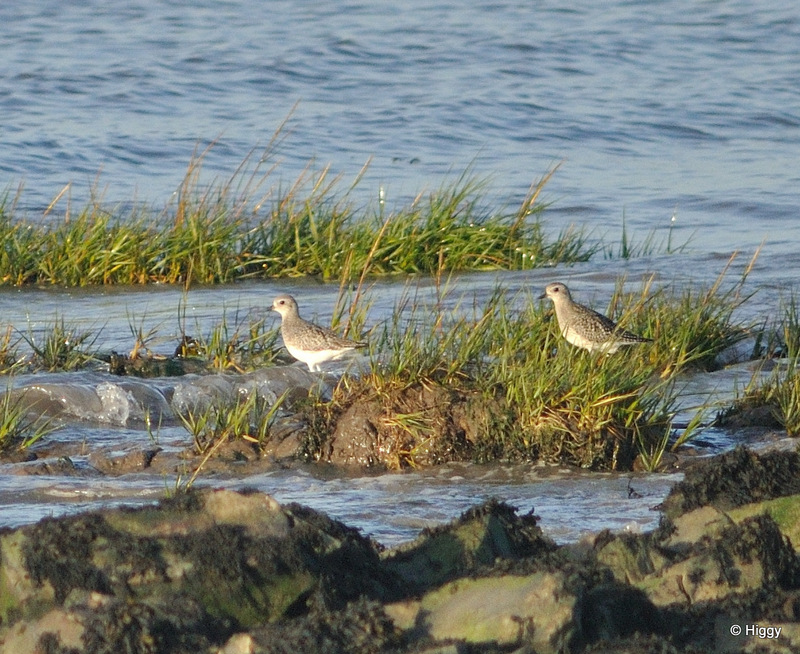
- NAME: Grey Plover – Pluvialis squatarola / WING SPAN: 77cm / SOMERSET STATUS: Mainla winter visitor but can be found in the Bristol Channel in the summer months also, Often mixed into flocks with other waders including the large flocks of Dunlin! / DIET: Shellfish and worms /
-
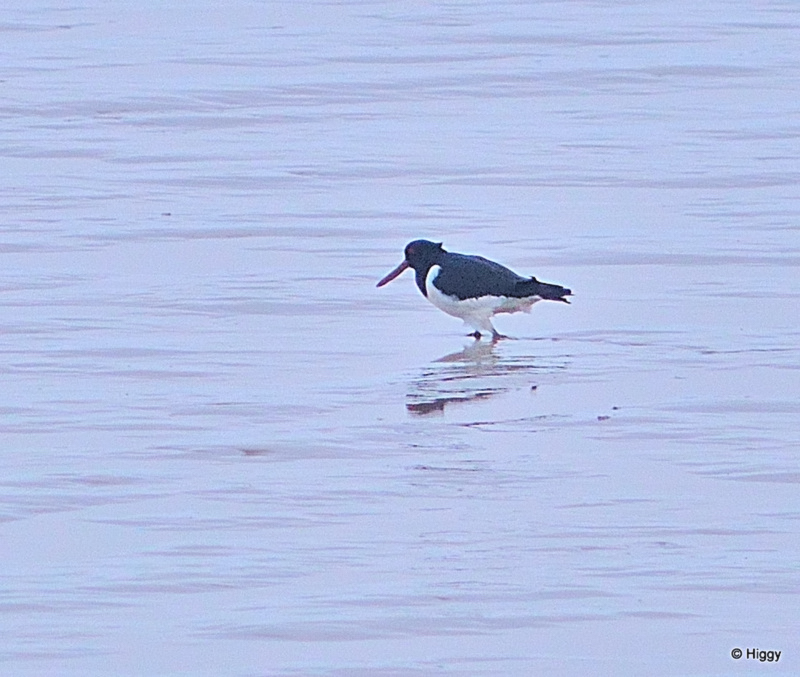
- NAME: Oyster Catcher – Haematopus ostralegus / WING SPAN: 80-86cm / SOMERSET STATUS: Mainly Bristol Channel, common but not in large numbers / DIET: Mussels and cockles on the coast, mainly worms inland /
-
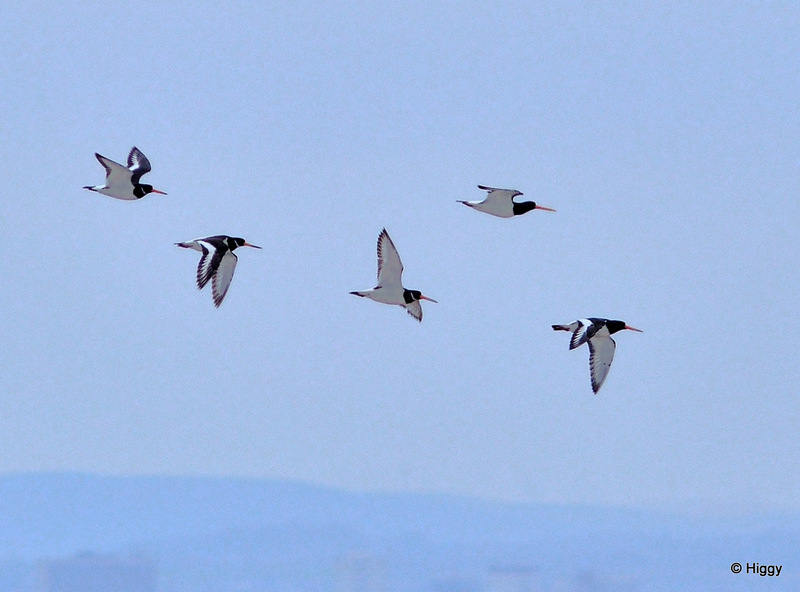
- NAME: Oyster Catcher – Haematopus ostralegus / WING SPAN: 80-86cm / SOMERSET STATUS: Mainly Bristol Channel, common but not in large numbers / DIET: Mussels and cockles on the coast, mainly worms inland /
-
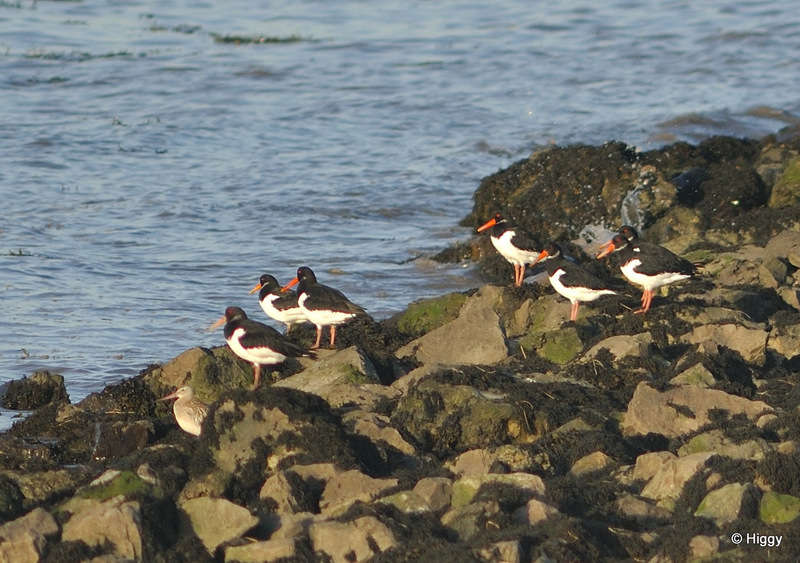
- NAME: Oyster Catcher – Haematopus ostralegus / WING SPAN: 80-86cm / SOMERSET STATUS: Mainly Bristol Channel, common but not in large numbers / DIET: Mussels and cockles on the coast, mainly worms inland /
-
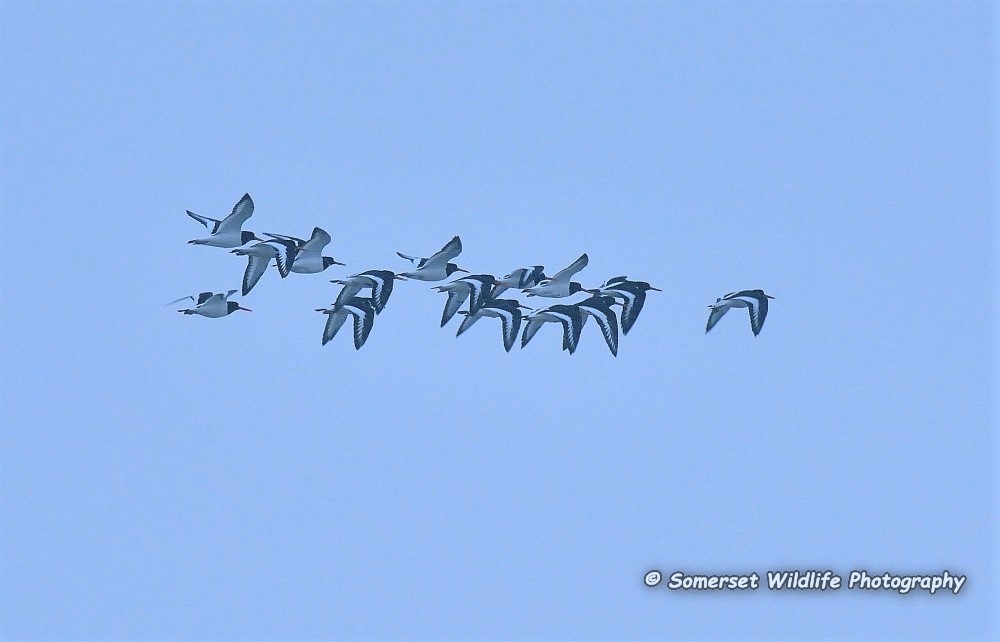
- NAME: Oyster Catcher – Haematopus ostralegus / WING SPAN: 80-86cm / SOMERSET STATUS: Mainly Bristol Channel, common but not in large numbers / DIET: Mussels and cockles on the coast, mainly worms inland /
-
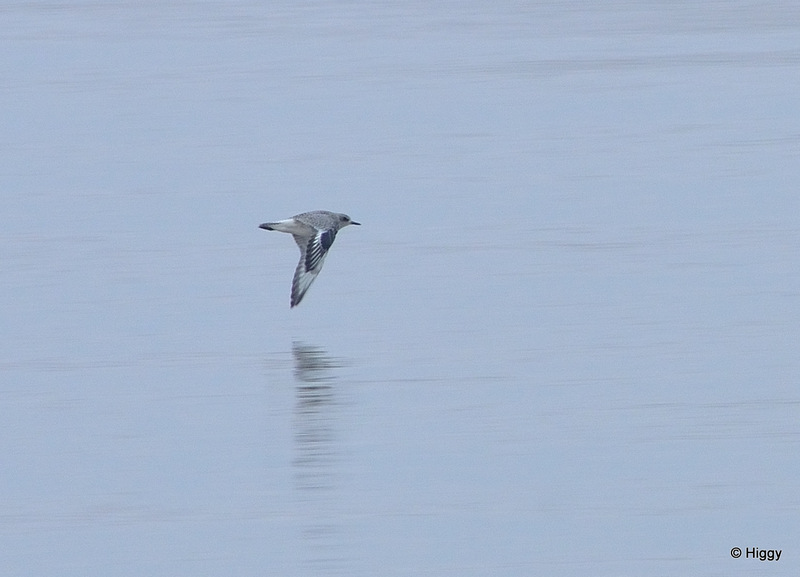
- NAME: Grey Plover – Pluvialis squatarola / WING SPAN: 77cm / SOMERSET STATUS: Mainla winter visitor but can be found in the Bristol Channel in the summer months also, Often mixed into flocks with other waders including the large flocks of Dunlin! / DIET: Shellfish and worms /
-
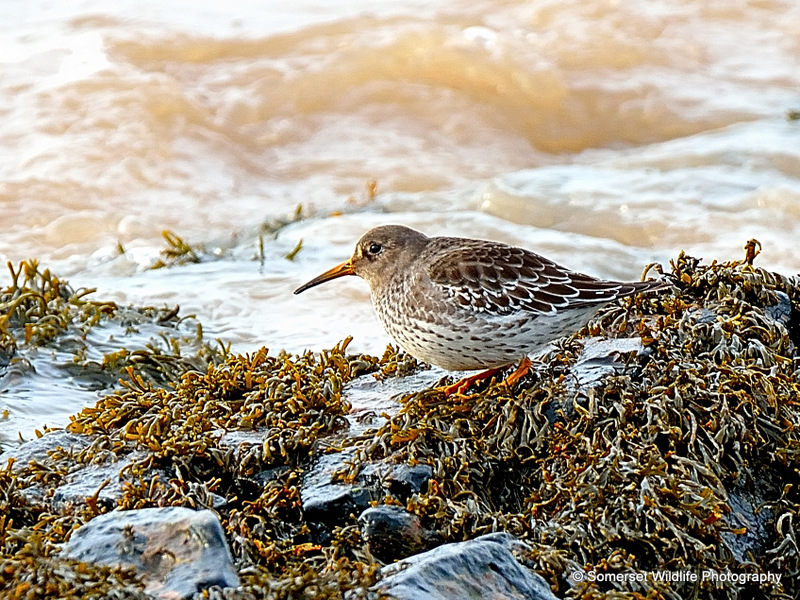
- NAME: Purple Sandpiper – Calidris maritima / WING SPAN: 40-44cm / SOMERSET STATUS: Winter visitor to The Bristol Channel / DIET: Winkles, insects, spiders, crustaceans and plants /
-
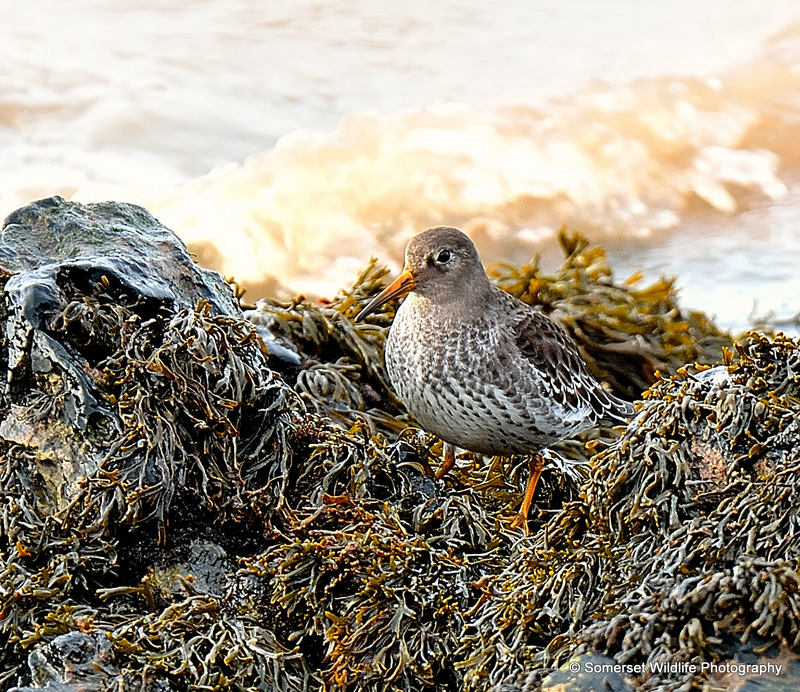
- NAME: Purple Sandpiper – Calidris maritima / WING SPAN: 40-44cm / SOMERSET STATUS: Winter visitor to The Bristol Channel / DIET: Winkles, insects, spiders, crustaceans and plants /
-
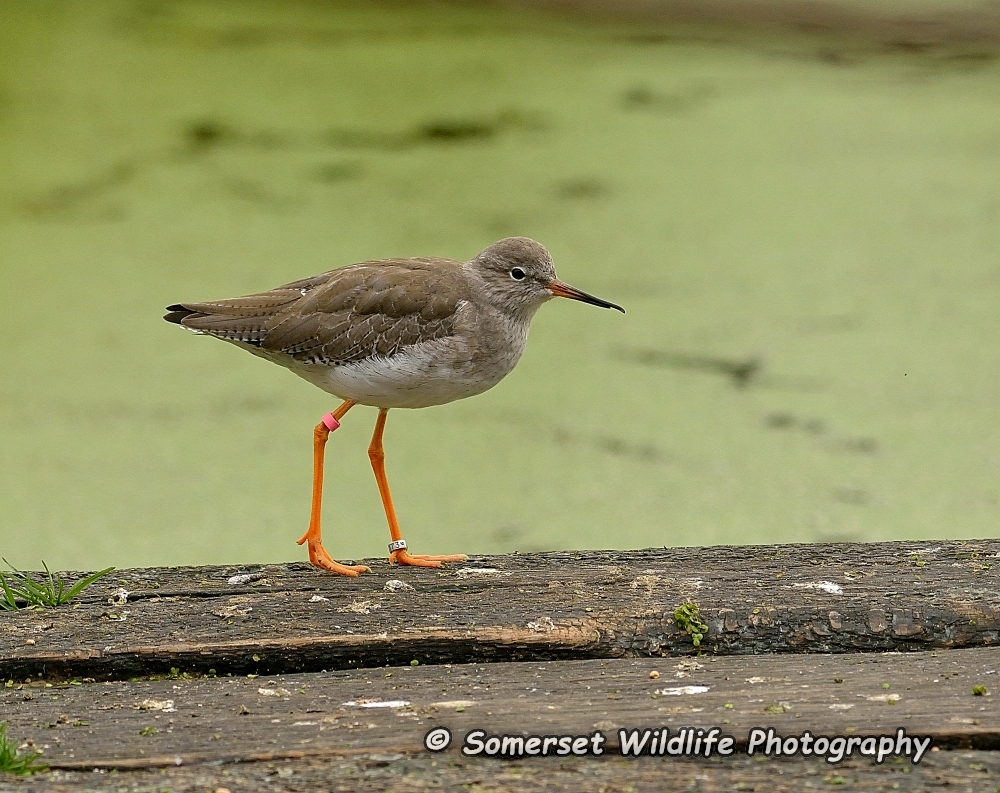
- NAME: Redshank – Tringa totanus / WING SPAN: 62cm / SOMERSET STATUS: Best time to see them is winter time around the muddy estuaries of the Bristol Channel. The Yeo estuary is very good to see good sized flocks on the mud flats as the tide receeds / DIET: Redshanks hunt for insects, earthworms, molluscs and crustaceans by probing their bills into soil and mud /
-
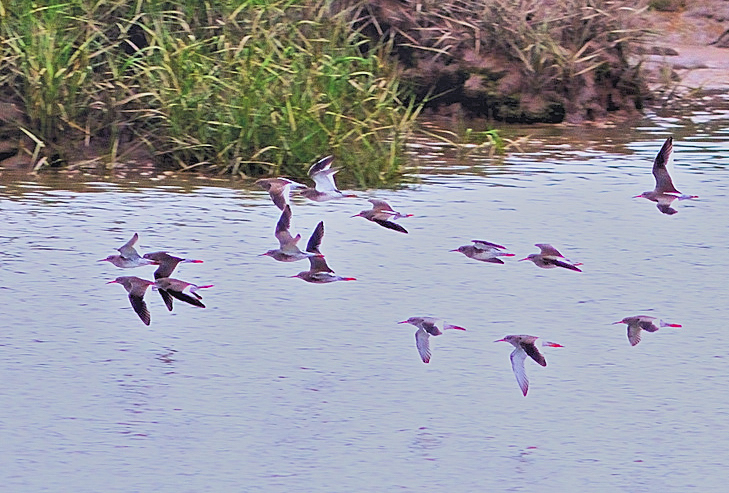
- NAME: Redshank – Tringa totanus / WING SPAN: 62cm / SOMERSET STATUS: Best time to see them is winter time around the muddy estuaries of the Bristol Channel. The Yeo estuary is very good to see good sized flocks on the mud flats as the tide receeds / DIET: Redshanks hunt for insects, earthworms, molluscs and crustaceans by probing their bills into soil and mud /
-
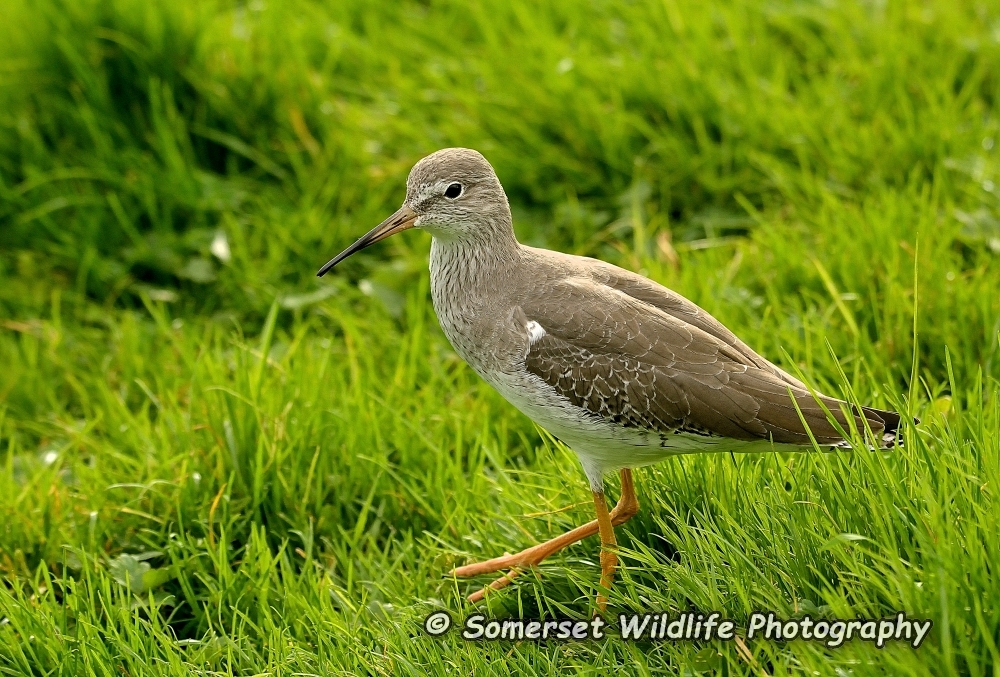
- NAME: Redshank – Tringa totanus / WING SPAN: 62cm / SOMERSET STATUS: Best time to see them is winter time around the muddy estuaries of the Bristol Channel. The Yeo estuary is very good to see good sized flocks on the mud flats as the tide receeds / DIET: Redshanks hunt for insects, earthworms, molluscs and crustaceans by probing their bills into soil and mud /
-
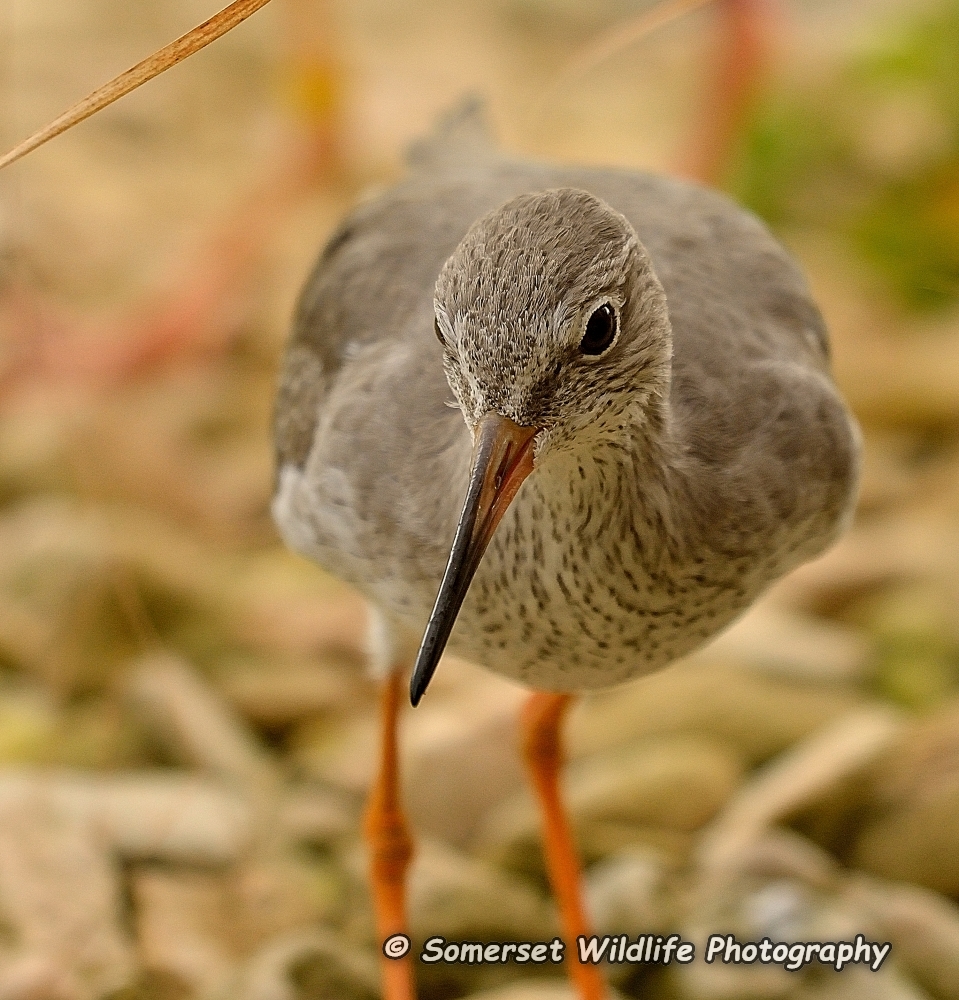
- NAME: Redshank – Tringa totanus / WING SPAN: 62cm / SOMERSET STATUS: Best time to see them is winter time around the muddy estuaries of the Bristol Channel. The Yeo estuary is very good to see good sized flocks on the mud flats as the tide receeds / DIET: Redshanks hunt for insects, earthworms, molluscs and crustaceans by probing their bills into soil and mud /
-
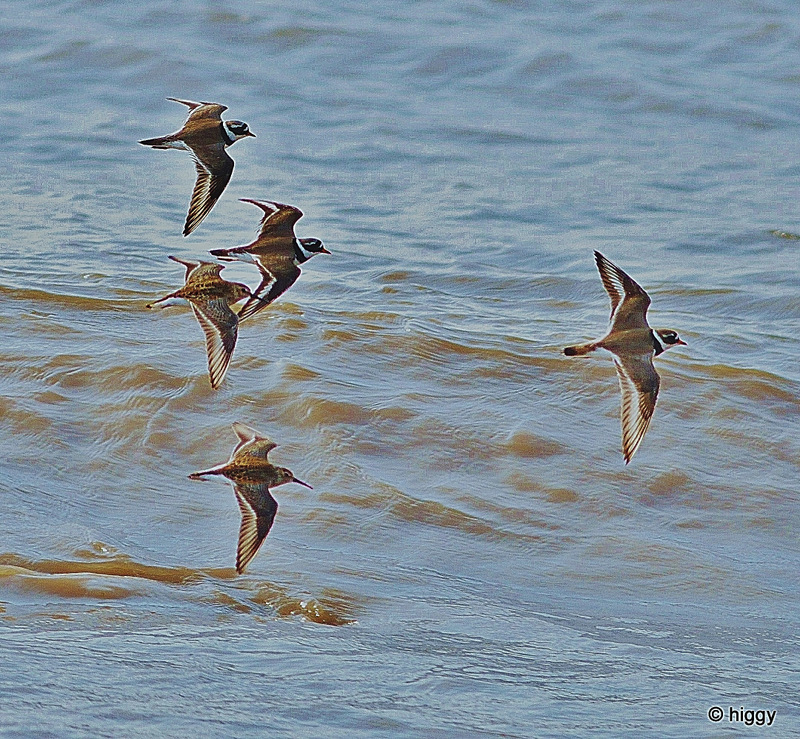
- NAME: Ringed Plover – Charadrius hiaticula / WING SPAN: 48-57cm / SOMERSET STATUS: Bristol Channel, often mixed in with Dunlin flocks. UK red Status Bird / DIET: Flies, spiders, marine worms, crustaceans, molluscs /
-
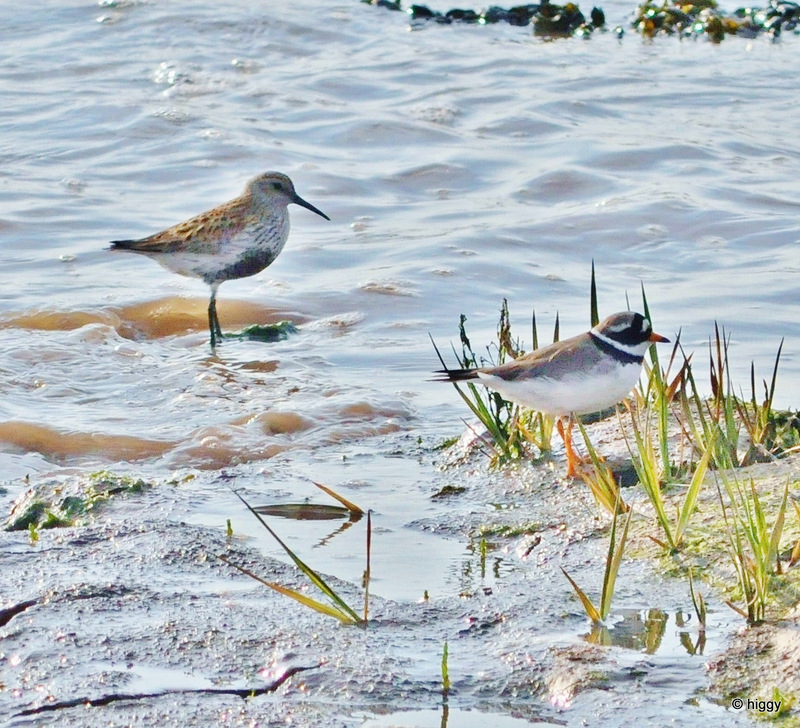
- NAME: Ringed Plover – Charadrius hiaticula / WING SPAN: 48-57cm / SOMERSET STATUS: Bristol Channel, often mixed in with Dunlin flocks. UK red Status Bird / DIET: Flies, spiders, marine worms, crustaceans, molluscs /
-
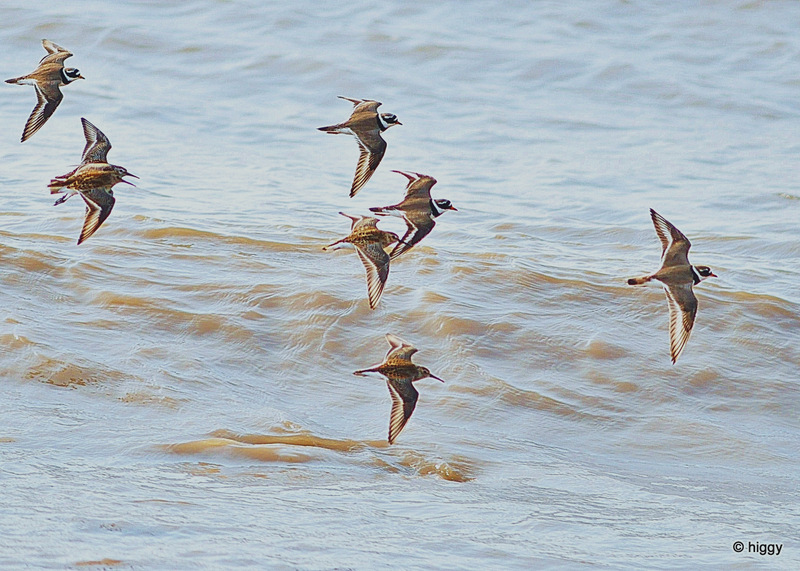
- NAME: Ringed Plover – Charadrius hiaticula / WING SPAN: 48-57cm / SOMERSET STATUS: Bristol Channel, often mixed in with Dunlin flocks. UK red Status Bird / DIET: Flies, spiders, marine worms, crustaceans, molluscs /
-
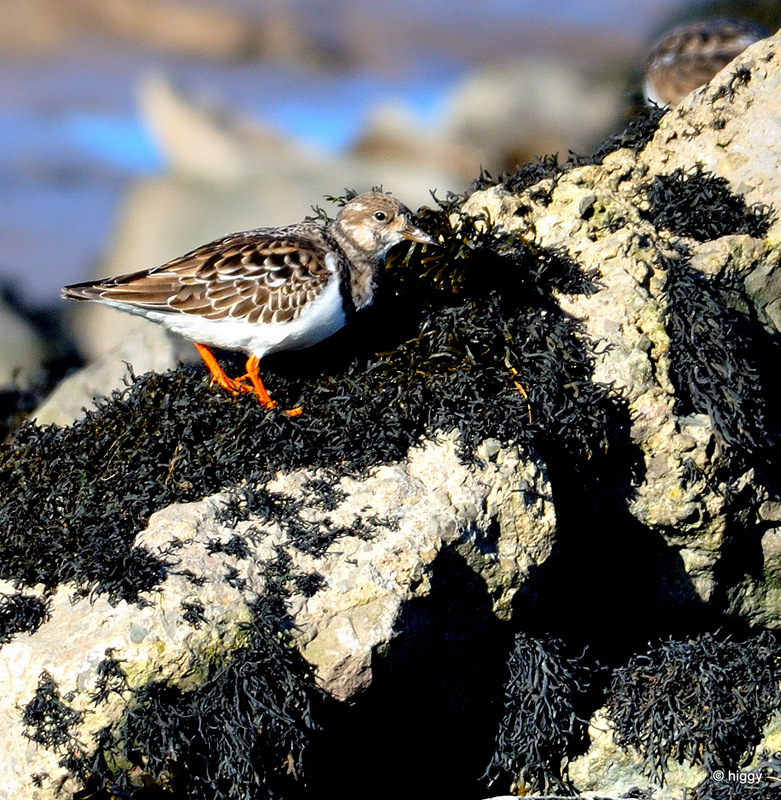
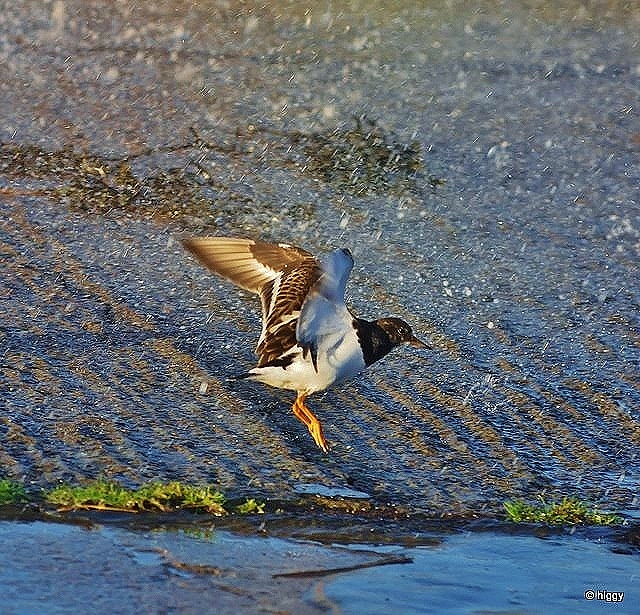
- NAME: Turnstone – Arenaria interpres / WING SPAN: 50-57cm / SOMERSET STATUS: Bristol Channel feeding on seaweed covered rocks and pebbled areas / DIET: Insects, crustaceans and molluscs. Feeding on seaweed covered rocks /
-
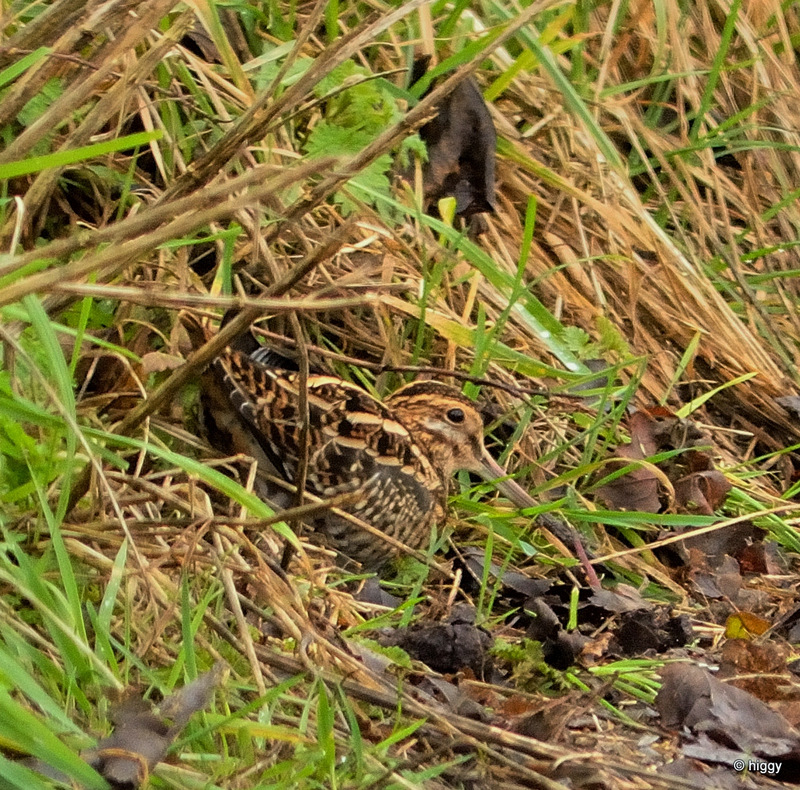
- NAME: Snipe – Gallinago gallinago / WING SPAN: 39-45cm / SOMERSET STATUS: Good numbers on the soft grazing marsh fields and salt marsh flats / DIET: Small invertebrates, including worms and insect larvae/ NONE NATIVE – Photographed at Slimbridge
-

- NAME: Turnstone – Arenaria interpres / WING SPAN: 50-57cm / SOMERSET STATUS: Bristol Channel feeding on seaweed covered rocks and pebbled areas / DIET: Insects, crustaceans and molluscs. Feeding on seaweed covered rocks /
-
- NAME: Turnstone – Arenaria interpres / WING SPAN: 50-57cm / SOMERSET STATUS: Bristol Channel feeding on seaweed covered rocks and pebbled areas / DIET: Insects, crustaceans and molluscs. Feeding on seaweed covered rocks /

-
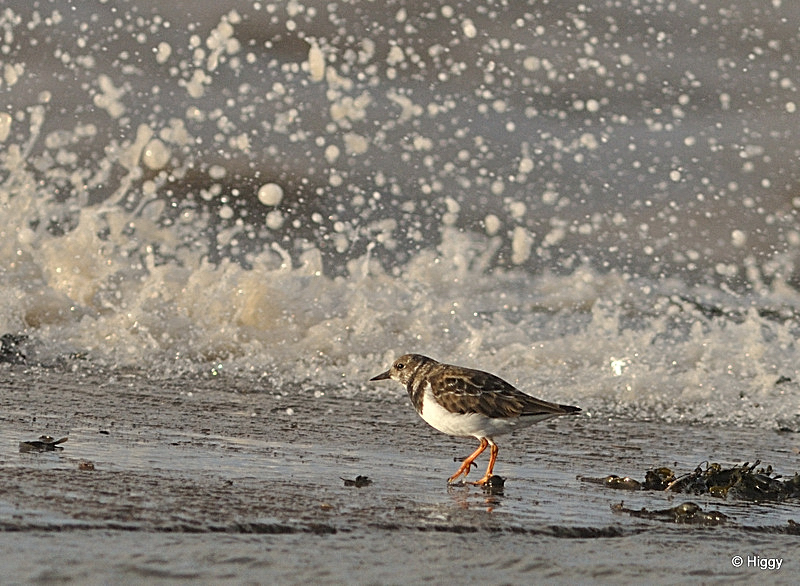
- NAME: Turnstone – Arenaria interpres / WING SPAN: 50-57cm / SOMERSET STATUS: Bristol Channel feeding on seaweed covered rocks and pebbled areas / DIET: Insects, crustaceans and molluscs. Feeding on seaweed covered rocks /
-
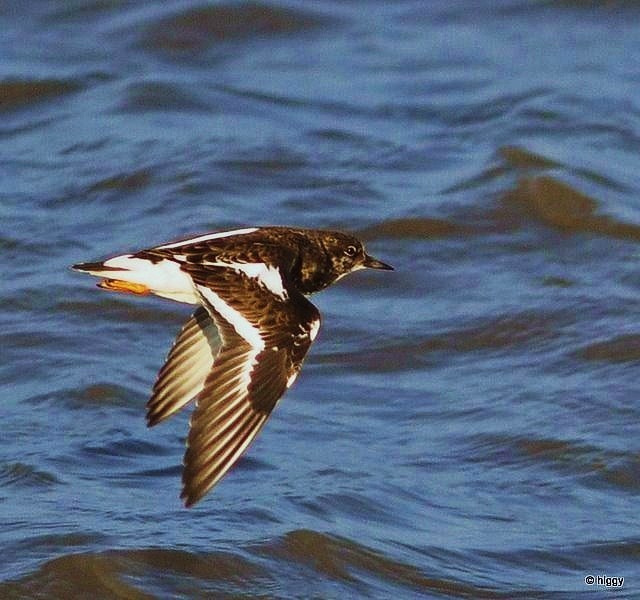
- NAME: Turnstone – Arenaria interpres / WING SPAN: 50-57cm / SOMERSET STATUS: Bristol Channel feeding on seaweed covered rocks and pebbled areas / DIET: Insects, crustaceans and molluscs. Feeding on seaweed covered rocks /
-
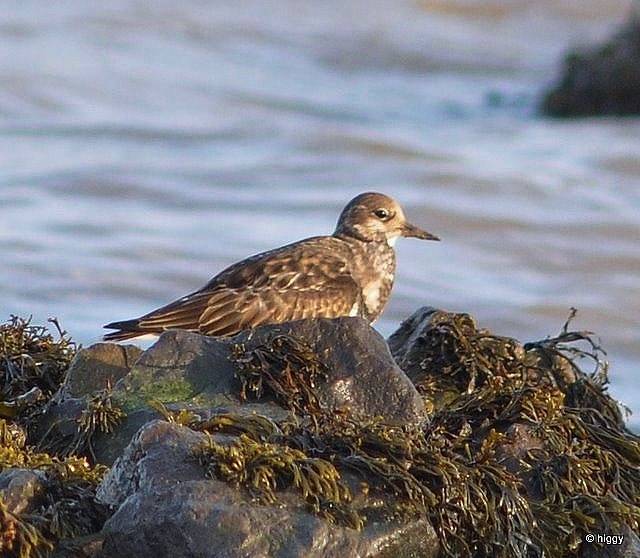
- NAME: Turnstone – Arenaria interpres / WING SPAN: 50-57cm / SOMERSET STATUS: Bristol Channel feeding on seaweed covered rocks and pebbled areas / DIET: Insects, crustaceans and molluscs. Feeding on seaweed covered rocks /
-
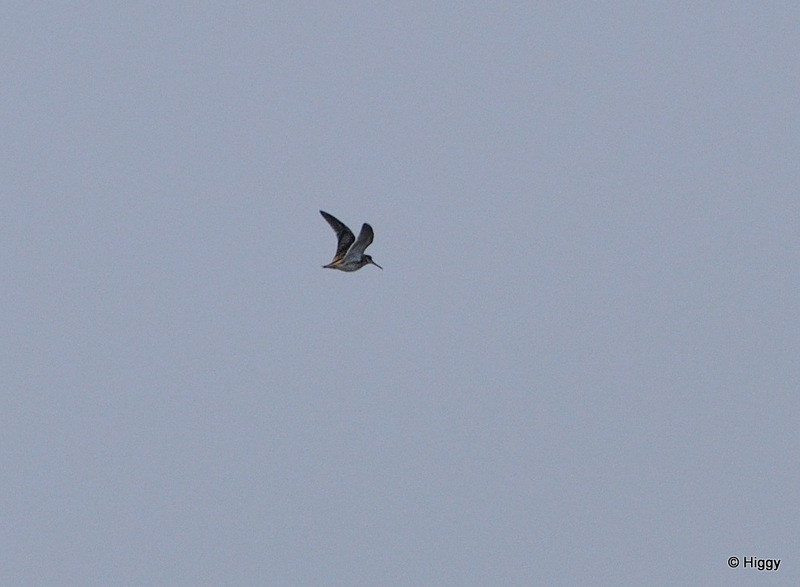
- NAME: Jack Snipe – Lymnocryptes minimus / WING SPAN: 38-42cm / SOMERSET STATUS: Mainly winter visitor but can be found in the Bristol Channel salt marshes in the summer months also. A very secretive and difficult to spot bird / DIET: Insects, worms and snails /
-
- NAME: Snipe – Gallinago gallinago / WING SPAN: 39-45cm / SOMERSET STATUS: Good numbers on the soft grazing marsh fields and salt marsh flats / DIET: Small invertebrates, including worms and insect larvae/ NONE NATIVE – Photographed at Slimbridge

-
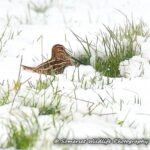
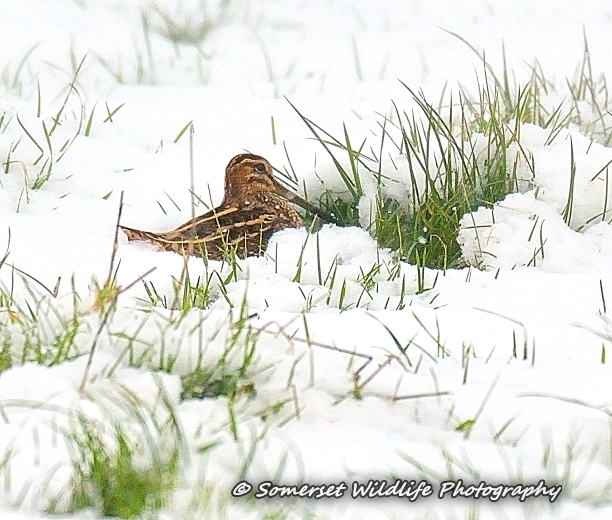
- NAME: Snipe – Gallinago gallinago / WING SPAN: 39-45cm / SOMERSET STATUS: Good numbers on the soft grazing marsh fields and salt marsh flats / DIET: Small invertebrates, including worms and insect larvae/ NONE NATIVE – Photographed at Slimbridge
-

- NAME: Snipe – Gallinago gallinago / WING SPAN: 39-45cm / SOMERSET STATUS: Good numbers on the soft grazing marsh fields and salt marsh flats / DIET: Small invertebrates, including worms and insect larvae/ NONE NATIVE – Photographed at Slimbridge
